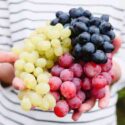
Grapes need full sun to produce sweet, flavorful fruit and strong, productive vines. While they can survive in partial shade, reduced sunlight often means poor ripening, lower sugar, weaker canes, and more disease problems. For the best grape harvest, plant vines in an open, sunny, well-drained location with good airflow.
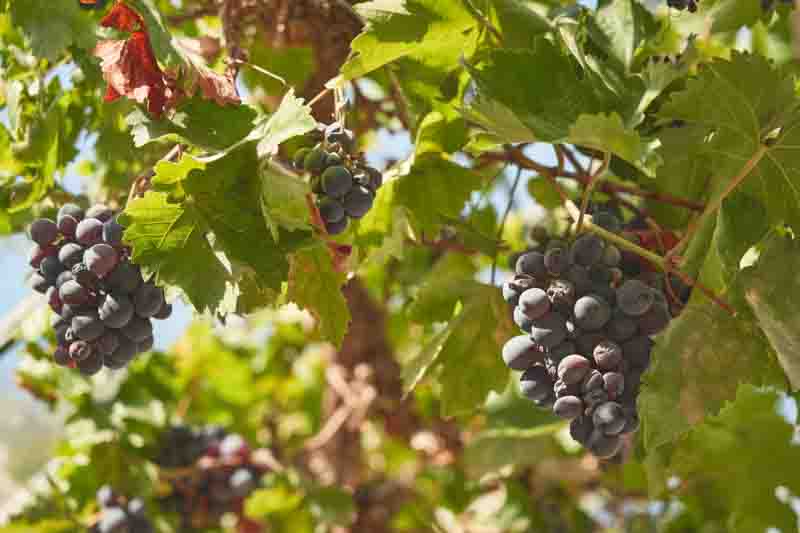


Yes – grapes need full sun to deliver their best fruit, strongest growth, and most reliable harvests. A grapevine may stay alive in partial shade, but if your goal is sweet grapes, well-ripened wood, healthy foliage, and productive vines, full sun is essential rather than optional.
If there is one decision that shapes grape success more than any other, it is where you plant the vine. You can improve pruning. You can correct training mistakes. You can refine watering and feeding. But you cannot fully make up for a site that is too shady once the vine is established.
That is why experienced growers start with sunlight, then build everything else around it. Grapes want an open site, excellent drainage, good airflow, and strong support – but sunlight is the foundation that makes the rest matter.
For backyard growers, this point is especially important. A spot that seems sunny in early spring may become much darker once trees leaf out. A fence that gets bright morning light may fall into heavy afternoon shade. A pergola may look perfect until nearby structures block the warmest part of the day. Grapes are vigorous vines, but they are not casual shade-tolerant climbers. They are fruiting plants with high expectations.
Jump to: Why Full Sun Matters | How Much Sun Grapes Need | Can Grapes Grow in Partial Shade? | Morning vs Afternoon Sun | Best Planting Location | Problems Caused by Too Much Shade | Sun Needs for Potted Grapes | Do Grapes Need Protection in Hot Climates? | How to Check Your Site | FAQ
Grapes are not grown mainly for foliage or fast coverage. They are grown for fruit. That changes everything. Plenty of ornamental vines can manage in partial shade and still look attractive. Grapes are different. Their fruiting, sugar development, berry color, cane maturity, and next year’s cropping all depend heavily on light.
When a grapevine gets full sun, it can produce the energy needed to ripen fruit fully and mature the season’s canes properly. Those mature canes matter because grapes bear fruit on shoots that arise from one-year-old wood. In other words, sunlight affects both this season’s crop and the vine’s readiness for the next one.
That is why shady grapevines can be deceptive. They may look green and vigorous, yet still fail where it counts. A vine can produce plenty of leaves and still carry sour fruit, weak canes, poor color, or slow ripening. Lush growth is not the same thing as productive growth.
As a practical rule, grapes should receive at least 6 hours of direct sunlight per day, and most vines perform best with 6 to 8 hours or more. In cooler climates or shorter growing seasons, the more consistent direct sun a vine receives, the better the odds of full ripening and good flavor.
It is also important to define full sun correctly. Full sun means direct, unobstructed sunlight hitting the plant – not bright shade, open shade, or dappled light through tree branches. Many sites look bright to the eye but still do not give a fruiting vine what it needs.
If you are trying to choose between two planting locations, the site with longer direct exposure usually wins. Grapes generally reward the warmest, sunniest, most open planting position available, as long as drainage and airflow are also good.
Yes – grapes can grow in partial shade. But that is not the same as saying they grow well there. This distinction matters. Many gardeners see a vine producing leaves in a partly shaded location and assume the site is acceptable. In reality, the real test is fruit quality, ripening, and long-term performance.
In partial shade, grapes often produce fewer clusters, slower ripening, lower sugar levels, weaker color, and a looser or more inconsistent crop. The vine may also become more stretched and leggy as it reaches for stronger light. In humid climates, partial shade can create an additional problem: leaves and fruit dry more slowly after rain or dew, which can increase disease pressure.
Light partial shade may still produce a modest crop, especially if the variety is well-suited to your climate and the vine receives strong sun for most of the day. But heavy shade from buildings, dense trees, or fences usually makes grapes a poor choice.
Morning sun is valuable because it helps dry dew quickly and reduces the amount of time leaves stay wet. That alone can help the vine stay healthier. But when it comes to ripening fruit and building sugars, grapes usually benefit most from long, steady exposure that includes the brighter and warmer part of the day.
An east-facing site with morning sun only can work in some gardens, especially if the exposure is bright and open. Still, it is usually not the ideal choice. A south-facing or southwest-facing site often gives grapes more total light and more heat accumulation, both of which support better ripening.
If you are comparing one location with brief morning light and another with stronger mid-day to afternoon sun, the longer and more intense exposure is usually the better grape site – provided the soil drains well and the vine has enough air movement.
The best grape site is open, sunny, warm, well-drained, and exposed to moving air. Grapes tolerate average soil far better than they tolerate poor light or chronically wet roots. When planted in a site that dries well and receives strong sun, the vine is easier to manage and the fruit is easier to ripen.
Good locations often include a sunny trellis in an open yard, a south-facing slope, or a pergola positioned well away from shade trees. In cooler climates, a sunny wall can sometimes help capture warmth and improve ripening, though not at the expense of airflow. The support system should also be planned from the start because mature grapevines become heavier than many beginners expect.
One of the best practical habits is to check the site in summer, not just in early spring. Shadows lengthen and shift as trees leaf out and the sun angle changes. A place that feels bright in March can become surprisingly shaded by July, right when grapes most need strong light.
Too little sun affects grapes in several connected ways. The most obvious problem is poor fruit ripening. Berries may stay tart, color unevenly, or never develop the full flavor of the variety. Clusters may be smaller or fewer, and the overall crop may feel underwhelming even when the vine looks healthy from a distance.
Shady vines also tend to produce dense, tangled growth. That makes pruning harder, harvesting slower, and canopy control more difficult. In humid climates, dense shade often means slower drying after rain, which can contribute to black rot, powdery mildew, downy mildew, and botrytis bunch rot.
Another overlooked consequence is poor cane maturity. When the season’s wood does not ripen well, the vine may enter winter less prepared and may also crop less reliably the following year. That is why sunlight problems often echo forward rather than staying confined to a single season.
Learn how to recognize and manage black rot before it ruins leaves, shoots, and fruit.
Why your Grapevine has Leaves but No Grapes
Yes – container grapes still need full sun. In fact, they often need even more careful siting because containers dry faster, warm up faster, and offer less room for roots to buffer stress. A potted grape on a dim patio or shaded corner is unlikely to crop well.
If you are growing grapes in pots, place the container in the brightest possible position with long hours of direct sun. One advantage of container growing is that the plant can be moved if needed. The disadvantage is that container vines are less forgiving when light, water, or feeding is inconsistent.
Container grapes can be productive, but they are not a shortcut around grape needs. They still want sun, support, pruning, and steady care.
In very hot climates, growers sometimes worry that full sun will be too harsh. In most cases, grapes still belong in full sun, but they do benefit from balanced canopy management. The goal is not to shade the vine heavily. The goal is to keep enough healthy leaf cover around the clusters to reduce sudden sunscald while still maintaining an open, airy vine.
This is where smart pruning and training make the difference. If you strip too many leaves in a scorching climate, you can expose fruit too quickly and increase the risk of sunburn. If you leave the canopy too dense, you trap humidity and reduce fruit quality. The answer is not less sunlight overall. The answer is a well-managed canopy that balances exposure with protection.
Watch the planting site during the growing season and count hours of direct sun rather than judging by general brightness. Notice when shadows arrive and what creates them. Tree shade moves. Building shade shifts through the season. A site that gets patchy light for much of the day is not truly full sun.
You can also read the vine itself. Long weak shoots, sparse clusters, poor ripening, thin flavor, or recurring mildew can all suggest a site with too little sun or too little airflow. Sun problems are often misread as fertilizer issues, pruning issues, or variety issues when the real limitation is simply not enough direct light.
If you are deciding whether to keep or relocate a young vine, do it sooner rather than later. A well-sited young grapevine has a much easier path to long-term success than an established vine fighting a bad location year after year.
They do best with at least 6 hours of direct sunlight daily, and most grapes perform best with 6 to 8 hours or more for better ripening and fruit quality.
They may grow vegetatively on a shaded fence, but fruit production, ripening, and overall quality are usually poor if the site does not receive enough direct sunlight.
Light partial shade may still allow some cropping, but full sun is strongly preferred for sweeter fruit, better color, stronger canes, and healthier vines.
Yes. <a href=”https://www.gardenia.net/plant/vitis-rotundifolia”><strong>Muscadine grapes</strong></a> also perform best in full sun, especially for dependable fruiting and strong disease resistance in warm, humid climates.
Usually not well. Shade often delays ripening and reduces sugar, flavor, and berry color, especially in cooler or shorter-season climates.
If you remember only one thing, remember this: grapes need full sun because fruit quality depends on it. A vine in shade may still look alive and leafy, but a vine in full sun is far more likely to produce the sweet, well-ripened, healthy crop gardeners actually want.
So when you plant grapes, prioritize sunlight first. Then give the vine what it also needs – well-drained soil, good airflow, sturdy support, and annual pruning. Put those pieces together, and grapes can reward you for years with better growth, cleaner vines, and harvests worth waiting for.
Updated: March 2026 • Reviewed for home garden accuracy
| Hardiness |
3 - 10 |
|---|---|
| Plant Type | Climbers, Fruits |
| Plant Family | Vitaceae |
| Genus | Vitis |
| Exposure | Full Sun |
| Maintenance | High |
| Water Needs | Average |
| Soil Type | Chalk, Loam, Sand |
| Soil pH | Alkaline, Neutral |
| Soil Drainage | Well-Drained, Moist but Well-Drained |
| Attracts | Bees, Birds |
| Hardiness |
3 - 10 |
|---|---|
| Plant Type | Climbers, Fruits |
| Plant Family | Vitaceae |
| Genus | Vitis |
| Exposure | Full Sun |
| Maintenance | High |
| Water Needs | Average |
| Soil Type | Chalk, Loam, Sand |
| Soil pH | Alkaline, Neutral |
| Soil Drainage | Well-Drained, Moist but Well-Drained |
| Attracts | Bees, Birds |
Create a membership account to save your garden designs and to view them on any device.
Becoming a contributing member of Gardenia is easy and can be done in just a few minutes. If you provide us with your name, email address and the payment of a modest $25 annual membership fee, you will become a full member, enabling you to design and save up to 25 of your garden design ideas.
Join now and start creating your dream garden!
Create a membership account to save your garden designs and to view them on any device.
Becoming a contributing member of Gardenia is easy and can be done in just a few minutes. If you provide us with your name, email address and the payment of a modest $25 annual membership fee, you will become a full member, enabling you to design and save up to 25 of your garden design ideas.
Join now and start creating your dream garden!