Create Your Garden

Great Pollinator Plants for Tennessee

Great Pollinator Plants for Tennessee - Native Picks for Bees, Butterflies, and Hummingbirds
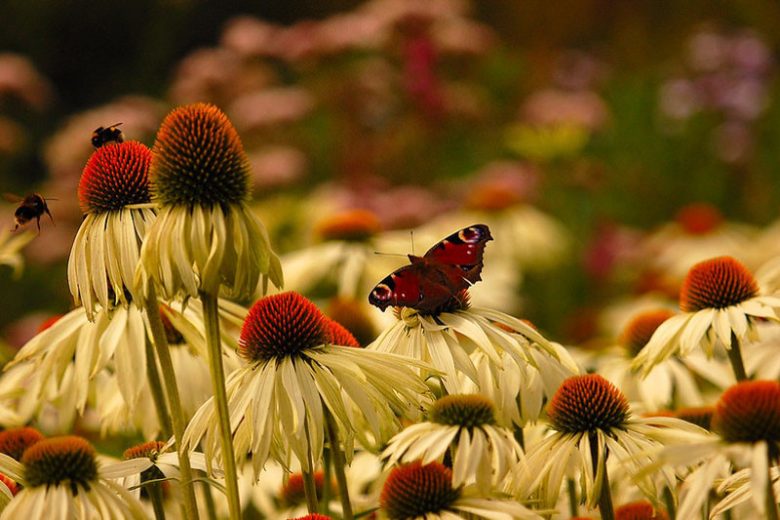
Pollinator Plants, Butterfly Plants, Hummingbird Plants, Bee Plants, Southeast Plants, Tennessee Native Plants, Native Plants

Great Pollinator Plants for Tennessee: Bloom Big, Feed Wildlife, Garden Easy

Tennessee stretches from Mississippi River bottoms to the Plateau and the Smokies, which means a long growing season and a huge menu of native plants that fuel bees, butterflies, moths, hummingbirds, and beneficial insects. The recipe is simple and friendly to any yard size: go native, stack bloom from spring through fall, match plants to sun and moisture, and skip pesticides. Everything below is distilled from the Southeast native list and tailored for Volunteer State gardens.

Quick Start – Pollinator Success in Tennessee

  • Go native: Choose species proven for the Southeast and ask for plants grown without systemic insecticides.
  • Stack the seasons: Mix early, mid, and late bloomers so pollen and nectar are always available.
  • Plant in drifts: Clumps of 5 to 7 of the same flower are easier for pollinators to find and revisit.
  • Right place, right plant: Wetland species along swales and pond edges, drought lovers on sunny slopes and berms.
  • Nesting habitat: Leave some hollow stems over winter and a few small bare soil patches for ground nesting bees.

Tennessee Habitats and What Thrives

Whether you garden in Memphis heat, Nashville neighborhoods, or Knoxville hillsides, you can build a pollinator corridor with the plants below. Use these quick picks as building blocks and mix freely to extend bloom and structure.

Sunny Meadows and Borders

These sun lovers power the summer engine and keep color rolling into fall

Guide Information

Native Plants Southeast, Tennessee, United States
Attracts Birds, Butterflies, Hummingbirds, Bees
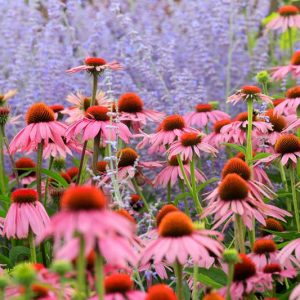
Echinacea purpurea (Purple Coneflower)
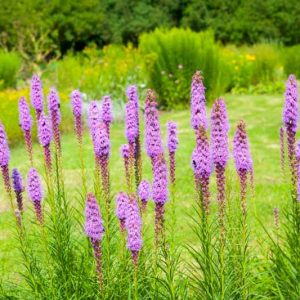
Liatris spicata (Blazing Star)
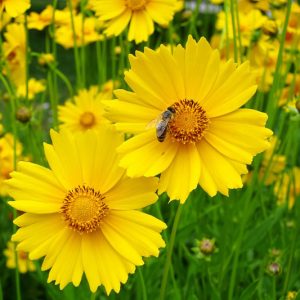
Coreopsis lanceolata (Lanceleaf Tickseed)
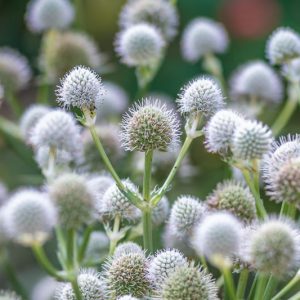
Eryngium yuccifolium (Rattlesnake Master)
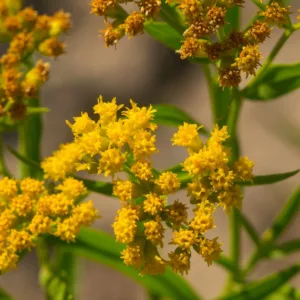
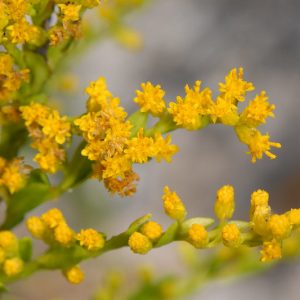
Euthamia graminifolia (Grass-Leaved Goldenrod)
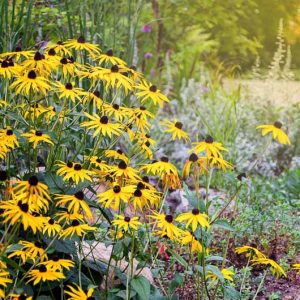
Rudbeckia hirta (Black-Eyed Susan)
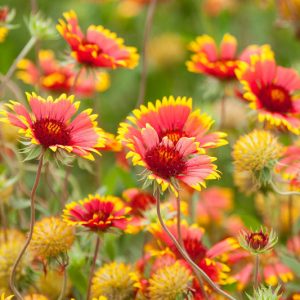
Gaillardia pulchella (Firewheel)
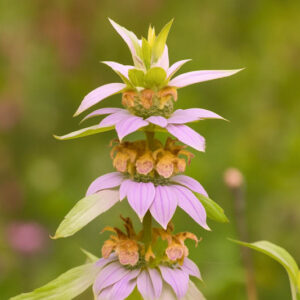
Monarda punctata (Spotted Bee Balm)
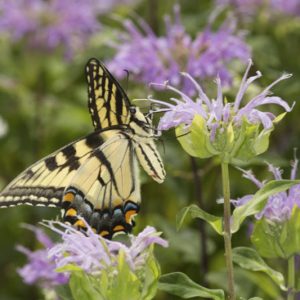
Monarda fistulosa (Wild Bergamot)
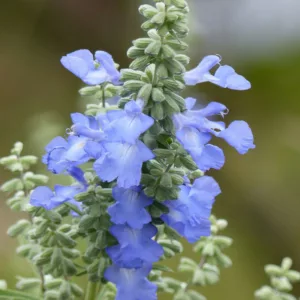
Salvia azurea (Blue Sage)
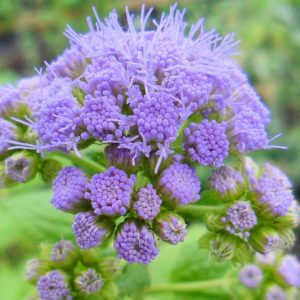
Conoclinium coelestinum (Blue Mistflower)
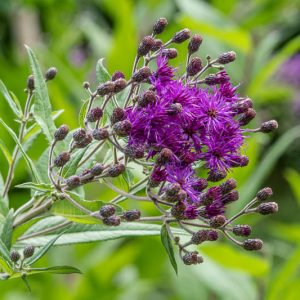
Vernonia gigantea (Giant Ironweed)
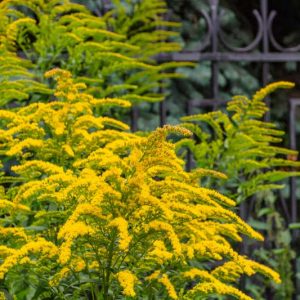
Solidago rugosa (Rough Goldenrod)
Symphyotrichum lateriflorum var. horizontale (Horizontal Calico Aster)
Verbesina virginica (Frostweed)

Woodland Edges and Bright Shade

Morning sun plus afternoon shade is perfect for these bloomers

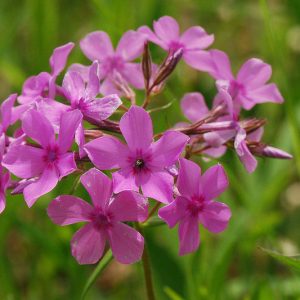
Phlox divaricata (Woodland Phlox)
Phlox pilosa (Prairie Phlox)
Symphyotrichum lateriflorum var. horizontale (Horizontal Calico Aster)
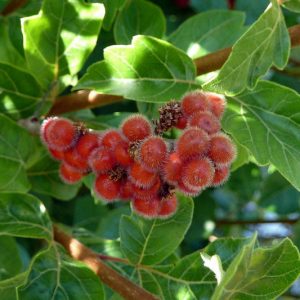
Rhus aromatica (Fragrant Sumac)
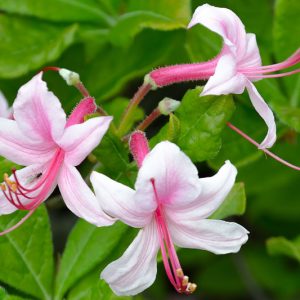
Rhododendron canescens (Mountain Azalea)
Ceanothus americanus (New Jersey Tea)
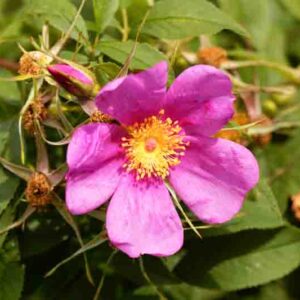
Rosa carolina (Carolina Rose)

Wet Spots, Swales, and Rain Gardens

Slow and sink stormwater while feeding wildlife

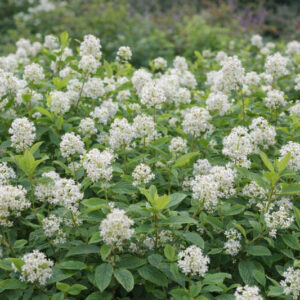
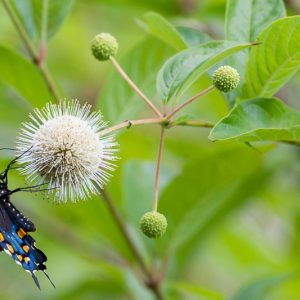
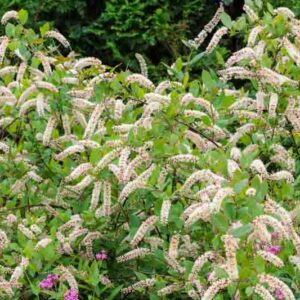
Cephalanthus occidentalis (Buttonbush)
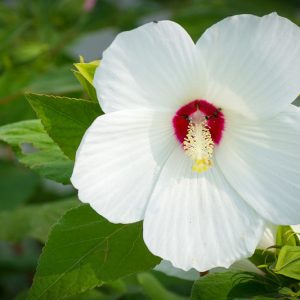
Hibiscus moscheutos (Hardy Hibiscus)
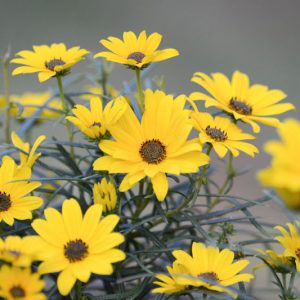
Helianthus angustifolius (Swamp Sunflower)
Itea virginica (Virginia Sweetspire)
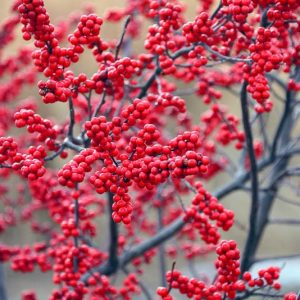
Ilex verticillata (Winterberry)
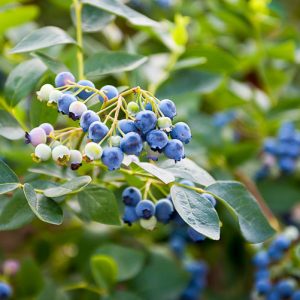
Vaccinium corymbosum (Highbush Blueberry)
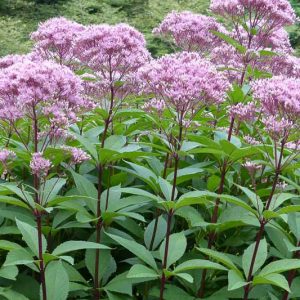
Eutrochium fistulosum (Joe-Pye Weed)
Conoclinium coelestinum (Blue Mistflower)

Coastal Plain and Sandy Sites

Hot, lean soils need plants that love it rough and dry

Gaillardia pulchella (Firewheel)
Monarda punctata (Spotted Bee Balm)
Solidago sempervirens (Seaside Goldenrod)
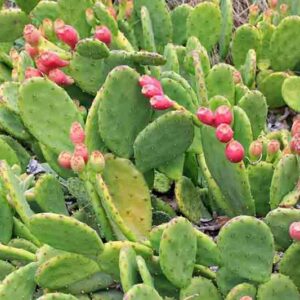
Opuntia humifusa (Eastern Prickly Pear)
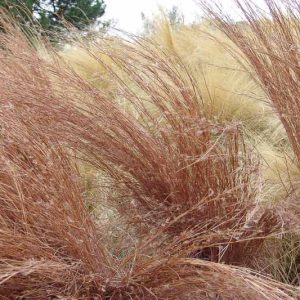
Schizachyrium scoparium (Little Bluestem)

Milkweeds and Friends – Support butterflies at every life stage

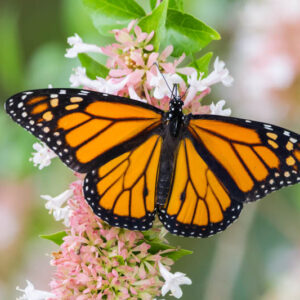
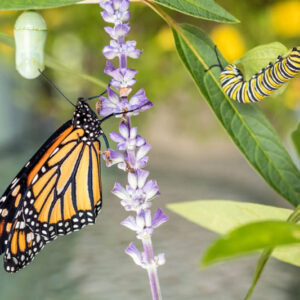
Monarchs and queens need milkweeds for caterpillars plus a rich nectar bar for adults. Mix several species to match your conditions.

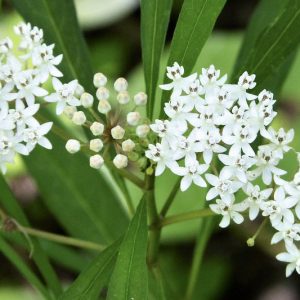
Asclepias perennis (Aquatic Milkweed)
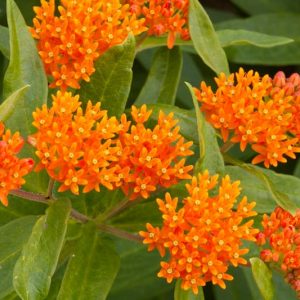
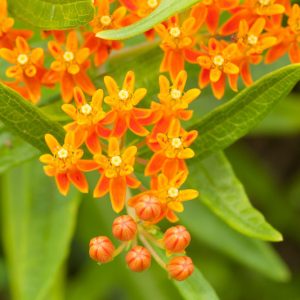
Asclepias tuberosa (Butterfly Milkweed)
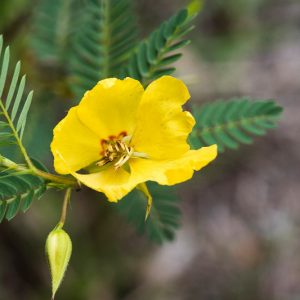
Chamaecrista fasciculata (Partridge Pea)
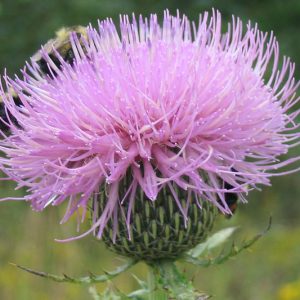
Cirsium altissimum (Tall Thistle)
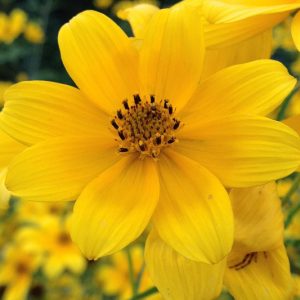
Bidens aristosa (Tickseed Sunflower)
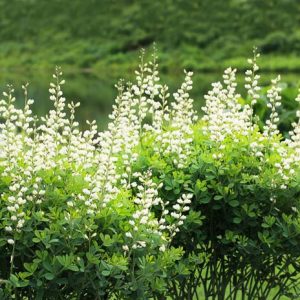
Baptisia alba (White Wild Indigo)

Hummingbird and Bee Magnets for Sun and Part Shade

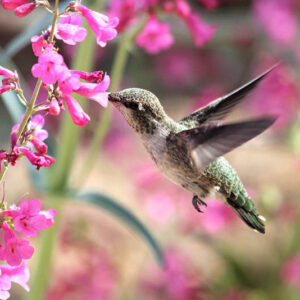
Aim for overlapping, tubular blossoms from spring to fall and give bees broad landing pads in the same bed. Add a few shrubs and vines to create flight lanes and windbreaks.

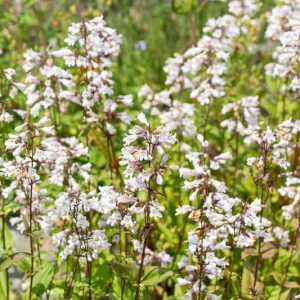
Penstemon digitalis (Foxglove Beardtongue)
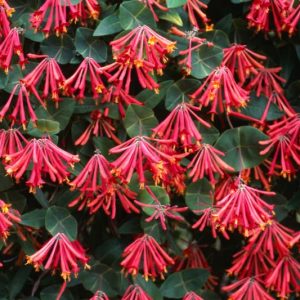
Lonicera sempervirens (Coral Honeysuckle)
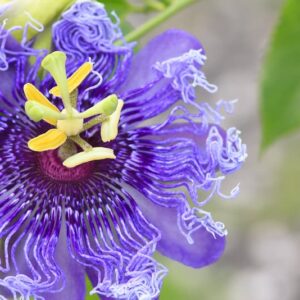
Passiflora incarnata (Maypop)
Rhododendron canescens (Mountain Azalea)
Physocarpus opulifolius (Common Ninebark)

Grasses, Shrubs, and Extras that Make the System Work

Flowers get the headlines, but structure turns a bed into habitat. Add grasses for nesting and perches, shrubs for cover and early bloom, and keep a brushy corner for winter shelter.

Ceanothus americanus (New Jersey Tea)
Rhus aromatica (Fragrant Sumac)
Rosa carolina (Carolina Rose)
Ilex verticillata (Winterberry)
Vaccinium corymbosum (Highbush Blueberry)
Schizachyrium scoparium (Little Bluestem)

Wildflower Backbone – Sun loving and long blooming

Blend early, mid, and late bloomers for a seamless runway of nectar and pollen. Try this high impact mix for a typical sunny Tennessee border.

Coreopsis lanceolata (Lanceleaf Tickseed)
Penstemon digitalis (Foxglove Beardtongue)
Phlox pilosa (Prairie Phlox)
Phlox divaricata (Woodland Phlox)
Echinacea purpurea (Purple Coneflower)
Liatris spicata (Blazing Star)
Monarda fistulosa (Wild Bergamot)
Monarda punctata (Spotted Bee Balm)
Eryngium yuccifolium (Rattlesnake Master)
Solidago rugosa (Rough Goldenrod)
Solidago sempervirens (Seaside Goldenrod)
Symphyotrichum laeve (Smooth Aster)
Symphyotrichum lateriflorum var. horizontale (Horizontal Calico Aster)
Verbesina virginica (Frostweed)
Salvia azurea (Blue Sage)

Design tips – pretty, practical, habitat rich

  • Sun first: Most nectar plants want 6 to 8 hours of sun. Place woodland edge species on the east or north side of trees and fences.
  • Height layers: Little bluestem and ironweed in the back, coneflower and gayfeather in the middle, spiderwort and beardtongue up front. This creates flight paths and cover.
  • Water smart: Deep, infrequent soaking builds resilient roots. Put water lovers like buttonbush and rosemallow where rain gathers and drains slowly.
  • Leave a little wild: Keep seed heads for winter birds and delay cutting hollow stems until late spring for cavity nesting bees.
  • Pesticide free: Even organic sprays can harm beneficials. Ask nurseries for plants free of systemic insecticides.

Sample 12 plant palette – small yard, big impact

About a 10 by 14 ft bed. Repeat in blocks for larger spaces and weave shrubs along the edges.

  • Early color and pollen: Coreopsis lanceolata, Tradescantia ohiensis, Penstemon digitalis.
  • Summer engine: Echinacea purpurea, Liatris spicata, Monarda fistulosa, Rudbeckia hirta.
  • Late season fuel: Conoclinium coelestinum, Vernonia gigantea, Solidago rugosa, Symphyotrichum laeve.
  • Structure and nursery: Schizachyrium scoparium in back, Asclepias tuberosa in front, Lonicera sempervirens on a simple trellis.

Soil, water, and maintenance – Tennessee easy

  • Soil prep: Loosen planting zones and add a light topdress of compost for upland species. Do not over amend sandy soils.
  • Mulch matters: Two inches of leaves, pine straw, or fine bark preserve moisture and buffer heat. Keep mulch a hand width away from woody stems.
  • Watering: Water deeply the first season. Then shift to weather based irrigation. Moisture lovers like aquatic milkweed and rosemallow appreciate even moisture.
  • Fertilizer: Most natives perform without it. If growth looks pale on poor soils, use a light, slow release feed in early spring.
  • Pest control: Encourage beneficial insects by diversifying bloom. Hand pick or prune when needed and avoid insecticides.

Frequently Asked Questions

What are the best native pollinator plants for Tennessee?

Mix long blooming wildflowers with shrubs and grasses. Great picks from the list include purple coneflower, black eyed Susan, wild bergamot, spotted beebalm, gayfeather, goldenrods, asters, ironweed, mountainmint, buttonbush, coral honeysuckle, and little bluestem.

I am new. What is the simplest Tennessee pollinator palette to start with?

Choose 3 species per season. Spring – beardtongue, spiderwort, lanceleaf coreopsis. Summer – coneflower, gayfeather, wild bergamot. Fall – wrinkleleaf goldenrod, smooth blue aster, blue sage. Plant in clumps of 3 to 5.

What should I plant for hummingbirds?

Coral honeysuckle, wild bergamot, beardtongue, mountain azalea, and cardinal red tints from rosemallow. Add Chickasaw plum for very early bloom.

Which natives are best for bees?

Mountainmints, beebalms, sunflowers, coreopsis, partridge pea, asters and goldenrods. Provide continuous bloom and some bare soil for ground nesters.

Which plants support butterflies and moths?

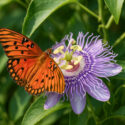
Host plants include passionflower for gulf fritillary, various trees and shrubs like Chickasaw plum for early nectar, and all three milkweeds listed for monarchs. Nectar mainstays include coneflower, ironweed, Joe Pye weed, buttonbush, and gayfeather.

Do I need milkweed for monarchs in Tennessee?

Yes. Favor natives like aquatic milkweed, butterfly milkweed, and redring milkweed. Avoid tropical milkweed or cut it to the ground every winter if it sneaks in.

Ready to plant

Pick 8 to 12 species that match your sun and moisture. Plant in generous clumps so pollinators can navigate easily, and include larval host plants like milkweeds and passionflower if you want to raise the next generation of butterflies. With Tennessee natives you are building a living pantry and a nursery, not just a pretty border. Have fun, keep notes on what blooms when, and add a couple of new species each season to widen the buffet.

References

Updated: November 2025 • Reviewed by Gardenia Editors

Recommended Guides

Monarch Nectar Plants for Tennessee
The Ultimate Guide to Native Plants for a Beautiful Garden
The Ultimate Guide to Wildlife-Friendly Plants for a Beautiful Garden
Monarch Butterfly
Eastern Tiger Swallowtail Butterfly
Butterflies Unveiled: A Host Plant Love Story in Your Garden
30 Fascinating Butterfly Facts You Need to Know
Grow Milkweed, Save Monarch Butterflies: A Step-by-Step Guide
Penstemon and Pollinators: A Harmonious Dance in the Garden
Explore Great Plant Combination Ideas
Middle South
Guides with
Middle South Tennessee
While every effort has been made to describe these plants accurately, please keep in mind that height, bloom time, and color may differ in various climates. The description of these plants has been written based on numerous outside resources.

Guide Information

Native Plants Southeast, Tennessee, United States
Attracts Birds, Butterflies, Hummingbirds, Bees
Explore Great Plant Combination Ideas
Middle South
Guides with
Middle South Tennessee

Related Items

Please Login to Proceed

You Have Reached The Free Limit, Please Subscribe to Proceed

Subscribe to Gardenia

To create additional collections, you must be a paid member of Gardenia
  • Add as many plants as you wish
  • Create and save up to 25 garden collections
Become a Member

Plant Added Successfully

You have Reached Your Limit

To add more plants, you must be a paid member of our site Become a Member

Update Your Credit
Card Information

Cancel

Create a New Collection

Sign Up to Our Newsletter

    You have been subscribed successfully

    Join Gardenia.net

    Create a membership account to save your garden designs and to view them on any device.

    Becoming a contributing member of Gardenia is easy and can be done in just a few minutes. If you provide us with your name, email address and the payment of a modest $25 annual membership fee, you will become a full member, enabling you to design and save up to 25 of your garden design ideas.

    Join now and start creating your dream garden!

    Join Gardenia.net

    Create a membership account to save your garden designs and to view them on any device.

    Becoming a contributing member of Gardenia is easy and can be done in just a few minutes. If you provide us with your name, email address and the payment of a modest $25 annual membership fee, you will become a full member, enabling you to design and save up to 25 of your garden design ideas.

    Join now and start creating your dream garden!
    Find your Hardiness Zone

    Find your Heat Zone

    Find your Climate Zone