Maypop, Purple Passionflower, Purple Passion Vine, Apricot Vine, Passionflower, Passion Vine, Maypops
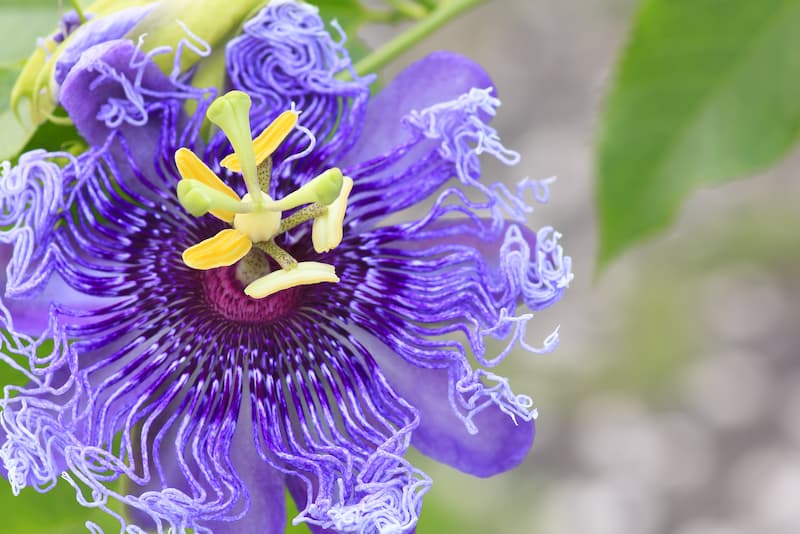
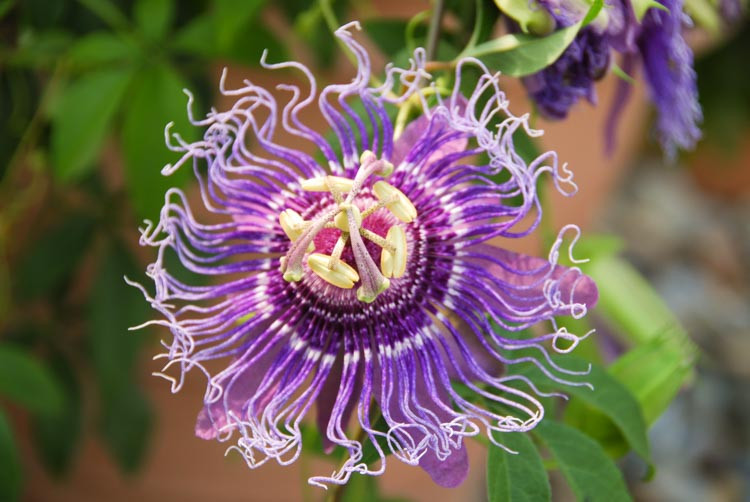


Passiflora incarnata, better known as maypop, is a hardy, fast-growing passion vine with intricate blooms, edible fruit, and serious pollinator cred. Unlike its tropical cousins, this perennial climber can survive freezing winters and “pop” right back up in spring—hence the name maypop. Native to the southeastern U.S., it’s a garden treasure for folks who want exotic flair without the tropical fuss.
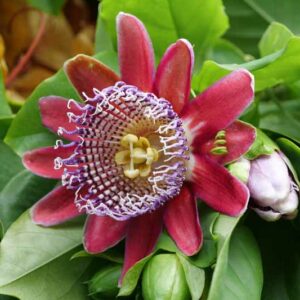
Maypop is part of the Passifloraceae family and the Passiflora genus, which includes other stunners like P. edulis (passion fruit), P. coccinea, P. alata, P. racemosa, P. lutea, and the ravishing P. caerulea. While those vines wow with juicy tropical fruit, maypop wins hearts with its resilience, its lavender-hued flowers, and its role as a butterfly magnet.
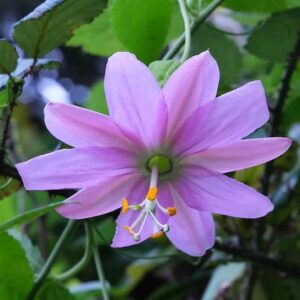
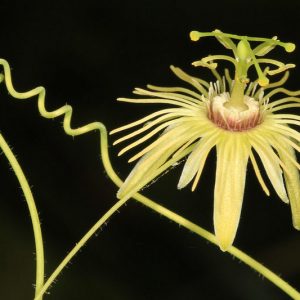
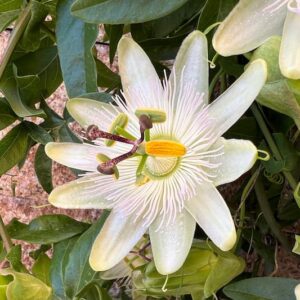
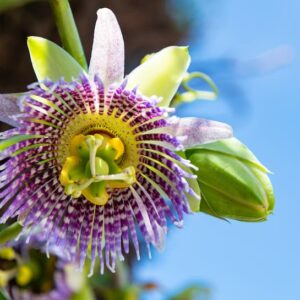
Maypop is a herbaceous perennial vine with trailing or climbing stems, coiled tendrils, and glossy green leaves. It’s a true standout when in bloom, flaunting 3-inch-wide (7 cm) purple-and-white flowers with a wild, sci-fi look. The blooms have prominent styles and stamens, with a corona of silky filaments that radiate out like a spiky halo. Pollinators love them—and so will you.
This vine is native to the southeastern and central United States. It’s commonly found in open fields, roadsides, riverbanks, and forest edges from Florida to Texas, and as far north as Illinois and Pennsylvania. It thrives in sunny spots and is especially common in disturbed areas where it can spread freely.
Maypop grows quickly through summer, scrambling over fences, shrubs, or anything in its path. It dies back to the ground each winter, but don’t worry—it returns vigorously each spring from its underground rhizomes. Left unchecked, it can spread through suckers and form a dense patch, so plan ahead if you want to keep it tidy.
This vine can grow 10–20 feet (3–6 m) long in a season. Leaves are typically 4–6 inches (10–15 cm) long, three-lobed, and deeply veined. The flowers measure about 3 inches (7–8 cm) across, while the fruits are roughly the size of a chicken egg—2 inches (5 cm) wide, 2–3 inches (5–7.5 cm) long.
The iconic blooms appear from midsummer through early fall. Each flower lasts just one day, but new ones open daily over several weeks. While self-sterile, maypop flowers are easily pollinated by bees—especially carpenter and bumblebees. Their complex structure is a joy to study up close and a standout in any pollinator garden. Passion Flower vs Passion Fruit: What’s the Difference?
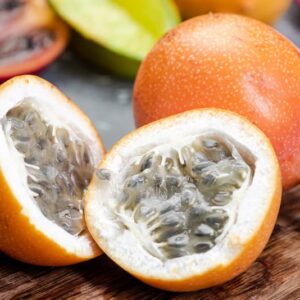
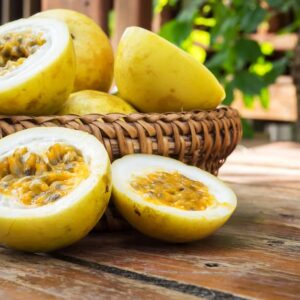
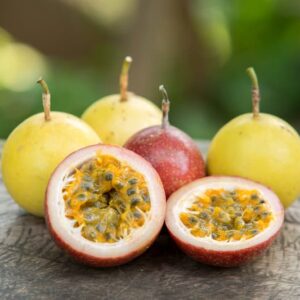
Called “maypops” for the way they pop when stepped on, these oval fruits ripen to yellow-green or golden-orange. Inside, the pulp is gelatinous, mildly sweet, and subtly aromatic—perfect for eating fresh or turning into juice, jelly, or even sorbet. The seeds are edible but a bit bitter, so they’re often strained out in recipes. Passion Fruit Guide: How to Grow, Choose, and Enjoy Every Variety.
Maypop’s leaves are alternate and three-lobed, occasionally five-lobed. At the base of each leaf are small nectar glands (extrafloral nectaries), which attract ants and beneficial insects. The foliage stays lush and green through the season and provides excellent coverage for trellises or fencing.
This is where maypop shines. It’s hardy to USDA zone 6, and possibly colder with protection. It can survive temperatures down to -20°F (-29°C), making it one of the most cold-tolerant species in the passionflower family. In zones 6–8, it will die back completely in winter and re-emerge in spring like nothing ever happened. Best Climbing Plants That Thrive in USDA Zone 8
Maypop is a butterfly powerhouse. Its leaves are a food source for caterpillars of the Gulf fritillary, Zebra longwing, and Julia butterflies. The flowers feed bees and hummingbirds, while the fruits attract songbirds, turkeys, and other wildlife. It’s a must-have if you’re building a pollinator-friendly or wildlife garden. Wildlife-Friendly Plants: Attract Bees, Butterflies & Birds
While the fruits of Passiflora incarnata are perfectly safe and enjoyed fresh or in recipes, other parts of the plant—especially the leaves and stems—should be treated with caution. These parts contain cyanogenic glycosides, natural compounds that can release cyanide in the body if consumed in large quantities.
Although Maypop is often used in herbal remedies, ingestion of concentrated leaf preparations may lead to moderate poisoning symptoms, including nausea, vomiting, drowsiness, and even irregular heartbeat. It’s best to avoid self-medicating with leaf teas or extracts unless under professional guidance.
This plant is also potentially toxic to dogs, cats, horses, and children if they chew on or ingest the leaves or stems. The fruit, when fully ripe, is non-toxic and edible.
While maypop is native and not considered invasive in its home range, it can spread aggressively in the garden via underground runners. In well-tended beds, it’s best planted in a container or where its spread can be managed. Mulching and regular sucker removal help keep things under control.
While less cultivated than Passiflora edulis, Maypop is surprisingly nutritious. Here’s what you’ll find in 100g of the fruit pulp:
| Nutrient | Amount (Per 100g Pulp) |
|---|---|
| Calories | 97 kcal |
| Vitamin C | 30-100 mg |
| Vitamin A | 64 mcg |
| Potassium | 348 mg |
| Magnesium | 29 mg |
| Fiber | 10.4 g |
Many of Maypop’s wellness benefits come from its edible fruit and, to a lesser extent, its leaves—though caution is advised with leaf use. Here’s a breakdown of what this native vine offers:
Maypop (Passiflora incarnata) is one of the easiest passionflowers to grow—especially if you live in the southeastern U.S. or anywhere with warm summers and mild winters. It’s tough, fast-growing, and rewards gardeners with stunning blooms and juicy fruit. Here’s how to grow it successfully in your garden.
Maypop is hardy in USDA zones 6–11 and can survive winter temperatures down to -20°F (-29°C). It dies back to the ground in winter and regrows in spring from underground rhizomes. Perfect for temperate regions where tropical passionflowers wouldn’t stand a chance.
Plant your maypop in full sun—it loves bright light and will bloom best when it gets at least 6 hours of direct sunlight per day. It can tolerate partial shade but expect fewer flowers and fruit.
Maypop isn’t picky but thrives in well-drained, sandy or loamy soil with a slightly acidic to neutral pH (6.1 to 7.5). It tolerates clay, some acidity, and even occasional wet spots, but avoid areas with standing water.
This native vine is fairly drought-tolerant once established but performs best with moderate, consistent moisture. Water deeply during dry spells, especially in the flowering and fruiting seasons. Mulch around the base to retain soil moisture and suppress weeds.
Maypop isn’t greedy, but a spring application of compost or a balanced fertilizer (like 10-10-10) can give it a good boost. Don’t overdo nitrogen—it can encourage leafy growth at the expense of flowers and fruit.
Give your maypop something to climb—fences, arbors, trellises, or even other shrubs will work. It climbs using tendrils and can sprawl aggressively if left unsupported. Training it up a vertical structure also improves airflow and fruit access.
Plant maypops about 3 to 5 feet (1–1.5 meters) apart to allow room for spreading. If you’re planting them near other plants, give them space—they grow fast and will take over anything too close.
Prune dead stems in late winter or early spring before new growth starts. During the growing season, you can trim back wayward vines to keep things tidy or encourage branching. Maypop can spread underground, so you might also need to remove suckers to prevent unwanted expansion.
You can grow maypop in a large container, especially in cooler zones where you want to control spread or overwinter the roots. Use a deep pot with excellent drainage, a rich potting mix, and provide strong support. In containers, water and feed more frequently.
With just a little care, this hardy vine will reward you with months of blooms, plenty of pollinators, and sweet-tart fruit that truly pops with flavor.
Harvesting maypop fruit is one of the most rewarding parts of growing this beautiful native vine. The egg-shaped fruit develops in late summer through fall and signals its readiness with color, aroma, and a gentle “pop” when ripe. Here’s how to know when—and how—to harvest maypop fruit.
Maypops are typically ready to harvest 2–3 months after flowering. The unripe fruit is green, but as it ripens, it turns yellowish-green to pale orange and may drop from the vine on its own. Ripe fruit is slightly soft to the touch and often emits a fragrant, tropical scent. If you see fruits on the ground beneath the vine, pick them up right away—they’re usually at peak ripeness.
You can harvest by hand when the fruit starts to soften and turn color. Gently twist or snip it from the vine using clean pruning shears. If you’re unsure, wait for the fruit to fall naturally—this often indicates optimal flavor and sugar content.
Inside, the fruit contains a jelly-like pulp surrounding dozens of black seeds. The pulp is sweet and tart with a fruity, slightly floral flavor. The seeds are edible but can be bitter—many people prefer to strain them out when juicing.
With a little patience, your maypop vine will produce not just stunning flowers but also uniquely delicious fruit that adds a wild, native twist to your garden harvests.
Want more of this beautiful, vigorous vine? Luckily, Passiflora incarnata is easy to propagate. Whether you start from seed, root cuttings, or division, maypop is eager to grow and spread. Here’s how to multiply your vines and share the love (or tame the chaos).
While maypop is generally low-maintenance, it can still fall prey to a range of pests and diseases — especially when growing in ideal conditions. Knowing what to look out for can help keep your vine healthy and thriving.
Insects that snack on maypop include:
With regular monitoring and a bit of prevention, you can keep your maypop vine lush, flowering, and fruiting all season long.
| Hardiness |
6 - 11 |
|---|---|
| Heat Zones |
7 - 10 |
| Climate Zones | 4, 5, 6, 7, 8, 9, 10, 12, 13, 14, 15, 16, 17, 18, 19, 20, 21, 22, 23, 24, H1, H2 |
| Plant Type | Climbers |
| Plant Family | Passifloraceae |
| Genus | Passiflora |
| Common names | Passion Flower |
| Exposure | Full Sun, Partial Sun |
| Season of Interest | Summer (Mid, Late), Fall |
| Height | 20' - 25' (6.1m - 7.6m) |
| Spread | 10' - 20' (3m - 6.1m) |
| Spacing | 36" - 60" (90cm - 150cm) |
| Maintenance | Average |
| Water Needs | Low, Average |
| Soil Type | Clay, Loam, Sand |
| Soil pH | Acid, Alkaline, Neutral |
| Soil Drainage | Moist but Well-Drained |
| Characteristics | Fragrant, Showy, Fruit & Berries |
| Native Plants | United States, Northeast, Pennsylvania, Delaware, Maryland, Illinois, Indiana, Kansas, Midwest, Missouri, Ohio, Southeast, Louisiana, Mississippi, North Carolina, South Carolina, Tennessee, Virginia, West Virginia, Alabama, Arkansas, Florida, Georgia, Kentucky, Southwest, Texas, Oklahoma |
| Tolerance | Dry Soil, Clay Soil, Drought |
| Attracts | Bees, Birds, Butterflies, Hummingbirds |
| Garden Uses | Arbors, Pergolas, Trellises, Patio And Containers, Wall-Side Borders, Walls And Fences |
| Garden Styles | Butterfly Garden, City and Courtyard, Informal and Cottage, Mediterranean Garden, Pollinator Garden |


| Hardiness |
6 - 11 |
|---|---|
| Heat Zones |
7 - 10 |
| Climate Zones | 4, 5, 6, 7, 8, 9, 10, 12, 13, 14, 15, 16, 17, 18, 19, 20, 21, 22, 23, 24, H1, H2 |
| Plant Type | Climbers |
| Plant Family | Passifloraceae |
| Genus | Passiflora |
| Common names | Passion Flower |
| Exposure | Full Sun, Partial Sun |
| Season of Interest | Summer (Mid, Late), Fall |
| Height | 20' - 25' (6.1m - 7.6m) |
| Spread | 10' - 20' (3m - 6.1m) |
| Spacing | 36" - 60" (90cm - 150cm) |
| Maintenance | Average |
| Water Needs | Low, Average |
| Soil Type | Clay, Loam, Sand |
| Soil pH | Acid, Alkaline, Neutral |
| Soil Drainage | Moist but Well-Drained |
| Characteristics | Fragrant, Showy, Fruit & Berries |
| Native Plants | United States, Northeast, Pennsylvania, Delaware, Maryland, Illinois, Indiana, Kansas, Midwest, Missouri, Ohio, Southeast, Louisiana, Mississippi, North Carolina, South Carolina, Tennessee, Virginia, West Virginia, Alabama, Arkansas, Florida, Georgia, Kentucky, Southwest, Texas, Oklahoma |
| Tolerance | Dry Soil, Clay Soil, Drought |
| Attracts | Bees, Birds, Butterflies, Hummingbirds |
| Garden Uses | Arbors, Pergolas, Trellises, Patio And Containers, Wall-Side Borders, Walls And Fences |
| Garden Styles | Butterfly Garden, City and Courtyard, Informal and Cottage, Mediterranean Garden, Pollinator Garden |
How many Passiflora incarnata (Maypop) do I need for my garden?
| Plant | Quantity | |
|---|---|---|
| Passiflora incarnata (Maypop) | N/A | Buy Plants |
Create a membership account to save your garden designs and to view them on any device.
Becoming a contributing member of Gardenia is easy and can be done in just a few minutes. If you provide us with your name, email address and the payment of a modest $25 annual membership fee, you will become a full member, enabling you to design and save up to 25 of your garden design ideas.
Join now and start creating your dream garden!
Create a membership account to save your garden designs and to view them on any device.
Becoming a contributing member of Gardenia is easy and can be done in just a few minutes. If you provide us with your name, email address and the payment of a modest $25 annual membership fee, you will become a full member, enabling you to design and save up to 25 of your garden design ideas.
Join now and start creating your dream garden!