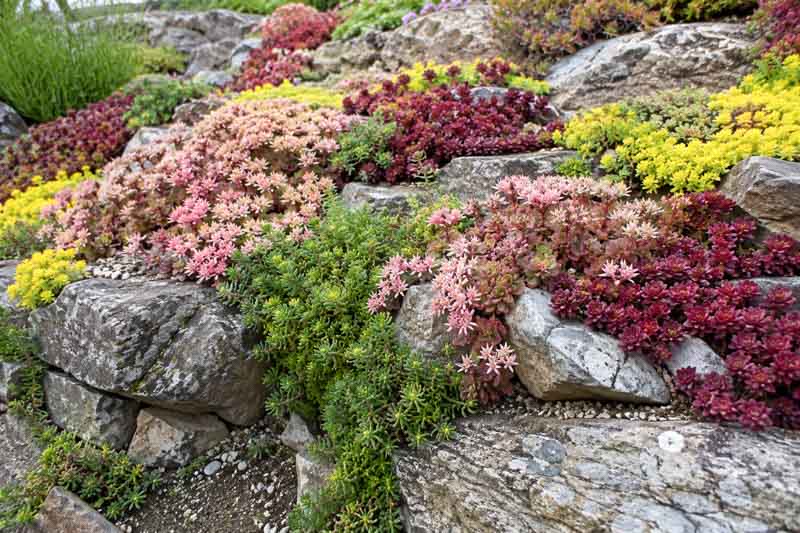
Groundcover Planting Guides for Banks & Slopes
Planting a slope can feel like an uphill battle. Water runs off before it reaches the roots, mulch slides downhill, weeds spread into bare patches, and mowing can be difficult or dangerous. Fortunately, the right groundcover planting techniques for banks and slopes can help turn a troublesome hillside into a beautiful, more manageable garden. Explore practical guidance on planting groundcovers on steep slopes, reducing surface erosion, choosing erosion-control plants, spacing creeping shrubs, managing runoff, and establishing low-maintenance hillside plantings. Whether you’re working with a sunny bank, a dry woodland slope, or an exposed front-yard incline, learn how to plan a planting that suits your conditions and stands a better chance of thriving.
Learn How to Assess Your Slope, Choose Groundcovers, and Reduce Surface Erosion
Before choosing plants, take a careful look at the hillside itself. Is it a gentle bank beside the lawn, a dry slope below a retaining wall, or a steep incline where soil washes away after heavy rain? These situations demand different approaches.
Start with six questions about your slope:
- How steep is it? Gentle slopes are often easier to plant and maintain. Steeper banks may need erosion-control materials, stable access, drainage improvements, or professional assessment.
- Where does the water go? Observe runoff after rain. Water can travel rapidly across compacted soil, collect near the base, or concentrate in channels that wash away newly planted material.
- What is the soil like? Sandy soil may drain rapidly and erode easily, while heavy clay can become slippery, compacted, or saturated. Check soil structure and drainage before selecting plants.
- How much sun does the slope receive? South- or west-facing banks in the Northern Hemisphere can become particularly hot and dry, while shaded slopes beneath trees may have substantial root competition.
- Is the slope stable? Look for deep cracks, fresh gullies, leaning retaining structures, exposed roots, or recent soil movement. These warning signs require more than ornamental planting.
- Can you reach it safely? Consider how you’ll plant, water, weed, and occasionally trim the groundcovers without having to stand or work on an unsafe incline.
How do groundcovers help control erosion? Their leaves and stems can intercept rainfall and protect the soil surface, while their roots help bind the upper soil layers. Established vegetation may also reduce some surface runoff and improve soil cover.
Are groundcovers enough for a steep hillside? Not necessarily. Plants alone cannot correct deep-seated slope instability, uncontrolled runoff, landslides, or structural failures. Sites with significant soil movement, drainage problems, or nearby buildings and retaining walls may need professional evaluation before planting.
Which plants work best? Consider a combination of growth habits. Creeping junipers offer woody evergreen coverage on sunny banks, spreading perennials fill gaps, and suitable shrubs or grasses contribute additional rooting structures. The right combination depends on your climate and soil.
A common misconception: The fastest-spreading groundcover is not automatically the best erosion-control plant. Root development, site adaptation, coverage density, winter performance, and long-term manageability are more important than growth speed alone.
Gardenia’s advice: Treat a hillside as a planting environment with its own conditions rather than simply a flat garden bed tilted at an angle. Different parts of the slope may have different sunlight and moisture levels.
Start with Gardenia’s 25 Best Plants for Slopes and Erosion Control, then explore Banks and Slopes Landscaping Ideas.
Discover How to Plant, Space, Water, and Establish Groundcovers on a Hillside
The first growing season is often the most important period for a newly planted slope. Until roots become established, rain can wash exposed soil downhill, while hot weather may dry out new plants before they can spread.
Seven practical steps for planting a bank or slope:
- Deal with runoff first: Check whether water from roofs, paths, downspouts, or neighboring areas flows directly onto the slope. Correct concentrated runoff where appropriate before expecting plants to control the problem.
- Control existing weeds: Remove persistent weeds and invasive vegetation carefully, minimizing unnecessary soil disturbance. On vulnerable slopes, clearing all vegetation at once can increase erosion.
- Choose suitable plants: Match species to the site’s sunlight, drainage, hardiness, water availability, and maintenance access. Consider a mix of groundcovers and deeper-rooted plants where appropriate.
- Prepare individual planting areas: Work carefully without excessively loosening the entire bank. Where safe and appropriate, create a stable planting pocket so the root ball sits securely and water can penetrate the surrounding soil.
- Plant at the correct depth: Keep the root-ball surface at the appropriate finished soil level and make sure roots are in firm contact with the surrounding ground. Avoid leaving exposed root balls or creating pockets that channel runoff.
- Protect the soil during establishment: On erosion-prone slopes, suitable biodegradable erosion-control blankets or other site-appropriate temporary protection can help keep soil in place while vegetation develops. Select materials and installation methods according to the slope and site conditions.
- Water and monitor: Newly installed plants need appropriate moisture until rooted. Inspect the planting after heavy rainfall for exposed roots, soil movement, displaced mulch, or runoff channels.
How far apart should groundcovers be planted? Spacing depends on mature spread, rooting habit, soil conditions, and the desired coverage. Creeping junipers that eventually spread several feet need a different layout from small flowering perennials or sedges.
Should plants be arranged in rows? On suitable slopes, a staggered or offset arrangement often looks more natural than straight vertical lines. It may also avoid creating long, uninterrupted gaps running downhill. However, planting layout does not replace appropriate erosion-control measures.
How do you calculate planting quantities? Measure the planting area along the slope’s surface rather than relying only on its flat horizontal footprint. For a rectangular slope, the surface distance from top to bottom can be longer than the horizontal distance. Use individual plant spacing and mature spread to estimate quantities.
What mulch works best on a bank? Loose mulch can wash downhill during storms, particularly on steep or exposed slopes. The appropriate choice depends on slope angle, drainage, vegetation, and local conditions. Avoid relying on mulch alone for erosion protection.
How should you irrigate a slope? Water slowly enough to encourage infiltration rather than runoff. Drip irrigation can be useful when carefully designed for the slope, but differences in elevation and soil conditions may affect delivery. Inspect the upper and lower parts of the bank separately rather than assuming all plants receive equal moisture.
How long before groundcovers fill in? Some spreading perennials may develop substantial coverage within a few growing seasons, while slower evergreen shrubs can take longer. Plant size, spacing, rainfall, soil, and growing conditions all influence establishment.
Should you fertilize newly planted slopes? Not automatically. Excess fertilizer may encourage soft growth or runoff and is unnecessary where existing soil nutrients are adequate. Match amendments to soil conditions and plant needs.
Find additional advice in Gardenia’s Drought-Tolerant Groundcovers Guide, Best Plants for Sandy Soil and Drought, and Low-Growing Sedums and Their Spreading Habits.
Learn How to Maintain a Low-Maintenance Slope with Healthy, Attractive Groundcovers
Once a hillside planting becomes established, groundcovers can reduce the amount of exposed soil and eliminate the need to mow some difficult areas. But a low-maintenance slope is not a maintenance-free slope.
The best long-term results come from choosing manageable plants and making regular inspections without disturbing the soil unnecessarily.
Five ways to keep a planted slope healthy:
- Inspect after heavy rain: Look for newly exposed soil, displaced plants, erosion channels, standing water, and damage near paths or retaining structures.
- Control weeds early: Remove invasive and persistent weeds before they establish extensive roots among the groundcovers. Avoid stripping large areas of vegetation from erosion-prone soil.
- Manage spreading plants: Keep vigorous groundcovers away from drainage channels, paths, neighboring beds, and natural habitats where they may become invasive.
- Adjust watering: The upper portion of a bank may dry out faster than the base. Check actual soil moisture and plant stress rather than applying the same irrigation blindly throughout the planting.
- Maintain safe access: Provide a suitable route or work area for necessary inspections and seasonal care. Avoid climbing or working on unstable, slippery, or excessively steep slopes.
What should you do if a new plant dies? Investigate the cause before replacing it. Drought, poor drainage, erosion around the roots, unsuitable sunlight, and winter stress can all contribute. Repeated failure in the same spot may indicate a site problem rather than a poor plant choice.
Should you cut back groundcovers every year? It depends on the plant. Creeping junipers generally need minimal pruning, while some flowering groundcovers benefit from tidying after blooming. Avoid severe cutting into old, bare juniper branches, which may not regenerate.
What about autumn and winter? Evergreen plants retain structure, while ornamental grasses and some deciduous perennials provide stems or seedheads. Leave suitable vegetation in place where it contributes soil protection, and avoid unnecessary disturbance during wet weather.
Can you replace a lawn on a steep bank? Often, yes, particularly where mowing is inconvenient or unsafe. However, most groundcovers aren’t suitable for regular foot traffic, so they should be used in planted areas rather than as walkable grass substitutes.
What about wildlife-friendly slopes? Regionally native shrubs, sedges, grasses, and flowering plants can offer food and habitat while helping create planted coverage. Check that they are appropriate for your soil, climate, and the slope’s exposure.
When is professional help necessary? Seek qualified advice if the bank shows active soil movement, repeated deep erosion, significant drainage problems, cracks near buildings, or a failing retaining wall. Plants can support surface-soil protection, but they cannot correct these structural problems.
Gardenia’s practical recommendation: Aim for a stable, well-covered planting that can be maintained safely. Beautiful seasonal flowers are a bonus, but appropriate plant selection, establishment, and long-term soil protection come first.
Explore Gardenia’s Drought-Tolerant Garden Design and Care Guide, Deer-Resistant Groundcovers for Sun and Shade, and 25 Best Plants for Slopes.