Shrub & Grass Planting Guides for Slopes
Wondering how to turn a difficult hillside into a beautiful garden without spending every weekend mowing, weeding, or struggling with plants that won’t establish? Shrubs and ornamental grasses for banks and slopes offer an attractive alternative to conventional lawn, bringing natural structure, seasonal color, and movement to uneven ground. Our hillside planting guides explain how to choose compatible shrubs and grasses, arrange plants on sloping terrain, manage runoff, establish strong roots, and create a garden that’s easier to care for as it matures. Whether you’re landscaping a sunny bank, a dry prairie-style slope, or a partially shaded hillside, discover practical design ideas and growing advice to help your planting flourish.
Learn How to Design a Beautiful Hillside with Shrubs and Ornamental Grasses
A beautiful shrub-and-grass hillside has a natural rhythm. Low shrubs spread across the bank, taller grasses create graceful vertical accents, and repeated groups of plants follow the shape of the land. The planting feels relaxed, but the most successful designs begin with a careful assessment of the site.
What makes shrubs and grasses suitable for slopes? Woody shrubs can provide lasting foliage and branching structure, while suitable ornamental grasses introduce contrasting textures, seasonal interest, and fibrous or otherwise substantial root systems. Together, they can contribute to surface soil protection when properly established.
Six steps to planning a hillside garden:
- Assess the slope: Determine its steepness, soil condition, drainage, and stability. Watch how water moves downhill during rainfall and note areas where erosion has already occurred.
- Observe sun and shade: A south-facing slope in the Northern Hemisphere may be hot and exposed, while a shaded bank beneath trees may experience considerable root competition and limited available moisture.
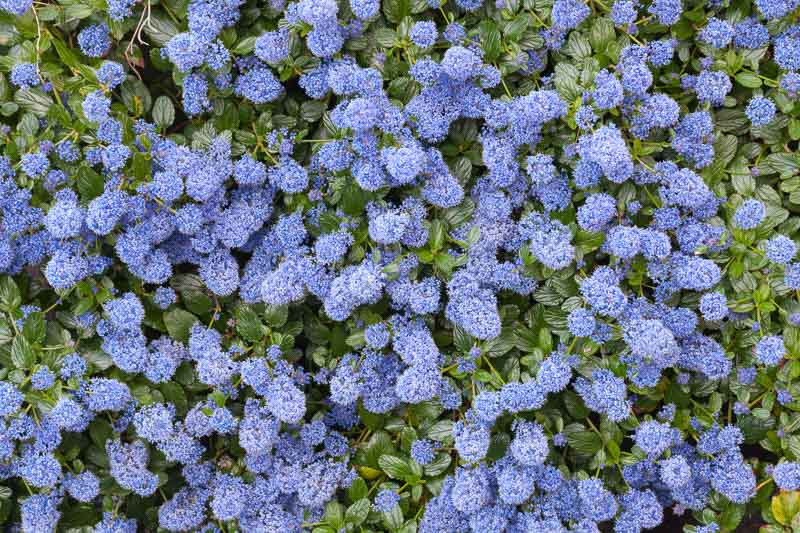
- Choose structural shrubs first: Select appropriate evergreen or deciduous shrubs according to mature width, height, and natural growth habit. Low-growing junipers, regionally appropriate ceanothus, and other spreading shrubs can establish the main framework.
- Add complementary grasses: Use upright species for height, rounded clumps for softer movement, and suitable low-growing sedges where a closer ground layer is needed.
- Repeat plants in loose groups: Rather than placing every specimen at equal distances in rigid rows, arrange compatible plants in staggered drifts that follow the hillside’s contours.
- Plan for maintenance: Consider how plants will be watered, inspected, and occasionally pruned. Avoid designs requiring frequent work on an unsafe or inaccessible bank.
How should shrubs and grasses be arranged? On a slope viewed mainly from below, large shrubs and taller grasses often work best toward the upper or rear sections, with smaller plants lower down. But don’t apply this as a rigid rule. Consider the view from paths, windows, terraces, and the top of the bank.
How much variety do you need? A smaller hillside may look beautiful with two or three structural plant types repeated throughout. Larger slopes can accommodate greater diversity, particularly where variations in sunlight and moisture create different planting zones.
What makes a naturalistic slope attractive? Contrast between rounded and upright forms, evergreen and deciduous foliage, and fine and broad textures. Repetition creates visual unity, while carefully chosen flowering companions provide seasonal highlights.
Should all plants have the same water needs? Within each irrigation area, yes, as far as practical. Drought-adapted ceanothus should not be placed in a consistently watered bed with moisture-loving shrubs unless their root zones and watering can be managed separately.
Gardenia’s design principle: Build the hillside around a small number of dependable shrubs and grasses, then introduce additional plants only where they improve the composition or fulfill a clear purpose.
Explore Gardenia’s 25 Best Plants for Slopes and Erosion Control, Mediterranean Garden Design Guide, and Native Garden Design Guide.
Discover How to Plant, Space, Water, and Establish Shrubs and Grasses on Slopes
A newly planted hillside can be vulnerable. Until roots develop, heavy rain may move soil around young plants, and water can run down the surface before soaking into their root zones. Successful establishment begins with appropriate soil preparation and a plan for protecting the bank.
Seven important steps for planting shrubs and ornamental grasses on a slope:
- Check for instability: Look for deep cracks, fresh gullies, slumping soil, water emerging from the hillside, or damaged retaining structures. Significant instability requires qualified professional advice before ornamental planting.
- Address concentrated runoff: Identify water flowing from roofs, downspouts, paved areas, or higher ground. Correct inappropriate drainage where necessary rather than relying on roots to withstand a continuous stream of runoff.
- Preserve stable vegetation: Remove invasive weeds carefully, but avoid unnecessarily stripping a vulnerable bank of every existing plant at once. Bare soil is more exposed to erosion.
- Prepare secure planting areas: Where work can be carried out safely, install shrubs and grasses at an appropriate depth with the root ball supported and firmly surrounded by soil. Avoid creating loose channels that encourage water to flow downhill.
- Space for mature size: Allow for the spread of creeping shrubs and the eventual diameter of grass clumps. Overcrowding can cause competition, poor airflow, and more maintenance.
- Protect exposed soil: Depending on the slope, temporary biodegradable erosion-control blankets or other professionally appropriate protective methods may help while the planting establishes.
- Water and inspect: Provide moisture according to the species and soil. Check after storms for displaced plants, exposed roots, new runoff channels, or areas where the soil has washed away.
How far apart should shrubs be planted on a slope? Use the mature width of each species and its expected growth rate. A creeping juniper that eventually spreads several feet needs a very different planting distance from a compact shrub or a clump-forming grass.
How do you space ornamental grasses? Consider mature clump diameter and whether the grass remains upright or arches outward. Leave room for each plant to develop its natural shape, and avoid planting large grasses so closely that the centers become crowded.
How do you calculate plant quantities on sloping ground? Estimate the actual sloping surface area, not simply the horizontal footprint. Then calculate quantities according to each plant’s mature spread and the intended planting density. Include room for access and any existing trees, paths, or structural features.
What’s the best season to plant a hillside? Spring and fall are often favorable in temperate climates. In mild winter-rainfall regions, autumn planting may allow roots to establish during cooler, wetter months. Local climate and the species selected should guide timing.
Is drip irrigation suitable for slopes? Properly designed drip irrigation may help deliver moisture slowly near plant roots, but changes in elevation and soil infiltration need consideration. The upper bank may dry faster than the lower bank, so inspect the actual soil moisture in different sections.
Should you mulch the slope? Loose mulch can wash downhill, particularly during storms. Select temporary ground protection and mulching methods appropriate to the slope’s steepness, rainfall, soil, and plants rather than assuming ordinary bark mulch will stay in place.
Can shrubs and grasses stop erosion immediately? No. Young plants need time to develop roots. Their long-term contribution to surface-soil protection depends on plant density, root structure, soil conditions, and drainage. Severe erosion or instability requires other interventions.
Gardenia’s advice: Plan for the hillside at maturity. A planting that initially looks spacious may become beautifully full as shrubs spread and grass clumps develop, without needing unnecessary crowding.
For further guidance, read Gardenia’s Slope Planting and Erosion-Control Guide, How to Design a Lush Drought-Tolerant Garden, and Best Plants for Sandy Soil and Drought.
Learn How to Maintain a Low-Care Hillside and Keep Shrubs and Grasses Beautiful
One of the greatest advantages of shrubs and ornamental grasses is that many retain an attractive natural shape without constant attention. A well-designed hillside can become easier to maintain as its plants develop, especially when it replaces an awkward stretch of lawn.
However, every planted slope still benefits from occasional inspection, selective pruning, and sensible management.
Five principles for a low-maintenance shrub-and-grass slope:
- Choose plants suited to the site: Match varieties to sunlight, hardiness, soil, drainage, and water availability. A plant thriving naturally in the conditions will generally need less attention.
- Avoid overcrowding: Give shrubs and grasses enough room to reach their mature forms. Excessive competition can increase stress, disease, and the need for pruning.
- Inspect after heavy rain: Check for exposed roots, washed-out soil, new erosion channels, and signs of drainage problems.
- Control invasive weeds: Remove unwanted plants before they spread, taking care not to disturb large areas of soil on vulnerable banks.
- Plan safe access: Ensure necessary care can be carried out without standing on slippery, unstable, or excessively steep ground.
When should ornamental grasses be cut back? Many deciduous warm-season grasses can be trimmed in late winter or early spring before new growth begins. Evergreen grasses and sedges often need selective grooming rather than severe annual cutting. Follow species-specific guidance and consider local wildlife and fire-management requirements.
Should shrubs be pruned every year? Not necessarily. Creeping junipers generally require little routine pruning, while flowering shrubs may need occasional shaping or renewal. Some shrubs flower on older stems and others on new growth, so the correct pruning time depends on the species.
How do you maintain winter interest? Allow suitable ornamental grasses to retain their seedheads through part of winter where safe and locally appropriate. Evergreen shrubs provide persistent color, while some deciduous shrubs contribute decorative bark and branching structure.
What about wildfire-prone regions? In areas subject to wildfire, follow local defensible-space regulations, vegetation-management requirements, and guidance on spacing or removing dry plant material. A decorative hillside planting must not compromise fire safety.
Can shrubs and grasses reduce watering needs? Yes, when drought-adapted species are planted in suitable conditions and grouped according to irrigation requirements. However, newly installed plants need appropriate moisture until established, and extreme drought can still require supplemental watering.
How can the planting support wildlife? Regionally native shrubs and grasses can provide shelter, host-plant relationships, seeds, and seasonal habitat. Add appropriate flowering plants to extend nectar and pollen availability, and avoid invasive species near natural areas.
What should you do if a shrub or grass fails? Examine the soil moisture, drainage, light, root establishment, and any erosion around the plant. Repeated failure in one location may indicate an underlying site problem rather than a poor choice of cultivar.
When is professional help necessary? Deep cracks, active soil movement, repeated large erosion channels, uncontrolled water discharge, or failing retaining structures require assessment beyond ordinary garden maintenance.
Gardenia’s final design principle: Choose naturally attractive shrubs and grasses, repeat them in generous groups, and let the plants mature without unnecessary interference. A hillside should feel established and beautiful, not permanently dependent on trimming or replacement.
Explore Gardenia’s Winter Interest Garden Guide, Best Low-Maintenance Shrubs, and Native Gardens: Design and Care.