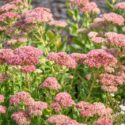
Low-growing sedums are tough, drought-tolerant ground covers, but they do not all behave alike. Some form tidy mats, some trail from containers, and others spread fast enough to take over small spaces. Learn which sedums creep, clump, or race ahead so you can plant with confidence.
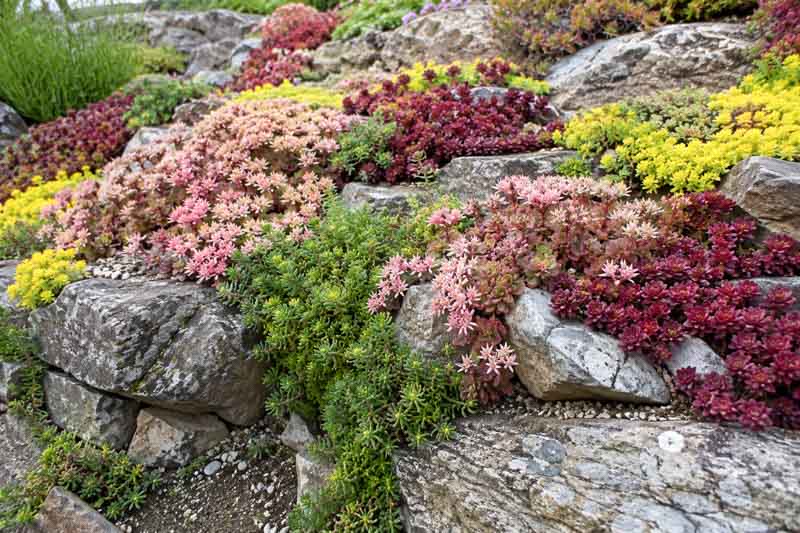


“Groundcover sedum” sounds wonderfully simple – until you plant one that behaves like a polite little carpet, another that spills beautifully over a wall, and a third that races through every open gap in the border. Low-growing sedums, also called stonecrops, are among the best drought-tolerant ground covers for sunny gardens, rock gardens, gravel gardens, green roofs, containers, dry slopes, wall pockets, and cracks between stones. But their growth habits are not all the same.
Some sedums creep slowly and form tidy mats. Some make compact rosettes or rounded clumps. Others spread by rooting stems, forming carpets, or filling lean, open soil where other plants struggle. None of this makes them “bad” plants. It simply means gardeners need to match the right sedum to the right place.
Quick answer
For tidy, small-scale groundcover sedum, start with Sedum spathulifolium ‘Cape Blanco’, Sedum pachyclados, Sedum dasyphyllum, Sedum tetractinum ‘Coral Reef’, or Sedum album ‘Coral Carpet’. For colorful creeping mats, try Sedum spurium ‘Dragon’s Blood’, ‘Red Carpet’, ‘Lime Zinger’, ‘Dazzleberry’, or ‘Blue Elf’. For practical coverage where spreading is welcome, use Sedum acre, Sedum rupestre ‘Angelina’, Sedum spurium ‘John Creech’, or Sedum album ‘Murale’.
Low-growing sedums are succulent perennials with fleshy, water-storing leaves. Most prefer full sun, low water, and well-drained soil. Many are ideal for dry edges, rock gardens, containers, slopes, and waterwise landscapes. They shine where thirsty lawn grasses, fussy perennials, and moisture-loving ground covers struggle.
Low-growing sedums include several habits.
Important distinction
This guide focuses on low-growing, mat-forming, trailing, compact, or groundcover-relevant sedums. Taller upright border stonecrops such as ‘Autumn Joy’, ‘Matrona’, ‘Purple Emperor’, ‘Thunderhead’, ‘Brilliant’, and similar clumping varieties are excellent drought-tolerant perennials, but they behave more like border plants than ground covers.
That distinction matters. A creeping sedum can be perfect on a dry bank but annoying in a tiny alpine pocket. A rosette-forming sedum may be exquisite in a trough but too slow to cover a large slope. A mat-forming sedum can suppress weeds in gravel yet crowd tiny neighbors. Choose by behavior first, beauty second.
Start here if you want a quick recommendation. These sedums cover the main garden situations: practical coverage, tidy detail planting, colorful foliage, containers, rock gardens, and shade-tolerant native ground cover.
| Best For | Top Sedums | Why They Work |
|---|---|---|
| Practical ground cover | Sedum acre, ‘Angelina’, ‘John Creech’, ‘Murale’, Sedum kamtschaticum | They form useful mats for dry, sunny, open soil where coverage is welcome. |
| Small spaces | ‘Cape Blanco’, Sedum pachyclados, Sedum dasyphyllum, ‘Coral Reef’ | They stay compact, textural, and easier to edit in troughs and rock gardens. |
| Colorful edging | ‘Dragon’s Blood’, ‘Red Carpet’, ‘Tricolor’, ‘Voodoo’, ‘Firecracker’ | They provide low mats with red, bronze, burgundy, or variegated foliage. |
| Modern foliage color | ‘Blue Elf’, ‘Lime Zinger’, ‘Dazzleberry’, ‘Cherry Tart’, ATLANTIS | They offer strong foliage color before and after flowering. |
| Light shade | Sedum ternatum | It is the key native, shade-tolerant exception among groundcover sedums. |
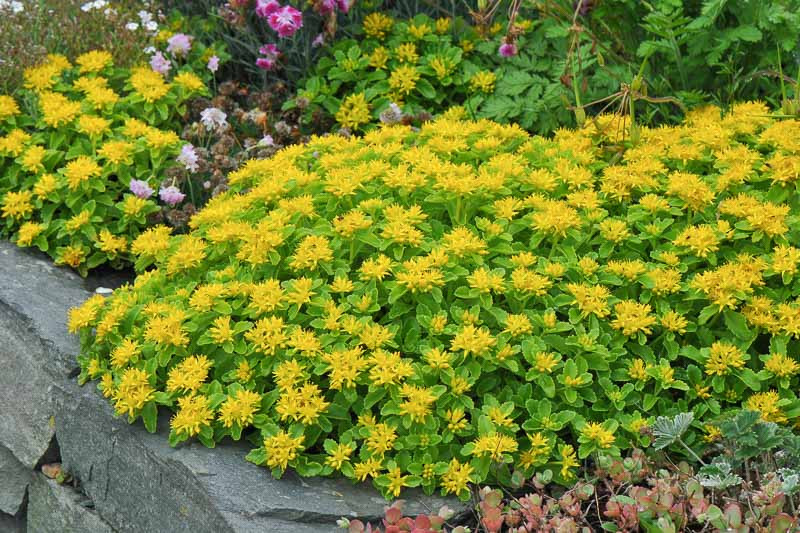
These are the sedums to choose when your goal is practical coverage rather than delicate specimen planting. Some are genuinely vigorous, while others have an average growth rate but still form spreading mats that work well on dry slopes, sunny gaps, gravel edges, wall pockets, and low-water ground cover plantings.
| Sedum | Hardiness | Height x Spread | Best Use | Garden Behavior |
|---|---|---|---|---|
| Sedum acre | Zones 3-8 | 3 in. x 1-2 ft. | Dry crevices, sunny gaps, rock walls, low-water ground cover | Very vigorous; best where fast coverage is welcome. |
| Sedum acre ‘Aureum’ | Zones 4-9 | 1-2 in. x 10 in.-1 ft. | Dry crevices, rock gardens, containers, small ground cover pockets | Small but spreading; bright filler for lean soil. |
| Sedum rupestre ‘Angelina’ | Zones 5-9 | 4-6 in. x 1-2 ft. | Color rivers, containers, wall edges, sunny ground cover | Vigorous, colorful, and easy to root from pieces. |
| Sedum spurium ‘John Creech’ | Zones 3-8 | 2 in. x 9 in.-1 ft. | Sunny ground cover, slopes, path edges | Average growth rate, but a reliable mat-former for sunny ground cover. |
| Sedum album | Zones 3-8 | 3-6 in. x 1-2 ft. | Dry sunny ground, containers, green roofs | Useful carpeting sedum with white flowers and red winter tints. |
| Sedum album subsp. teretifolium ‘Murale’ | Zones 3-9 | 2-3 in. x 1-2 ft. | Banks, slopes, gravel edges, walls, ground cover | Practical ground cover for dry sunny sites. |
| Sedum kamtschaticum | Zones 3-9 | 6-7 in. x 10 in.-1 ft. | Banks, slopes, edging, ground cover, underplanting shrubs | Average growth rate; useful as a spreading groundcover sedum for dry borders and slopes. |
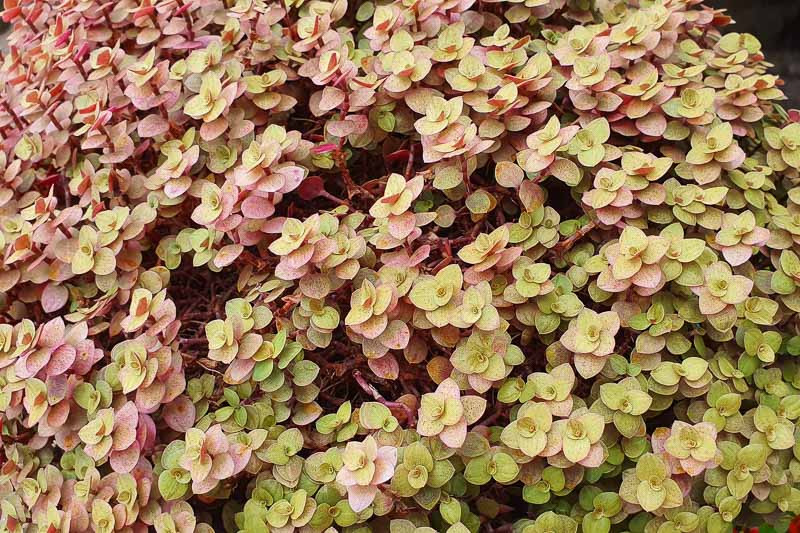
These are the sedums to choose when you want a refined, small-scale plant rather than a fast-running carpet. They are excellent for troughs, rock gardens, crevices, wall pockets, and containers where every inch matters.
| Sedum | Hardiness | Height x Spread | Best Use | Garden Behavior |
|---|---|---|---|---|
| Sedum spathulifolium ‘Cape Blanco’ | Zones 5-9 | 4-6 in. x 8 in.-1 ft. | Rock gardens, wall pockets, troughs, edging, containers | Polite, architectural, and excellent for small spaces. |
| Sedum spathulifolium ‘Purpureum’ | Zones 5-9 | 4-6 in. x 8 in.-1 ft. | Dry gardens, edging, containers | Decorative rosette spreader; better behaved than fast mats. |
| Sedum spathulifolium | Zones 5-9 | 2-8 in. x 1-3 ft. | Dry borders, edging, containers, rock gardens | Spreading rosettes with strong foliage texture. |
| Sedum dasyphyllum | Zones 5-9 | 1-2 in. x 6-8 in. | Rock gardens, containers, edging, crevices | Small-scale and delicate; excellent for troughs and crevices. |
| Sedum pachyclados | Zones 5-11 | 2-6 in. x 8 in.-1 ft. | Troughs, rock gardens, dry edges, containers | Compact, textural, and good for refined plantings. |
| Sedum tetractinum | Zones 4-8 | 3-4 in. x 10 in.-1 ft. | Edging, ground cover, containers | Tidy mat with attractive winter color. |
| Sedum tetractinum ‘Coral Reef’ | Zones 4-8 | 3-4 in. x 10 in.-1 ft. | Ground cover, edging, containers | Colorful, useful, and fairly compact. |
| Sedum makinoi ‘Ogon’ | Zones 7-9 | 2-3 in. x 8 in.-1 ft. | Containers, fairy gardens, small ground cover pockets | Bright, small-scale mat; best for mild climates and detail work. |
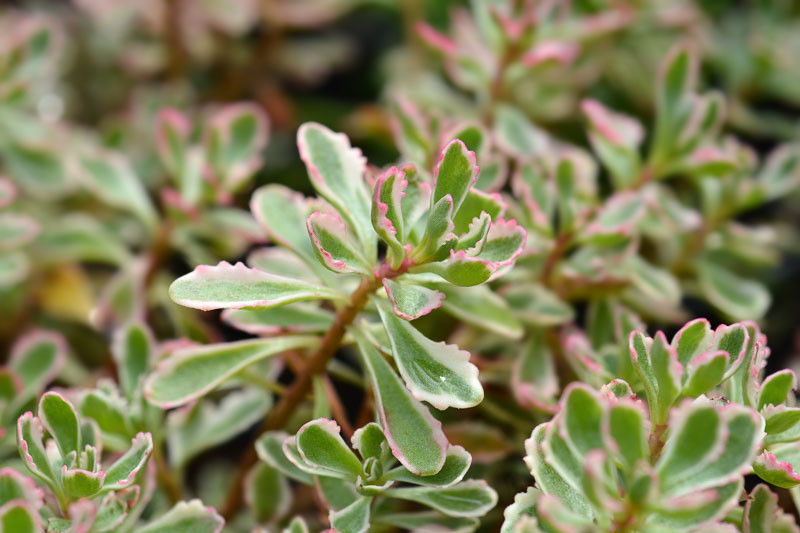
These sedums are chosen as much for foliage as for flowers. They bring red, bronze, blue, purple, chartreuse, cream, coral, or variegated tones to dry borders and containers. Use them where the foliage can be seen up close.
| Sedum | Hardiness | Height x Spread | Best Use | Garden Behavior |
|---|---|---|---|---|
| Sedum spurium ‘Dragon’s Blood’ | Zones 4-9 | 4-6 in. x 1-2 ft. | Dry borders, edging, rock gardens, ground cover | Tough evergreen growth; strong seasonal color. |
| Sedum spurium ‘Red Carpet’ | Zones 3-8 | 3-6 in. x 1-2 ft. | Colorful edging, dry ground cover, containers | Tough, mat-forming, and useful for fall foliage color. |
| Sedum spurium ‘Tricolor’ | Zones 3-9 | 3-6 in. x 1-2 ft. | Rock garden edging, containers, small sunny borders | Colorful, moderate, and excellent near paths. |
| Sedum spurium ‘Fuldaglut’ | Zones 4-8 | 2-3 in. x 1-2 ft. | Low-water edging, rock gardens, colorful ground cover | Very low, spreading, and excellent for contrast. |
| Sedum spurium ‘Voodoo’ | Zones 3-9 | 4-6 in. x 1-2 ft. | Poor dry soil, sunny ground cover, edging | Strong color and steady spread. |
| Sedum album ‘Coral Carpet’ | Zones 3-9 | 3-6 in. x 1-2 ft. | Troughs, containers, dry ground, green roofs | Manageable mat with coral, green, and red seasonal tones. |
| Sedum ‘Lime Zinger’ | Zones 4-9 | 4-6 in. x 1-2 ft. | Sunny containers, edging, ground cover | Compact, colorful, modern groundcover sedum. |
| Sedum ‘Blue Elf’ | Zones 4-9 | 3 in. x 1-2 ft. | Ground cover, edging, containers, pollinator-friendly dry beds | Very low and colorful; good modern choice. |
| Sedum ‘Dazzleberry’ | Zones 4-9 | 4-6 in. x 1-2 ft. | Hot dry ground, containers, rock gardens | Excellent color and groundcover value. |
| Sedum takesimense ATLANTIS | Zones 4-9 | 4-6 in. x 10 in.-1 ft. | Containers, edging, small ground cover areas | Showy foliage; best where its variegation can be seen up close. |
| Sedum ‘Cherry Tart’ | Zones 4-9 | 4-6 in. x 1-2 ft. | Rock gardens, edging, colorful ground cover | Low red-leaved mat with strong foliage color. |
| Sedum ‘Firecracker’ | Zones 4-9 | 4-6 in. x 1-2 ft. | Sunny rock gardens, edging, containers, dry borders | Compact burgundy-red mat for hot, sunny sites. |
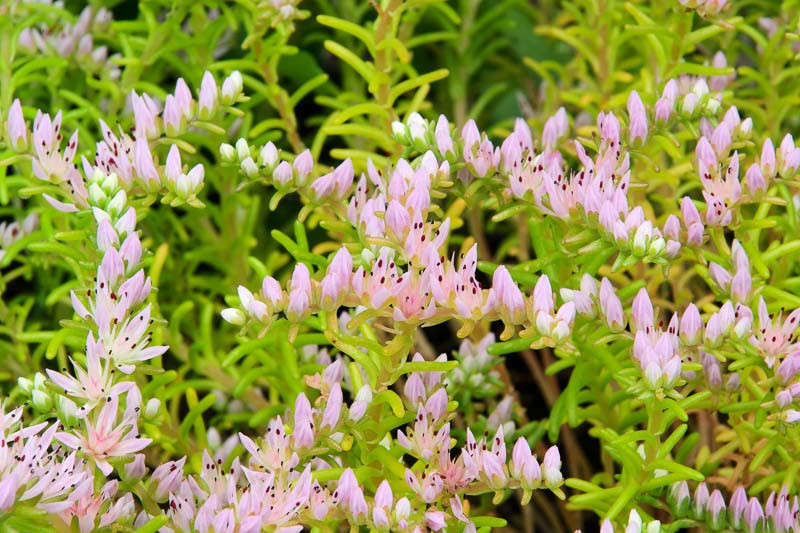
Not every useful low sedum is a flat carpet. Some are mounding, cascading, short upright, or best used as seasonal accents. These are excellent plants, but they should be placed with the right expectation.
| Sedum | Hardiness | Height x Spread | Best Use | Garden Behavior |
|---|---|---|---|---|
| Sedum cauticola | Zones 4-9 | 2-3 in. x 8 in.-1 ft. | Containers, edging, ground cover, dry borders | Low and spreading, but not a racing carpet. |
| Sedum cauticola ‘Lidakense’ | Zones 4-9 | 2-3 in. x 8 in.-1 ft. | Containers, rock walls, edging, ground cover | Beautiful trailer; good for edges and raised spots. |
| Sedum sieboldii | Zones 3-9 | 6-10 in. x 1-2 ft. | Containers, edging, low walls, raised beds | More clumping/trailing than carpeting. |
| Sedum sieboldii ‘Mediovariegatum’ | Zones 3-9 | 6-8 in. x 1-2 ft. | Patio containers, hanging edges, troughs | Best as a decorative spiller, not a groundcover workhorse. |
| Sedum ternatum | Zones 4-8 | 3-6 in. x 6-9 in. | Woodland edges, light shade, native ground cover | Important exception; not a hot-gravel sedum. |
| Sedum pulchellum | Zones 6-9 | 6 in.-1 ft. x 6 in.-1 ft. | Lean soil, edging, ground cover accents | Low, but not a classic evergreen carpet. |
Hardiness note
Hardiness is only part of success with sedums. A plant listed for your zone may still fail in heavy, wet soil. In cold or rainy winter climates, sharp drainage, raised planting, gravelly soil, and avoiding wet mulch are often the difference between success and rot.
Choose polite sedums when you garden in small spaces, mixed succulent bowls, troughs, alpine beds, or carefully edited borders. These are the low-growing stonecrops that bring texture without instantly swallowing everything nearby.
Sedum spathulifolium ‘Cape Blanco’ is one of the best-behaved choices. Its powdery silver-gray rosettes form a low carpet, with yellow starry flowers in summer. It looks refined, almost architectural, and is ideal for rock gardens, wall pockets, troughs, edging, and dry containers. Give it excellent drainage and avoid soggy winter conditions.
Sedum album ‘Coral Carpet’ is more textural and slightly faster, but still manageable. Its tiny leaves shift from coral to green and red depending on season, sun, and moisture. It is excellent for small-scale groundcover sedum plantings where you want color changes without large leaves or coarse stems.
Sedum pachyclados and Sedum dasyphyllum are especially useful for troughs, crevices, containers, and small rock gardens. They deliver the close-up detail gardeners love in alpine-style plantings without behaving like fast groundcover workhorses.
Sedum sieboldii, often called October Daphne stonecrop, behaves more like a trailing clump than a carpet. It is beautiful spilling from containers, raised beds, and low walls. Use it where you want cascading stems, blue-green rounded leaves, and late-season pink flowers, not rapid weed-smothering coverage.
Best for small gardens
Use rosette-forming and trailing-clump sedums near precious alpines, dwarf conifers, crevice gardens, and containers. They are easier to edit than fast creeping sedums and usually look more intentional in tight spaces.
Need to cover a sunny bank, soften a gravel edge, spill over a retaining wall, or knit together a dry strip beside a driveway? This is where creeping sedums earn their keep. They spread along the soil, forming low carpets that can protect bare soil and reduce weed space when planted densely.
Sedum spurium ‘John Creech’ is a reliable groundcover sedum with an average growth rate. It forms a low green mat with scalloped leaves and is especially useful for sunny groundcover, path edges, and slopes where a spreading mat is welcome.
Sedum rupestre ‘Angelina’ is popular for a reason: golden-yellow needle-like foliage, copper-orange winter tones, and a glowing presence in containers and dry beds. It spreads readily and can create dramatic “rivers” of color. The same vigor means fragments may root in gravel or open soil, so use it confidently in bold plantings and cautiously around tiny treasures.
Sedum acre, commonly called gold moss stonecrop, is the classic vigorous mat-former. It is very low, golden-green, and covered with yellow flowers in summer. It can crowd very small plants of similar height, especially in gravel, wall crevices, and open sunny beds, so it is best where fast coverage solves a problem.
Containment tip
Vigorous sedums are easiest to manage when planted between hard edges: stone paths, gravel strips, walls, troughs, curbs, or raised beds. Avoid planting the most vigorous types directly beside tiny alpines or slow-growing cushion plants.
Low-growing sedums are at their best in sunny, dry, well-drained places. Use them in rock gardens, gravel gardens, crevice gardens, wall pockets, containers, troughs, roof gardens, driveway edges, sunny slopes, and Mediterranean-style or waterwise plantings. They combine beautifully with Sempervivum, Delosperma, creeping thyme, compact well-drained-soil dianthus, lavender, agastache, and drought-tolerant ornamental grasses such as blue fescue or other compact, sun-loving grasses.
They are less successful in rich, wet, shaded, or heavily mulched soil. Too much water encourages rot, weak growth, and winter losses. Too much shade causes stretching and duller foliage color. Heavy bark mulch can bury small sedums or hold moisture around their stems.
There is one important exception: Sedum ternatum, a native woodland stonecrop, is better suited to partial sun, light shade, and woodland edges than hot gravel gardens. Include it when you want a softer, native-style ground cover rather than a classic sun-baked rock garden sedum.
For best results, plant sedums in gritty, well-drained soil, water regularly during establishment, then reduce irrigation. Most low-growing sedums prefer restraint over pampering once rooted.
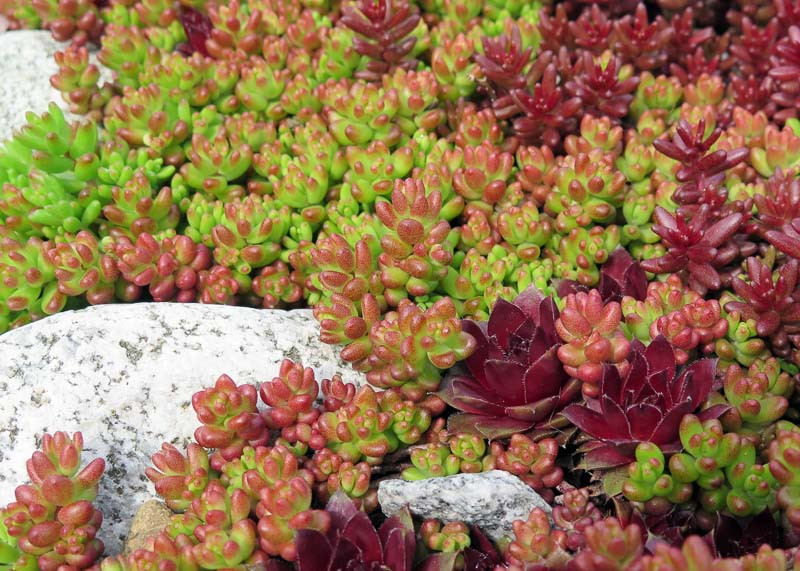
Start with the size of the space. For containers, troughs, and small rock gardens, use slower, tidier types such as ‘Cape Blanco’, Sedum pachyclados, Sedum dasyphyllum, ‘Coral Reef’, and Sedum sieboldii. For medium beds and path edges, choose ‘Dragon’s Blood’, ‘Red Carpet’, ‘Coral Carpet’, ‘Lime Zinger’, or ‘Blue Elf’. For large-scale coverage, sunny slopes, or bold color effects, consider ‘Angelina’, ‘John Creech’, Sedum acre, ‘Murale’, or Sedum kamtschaticum.
Next, decide whether you want foliage color, flowers, or coverage. Many gardeners buy sedums for bloom, but their foliage is the real long-season value. Gold, silver, coral, blue-green, burgundy, purple, chartreuse, cream-variegated, and red-tinged leaves can carry a design for months, long after the starry flowers fade.
Finally, match sedum vigor to your tolerance for editing. If you enjoy pulling back edges once or twice a year, a vigorous creeper may be perfect. If you want a plant that stays more contained, choose slower rosette, mounding, trailing, or compact mat-forming selections.
Design shortcut
Use the Gardenia Plant Finder to compare sedums by height, spread, hardiness, light, water needs, soil, season of interest, and planting place. Then test combinations in the Gardenia Design Tool before you plant.
Some Gardenia sedum profiles are excellent plants but do not belong in a low-growing groundcover comparison. Upright border sedums such as Sedum ‘Autumn Joy’, ‘Matrona’, ‘Purple Emperor’, ‘Thunderhead’, ‘Brilliant’, ‘Mr Goodbud’, ‘Birthday Party’, and similar varieties grow as clumping upright perennials for beds, borders, and containers. They are valuable late-season plants, but they do not creep or carpet the ground.
Warm-climate or container succulents such as Sedum nussbaumerianum, Sedum x rubrotinctum, and Sedum morganianum are also not primary garden ground covers in the same sense. They are better treated as tender succulents, patio plants, hanging basket plants, or warm-zone container specimens.
Low-growing sedums are some of the most useful ground covers for sunny, dry, low-maintenance gardens. They save water, soften hardscape, brighten poor soil, support pollinators, and bring long-season foliage color. The trick is not asking whether sedum spreads. Many do. The smarter question is how fast, how far, and whether that habit suits your site.
Choose polite mat-formers for small gardens, creeping sedums for practical coverage, and vigorous spreaders only where you want them to fill space boldly. With the right match, groundcover sedum becomes one of the easiest, toughest, most rewarding plants in the garden.
Yes. Many low-growing sedums spread by forming mats or rooting along the ground. Some spread slowly into tidy carpets, while others, such as Sedum acre, Sedum rupestre ‘Angelina’, and several Sedum album selections, can cover sunny, well-drained ground more quickly.
Well-behaved low-growing sedums include Sedum spathulifolium ‘Cape Blanco’, Sedum pachyclados, Sedum dasyphyllum, Sedum sieboldii, Sedum tetractinum ‘Coral Reef’, and compact Sedum album selections such as ‘Coral Carpet’. These are good choices for containers, troughs, small rock gardens, and areas where you want texture without very fast spread.
Sedum acre, Sedum rupestre ‘Angelina’, Sedum album, and Sedum album ‘Murale’ are among the better choices for quicker coverage. Sedum spurium ‘John Creech’ and Sedum kamtschaticum are also valuable groundcover sedums, but their growth rate is better described as average rather than fast.
Sedum can work as a low-water lawn alternative in sunny, lightly used areas, but it does not tolerate heavy foot traffic like turfgrass. It is better for decorative ground cover, dry slopes, rock gardens, green roofs, path edges, and areas walked on only occasionally.
Plant vigorous sedums between hard edges, trim mats after flowering, pull or lift unwanted rooted stems, and avoid placing fast spreaders near tiny alpines or slow-growing cushion plants. Many sedums are shallow-rooted, so unwanted edges are often easy to remove by hand.
Most low-growing sedums prefer full sun and well-drained soil. Some tolerate partial sun, but too much shade can cause stretching, weaker growth, fewer flowers, and less intense foliage color. Sedum ternatum is an important exception because it is useful in partial sun and woodland-edge conditions.
No. Upright sedums such as ‘Autumn Joy’, ‘Matrona’, ‘Purple Emperor’, ‘Brilliant’, and ‘Thunderhead’ are excellent drought-tolerant border perennials, but they grow as clumping upright plants rather than creeping or mat-forming ground covers.
Hardiness zones measure cold tolerance, but sedums also need excellent drainage. A sedum may be hardy to your zone and still rot in wet winter soil, heavy clay, or mulch that holds moisture around the crown. Raised beds, gravelly soil, slopes, and containers with drainage help prevent winter losses.
Updated: June 2026 • Reviewed by Gardenia Editors
| Hardiness |
3 - 9 |
|---|---|
| Plant Type | Cactus & Succulents, Perennials |
| Genus | Sedum |
| Exposure | Full Sun, Partial Sun |
| Season of Interest | Spring (Mid, Late), Summer (Early, Mid, Late), Fall |
| Maintenance | Low |
| Soil Drainage | Well-Drained |
| Attracts | Bees, Butterflies, Birds |
| Hardiness |
3 - 9 |
|---|---|
| Plant Type | Cactus & Succulents, Perennials |
| Genus | Sedum |
| Exposure | Full Sun, Partial Sun |
| Season of Interest | Spring (Mid, Late), Summer (Early, Mid, Late), Fall |
| Maintenance | Low |
| Soil Drainage | Well-Drained |
| Attracts | Bees, Butterflies, Birds |
Create a membership account to save your garden designs and to view them on any device.
Becoming a contributing member of Gardenia is easy and can be done in just a few minutes. If you provide us with your name, email address and the payment of a modest $25 annual membership fee, you will become a full member, enabling you to design and save up to 25 of your garden design ideas.
Join now and start creating your dream garden!
Create a membership account to save your garden designs and to view them on any device.
Becoming a contributing member of Gardenia is easy and can be done in just a few minutes. If you provide us with your name, email address and the payment of a modest $25 annual membership fee, you will become a full member, enabling you to design and save up to 25 of your garden design ideas.
Join now and start creating your dream garden!