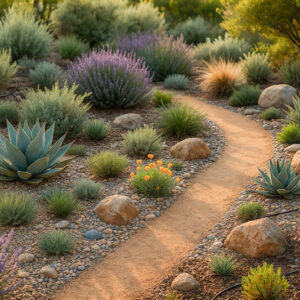
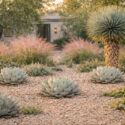
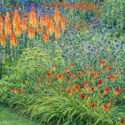
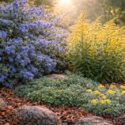
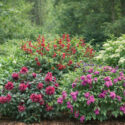
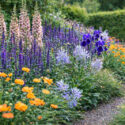
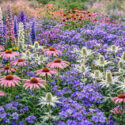
Sandy soil and drought can create beautiful gardens when you choose the right plants. Lavender, yarrow, sedum, rosemary, ornamental grasses, yucca, agave, sea thrift, sea holly, and native dryland plants thrive in fast-draining soil. Use Gardenia Plant Finder and Gardenia Design Tool to plan a resilient, water-wise landscape.
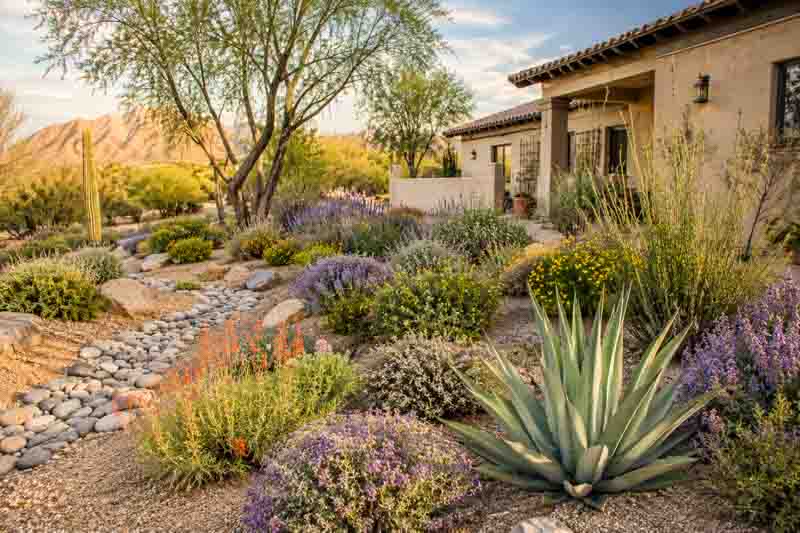


Sandy soil and drought can feel like a gardening curse at first. Water disappears almost as soon as you apply it. Compost seems to vanish. Young plants wilt quickly. Lawns become patchy. Borders look thin and tired by midsummer. But here is the good news: sandy, dry soil can become the foundation for a spectacular low-water garden if you choose plants that actually enjoy those conditions.
The secret is not forcing moisture-loving plants to survive in the wrong place. It is choosing drought-tolerant plants for sandy soil – plants with deep roots, silver leaves, aromatic foliage, succulent stems, narrow leaves, tough crowns, or natural adaptations to lean, fast-draining ground.
Quick answer
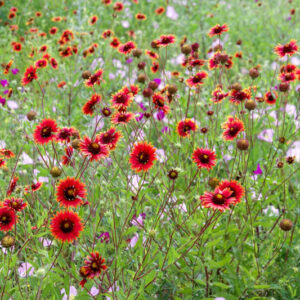
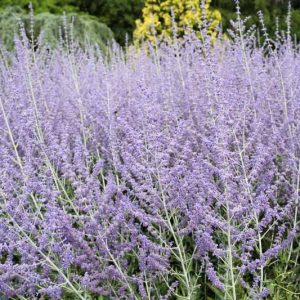
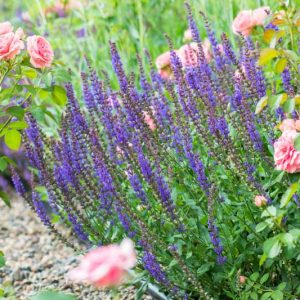
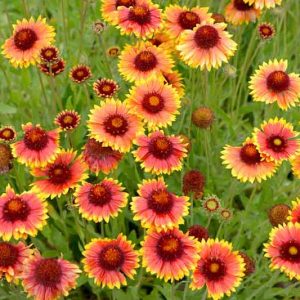
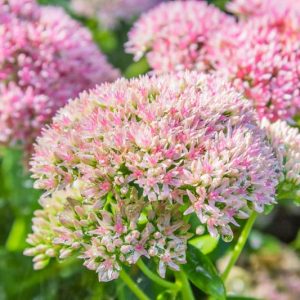
The best plants for sandy soil and drought include lavender, rosemary, thyme, yarrow, sedum, catmint, Russian sage, salvia, ornamental grasses, agave, yucca, sea thrift, sea holly, blanket flower, California poppy, cistus, santolina, artemisia, manzanita, juniper, pine, and many regionally appropriate native plants.
This guide is designed as a practical planting resource for gardeners dealing with dry sandy soil, coastal sand, inland gravel, poor fertility, hot slopes, drought-prone borders, and water-wise landscapes. You will learn why sandy soil behaves the way it does, how to improve it without ruining drainage, which plants perform best, and how to design a garden that looks intentional rather than sparse.
To build a plant list tailored to your location, use the Gardenia Plant Finder. You can filter plants by soil type, water needs, hardiness, light exposure, height, bloom season, flower color, and garden use. Once you have your shortlist, use the Gardenia Design Tool to arrange drought-tolerant shrubs, perennials, grasses, succulents, and groundcovers into a cohesive planting plan.
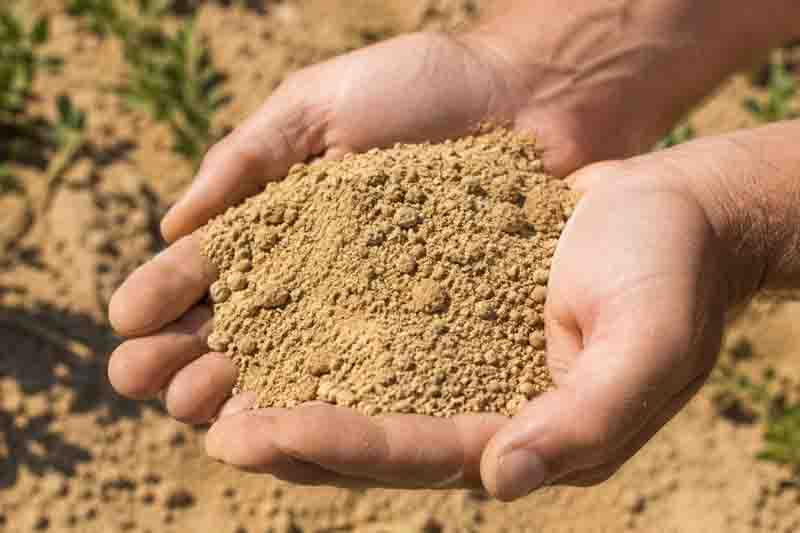
Sandy soil is made of large mineral particles. Those large particles create generous air spaces, which means water drains quickly and roots usually receive plenty of oxygen. That sounds helpful, and in many ways it is. Sandy soil is easy to dig, warms quickly in spring, and rarely becomes sticky or waterlogged.
The downside is that sandy soil does not hold water or nutrients for long. Rain and irrigation move through the root zone quickly. Fertilizer leaches away. Organic matter decomposes faster in warm sandy soils. During drought, plants can become stressed very quickly because the soil has little stored moisture to offer.
That is why the best plants for sandy soil are usually not thirsty, lush, shallow-rooted plants. They are plants that evolved in dry grasslands, Mediterranean scrub, coastal dunes, prairies, rocky slopes, pine barrens, chaparral, deserts, or other lean environments.
Design principle
Do not treat sandy soil like failed clay soil. Treat it as a distinct garden condition. Choose plants that love sharp drainage, then improve moisture retention gently with compost, mulch, and smart planting design.
Great drought-tolerant plants usually share visible survival traits.
The best performers are not just drought-tolerant once mature. They are also compatible with fast drainage, low fertility, reflected heat, full sun, and occasional neglect. A plant that is drought-tolerant in clay may still fail in sand if it needs richer soil. A plant that tolerates sand may fail in drought if it has shallow roots. The strongest choices handle both.
Planting tip
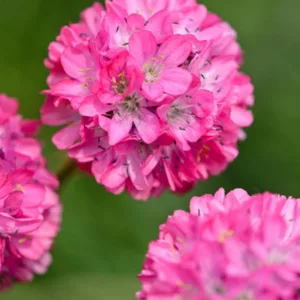
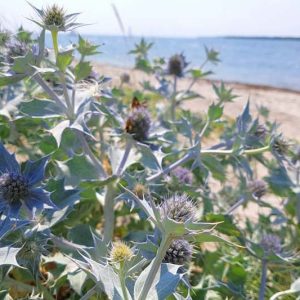
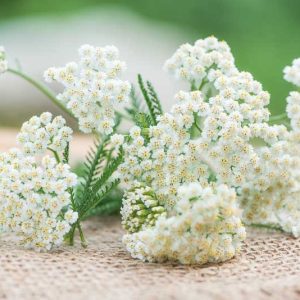
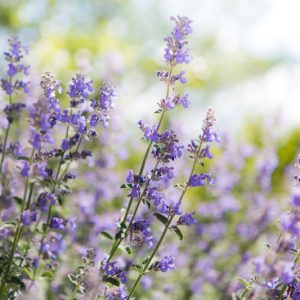
Group drought-tolerant perennials by water needs. Lavender, thyme, sedum, yarrow, and sea holly can share a dry zone. Plants that need occasional summer water should be grouped separately.
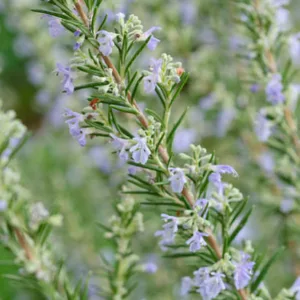
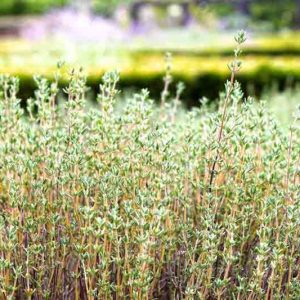
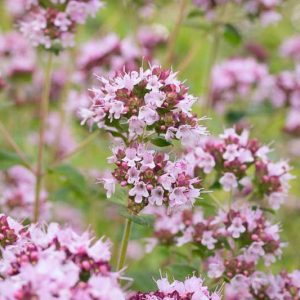
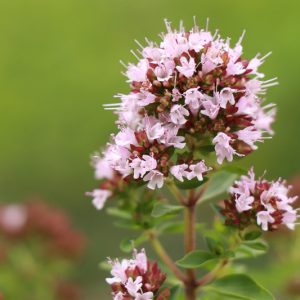
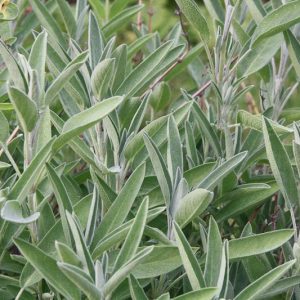
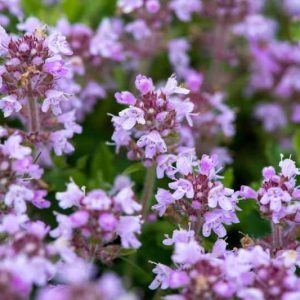
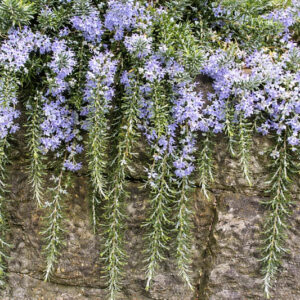
Many Mediterranean herbs are naturally suited to sandy soil because they evolved in sunny, rocky, lean, fast-draining places. They often dislike heavy feeding and wet roots, which makes them excellent candidates for dry gardens.
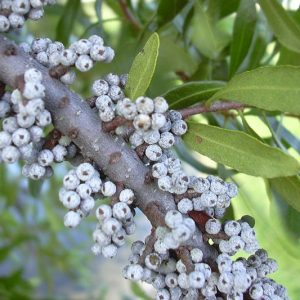
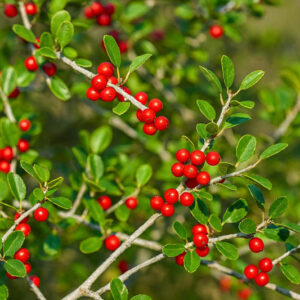
Shrubs are essential in dry sandy gardens because they provide structure, shade for the soil, wildlife habitat, and year-round presence. A drought-tolerant garden made only of small perennials can look thin in winter. Shrubs give the planting backbone.
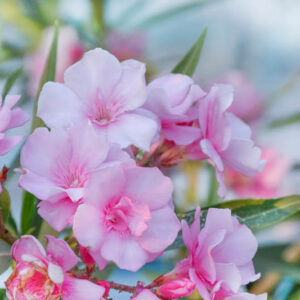
Cistus, or rockrose, is one of the finest shrubs for dry, sandy, sunny gardens in mild climates. It produces papery flowers, often in white, pink, or magenta, and thrives in poor, well-drained soil. Excellent choices include Cistus creticus, Cistus ladanifer ‘Crimson-Spot’, Cistus purpureus, Cistus x pulverulentus ‘Sunset’, and Cistus salviifolius ‘Prostratus’. Use taller forms as flowering evergreen shrubs, and spreading forms such as ‘Sunset’ or ‘Prostratus’ on banks, slopes, gravel gardens, and dry sunny edges. Rockrose dislikes heavy pruning and wet conditions, so give it room, plant it in sharp drainage, and avoid overwatering.
Juniper is a strong choice for sandy soil, especially where evergreen structure, drought tolerance, erosion control, and year-round texture are priorities. Low-spreading forms such as Juniperus horizontalis can stabilize slopes, banks, and dry ground, while Juniperus communis and Juniperus scopulorum provide more upright structure, wildlife value, screening, and strong evergreen presence. Plant junipers in full sun and well-drained soil, and avoid soggy sites where root problems are more likely.
Yucca is one of the toughest drought-tolerant plants for sandy soil. It handles heat, wind, drought, lean soil, and strong sun, while its sword-like leaves and tall flower spikes provide bold structure and vertical emphasis. Good choices include Yucca filamentosa, Yucca gloriosa, Yucca rostrata, Yucca elata, Yucca aloifolia, and, in warm frost-free or near frost-free gardens, Yucca elephantipes. Use smaller clumping species in borders and gravel gardens, and reserve tree-form yuccas for spacious sites where their mature height and architectural shape can be appreciated.
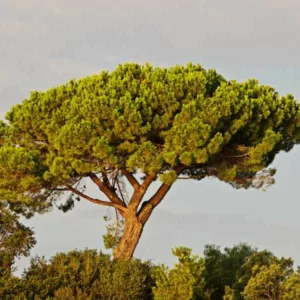
Pine species adapted to sandy soils can be excellent choices where space allows. Many pines naturally grow in sandy, acidic, drought-prone soils and provide evergreen structure, shade, wildlife habitat, and wind protection. For smaller gardens, dwarf mugo pines are especially useful, including Pinus mugo ‘Carstens’, Pinus mugo ‘Gnom’, Pinus mugo ‘Humpy’, Pinus mugo ‘Ophir’, Pinus mugo var. pumilio, Pinus mugo ‘Mops’, and Pinus mugo ‘Slowmound’. These compact evergreens are best in full sun and well-drained soil, where they add year-round form without overwhelming a dry sandy border.
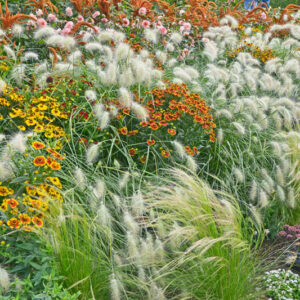
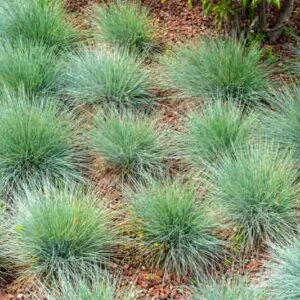
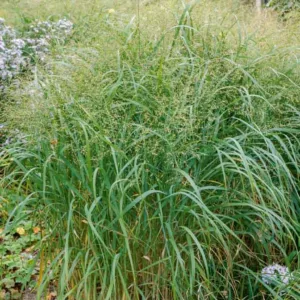
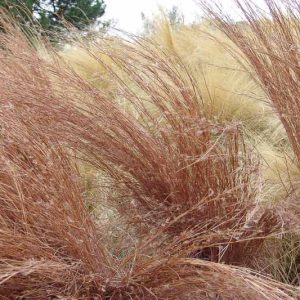
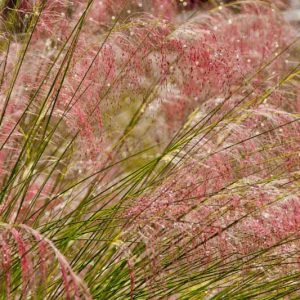
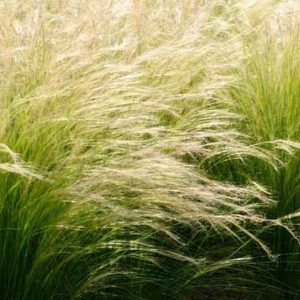
Ornamental grasses are some of the most useful plants for sandy soil. They create movement, stabilize soil, tolerate wind, and need less fertility than many flowering perennials. Their fine roots help hold loose soil together, while their seedheads add seasonal interest.
Invasive plant caution
Some drought-tolerant grasses, succulents, and groundcovers can become invasive outside their native range. Always check local invasive-plant guidance before planting near dunes, wildlands, prairies, reserves, or natural waterways.
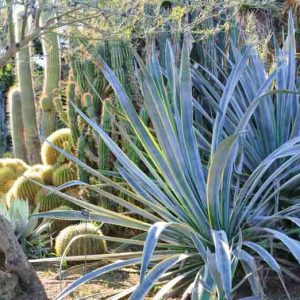
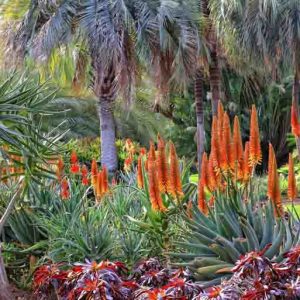
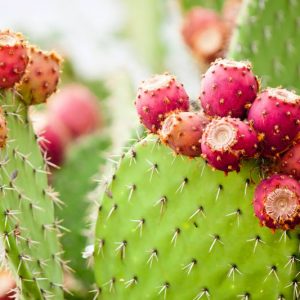
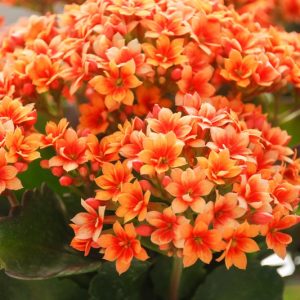
Succulents and architectural plants are natural allies in dry sandy gardens. They store water, tolerate reflected heat, and bring strong shapes that keep the garden interesting even when flowers are absent.
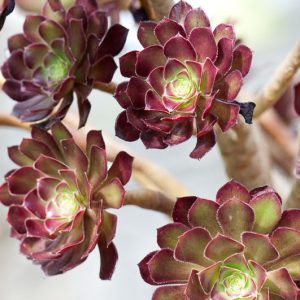
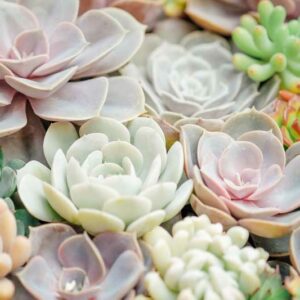
Dudleya is excellent in parts of the West Coast where local species are suitable. These rosette-forming succulents are especially beautiful in rock gardens, crevices, containers, and coastal-influenced dry gardens.
Delosperma, or hardy ice plant, can be useful in dry, sunny, sharply drained sites. It forms colorful mats and works well in rock gardens and slopes. As with all spreading groundcovers, check regional suitability.
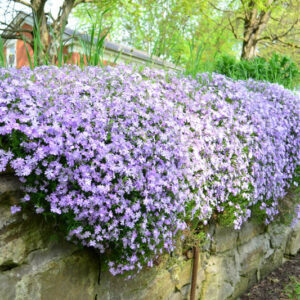
Groundcovers are extremely important in sandy gardens because bare sand heats up, dries out, erodes, and invites weeds. A living carpet protects the soil and visually connects larger plants.
Stonecrop sedums are excellent low groundcovers for dry, sandy, gravelly soil. They are especially useful in rock gardens, wall tops, containers, and narrow strips where irrigation is limited. Good varieties include Sedum acre, a tough mat-forming groundcover with bright yellow flowers; Sedum album ‘Coral Carpet’, valued for its low habit and colorful seasonal foliage; Sedum spurium ‘Dragon’s Blood’, a popular red-tinged groundcover for sunny dry sites; Sedum reflexum, with blue-green needle-like foliage; and Sedum kamtschaticum, a vigorous, drought-tolerant option with yellow summer flowers.
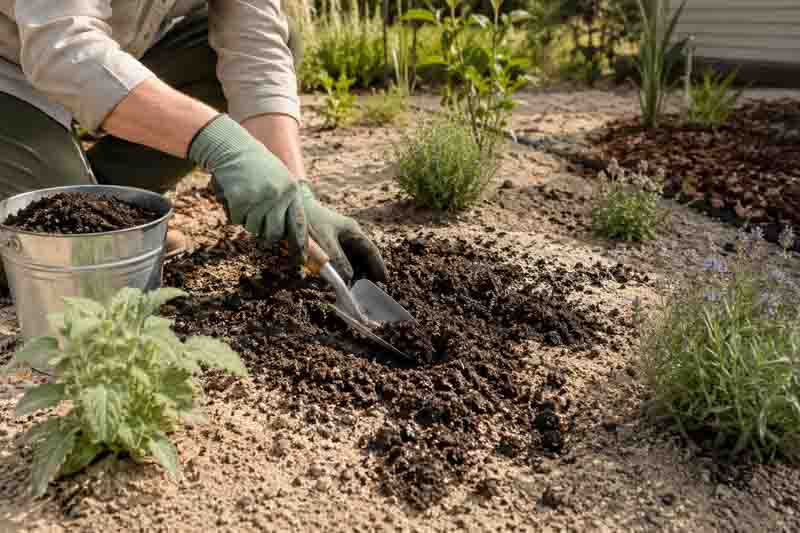
The goal is not to turn sandy soil into rich, moisture-retentive loam overnight. That often leads to disappointment, because sand continues to drain quickly. Instead, improve sandy soil gradually and strategically.
Add compost to planting areas to increase water and nutrient retention. Use mulch to reduce evaporation and protect the soil surface. Choose organic mulches for shrub and perennial beds, and gravel mulch for Mediterranean, succulent, alpine, and dryland designs where crown dryness matters.
Avoid heavy fertilizing. Many drought-tolerant plants grow best in lean soil. Too much nitrogen can create soft, lush growth that wilts faster, flops in wind, attracts pests, or becomes more vulnerable to winter damage.
Water deeply but less often during establishment. Light daily sprinkling encourages shallow roots, which is the opposite of what you want. Deep watering encourages roots to grow downward and outward in search of moisture.
Smart soil strategy
For sandy soil, think “small improvements, better plants.” Add compost, mulch, and water wisely, but let drought-adapted plants do most of the work.
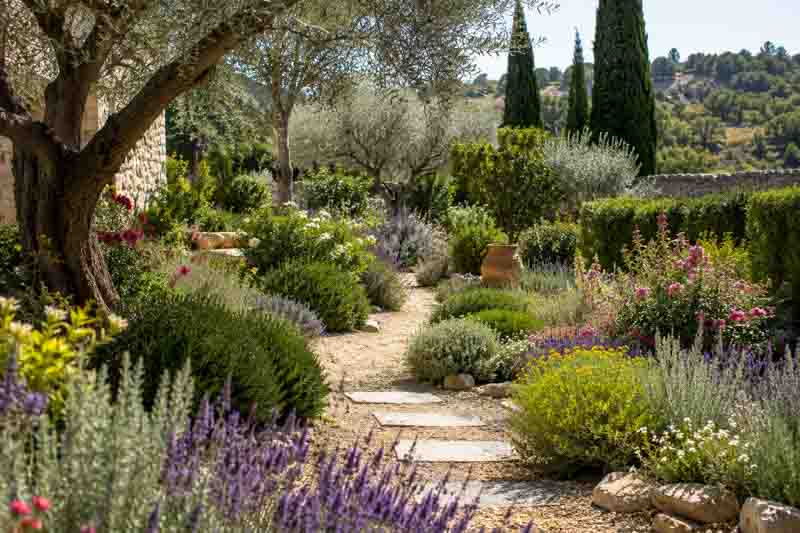
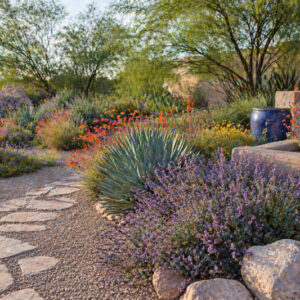
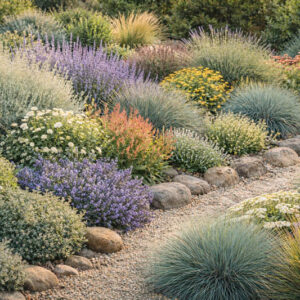
A successful dry sandy garden is not a random collection of tough plants. It is a layered design. Start with structural shrubs and small trees. Add ornamental grasses for movement. Use perennials for seasonal color. Fill gaps with groundcovers. Repeat key plants so the design feels calm and intentional.
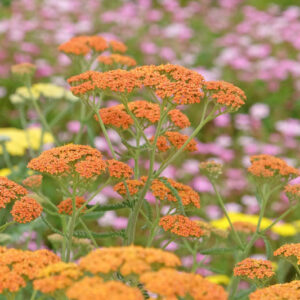
Use foliage contrast to create richness. Pair silver lavender with dark green rosemary. Combine blue fescue with golden yarrow. Set spiky yucca against soft catmint. Use sedum beside airy grasses. Mix rounded shrubs with vertical flower spikes.
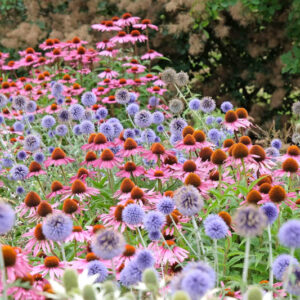
Plant in drifts rather than isolated singles. Sandy gardens often look better when plants are repeated in groups of three, five, seven, or larger sweeps. This also helps pollinators find flowers more easily and creates a more naturalistic effect.
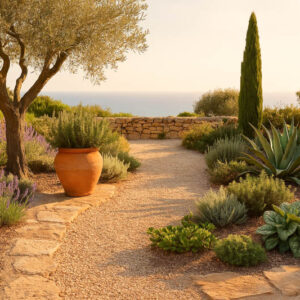
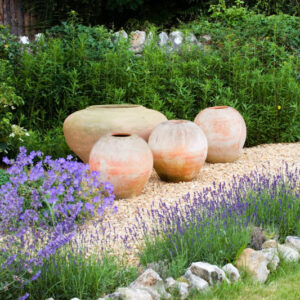
Design paths, gravel areas, and stone features as part of the garden rather than empty filler. Gravel mulch, boulders, stepping stones, dry streambeds, and low walls all suit sandy, drought-tolerant planting and help the garden look deliberate.
In cool temperate gardens, lavender, thyme, sea thrift, sea holly, yarrow, sedum, ornamental grasses, rosemary in milder areas, and drought-tolerant shrubs such as cistus or juniper can perform well if drainage is sharp.
In Mediterranean climates, lean into lavender, rosemary, santolina, cistus, teucrium, phlomis, agave, olive, artemisia, thyme, and drought-adapted grasses. Avoid overwatering in summer, especially for plants that expect a dry rest.
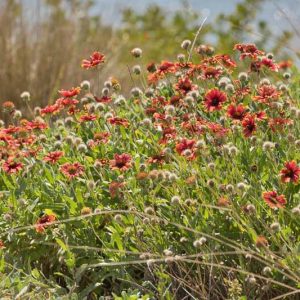
In humid subtropical regions, choose plants that tolerate both sand and humidity. Good options may include muhly grass, beach sunflower, yaupon holly, wax myrtle, saw palmetto, blanket flower, coontie, firebush, and regionally recommended native grasses.
In western North America, consider native and climate-adapted plants such as manzanita, ceanothus, California poppy, buckwheat, sages, penstemon, dudleya, yarrow, and native bunchgrasses. Match plants carefully to rainfall, elevation, soil pH, and summer irrigation needs.
In coastal sandy gardens, add salt tolerance to your checklist. Sea thrift, sea holly, beach sunflower, sea oats where legal and appropriate, railroad vine, rosemary, lavender, juniper, wax myrtle, and many local coastal natives can be valuable choices.
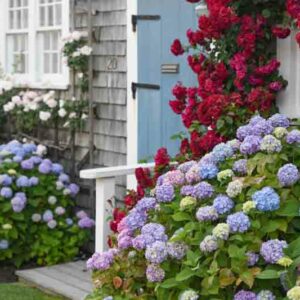
Some plants struggle badly in dry sandy soils unless irrigation and soil improvement are intensive. Moisture-loving plants with shallow roots often wilt quickly. Plants that prefer rich woodland soil may become stunted. Heavy-feeding annuals may need constant water and nutrients. Many large-leaved hydrangeas, astilbes, ligularias, moisture-loving ferns, and bog plants are poor matches for exposed sandy drought gardens.
This does not mean you can never grow them. It means they belong in specially prepared, mulched, irrigated pockets – not in the driest, hottest, fastest-draining part of the garden.

The best plant list for sandy soil and drought depends on your climate, hardiness zone, rainfall, sun exposure, soil pH, garden style, and maintenance goals. A plant that thrives in dry California sand may not suit a humid Florida garden. A Mediterranean shrub that loves dry summers may resent wet winters. A cactus that handles drought may not survive cold.
Use the Gardenia Plant Finder to narrow your choices by soil, water needs, hardiness, height, spread, flower color, bloom time, foliage interest, wildlife value, and garden use. This turns a broad list into a personalized plant palette.
Then use the Gardenia Design Tool to test combinations before planting. Arrange shrubs for structure, grasses for movement, groundcovers for soil protection, and flowering perennials for seasonal color. This is especially useful in sandy drought-prone gardens, where spacing, grouping, and mulch strategy strongly affect success.
Best next step
Create a shortlist in the Gardenia Plant Finder, then build your layout in the Gardenia Design Tool. Start with structure, repeat reliable plants, and leave room for mature size.
Sandy soil and drought do not have to limit your garden. They simply ask for a different kind of beauty – one built on texture, fragrance, movement, silver foliage, long roots, sculptural forms, and plants that thrive without constant pampering.
When you match the plant to the place, sandy soil becomes an advantage. It supports lavender, thyme, grasses, sedums, salvias, sea thrift, rockrose, yucca, agave, manzanita, juniper, and many remarkable native plants. With thoughtful design, mulch, deep establishment watering, and the right plant palette, a dry sandy garden can be colorful, resilient, wildlife-friendly, and low-maintenance.
The most successful approach is simple: stop fighting the soil, understand it, and plant for the conditions you actually have.
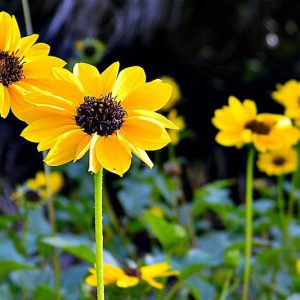
The best plants for sandy soil and drought include lavender, rosemary, thyme, yarrow, catmint, salvia, Russian sage, sedum, blanket flower, sea thrift, sea holly, ornamental grasses, yucca, agave, cistus, santolina, artemisia, juniper, manzanita, and regionally appropriate native plants.
Sandy soil contains large mineral particles with big spaces between them. Water drains through those spaces quickly, so the soil holds less moisture and fewer nutrients than clay or loam. This makes plant choice, mulch, compost, and deep watering especially important.
Improve sandy soil by adding compost, mulching the surface, planting densely enough to shade the soil, and watering deeply during establishment. Avoid excessive fertilizer, because many drought-tolerant plants prefer lean soil and can become weak or floppy with too much nitrogen.
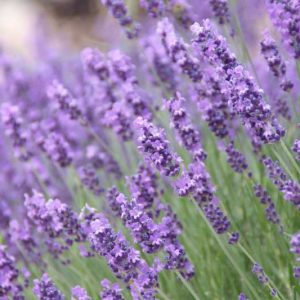
Yes. Lavender is one of the best plants for sandy soil if the site is sunny and well drained. It dislikes wet, heavy, or over-fertilized soil. In sandy soil, lavender often grows compact, fragrant, and floriferous once established.
Many succulents are excellent for sandy soil because they store water and prefer sharp drainage. Good choices may include sedum, agave, yucca, prickly pear cactus, dudleya, and hardy ice plant, depending on climate, winter cold, rainfall, and local invasive-plant guidance.
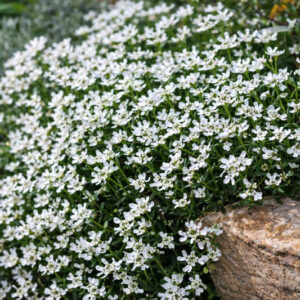
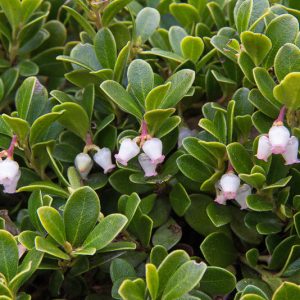
Good groundcovers for sandy dry soil include creeping thyme, low sedums, bearberry, prostrate rosemary, beach sunflower, hardy ice plant where appropriate, sea thrift, and regionally suitable native groundcovers. Choose non-invasive plants suited to your local climate.
Sandy soil loses nutrients quickly, but many drought-tolerant plants do not want heavy feeding. Use compost and light, appropriate fertilization only when needed. Too much fertilizer can create soft growth that is less drought-tolerant and more prone to pests or flopping.
New plants in sandy soil need regular deep watering until established. After roots develop, many drought-tolerant plants need much less water. Water deeply and less frequently rather than sprinkling lightly every day, because deep watering encourages stronger roots.
Hydrangeas generally prefer more moisture-retentive soil than dry sand provides. They can grow in improved sandy soil with mulch and irrigation, but they are not ideal for the driest, hottest, most drought-prone parts of a sandy garden.
Gravel gardens, Mediterranean gardens, coastal gardens, prairie-style gardens, succulent gardens, wildlife gardens, and native dry gardens all work well in sandy drought-prone soil. The best style depends on your climate, plant palette, architecture, and maintenance goals.
Updated: May 2026 – Reviewed by Gardenia Editors
Create a membership account to save your garden designs and to view them on any device.
Becoming a contributing member of Gardenia is easy and can be done in just a few minutes. If you provide us with your name, email address and the payment of a modest $25 annual membership fee, you will become a full member, enabling you to design and save up to 25 of your garden design ideas.
Join now and start creating your dream garden!
Create a membership account to save your garden designs and to view them on any device.
Becoming a contributing member of Gardenia is easy and can be done in just a few minutes. If you provide us with your name, email address and the payment of a modest $25 annual membership fee, you will become a full member, enabling you to design and save up to 25 of your garden design ideas.
Join now and start creating your dream garden!