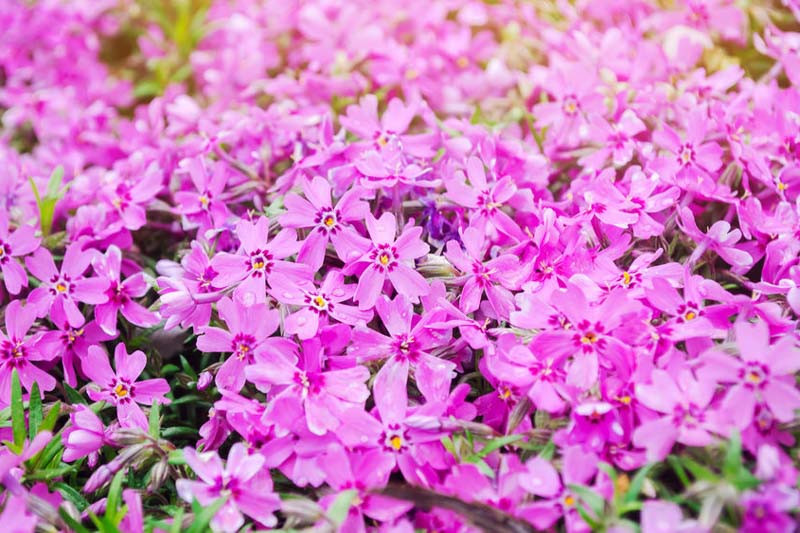
Flowering Groundcover Gardening Guides
Dreaming of a carpet of flowers but unsure where to begin? Our flowering groundcover gardening guides will help you choose, plant, and care for beautiful low-growing plants that transform bare soil into colorful, inviting spaces. Learn how to grow creeping phlox, flowering thyme, hardy geraniums, bellflowers, and shade-loving groundcovers, with practical advice on planting distances, soil preparation, watering, weed control, spreading habits, and seasonal maintenance. Whether you’re creating a flower-filled pathway, planting beneath shrubs, covering a sunny slope, or looking for a low-maintenance lawn alternative, discover how to establish a flowering groundcover garden that thrives.
Learn How to Choose Flowering Groundcovers for Sun, Shade, and Seasonal Color
The first step toward a beautiful flowering carpet is understanding the space you want to cover. A sunny gravel garden, a moist woodland border, and a dry bed beneath mature trees may all need groundcovers, but they require very different plants.
What is a flowering groundcover? A flowering groundcover is a low-growing plant used to cover soil while providing an ornamental display of flowers. It may spread by runners, rhizomes, rooting stems, or gradually expanding clumps. Some retain their leaves through winter, while others are deciduous.
Five things to check before choosing plants:
- Sunlight: Creeping thyme and creeping phlox generally perform best in full sun, while some hardy geraniums, mazus, and woodland groundcovers tolerate partial shade. Deep shade usually reduces flowering.
- Soil drainage: Many sun-loving flowering groundcovers require freely draining soil. Plants adapted to moist woodland conditions may struggle in dry gravel, while thyme can decline in persistently wet soil.
- Winter hardiness: Choose plants suited to your hardiness zone and local winter conditions. A plant that survives winter may still lose its foliage or experience cold damage.
- Flowering season: Spring-flowering phlox, early-summer geraniums, summer thyme, and late-flowering dwarf plumbago can provide contrasting seasonal highlights.
- Growth habit: Some plants form neat mounds, others create spreading mats, and vigorous species may grow beyond their intended boundaries.
Which flowering groundcovers are best for full sun? Creeping phlox, creeping thyme, and selected low-growing bellflowers offer colorful displays in suitable sunny gardens. Their soil and moisture needs differ, so choose species that match your site.
Which are best for partial shade? Hardy geraniums, certain woodland phlox, mazus, and suitable lamiums can provide flowers and attractive foliage. In very shady locations, foliage quality may be more important than the number of blooms.
How do you achieve flowers over several seasons? Combine plants with different flowering periods rather than expecting one groundcover to bloom all year. Spring phlox can be followed by summer thyme or hardy geraniums, while suitable late-season perennials extend interest into autumn.
Will the planting stay green in winter? It depends on the species and climate. Creeping phlox is often evergreen, certain hardy geraniums are semi-evergreen, and dwarf plumbago is deciduous. Do not assume all flowering groundcovers provide winter coverage.
Gardenia’s recommendation: Choose your plants for growing conditions and spreading behavior first, then refine the selection by flower color and blooming period.
Explore 18 Best Purple Flowering Groundcovers, Great Hardy Geraniums as Groundcovers, and Shade Garden Design and Planting Guide.
Discover How to Plant, Space, Establish, and Maintain Flowering Groundcovers
A newly planted flower carpet rarely looks spectacular on day one. The plants need time to establish roots and spread into the spaces between them. Good preparation, sensible spacing, and regular attention during the first growing season will make that transformation much more successful.
Six steps to establishing a healthy flowering groundcover:
- Remove existing weeds: Clear persistent grasses and perennial weeds before planting. Removing them after the groundcovers spread is much more difficult.
- Prepare the soil: Correct serious drainage problems and address compaction where appropriate. Don’t automatically add large amounts of rich compost – plants such as creeping thyme often prefer relatively lean, freely draining soil.
- Plan the spacing: Use mature spread and growth rate rather than the size of nursery pots. Slow-growing mats need different spacing from vigorous groundcovers that root along their stems.
- Plant at the right depth: Place most container-grown plants with their root-ball surface level with the surrounding soil, avoiding buried crowns and excessive mulch against the stems.
- Water during establishment: Keep the soil appropriately moist while roots develop, without creating waterlogged conditions. Even drought-tolerant plants require adequate water when newly planted.
- Monitor and maintain: Remove weeds while the groundcovers are filling in, check for stress, and keep spreading plants away from paths or neighboring beds.
How far apart should flowering groundcovers be planted? There is no universal spacing distance. Mature spread, growth rate, growing conditions, budget, and the desired speed of coverage all matter.
As an illustration, a rectangular 10 ft. by 10 ft. bed contains 100 square feet. At 12-inch spacing in a square planting grid, it represents approximately 100 planting positions. At 18-inch spacing, it represents roughly 44. These are spacing examples, not planting recommendations for every species.
How long do flowering groundcovers take to fill in? Some vigorous varieties may spread substantially during their first or second growing season, while slower plants take several years. Starting size, spacing, soil conditions, irrigation, and local climate all influence the result.
Will flowering groundcovers stop weeds? Dense, healthy foliage can suppress many weed seedlings by reducing exposed soil and limiting sunlight. However, persistent weeds can still grow through the planting, especially during establishment.
Should you mulch between new plants? A suitable mulch can help retain moisture and suppress weeds while the plants develop. Keep it away from crowns and stems, especially for low-growing species that dislike damp conditions.
How do you encourage repeat flowering? Some hardy geraniums, bellflowers, and other perennials may benefit from trimming or deadheading after their first flowering flush. However, not all groundcovers rebloom, and the response depends on species, cultivar, climate, and growing conditions.
Should creeping phlox be cut back? Light trimming after flowering can help keep established plants compact, but avoid severe cutting into older, woody, leafless stems. Pruning is not a substitute for giving the plant suitable growing conditions.
How do you prevent aggressive spread? Define the planting area, remove unwanted runners, and divide or trim vigorous plants when necessary. Ajuga, lamium, and certain bellflowers can become difficult to contain or ecologically problematic in some regions. Check local guidance before planting.
What if the flowers are sparse? Investigate sunlight, drainage, soil fertility, pruning, plant age, and weather conditions. Too much shade can reduce flowering in sun-loving species, while excessive fertilizer may encourage leaves instead of flowers.
For more advice, read Gardenia’s Creeping Phlox Growing Guide, Small Perennials for Borders and Edging, and Hardy Geranium Groundcover Guide.
Learn How to Design Flowering Paths, Lawn Alternatives, Slopes, and Pollinator Gardens
Flowering groundcovers aren’t simply a way to hide bare soil. They can be a defining part of your garden design, bringing color close to the ground and creating soft transitions between pathways, borders, shrubs, and larger flowering plants.
The important thing is choosing a groundcover that suits both the growing conditions and the way the space will be used.
Five practical ways to use flowering groundcovers:
- Along garden pathways: Low-growing thyme, compact flowering geraniums, and suitable bellflowers soften the edges of stone or gravel paths. Keep the main walking surface clear and avoid plants that will obstruct access.
- Between stepping stones: Creeping thyme or suitable mazus selections can add flowers and greenery where light, moisture, and drainage are appropriate. Let the stones carry regular foot traffic.
- On sunny slopes: Creeping phlox and other spreading perennials can reduce exposed soil and create seasonal color. On steep or unstable slopes, planting may need to be combined with temporary erosion-control measures or professional drainage solutions.
- Under roses and shrubs: Hardy geraniums and selected shade-tolerant flowering plants create a soft ground layer beneath taller shrubs. Leave adequate space around woody crowns and ensure their moisture needs are compatible.
- As lawn alternatives: Creeping thyme can replace turf in small, sunny, lightly used areas. Other flowering groundcovers offer decorative coverage, but most do not tolerate frequent walking, children’s play, or the same wear as traditional lawn grass.
Can flowering groundcovers attract bees and butterflies? Yes. Many provide nectar or pollen during their flowering periods. Creeping thyme, certain phlox, hardy geraniums, and regionally native groundcovers can support visiting insects, although their ecological value depends on the species and cultivar.
How do you plan a pollinator-friendly flower carpet? Select several plants with complementary bloom periods, avoid invasive species, and minimize pesticide use. Include suitable flowering shrubs and taller perennials nearby to extend the availability of nectar and pollen.
Can groundcovers make a garden low-maintenance? Yes, when appropriately selected and established. Dense plantings can reduce exposed soil and some weeding, but vigorous spreaders may create additional maintenance. A slower-growing plant with a manageable habit can sometimes be the better long-term choice.
What about deer and rabbits? Some aromatic or tough-leaved plants may be less attractive to browsing animals, but no flowering groundcover is completely deer- or rabbit-proof. Local wildlife pressure varies considerably.
Do groundcovers prevent erosion? Established roots can help reduce surface soil movement. However, shallow-rooted flowering carpets alone cannot reliably stabilize severe erosion, landslides, or failing retaining walls.
Gardenia’s design principle: Use flowering groundcovers to create generous, natural-looking drifts. Choose one main plant for coverage and introduce a few complementary varieties for seasonal color, texture, and wildlife value. The result will be more harmonious than a patchwork of unrelated plants.
Explore Gardenia’s Creeping Thyme Lawn Alternatives, Drought-Tolerant Groundcovers, and Pollinator Garden Guide.