Western Mugwort, White Sage, Silver Wormwood, Louisiana Sage, Prairie Sage
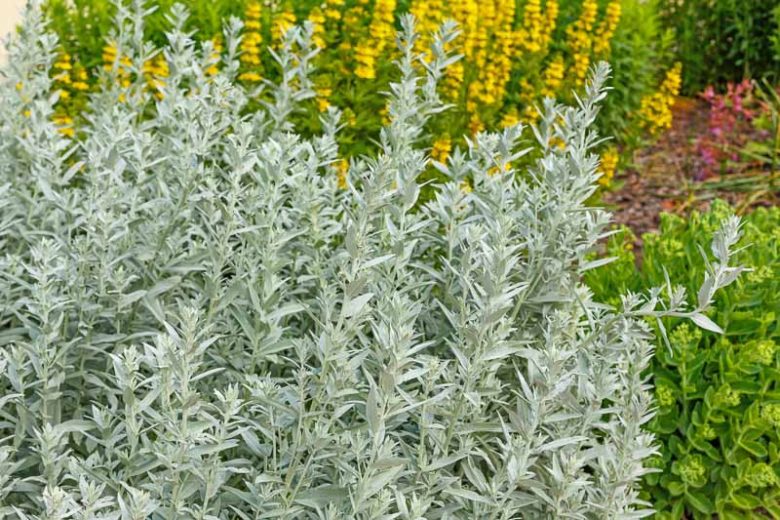


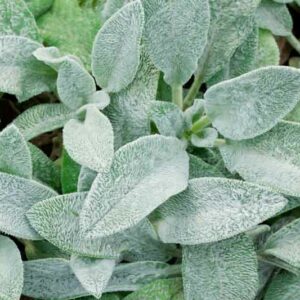
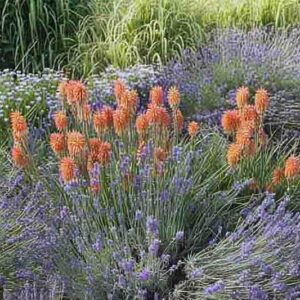
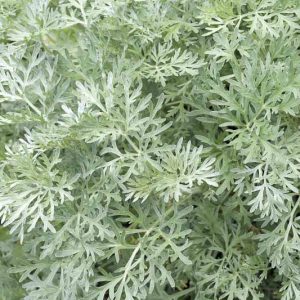
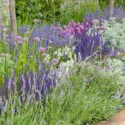
Grown for its luminous silver-white foliage, Artemisia ludoviciana (White Sage) is a vigorous, spreading perennial that brings light, texture, and contrast to sunny landscapes. It forms bushy clumps of lance-shaped leaves, 2-4 in. long (5-10 cm), that are white-woolly beneath and greener above. The foliage is aromatic when bruised and pairs beautifully with brightly colored flowering perennials. Its tiny yellow-gray flowers are relatively inconspicuous and are often removed to keep the focus on the foliage.
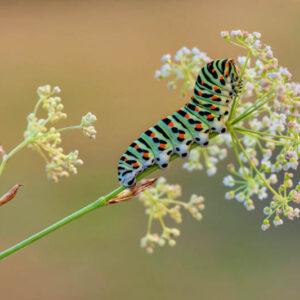
White Sage is also a documented larval host plant for the American Lady butterfly (Vanessa virginiensis). Caterpillars feed on the foliage and may build silk-bound shelters among the leaves. In a butterfly garden, some chewed or webbed foliage can therefore be a sign that the plant is successfully supporting the next generation.
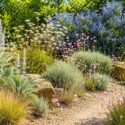
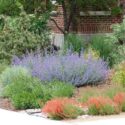
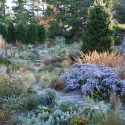
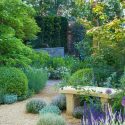
This foliage plant is especially useful in dry, sunny sites where its silvery leaves can soften stronger colors and provide a cooling visual effect. Because it spreads readily by rhizomes and may also self-seed, it is best planted where some expansion is acceptable or where its spread can be managed.
| Hardiness |
4 - 9 |
|---|---|
| Heat Zones |
1 - 9 |
| Climate Zones | 1, 1A, 1B, 2, 2A, 2B, 3, 3A, 3B, 4, 5, 6, 7, 8, 9, 10, 11, 12, 13, 14, 15, 16, 17, 18, 19, 20, 21, 22, 23, 24 |
| Plant Type | Perennials |
| Plant Family | Compositae |
| Genus | Artemisia |
| Common names | Mugwort, Prairie Sage, White Sage, Wormwood |
| Exposure | Full Sun |
| Season of Interest | Spring (Mid, Late), Summer (Early, Mid, Late) |
| Height | 2' - 3' (60cm - 90cm) |
| Spread | 2' - 3' (60cm - 90cm) |
| Spacing | 24" - 36" (60cm - 90cm) |
| Maintenance | Average |
| Water Needs | Low |
| Soil Type | Chalk, Loam, Sand |
| Soil pH | Acid, Alkaline, Neutral |
| Soil Drainage | Well-Drained |
| Characteristics | Fragrant, Showy |
| Native Plants | United States, Pennsylvania, Rhode Island, Vermont, Connecticut, Delaware, Maine, Massachusetts, Maryland, New Hampshire, New Jersey, New York, California, Northeast, Midwest, Pacific Northwest, Southeast, Southwest, Rocky Mountains, Illinois, Indiana, Iowa, Kansas, Michigan, Minnesota, Missouri, Nebraska, North Dakota, Ohio, South Dakota, Wisconsin, Idaho, Oregon, Washington, Louisiana, Mississippi, North Carolina, South Carolina, Tennessee, Virginia, Arkansas, Georgia, Kentucky, Texas, Arizona, Nevada, New Mexico, Oklahoma, Colorado, Montana, Utah, Wyoming |
| Tolerances | Drought, Deer, Rabbit, Dry Soil, Poor Soil, Fire, Erosion |
| Attracts | Butterflies |
| Garden Uses | Beds And Borders, Patio And Containers, Underplanting Roses And Shrubs |
| Garden Styles | Butterfly Garden, Informal and Cottage, Pollinator Garden |
| Toxic to Humans | No known toxicity |
| Toxic to Cats | No known toxicity |
| Toxic to Dogs | No known toxicity |
| Toxic to Horses | No known toxicity |


| Hardiness |
4 - 9 |
|---|---|
| Heat Zones |
1 - 9 |
| Climate Zones | 1, 1A, 1B, 2, 2A, 2B, 3, 3A, 3B, 4, 5, 6, 7, 8, 9, 10, 11, 12, 13, 14, 15, 16, 17, 18, 19, 20, 21, 22, 23, 24 |
| Plant Type | Perennials |
| Plant Family | Compositae |
| Genus | Artemisia |
| Common names | Mugwort, Prairie Sage, White Sage, Wormwood |
| Exposure | Full Sun |
| Season of Interest | Spring (Mid, Late), Summer (Early, Mid, Late) |
| Height | 2' - 3' (60cm - 90cm) |
| Spread | 2' - 3' (60cm - 90cm) |
| Spacing | 24" - 36" (60cm - 90cm) |
| Maintenance | Average |
| Water Needs | Low |
| Soil Type | Chalk, Loam, Sand |
| Soil pH | Acid, Alkaline, Neutral |
| Soil Drainage | Well-Drained |
| Characteristics | Fragrant, Showy |
| Native Plants | United States, Pennsylvania, Rhode Island, Vermont, Connecticut, Delaware, Maine, Massachusetts, Maryland, New Hampshire, New Jersey, New York, California, Northeast, Midwest, Pacific Northwest, Southeast, Southwest, Rocky Mountains, Illinois, Indiana, Iowa, Kansas, Michigan, Minnesota, Missouri, Nebraska, North Dakota, Ohio, South Dakota, Wisconsin, Idaho, Oregon, Washington, Louisiana, Mississippi, North Carolina, South Carolina, Tennessee, Virginia, Arkansas, Georgia, Kentucky, Texas, Arizona, Nevada, New Mexico, Oklahoma, Colorado, Montana, Utah, Wyoming |
| Tolerances | Drought, Deer, Rabbit, Dry Soil, Poor Soil, Fire, Erosion |
| Attracts | Butterflies |
| Garden Uses | Beds And Borders, Patio And Containers, Underplanting Roses And Shrubs |
| Garden Styles | Butterfly Garden, Informal and Cottage, Pollinator Garden |
| Toxic to Humans | No known toxicity |
| Toxic to Cats | No known toxicity |
| Toxic to Dogs | No known toxicity |
| Toxic to Horses | No known toxicity |
How many Artemisia ludoviciana (White Sage) do I need for my garden?
| Plant | Quantity | |
|---|---|---|
| Artemisia ludoviciana (White Sage) | N/A | Buy Plants |
Create a membership account to save your garden designs and to view them on any device.
Becoming a contributing member of Gardenia is easy and can be done in just a few minutes. If you provide us with your name, email address and the payment of a modest $25 annual membership fee, you will become a full member, enabling you to design and save up to 25 of your garden design ideas.
Join now and start creating your dream garden!