White Heath Aster, Heath Aster, Symphyotrichum ericoides


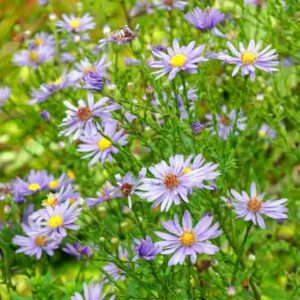
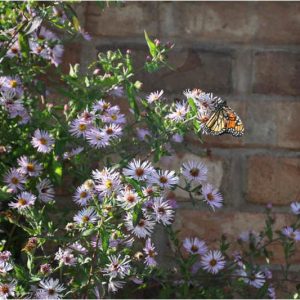
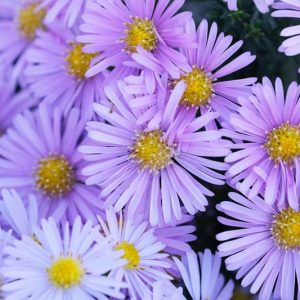
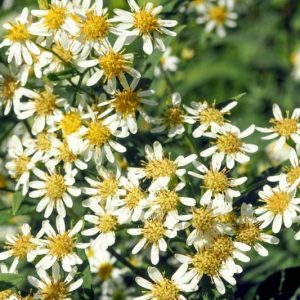
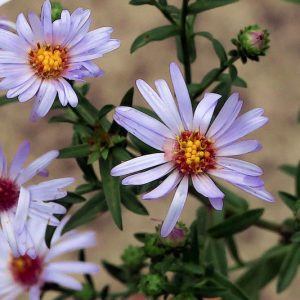
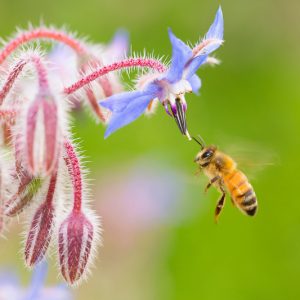
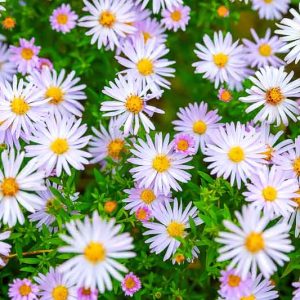
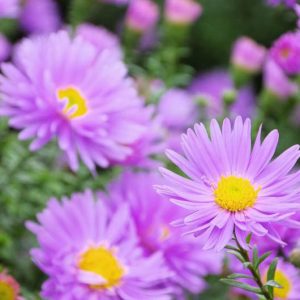
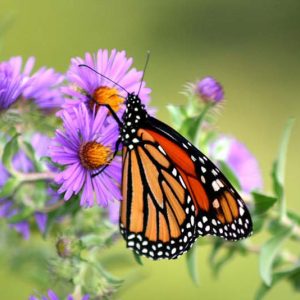
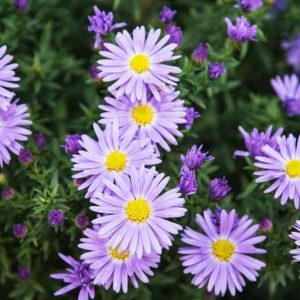
Symphyotrichum ericoides (Heath Aster) is a compact, bushy North American perennial valued for its clouds of tiny white flowers, fine-textured foliage, and exceptional wildlife value. From late summer into fall, its many-branched stems become covered with masses of small, starry blooms with yellow centers, often creating the impression of a plant dusted in white. The flowers attract butterflies, skippers, moths, bees, flies, and beetles, making Heath Aster an excellent late-season pollinator plant.
The slender, linear leaves are narrow and needlelike, giving the plant a heath-like appearance and inspiring its common name. Despite their fine, pointed shape, the leaves are soft rather than prickly. Spreading gradually by rhizomes, Heath Aster can form attractive colonies and is especially useful in sunny, dry, sandy, or rocky sites where many other perennials struggle.
Heath Aster is also a documented larval host plant for the Pearl Crescent butterfly (Phyciodes tharos). Caterpillars feed on the foliage, while the flowers provide late-season nectar for adult butterflies and many other pollinators. This makes Symphyotrichum ericoides particularly valuable in butterfly gardens because it can support both the larval and adult stages of the butterfly’s life cycle.
| Hardiness |
3 - 10 |
|---|---|
| Heat Zones |
1 - 8 |
| Climate Zones | 1, 1A, 1B, 2, 2A, 2B, 3, 3A, 3B, 4, 5, 6, 7, 8, 9, 10, 14, 15, 16, 17, 18, 19, 20, 21, 22, 23, 24 |
| Plant Type | Perennials |
| Plant Family | Compositae |
| Genus | Aster |
| Common names | Aster, Michaelmas Daisy |
| Exposure | Full Sun |
| Season of Interest | Summer (Late), Fall |
| Height | 1' - 3' (30cm - 90cm) |
| Spread | 1' - 2' (30cm - 60cm) |
| Spacing | 24" (60cm) |
| Maintenance | Low |
| Water Needs | Low, Average |
| Soil Type | Chalk, Clay, Loam, Sand |
| Soil pH | Acid, Alkaline, Neutral |
| Soil Drainage | Well-Drained |
| Characteristics | Cut Flowers, Showy |
| Native Plants | United States, Pennsylvania, Rhode Island, Vermont, Connecticut, Delaware, Maine, Massachusetts, Maryland, New Hampshire, New Jersey, New York, Northeast, Midwest, Pacific Northwest, Southeast, Southwest, Rocky Mountains, Illinois, Indiana, Iowa, Kansas, Michigan, Minnesota, Missouri, Nebraska, North Dakota, Ohio, South Dakota, Wisconsin, Idaho, Oregon, Washington, Mississippi, Tennessee, Virginia, West Virginia, Arkansas, Texas, Arizona, New Mexico, Oklahoma, Colorado, Montana, Utah, Wyoming |
| Tolerances | Drought, Dry Soil, Rocky Soil, Clay Soil, Poor Soil, Fire, Erosion |
| Attracts | Bees, Butterflies |
| Garden Uses | Beds And Borders, Ground Covers |
| Garden Styles | Butterfly Garden, Coastal Garden, Gravel and Rock Garden, Informal and Cottage, Pollinator Garden |
| Toxic to Humans | No known toxicity |
| Toxic to Cats | No known toxicity |
| Toxic to Dogs | No known toxicity |
| Toxic to Horses | No known toxicity |


| Hardiness |
3 - 10 |
|---|---|
| Heat Zones |
1 - 8 |
| Climate Zones | 1, 1A, 1B, 2, 2A, 2B, 3, 3A, 3B, 4, 5, 6, 7, 8, 9, 10, 14, 15, 16, 17, 18, 19, 20, 21, 22, 23, 24 |
| Plant Type | Perennials |
| Plant Family | Compositae |
| Genus | Aster |
| Common names | Aster, Michaelmas Daisy |
| Exposure | Full Sun |
| Season of Interest | Summer (Late), Fall |
| Height | 1' - 3' (30cm - 90cm) |
| Spread | 1' - 2' (30cm - 60cm) |
| Spacing | 24" (60cm) |
| Maintenance | Low |
| Water Needs | Low, Average |
| Soil Type | Chalk, Clay, Loam, Sand |
| Soil pH | Acid, Alkaline, Neutral |
| Soil Drainage | Well-Drained |
| Characteristics | Cut Flowers, Showy |
| Native Plants | United States, Pennsylvania, Rhode Island, Vermont, Connecticut, Delaware, Maine, Massachusetts, Maryland, New Hampshire, New Jersey, New York, Northeast, Midwest, Pacific Northwest, Southeast, Southwest, Rocky Mountains, Illinois, Indiana, Iowa, Kansas, Michigan, Minnesota, Missouri, Nebraska, North Dakota, Ohio, South Dakota, Wisconsin, Idaho, Oregon, Washington, Mississippi, Tennessee, Virginia, West Virginia, Arkansas, Texas, Arizona, New Mexico, Oklahoma, Colorado, Montana, Utah, Wyoming |
| Tolerances | Drought, Dry Soil, Rocky Soil, Clay Soil, Poor Soil, Fire, Erosion |
| Attracts | Bees, Butterflies |
| Garden Uses | Beds And Borders, Ground Covers |
| Garden Styles | Butterfly Garden, Coastal Garden, Gravel and Rock Garden, Informal and Cottage, Pollinator Garden |
| Toxic to Humans | No known toxicity |
| Toxic to Cats | No known toxicity |
| Toxic to Dogs | No known toxicity |
| Toxic to Horses | No known toxicity |
How many Aster ericoides (Heath Aster) do I need for my garden?
| Plant | Quantity | |
|---|---|---|
| Aster ericoides (Heath Aster) | N/A | Buy Plants |
Create a membership account to save your garden designs and to view them on any device.
Becoming a contributing member of Gardenia is easy and can be done in just a few minutes. If you provide us with your name, email address and the payment of a modest $25 annual membership fee, you will become a full member, enabling you to design and save up to 25 of your garden design ideas.
Join now and start creating your dream garden!