Solanna Sunset Bright Tickseed, Solanna Sunset Bright Coreopsis, Sunset Bright Coreopsis, Large Flowered Tickseed
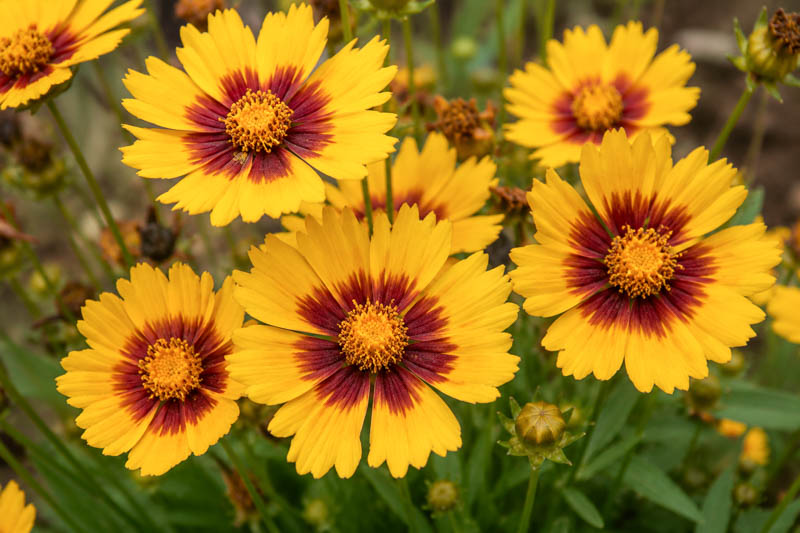
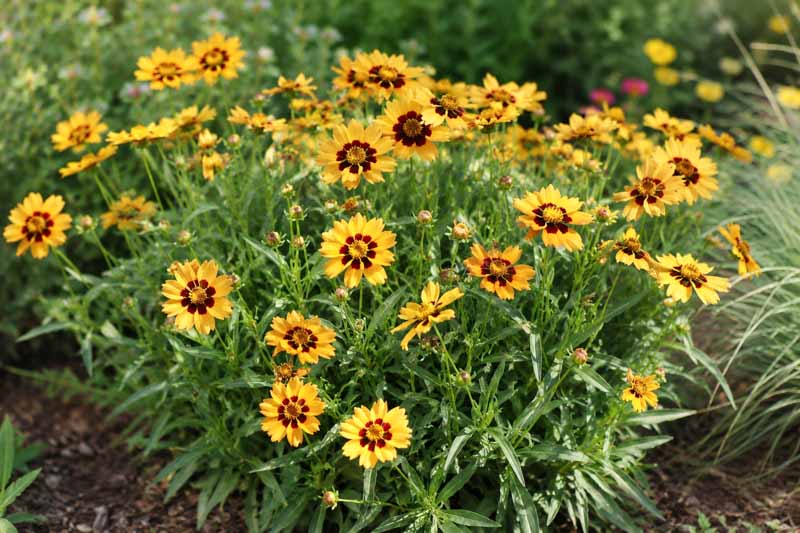


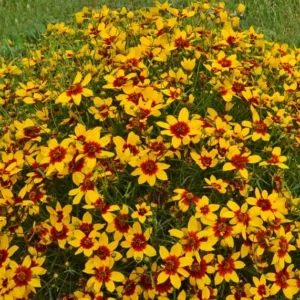
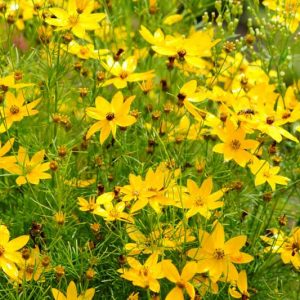
Coreopsis grandiflora Solanna™ Sunset Bright is a compact, long-blooming tickseed with golden-yellow flowers, warm red centers, tidy green foliage, and the kind of easy charm that makes sunny borders feel instantly brighter. Part of the Solanna™ series, this well-branched perennial is prized for first-year flowering, prolonged bloom from spring to fall, and reliable performance in containers, pollinator gardens, cottage gardens, edging, and low-maintenance landscapes. It is colorful, practical, pet-friendly, and compact enough for small spaces.
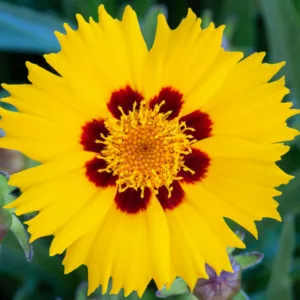
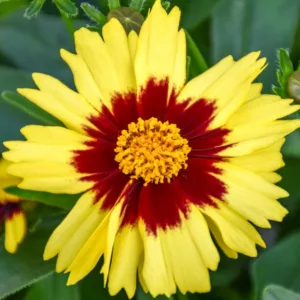
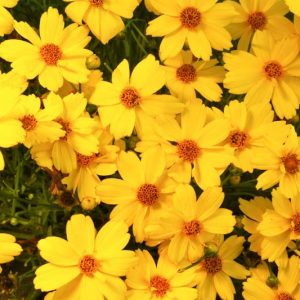
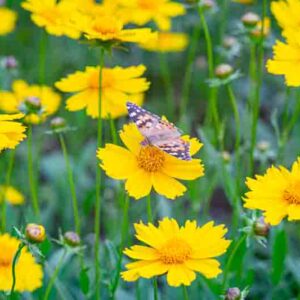
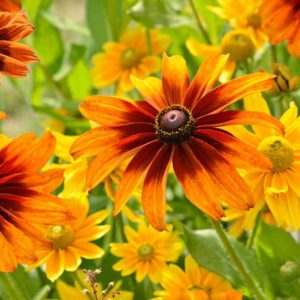
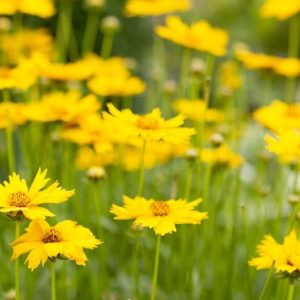
Compact, mounded perennial tickseed with golden-yellow daisy-like flowers marked by a warm red eye.
Use: Excellent for sunny borders, containers, cottage gardens, pollinator gardens, edging, mass planting, cut flowers, and low-maintenance landscapes.
Highlight: A bright Solanna™ series Coreopsis with prolonged flowering, first-year bloom, good mildew tolerance, and a bold golden-red color pattern.
| Botanical Name | Coreopsis grandiflora Solanna™ Sunset Bright |
|---|---|
| Family | Asteraceae |
| Common Names | Solanna™ Sunset Bright Tickseed, Large-Flowered Tickseed, Coreopsis |
| Plant Type and Habit | Herbaceous perennial; compact, mounded, well-branched |
| Hardiness | USDA Zones 4 to 9 |
| Size | About 14 to 20 inches tall and 20 to 22 inches wide, depending on growing conditions |
| Sun and Exposure | Full sun for best flowering, color, and compact growth |
| Soil | Average, dry to medium moisture, well-drained soil |
| Bloom Time | Spring to fall with good care |
| Flower Color | Golden yellow with a red to burgundy eye |
| Wildlife Value | Attracts bees, butterflies, and other pollinators |
| Special Traits | Long blooming, deer-resistant, mildew tolerant, container-friendly, useful for cut flowers and mass planting |
The golden petals and red eye create a glowing sunset effect – especially striking beside purple, blue, silver, and soft peach companions.
Coreopsis flowers best in bright sun and well-drained soil. Too much shade, rich fertilizer, or soggy ground can weaken the habit and reduce bloom.
Use Solanna™ Sunset Bright like a spotlight. One plant adds cheer, three create rhythm, and a drift turns a sunny border into a glowing ribbon of gold.
Coreopsis grandiflora Solanna™ Sunset Bright is a compact perennial tickseed grown for bright, daisy-like flowers and easy-care garden performance. The blooms are golden yellow with a red to burgundy eye, giving each flower a warm sunset center. It delivers the sunny charm gardeners expect from Coreopsis, but in a tidy form that suits both informal plantings and polished borders.
This Solanna™ selection forms a compact, well-branched mound rather than a loose, sprawling clump. Plants typically reach about 14 to 20 inches tall and 20 to 22 inches wide, making them useful at the front of borders, along paths, in patio containers, and in mass plantings. The rounded shape gives the plant a finished look even before peak bloom.
The flowers are the star feature. Solanna™ Sunset Bright produces golden blooms with a rich red eye, creating strong contrast without looking harsh. The Solanna™ series is known for prolonged flowering, first-year bloom, and self-cleaning performance, although occasional deadheading or light shearing can improve appearance and encourage fresh waves of color.
The foliage is green, compact, and leafy, forming a neat base for the bright flowers. Because the plant stays relatively low and dense, it is easier to place than taller Coreopsis varieties that may need support from neighboring perennials. Its clean habit also works well in small gardens where every plant must look good up close.
Solanna™ Sunset Bright is hardy in USDA Zones 4 to 9. It performs best in full sun, average to dry soil, and good drainage. In hot climates, regular watering during establishment helps plants settle quickly. In colder or wetter regions, drainage is especially important because Coreopsis dislikes soggy crowns, particularly in winter.
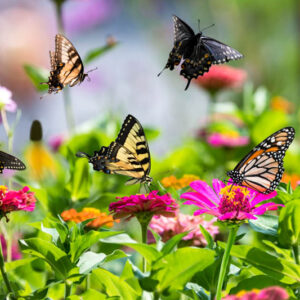
Coreopsis is a dependable choice for pollinator-friendly gardens. Its open flowers provide easy access for bees and butterflies, especially when several plants are grouped together. For best habitat value, combine Solanna™ Sunset Bright with other long-blooming perennials so nectar and pollen are available across the growing season.
Solanna™ Sunset Bright is commonly described as deer-resistant. No perennial is completely deer-proof, but Coreopsis is not usually a preferred browse. Rabbits may occasionally nibble tender new growth, so protect young plants until they are established.
Coreopsis, commonly called tickseed, is listed by the ASPCA as non-toxic to dogs, non-toxic to cats, and non-toxic to horses. That makes Solanna™ Sunset Bright a reassuring choice for pet-friendly gardens. As with any ornamental plant, pets should not be encouraged to chew or eat garden plants, since large amounts of unfamiliar plant material may cause stomach upset.
Once established, Solanna™ Sunset Bright handles dry spells better than many lush perennials. Water regularly during the first growing season to build a strong root system, then shift to deep, occasional watering during prolonged drought. Container plants need more frequent attention because pots dry out faster than garden soil.
Coreopsis grandiflora is not generally considered invasive in gardens. Some Coreopsis may self-seed if spent flowers are left in place, but seedlings from named cultivars may not match the parent plant. Deadhead regularly if you want to limit seedlings and keep the planting looking crisp.
Full sun is essential for the strongest flowering and most compact habit. Aim for at least 6 hours of direct sun each day. In too much shade, plants may stretch, flower less, and become more vulnerable to mildew. In sunny, open sites, the flower color is brighter and the mound stays tighter.
Plant Solanna™ Sunset Bright in average, well-drained soil. It does not need rich ground to perform well. In fact, overly fertile soil can produce leafy growth at the expense of flowers. Sandy loam, amended clay, and ordinary garden soil are all suitable if drainage is good.
Water deeply after planting and keep soil lightly moist while the plant establishes. Once rooted, allow the soil to dry slightly between waterings. Avoid keeping the crown constantly wet, especially in cool weather. In containers, check moisture often during heat waves and water when the top layer of potting mix dries.
Coreopsis is not a heavy feeder. In most soils, a light spring compost topdressing is enough. If growing in containers, use a balanced fertilizer sparingly. Too much fertilizer can create soft growth, fewer flowers, and a less compact plant.
Plant in spring after frost or in early fall where winters are mild. Space plants about 16 to 22 inches apart, depending on how quickly you want them to fill in. Set the crown at soil level, water well, and mulch lightly, keeping mulch away from the crown to reduce rot risk.
Solanna™ Sunset Bright is bred for prolonged flowering, but light grooming keeps it at its best. Remove spent blooms when practical, or shear lightly after a heavy bloom cycle to refresh the mound. This encourages more flowers and prevents the planting from looking tired in late summer.
Maintenance is simple. Remove damaged stems, keep weeds from crowding the crown, and cut back old growth in late winter or early spring before new shoots appear. In wet-winter climates, avoid smothering the crown with heavy mulch or debris.
Divide established clumps in spring when new growth begins. Division helps maintain vigor and preserves cultivar traits. Seedlings may appear in some gardens, but they may differ from the parent plant in flower color, size, or habit.
Solanna™ Sunset Bright is generally easy to grow, especially in full sun and well-drained soil. Most issues come from shade, overcrowding, overwatering, or poor drainage.
For the most professional look, repeat Solanna™ Sunset Bright in groups of three, five, or seven. Repetition makes the color feel intentional and polished.
Choose companion plants that enjoy full sun, well-drained soil, and average to dry moisture. The best partners either cool the gold-and-red flowers with blue, purple, and silver, or echo the warm sunset palette with orange, peach, terracotta, and yellow.
Coreopsis grandiflora Solanna™ Sunset Bright is a compact, mounded perennial tickseed with golden-yellow flowers marked by a red to burgundy eye. It is part of the Solanna™ series and is valued for first-year flowering, long bloom, pollinator appeal, and easy care in sunny gardens.
Solanna™ Sunset Bright Coreopsis typically grows about 14 to 20 inches tall and 20 to 22 inches wide, forming a compact, well-branched mound suitable for borders, containers, edging, and mass planting.
Yes. Full sun is best for strong growth, heavy flowering, compact habit, and vivid flower color. Aim for at least 6 hours of direct sun daily. In too much shade, plants may stretch, flower less, and become more prone to mildew.
Solanna™ Sunset Bright Tickseed is known for prolonged flowering from spring to fall with good care. Deadheading or light shearing after bloom flushes can help keep plants tidy and encourage additional flowers.
Coreopsis, commonly called tickseed, is listed by the ASPCA as non-toxic to dogs, cats, and horses. Even so, pets should not be encouraged to eat ornamental plants because large amounts of unfamiliar plant material may cause stomach upset.
Yes. Coreopsis Solanna™ Sunset Bright is drought tolerant once established. Water regularly during the first growing season, then provide deep, occasional watering during extended dry periods.
Deadheading is helpful. Although Solanna™ selections are bred for prolonged flowering and a cleaner habit, removing spent flowers or lightly shearing after a bloom cycle keeps the plant tidy and can encourage additional blooms.
Yes. Its compact, mounded habit makes Solanna™ Sunset Bright excellent for containers. Use a pot with drainage holes, plant in a well-drained potting mix, place it in full sun, and water more often than you would for plants in the ground.
Updated: June 2026 • Reviewed by Gardenia Editors
| Hardiness |
4 - 9 |
|---|---|
| Heat Zones |
1 - 11 |
| Climate Zones | 2, 2A, 2B, 3, 3A, 3B, 4, 5, 6, 7, 8, 9, 10, 11, 12, 13, 14, 15, 16, 17, 18, 19, 20, 21, 22, 23, 24, H1, H2 |
| Plant Type | Annuals, Perennials |
| Plant Family | Compositae |
| Genus | Coreopsis |
| Common names | Coreopsis, Tickseed |
| Exposure | Full Sun, Partial Sun |
| Season of Interest | Spring (Late), Summer (Early, Mid, Late), Fall |
| Height | 1' - 2' (30cm - 60cm) |
| Spread | 1' - 2' (30cm - 60cm) |
| Spacing | 20" - 24" (50cm - 60cm) |
| Maintenance | Low |
| Water Needs | Average, Low |
| Soil Type | Loam, Sand |
| Soil pH | Acid, Alkaline, Neutral |
| Soil Drainage | Moist but Well-Drained, Well-Drained |
| Characteristics | Cut Flowers, Showy |
| Tolerances | Deer, Rabbit, Dry Soil, Rocky Soil, Heat, Poor Soil, Fire |
| Attracts | Bees, Butterflies |
| Garden Uses | Beds And Borders, Patio And Containers |
| Garden Styles | Butterfly Garden, City and Courtyard, Coastal Garden, Informal and Cottage, Pollinator Garden |
| Toxic to Humans | No known toxicity |
| Toxic to Cats | Not toxic |
| Toxic to Dogs | Not toxic |
| Toxic to Horses | Not toxic |


| Hardiness |
4 - 9 |
|---|---|
| Heat Zones |
1 - 11 |
| Climate Zones | 2, 2A, 2B, 3, 3A, 3B, 4, 5, 6, 7, 8, 9, 10, 11, 12, 13, 14, 15, 16, 17, 18, 19, 20, 21, 22, 23, 24, H1, H2 |
| Plant Type | Annuals, Perennials |
| Plant Family | Compositae |
| Genus | Coreopsis |
| Common names | Coreopsis, Tickseed |
| Exposure | Full Sun, Partial Sun |
| Season of Interest | Spring (Late), Summer (Early, Mid, Late), Fall |
| Height | 1' - 2' (30cm - 60cm) |
| Spread | 1' - 2' (30cm - 60cm) |
| Spacing | 20" - 24" (50cm - 60cm) |
| Maintenance | Low |
| Water Needs | Average, Low |
| Soil Type | Loam, Sand |
| Soil pH | Acid, Alkaline, Neutral |
| Soil Drainage | Moist but Well-Drained, Well-Drained |
| Characteristics | Cut Flowers, Showy |
| Tolerances | Deer, Rabbit, Dry Soil, Rocky Soil, Heat, Poor Soil, Fire |
| Attracts | Bees, Butterflies |
| Garden Uses | Beds And Borders, Patio And Containers |
| Garden Styles | Butterfly Garden, City and Courtyard, Coastal Garden, Informal and Cottage, Pollinator Garden |
| Toxic to Humans | No known toxicity |
| Toxic to Cats | Not toxic |
| Toxic to Dogs | Not toxic |
| Toxic to Horses | Not toxic |
How many Coreopsis grandiflora Solanna™ Sunset Bright (Tickseed) do I need for my garden?
| Plant | Quantity | |
|---|---|---|
| Coreopsis grandiflora Solanna™ Sunset Bright (Tickseed) | N/A | Buy Plants |
Create a membership account to save your garden designs and to view them on any device.
Becoming a contributing member of Gardenia is easy and can be done in just a few minutes. If you provide us with your name, email address and the payment of a modest $25 annual membership fee, you will become a full member, enabling you to design and save up to 25 of your garden design ideas.
Join now and start creating your dream garden!
Create a membership account to save your garden designs and to view them on any device.
Becoming a contributing member of Gardenia is easy and can be done in just a few minutes. If you provide us with your name, email address and the payment of a modest $25 annual membership fee, you will become a full member, enabling you to design and save up to 25 of your garden design ideas.
Join now and start creating your dream garden!