Blackberry, Bramble, Brambleberry, European Blackberry, Common Blackberry, Shrub Blackberry, Dewberry (sometimes applied), Bush Blackberry


Updated: September 12, 2025 • Reviewed by Gardenia Editors
Summary: Blackberries are vigorous brambles that reward gardeners with glossy, sweet-tart clusters of blackberry fruit on second-year canes (floricanes) — and, in some modern cultivars, even on first-year primocanes. Thornless choices tame the wildness for backyard beds, while trailing types shine on fences and trellises.
Taste: Juicy and winey-sweet with a hint of forest spice.
Use: Fresh eating, blackberry jam, blackberry pie recipe, blackberry crumble, blackberry cobbler recipe, syrups, vinegars, liqueurs (hello, blackberry brandy), freezing.
Safety: Fruit edible; canes on many types are thorny—gloves recommended.
| Botanical Name | Rubus fruticosus aggregate (complex of closely related species & hybrids) |
|---|---|
| Family | Rosaceae (Rose family) |
| Common Names | Blackberry, Bramble, Brambleberry, European Blackberry, Common Blackberry, Shrub Blackberry, Dewberry (sometimes applied), Bush Blackberry |
| Native Range | Europe and Western Asia; naturalized extensively in North America, Australia, New Zealand, and beyond |
| Plant Type & Habit | Deciduous bramble; arching or trailing canes; forms thickets; spreads by tip-layering and suckers (variety-dependent) |
| Hardiness (USDA) | 5–9 (varies by cultivar and type; some to Zone 4; primocane types favor warmer zones) |
| Size | Canes 3–10 ft (1–3 m), width 3–10 ft (1–3 m), depending on type and training |
| Sun & Exposure | Full sun (6–8 hrs); light afternoon shade in hot-summer climates |
| Soil | Fertile, well-drained loam; slightly acidic to neutral (pH ~5.5–7.0); raised rows improve drainage |
| Bloom & Fruit | Bloom late spring; fruit ripens early–late summer (June in warmer regions, July–August in cooler); primocane types extend into early fall |
| Fruit Seasons | Floricane types: One main summer crop on second-year canes. Primocane-fruiting types: Late-summer to fall crop on current-year canes (e.g., ‘Prime-Ark’ series); optional spring crop if canes overwinter. |
| Lifespan | Canes live two seasons (primocane → floricane); crown/root system perennial, typically productive 10–15+ years with good care |
| Wildlife | Flowers attract bees & butterflies; fruit feeds birds & mammals; thickets provide cover |
| Toxicity | Fruit edible and safe; thorns can scratch; leaves sometimes used for tea (moderation; consult clinician if pregnant); small portions safe for most pets |
| Invasiveness | Garden cultivars are manageable with pruning/edging; some wild species can be invasive—check local guidance |
| Primary Uses | Fresh eating; baking (blackberry pie recipe, blackberry crumble, blackberry cobbler recipe); blackberry jam; blackberry compote; syrups; blackberry brandy |
If you’ve ever come home from a summer walk with purple fingertips and a smile you can’t hide, you already understand the charm of the blackberry bush. This is the fruit that turns fence lines into dessert, hedges into homemade jelly, and lazy Sundays into a bubbling blackberry cobbler recipe wafting through the house. The beauty of the blackberry plant is how generous it is: a few canes today become bowlfuls tomorrow — and with a little training and pruning, you’ll get civilized abundance instead of chaos.
Blackberry (Rubus fruticosus agg.) refers to a complex of closely related bramble species and hybrids. Like raspberries, the plant is a perennial with biennial canes. First-year canes (primocanes) grow long and leafy; second-year canes (floricanes) flower and fruit, then die back. In primocane-fruiting cultivars, you’ll also see fruit on the tips of first-year canes late in the season — an exciting twist that delivers dessert sooner.
Wild blackberries originated across Europe and Western Asia and have adapted to hedgerows, forest margins, and riverbanks. They’ve naturalized widely (sometimes a bit too enthusiastically) in North America, Australia, and New Zealand. Garden varieties today include refined thornless types and flavor-packed regional specialties like marionberry and boysenberry.
With proper care, a blackberry plant can live 15–20 years (sometimes longer), though peak productivity is usually in the first 10–12 years.
Depending on type, canes can reach 3–10 ft (1–3 m). Trailing blackberries need a support system — think fence or two-wire trellis. Erect and semi-erect types are more self-supporting but still benefit from a tidy wire or two.
Blackberries are lively. A new planting can yield a modest harvest the next summer and a respectable haul by year two or three — just in time to perfect your blackberry pie recipe and put a batch of blackberry jam on the shelf.
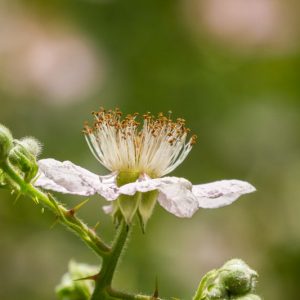
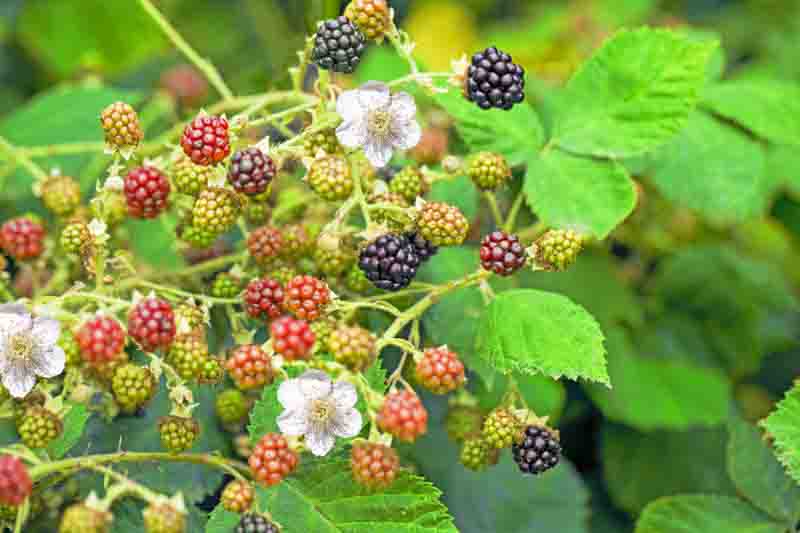
Five-petaled white (sometimes faintly pink) blossoms open in late spring. Pollinators adore them — more bees and butterflies means plumper berries.
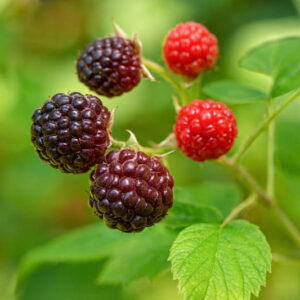
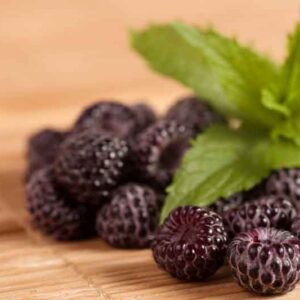
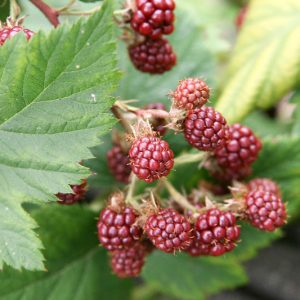
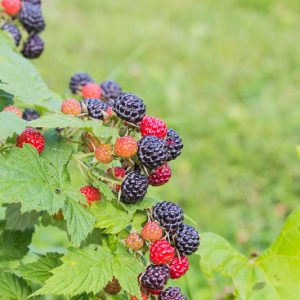
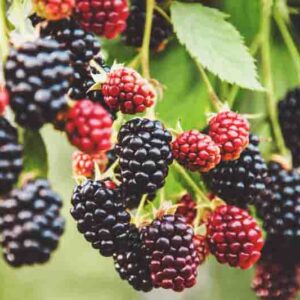
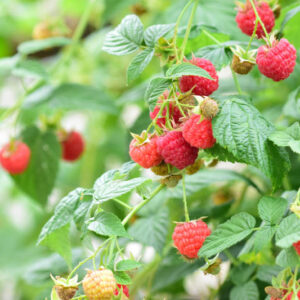
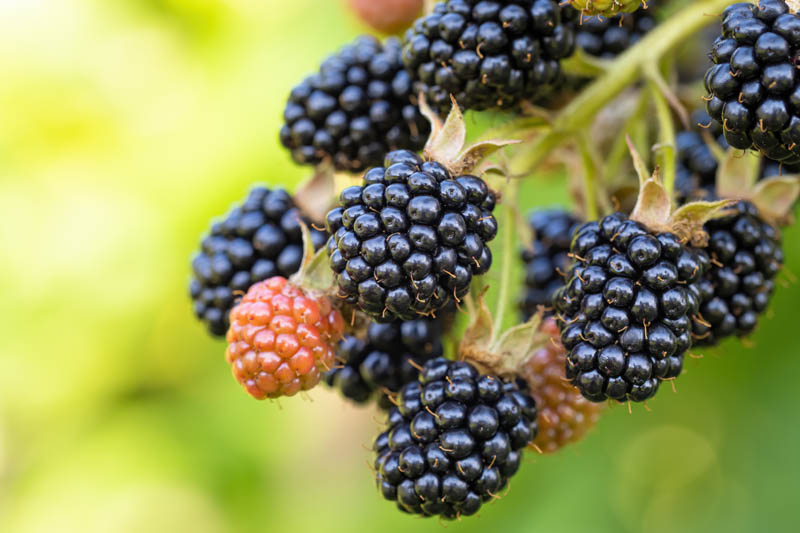
Blackberries are aggregate fruits made of drupelets that cling to the receptacle — unlike raspberries, which detach and leave a hollow core. Fruiting typically begins in early to late summer (June in warmer regions, July–August in cooler ones), with the season stretching several weeks as clusters ripen progressively. The best flavor comes when berries have turned fully black with a dull sheen and slip from the cluster with a gentle tug.
Compound leaves with three to five serrated leaflets clothe the canes, shading fruit and powering growth. Older, thorny cultivars have serious prickles; many modern types are pleasantly thornless.
Most garden blackberries thrive in USDA 5–9. In colder zones, choose hardy varieties, mulch crowns in winter, and train canes low so you can lay them down and cover during deep freezes if necessary.
Blackberry flowers brim with nectar and pollen, drawing bees and butterflies. Dense thickets provide shelter and nesting sites for small birds, while ripe blackberry fruit is irresistible to thrushes, robins, and small mammals. If birds get too enthusiastic, drape bird netting as berries color to protect your harvest.
Blackberry fruit is edible and beloved by humans and many animals. The leaves are sometimes harvested for mild herbal teas; as with any botanical, moderation is wise and medical guidance prudent during pregnancy. For pets, small amounts of blackberry fruit are generally safe for dogs and cats, though large servings may cause stomach upset. Avoid giving pets sweetened blackberry products such as jam or pie.
Left to themselves, blackberries can overrun a space. Garden-friendly cultivars plus regular pruning keep things in-bounds. Install edging, mow escapee suckers, and remove spent canes promptly.
Grower Story We started with two thornless plants on a backyard fence. Year one: a handful of berries and a lot of learning. Year two: we added a simple two-wire trellis and pruned like we meant it. Year three: Saturday mornings turned into jam sessions — literally. Nothing humbles you like a bramble that rewards good habits with overflowing bowls.
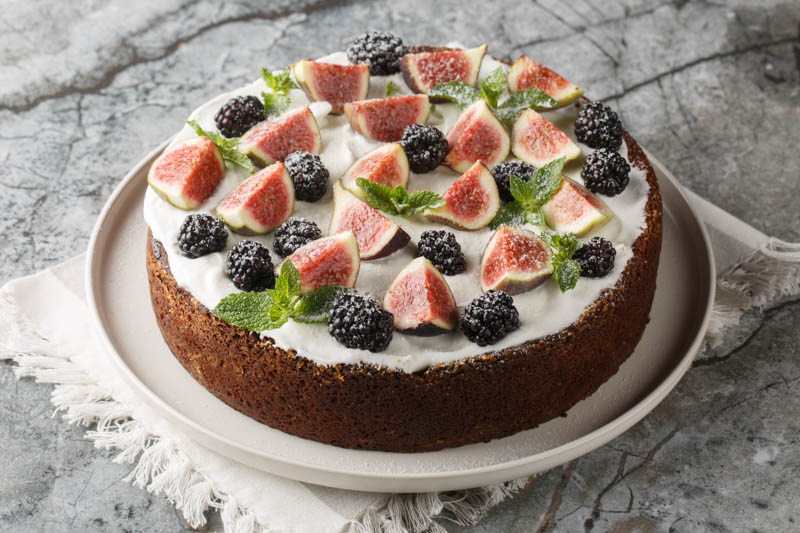
Blackberries are endlessly versatile. A freshly picked handful brightens yogurt; a pot of blackberry compote over pancakes turns an ordinary morning into a café moment; and a bubbling dessert — be it blackberry crumble or your grandma’s blackberry cobbler recipe — fills the kitchen with summer.
| Nutrient | Amount (approx.) |
|---|---|
| Calories | ~43 |
| Carbohydrates | ~10 g |
| Fiber | ~5 g |
| Protein | ~1.4 g |
| Vitamin C | ~21 mg |
| Manganese | ~0.6–0.7 mg |
| Potassium | ~150–180 mg |
Portion note: A cup (140–150 g) lands around 60–70 calories with impressive fiber and vitamin C. Big flavor, modest sugar.
| Category | Description | Example Varieties |
|---|---|---|
| Erect | Sturdy, upright canes; easy picking; often great fresh flavor. | ‘Navaho’, ‘Arapaho’, ‘Apache’ (mostly thornless) |
| Semi-erect | Arches gracefully; benefits from trellis; heavy yields. | ‘Triple Crown’, ‘Chester Thornless’, ‘Natchez’ |
| Trailing | Need trellis or fence; exceptional dessert quality in many regions. | ‘Marion’, ‘Olallie’, ‘Logan’, ‘Tayberry’ (hybrids) |
| Primocane-fruiting | Fruit late summer to fall on current-year canes; simple pruning. | ‘Prime-Ark® Freedom’, ‘Prime-Ark® Traveler’ |
| Thornless | Kinder on forearms; easy maintenance and harvest. | ‘Chester Thornless’, ‘Triple Crown’, ‘Navaho’, ‘Natchez’ |
For most home gardens, two stout end posts with two to three parallel wires (about 24, 36, and 48 inches) is perfect. Tie canes loosely with soft ties. Trailing types weave beautifully along a fence; primocane-fruiting cultivars do great on a basic two-wire system.
Consistent moisture during bloom and fruit swell = plump, sweet berries. Provide ~1–1.5 inches weekly, more during heat waves. Drip irrigation keeps leaves dry and disease pressure low.
In early spring, top-dress with compost. If growth looks pale or slow, apply a balanced fertilizer per label. Avoid heavy nitrogen late in the season; it can spur tender growth vulnerable to winter injury.
Mulch suppresses weeds and stabilizes soil moisture. Hand-weed around crowns — bramble roots are shallow and dislike tug-of-war.
Primocane-fruiting blackberries (simple method)
Two-crop method (optional): Leave primocanes after fall harvest for a small spring crop on lower nodes the following year, then remove them and let the new canes carry fall.
The cleanest system for big late-summer to fall berries.
Result: One abundant fall crop with minimal complexity.
Yes, you can grow a blackberry plant in a large container (15–25 gallons). Choose compact, thornless or primocane types, use a high-drainage potting mix, add a small trellis, water consistently, and refresh the top few inches of mix each spring.
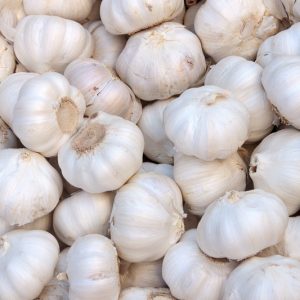
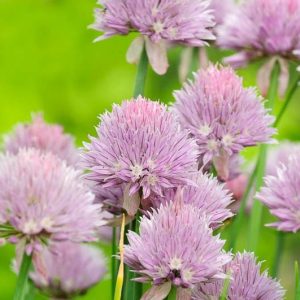
Aromatic alliums like garlic and chives help confuse pests. Pollinator flowers (borage, yarrow, lavender, marigolds) boost fruit set. Avoid planting near solanaceous crops, such as potatoes, tomatoes, and peppers if verticillium wilt is a local problem.
Pick in the cool of morning. Use shallow containers — blackberries bruise easily. Chill promptly. Don’t wash until just before eating or cooking.
Spread berries on a paper towel-lined tray and refrigerate; transfer to a lidded container once cold. Use within 3–4 days for best quality.
Freeze berries in a single layer on a baking sheet; then pack into bags. Add a tablespoon of sugar per pint if you prefer a softer texture after thawing.
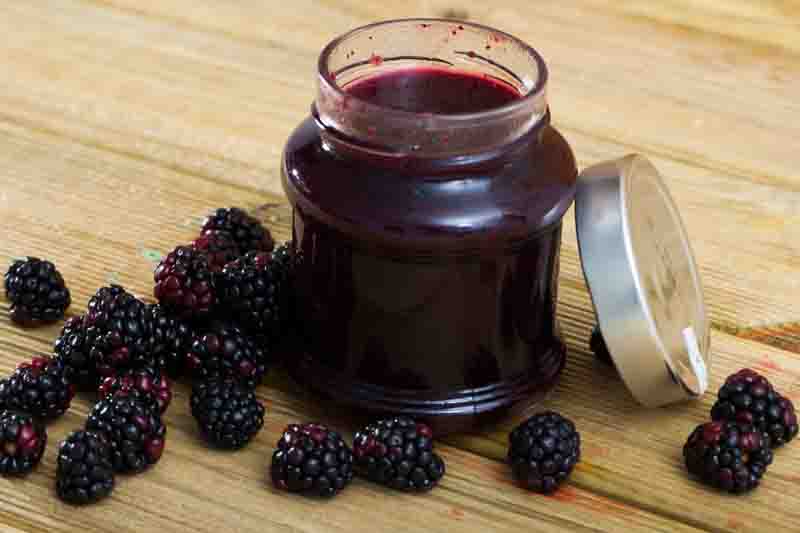
Few kitchen projects are as rewarding as small-batch blackberry jam. A quick syrup (berries + sugar + lemon) elevates pancakes and cocktails. For a silky dessert, blitz and strain berries into a classic blackberry compote to spoon over cheesecake or ice cream.
Steep berries in brandy with sugar and orange peel for a homemade blackberry brandy — a lovely after-dinner cordial and an unforgettable holiday gift.
Peak blackberry season varies by climate and cultivar. In many temperate regions, floricane types ripen from early to mid-summer; late types and primocane bearers carry the torch into fall. Farmers markets are treasure troves of regional specialties — marionberry in the Pacific Northwest, boysenberry in California — each with its own signature flavor profile. At home, frequent picking keeps plants productive and your kitchen stocked for spontaneous desserts and small-batch preserves.
The crown and roots can remain productive 10–15 years (often longer) with good pruning and care; individual canes live two seasons.
Trailing and semi-erect types yes; erect types benefit too. A simple two- or three-wire system keeps canes tidy, improves airflow, and speeds picking.
They can spread vigorously by suckers and tip-layering. Choose garden cultivars, install edging, and prune spent canes to keep patches contained.
Yes—use a large (15–25 gal) pot, thornless/compact or primocane variety, a sturdy trellis, and consistent watering.
Choose a primocane-fruiting variety, cut all canes to the ground each late winter, and enjoy one big fall crop—simple and clean.
Drape bird netting as fruit colors; secure edges. Reflective tape and harvest-every-other-day also help.
Modern thornless selections are delicious. Some connoisseurs prefer the spice of certain thorny types, but garden favorites like ‘Triple Crown’ are excellent.
Quick wins: stovetop blackberry compote, mini blackberry crumble, or a tiny jar of blackberry jam. Freeze extras until you have a pie’s worth.
Use fully ripe berries, add lemon juice, and thicken with cornstarch or tapioca. Vent or lattice the top; bake until juices bubble thickly at the center.
Start with two to four plants, pick a thornless variety if you want kid-friendly harvesting, and set up a simple two- or three-wire trellis. Water steadily through bloom and fruit swell. Prune by type. Then harvest with a gentle hand and a shallow bowl. Once you’ve got fruit, your kitchen practically runs itself: a quick blackberry jam, a standby blackberry pie recipe, a lazy-Sunday blackberry crumble, and a jar of blackberry brandy steeping in the pantry for winter cheer. It’s a rhythm you’ll look forward to every single year.
| Hardiness |
4 - 9 |
|---|---|
| Plant Type | Fruits, Shrubs |
| Plant Family | Rosaceae |
| Genus | Rubus |
| Common names | Blackberry |
| Exposure | Full Sun, Partial Sun |
| Season of Interest | Summer (Early, Mid, Late), Fall |
| Height | 3' - 10' (90cm - 3m) |
| Spread | 3' - 10' (90cm - 3m) |
| Spacing | 36" - 72" (90cm - 180cm) |
| Maintenance | Average |
| Water Needs | Average |
| Soil Type | Chalk, Clay, Loam, Sand |
| Soil pH | Acid, Neutral |
| Soil Drainage | Moist but Well-Drained, Well-Drained |
| Characteristics | Showy, Fruit & Berries |
| Native Plants | United Kingdom |
| Tolerance | Clay Soil |
| Attracts | Bees, Butterflies, Birds |
| Garden Uses | Beds And Borders, Patio And Containers |
| Garden Styles | Butterfly Garden, Informal and Cottage, Pollinator Garden |


| Hardiness |
4 - 9 |
|---|---|
| Plant Type | Fruits, Shrubs |
| Plant Family | Rosaceae |
| Genus | Rubus |
| Common names | Blackberry |
| Exposure | Full Sun, Partial Sun |
| Season of Interest | Summer (Early, Mid, Late), Fall |
| Height | 3' - 10' (90cm - 3m) |
| Spread | 3' - 10' (90cm - 3m) |
| Spacing | 36" - 72" (90cm - 180cm) |
| Maintenance | Average |
| Water Needs | Average |
| Soil Type | Chalk, Clay, Loam, Sand |
| Soil pH | Acid, Neutral |
| Soil Drainage | Moist but Well-Drained, Well-Drained |
| Characteristics | Showy, Fruit & Berries |
| Native Plants | United Kingdom |
| Tolerance | Clay Soil |
| Attracts | Bees, Butterflies, Birds |
| Garden Uses | Beds And Borders, Patio And Containers |
| Garden Styles | Butterfly Garden, Informal and Cottage, Pollinator Garden |
How many Rubus fruticosus agg. (Blackberry) do I need for my garden?
| Plant | Quantity | |
|---|---|---|
| Rubus fruticosus agg. (Blackberry) | N/A | Buy Plants |
Create a membership account to save your garden designs and to view them on any device.
Becoming a contributing member of Gardenia is easy and can be done in just a few minutes. If you provide us with your name, email address and the payment of a modest $25 annual membership fee, you will become a full member, enabling you to design and save up to 25 of your garden design ideas.
Join now and start creating your dream garden!
Create a membership account to save your garden designs and to view them on any device.
Becoming a contributing member of Gardenia is easy and can be done in just a few minutes. If you provide us with your name, email address and the payment of a modest $25 annual membership fee, you will become a full member, enabling you to design and save up to 25 of your garden design ideas.
Join now and start creating your dream garden!