Mexican Feathergrass, Silky Thread Grass, Mexican Wiregrass, Finestem Needlegrass, Fineleaved Nassella, Argentine Needle-grass, Ponytail Grass, Texas Tussock, Nassella tenuissima, Stipa cirrosa, Stipa subulata, Stipa oreophila

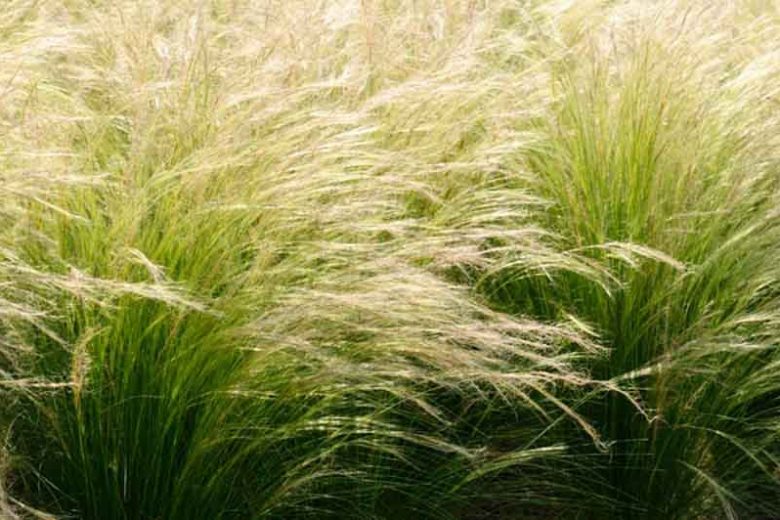
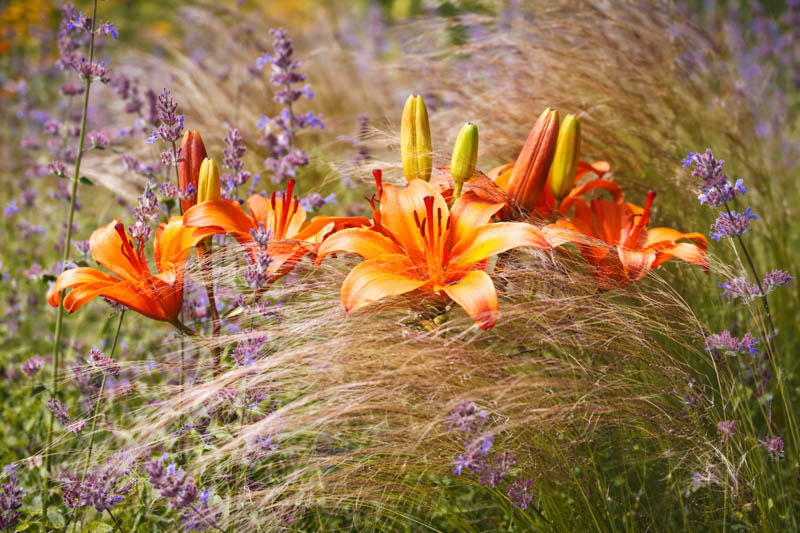
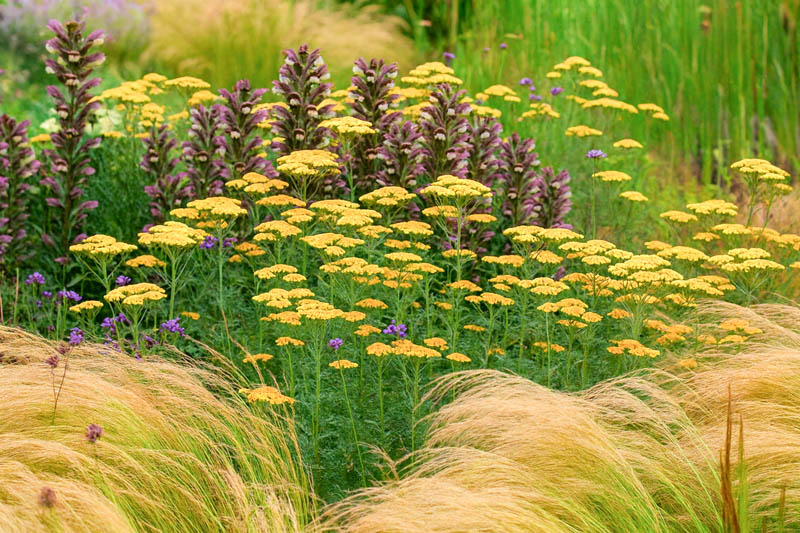
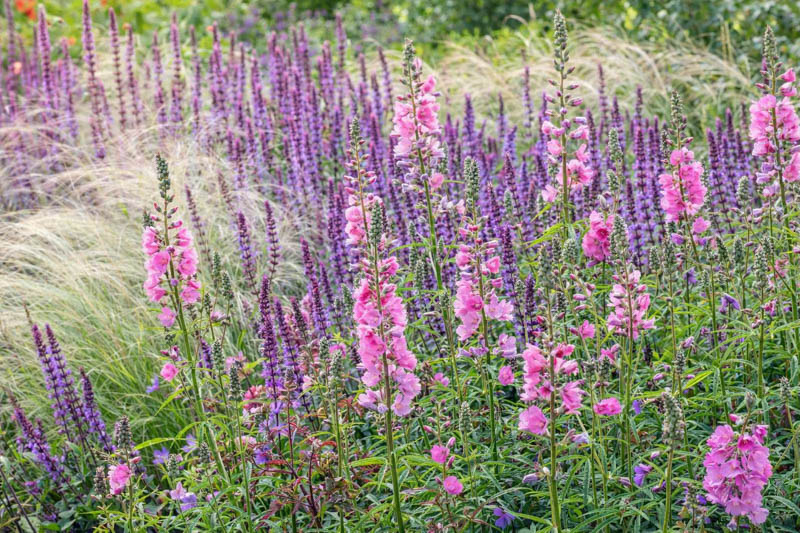


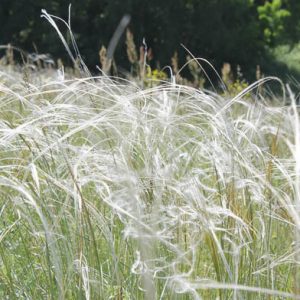
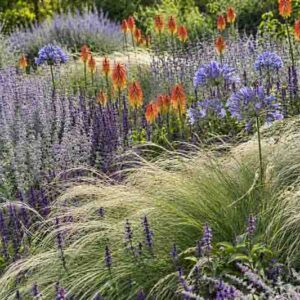
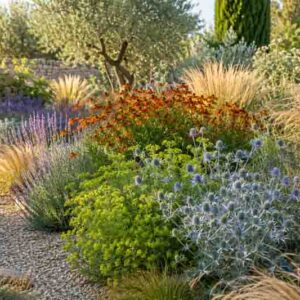
If you’ve ever spotted a tuft of grass that moves like flowing silk, rippling in the slightest whisper of wind, there’s a good chance it was Stipa tenuissima, widely known as Mexican Feather Grass. This wildly popular ornamental grass is beloved for its fine-textured, hair-like blades, shimmering movement, and ability to bring softness and motion to any garden style. Whether glowing in the afternoon sun or catching dewdrops at dawn, it offers a natural elegance that few plants can replicate.
Stipa tenuissima thrives in full sun and well drained, moderately fertile soil, staying attractive from spring through fall. It is remarkably low maintenance, drought tolerant once established, and generally pest-free. Its thin blades emerge bright green in spring, mature to silvery-blonde in summer, and develop warm golden tones in autumn. From beds and borders to dry gardens, city courtyards, cottage plantings, and containers, its versatility has made it a beloved staple in landscapes around the world.
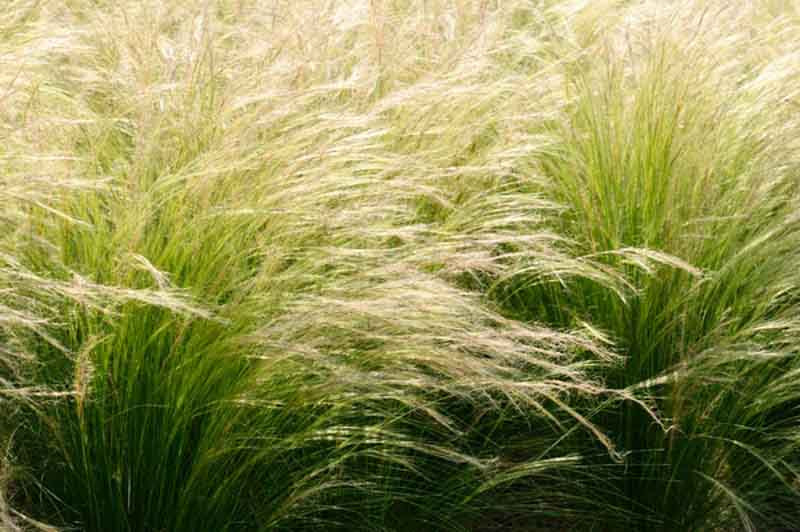
Summary: A fine-textured, fountain-like ornamental grass with silky, hair-like foliage that sways beautifully with the slightest breeze.
Use: Meadows, borders, xeriscapes, gravel gardens, containers, mass plantings, naturalistic designs.
Highlight: Drought tolerant, extremely low maintenance, and famed for its soft, flowing movement.
Note: Can self-sow in favorable climates; remove seedheads if unwanted.
| Botanical Name | Stipa tenuissima (syn. Nassella tenuissima) |
|---|---|
| Family | Poaceae (Grass family) |
| Common Names | Mexican Feather Grass, Silky Thread Grass, Fine Needle Grass |
| Native Range | Western Texas, New Mexico, and south to central Mexico |
| Plant Type and Habit | Deciduous to semi-evergreen ornamental grass with a fine, fountain-like habit. |
| Hardiness (approx. USDA) | Zones 7 to 10 |
| Size | Typically 12–24 in. tall and wide (30–60 cm) |
| Sun and Exposure | Full sun for best color and form |
| Soil | Light, well drained, moderately fertile soils; dislikes wet feet. |
| Seasonal Interest | Green spring growth, airy summer plumes, golden fall color. |
| Primary Uses | Meadows, borders, naturalistic gardens, xeriscapes, containers. |
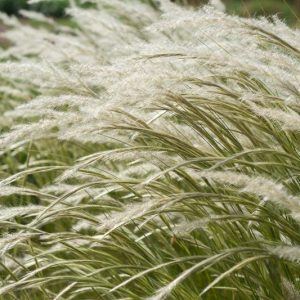
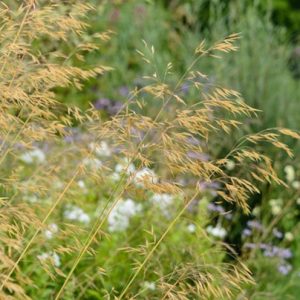
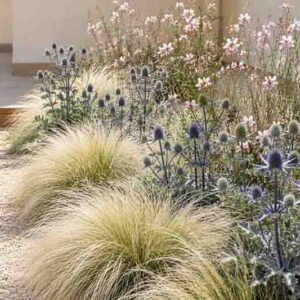
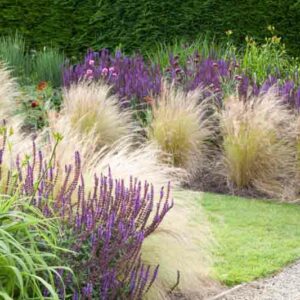
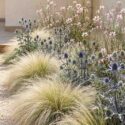
Stipa tenuissima is a fine-textured, delicately arching ornamental grass cherished for its flowing habit, ethereal movement, and shimmering color. Its thread-like blades form dense, fountain-shaped clumps that sway with even the softest breeze. During summer, it produces feathery panicles that hover above the foliage, making it a favorite for naturalistic planting styles and modern designs alike.
Stipa tenuissima is the recipient of the prestigious Award of Garden Merit of the Royal Horticultural Society.
Native to the mountain regions of western Texas, adjacent New Mexico, and into central Mexico, Stipa tenuissima evolved to thrive in dry, rocky environments with excellent drainage and full sun.
This graceful grass forms compact, dense mounds that grow 12–24 inches tall and wide. Its blades are incredibly fine, almost hairlike, which creates the signature misty, soft appearance. Growth is moderate, and the plant often self-sows in ideal conditions.
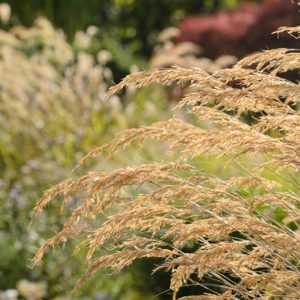
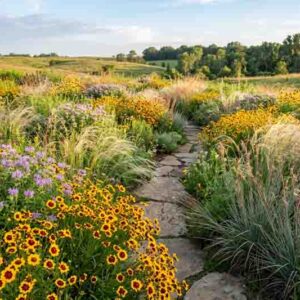
In summer, Stipa tenuissima produces light, feathery plumes that shift from green to cream and eventually golden tan. The flowers are particularly stunning when backlit, making the plant glow like spun gold.
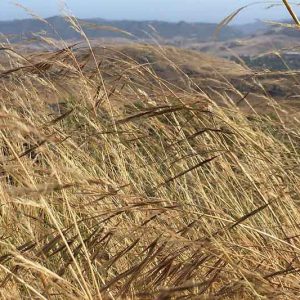
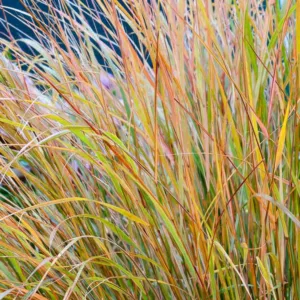
Fresh green in spring, shimmering blonde in summer, and warm golden in fall, this grass offers three seasons of color with elegant, ever-changing texture.
Hardy in USDA Zones 7–10, Mexican Feather Grass thrives in heat and tolerates drought. In wetter climates, ensure excellent drainage to prevent root issues.
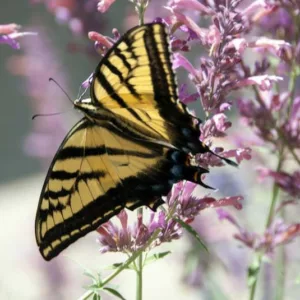
The dense tufts provide shelter for helpful insects, but in regions where it is considered invasive, gardeners should manage seedheads carefully or choose alternative species.
Highly resistant to browsing, its fine, wiry texture is unappealing to deer and rabbits.
Once established, Stipa tenuissima is exceptionally drought tolerant, needing only occasional watering during prolonged drought.
Not known to be toxic, but not intended for consumption.
Stipa tenuissima is considered invasive or potentially invasive in several regions, including parts of the western United States and other warm, dry climates. It can escape cultivation and spread into natural areas. Always check your local regulations and avoid planting it where it is listed as invasive or prohibited. In permitted areas, remove seedheads before they mature to minimize self-seeding.
Gardeners love it for its movement, drought tolerance, softness, light-catching beauty, low maintenance, and year-round visual appeal.
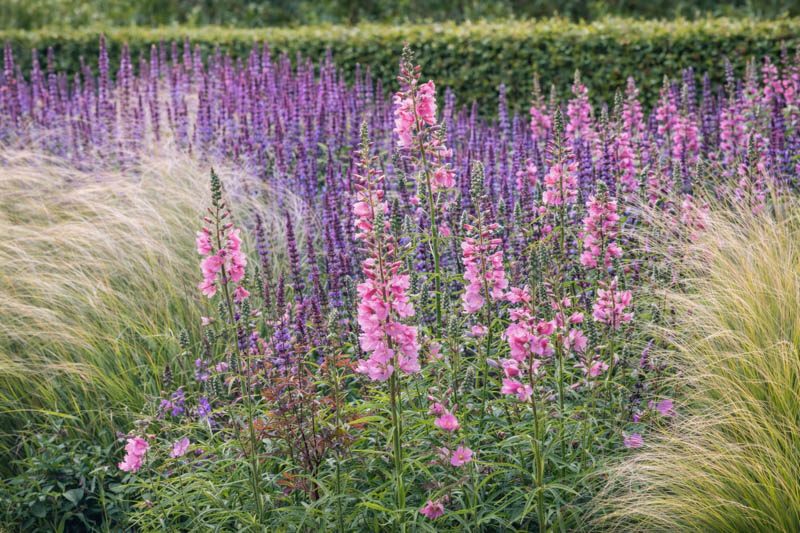
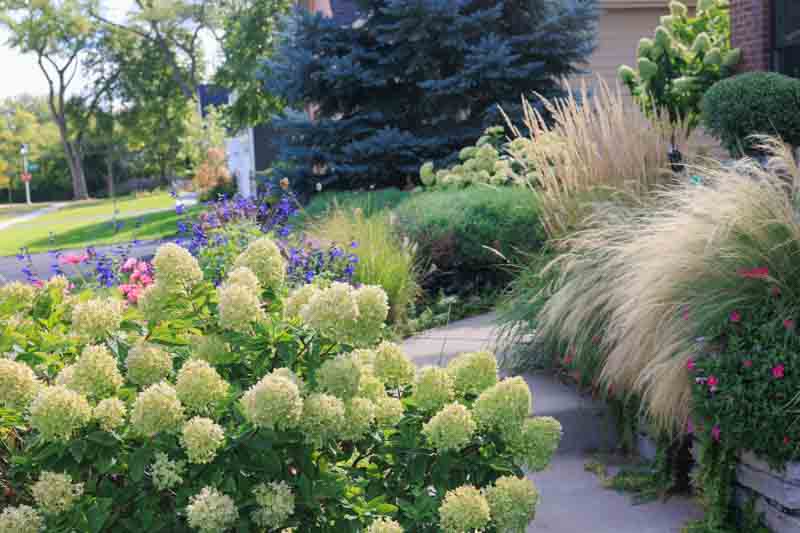
Generally pest free.
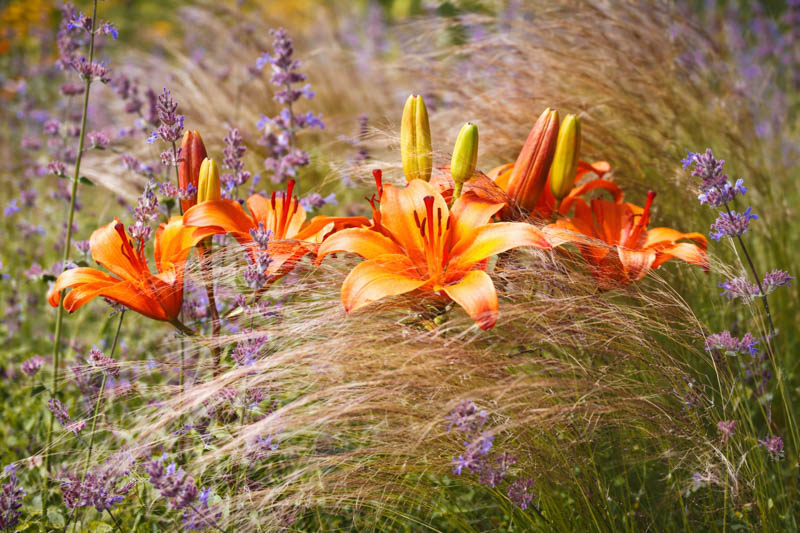
Stipa tenuissima is considered invasive or potentially invasive in several regions, including parts of the western United States and other warm, dry climates. It spreads by seed and can naturalize outside garden settings. Always check local regulations before planting, and remove seedheads to prevent unwanted spread.
Most plants reach 12–24 inches tall and 12–24 inches wide. They form compact, fountain-like mounds of extremely fine foliage that create a soft, airy appearance.
No. Once established, it is highly drought tolerant and prefers dry to moderately dry soils. Overwatering or planting in water-retentive soils can cause decline or root rot.
No. Unlike many ornamental grasses, Stipa tenuissima should not be sheared. Instead, gently comb out dead foliage in late winter to refresh the plant without damaging new growth.
Yes. It performs beautifully in containers where its fine texture and movement can be showcased. It thrives in gritty, well-drained potting mixes and requires minimal maintenance once established.
Yes. It produces numerous viable seeds and can self-sow freely in suitable climates. Seedlings are easy to pull, but deadheading is recommended where spread is a concern or where the plant is listed as invasive.
Yes. Its fine, wiry foliage is unappealing to deer, making it a reliable choice in landscapes where browsing pressure is high.
It thrives in well-drained, sandy, or gravelly soils with low to moderate fertility. Rich soils or excessive nitrogen can cause floppy growth and reduce the plant’s airy texture.
Full sun is ideal. It produces the best color, density, and upright form in direct sunlight. Light shade is tolerated but may lead to looser growth and fewer plumes.
Yes. It is one of the lowest-maintenance ornamental grasses. Aside from occasional grooming in late winter and optional deadheading, it requires little care once established.
Flopping usually occurs when the plant is grown in overly rich soil, receives too much water, or is planted in partial shade. Moving it to a sunnier, drier location or reducing irrigation often restores its natural form.
It is a moderately fast grower and often reaches full size within a single season. It may also self-seed, creating additional plants nearby.
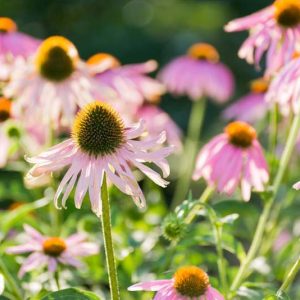
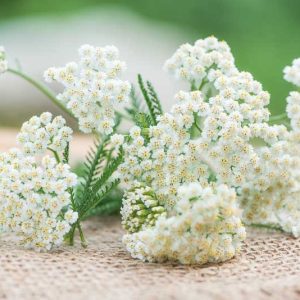
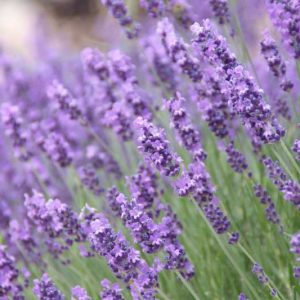
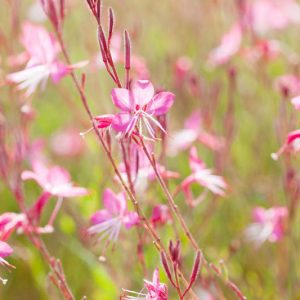
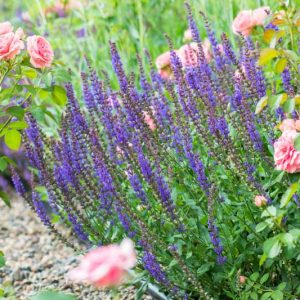
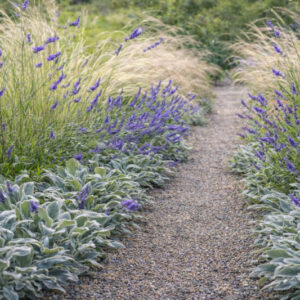
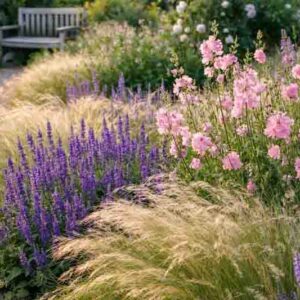
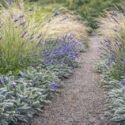
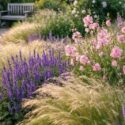
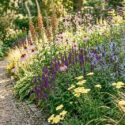
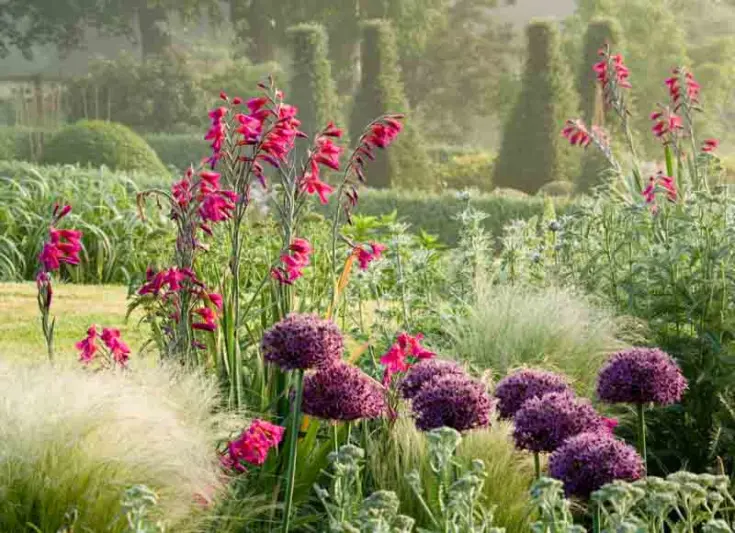
Excellent companions include lavender, gaura, salvia, echinacea, verbena, sedum, yarrow, Russian sage, and drought-tolerant succulents. These plants complement its movement, texture, and dry-garden personality.
Updated: December 2025 • Reviewed by Gardenia Editors
| Hardiness |
7 - 10 |
|---|---|
| Heat Zones |
7 - 12 |
| Climate Zones | 2B, 3, 4, 5, 6, 7, 8, 9, 10, 11, 12, 13, 14, 15, 16, 17, 18, 19, 20, 21, 22, 23, 24 |
| Plant Type | Ornamental Grasses |
| Plant Family | Poaceae |
| Genus | Stipa |
| Common names | Mexican Feather Grass |
| Exposure | Full Sun |
| Season of Interest | Spring (Late), Summer (Early, Mid, Late), Fall |
| Height | 1' - 2' (30cm - 60cm) |
| Spread | 1' - 2' (30cm - 60cm) |
| Spacing | 12" - 24" (30cm - 60cm) |
| Maintenance | Low |
| Water Needs | Low, Average |
| Soil Type | Chalk, Clay, Loam, Sand |
| Soil pH | Acid, Alkaline, Neutral |
| Soil Drainage | Moist but Well-Drained, Well-Drained |
| Characteristics | Plant of Merit, Showy |
| Native Plants | New Mexico, Southwest, Texas, United States |
| Tolerances | Drought, Clay Soil, Deer, Rabbit, Dry Soil, Rocky Soil, Salt, Heat, Wind, Erosion |
| Garden Uses | Beds And Borders, Patio And Containers |
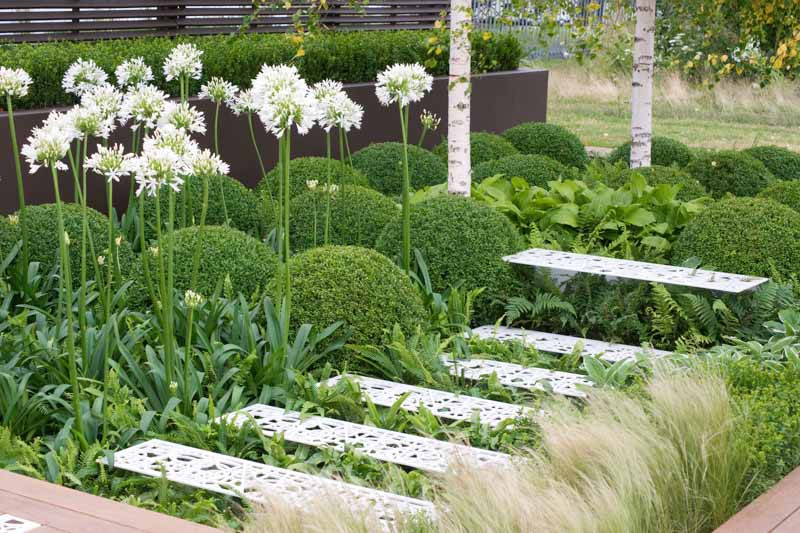
| Garden Styles | City and Courtyard, Gravel and Rock Garden, Informal and Cottage, Modern Garden, Prairie and Meadow |
| Toxic to Humans | No known toxicity |
| Toxic to Cats | No known toxicity |
| Toxic to Dogs | No known toxicity |
| Toxic to Horses | No known toxicity |


| Hardiness |
7 - 10 |
|---|---|
| Heat Zones |
7 - 12 |
| Climate Zones | 2B, 3, 4, 5, 6, 7, 8, 9, 10, 11, 12, 13, 14, 15, 16, 17, 18, 19, 20, 21, 22, 23, 24 |
| Plant Type | Ornamental Grasses |
| Plant Family | Poaceae |
| Genus | Stipa |
| Common names | Mexican Feather Grass |
| Exposure | Full Sun |
| Season of Interest | Spring (Late), Summer (Early, Mid, Late), Fall |
| Height | 1' - 2' (30cm - 60cm) |
| Spread | 1' - 2' (30cm - 60cm) |
| Spacing | 12" - 24" (30cm - 60cm) |
| Maintenance | Low |
| Water Needs | Low, Average |
| Soil Type | Chalk, Clay, Loam, Sand |
| Soil pH | Acid, Alkaline, Neutral |
| Soil Drainage | Moist but Well-Drained, Well-Drained |
| Characteristics | Plant of Merit, Showy |
| Native Plants | New Mexico, Southwest, Texas, United States |
| Tolerances | Drought, Clay Soil, Deer, Rabbit, Dry Soil, Rocky Soil, Salt, Heat, Wind, Erosion |
| Garden Uses | Beds And Borders, Patio And Containers |
| Garden Styles | City and Courtyard, Gravel and Rock Garden, Informal and Cottage, Modern Garden, Prairie and Meadow |
| Toxic to Humans | No known toxicity |
| Toxic to Cats | No known toxicity |
| Toxic to Dogs | No known toxicity |
| Toxic to Horses | No known toxicity |
How many Stipa tenuissima (Mexican Feather Grass) do I need for my garden?
| Plant | Quantity | |
|---|---|---|
| Stipa tenuissima (Mexican Feather Grass) | N/A | Buy Plants |
Create a membership account to save your garden designs and to view them on any device.
Becoming a contributing member of Gardenia is easy and can be done in just a few minutes. If you provide us with your name, email address and the payment of a modest $25 annual membership fee, you will become a full member, enabling you to design and save up to 25 of your garden design ideas.
Join now and start creating your dream garden!
Create a membership account to save your garden designs and to view them on any device.
Becoming a contributing member of Gardenia is easy and can be done in just a few minutes. If you provide us with your name, email address and the payment of a modest $25 annual membership fee, you will become a full member, enabling you to design and save up to 25 of your garden design ideas.
Join now and start creating your dream garden!