Can peonies thrive where winters are mild and spring heat arrives early? Yes - in the right climate and with the right cultivars. Discover lower-chill peonies, early bloomers, heat-resistant choices, Zone 8 and 9 realities, shallow planting, afternoon shade, and the climate clues that separate reliable flowering from mere survival.
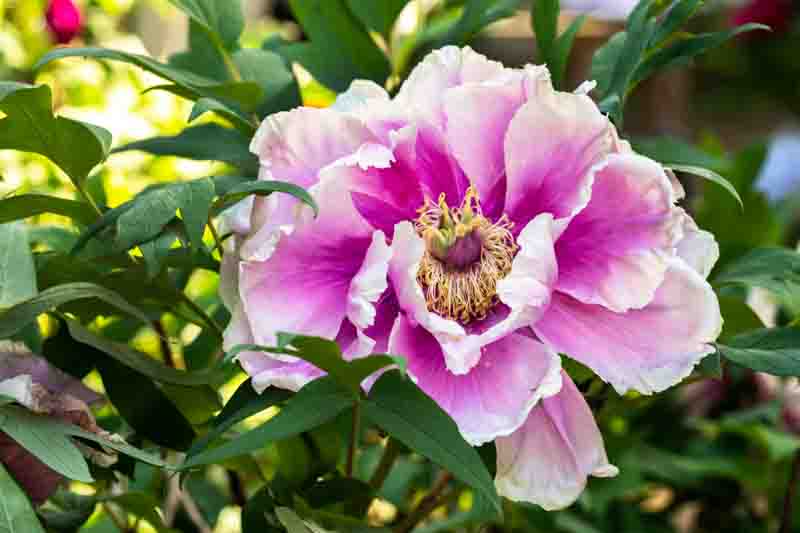


Can peonies grow where winters are mild and spring heat arrives early? Yes – but warm-climate peony growing requires a different strategy from growing peonies in New England, the Upper Midwest, or northern Europe.
The challenge is not simply heat. Peonies face two separate climate tests: they need enough winter cold to complete dormancy, and they need to flower before intense spring heat shortens the display.
The warm-climate strategy: Choose peonies with a record of performing in climates like yours, favor earlier bloom where spring heats up quickly, plant herbaceous crowns shallowly, provide light afternoon protection in very hot sites, and remember that heat tolerance and low-chill performance are not the same thing.
Gardeners looking for peonies for the South, warm Zone 8 gardens, or other mild-winter regions usually want one thing first: which peonies should I try?
For this guide, Gardenia combines several kinds of evidence: documented lower-chill performance where available, bloom timing, warm-weather performance, Southern field observations, flower form, stem strength, and regional suitability.
Heat tolerant does not mean low chill. A peony may handle a warm spring beautifully yet still need considerable winter cold. A lower-chill cultivar may satisfy dormancy more easily but flower late enough to encounter extreme spring heat. The strongest warm-climate choices balance both sides of the equation.
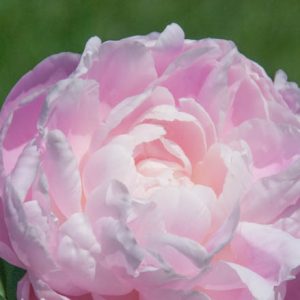
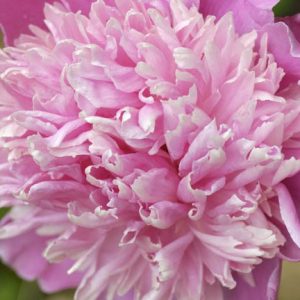
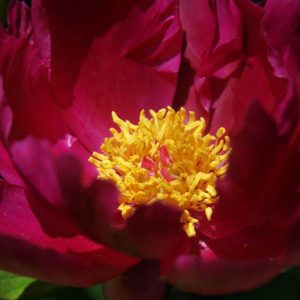
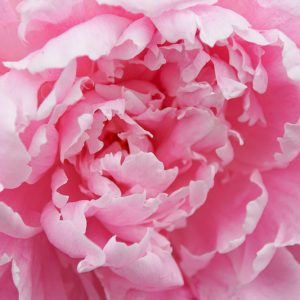
The following peonies are among the strongest candidates to consider for warm climates. No cultivar is guaranteed in every Zone 8 or Zone 9 garden, so local performance should always carry the most weight.
| Hardiness |
3 - 9 |
|---|---|
| Plant Type | Perennials, Shrubs |
| Plant Family | Paeoniaceae |
| Genus | Paeonia |
| Exposure | Full Sun, Partial Sun |
| Season of Interest | Spring (Late), Summer (Early), Fall |
| Maintenance | Average |
| Water Needs | Average |
| Soil Type | Chalk, Clay, Loam, Sand |
| Soil pH | Acid, Alkaline, Neutral |
| Soil Drainage | Moist but Well-Drained |
| Characteristics | Cut Flowers, Fragrant, Showy |
| Tolerance | Deer, Rabbit |
| Attracts | Bees, Butterflies |
| Landscaping Ideas | Beds And Borders, Wall-Side Borders |
| Garden Styles | City and Courtyard, Informal and Cottage |
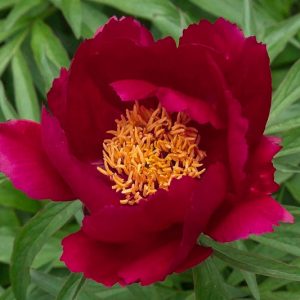
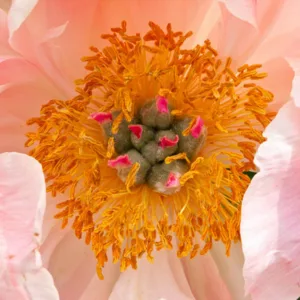
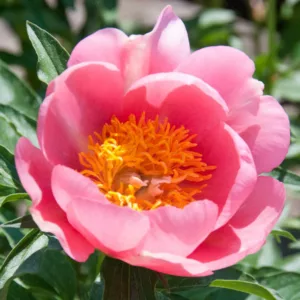
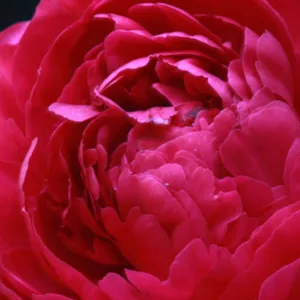
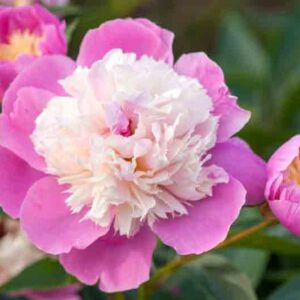
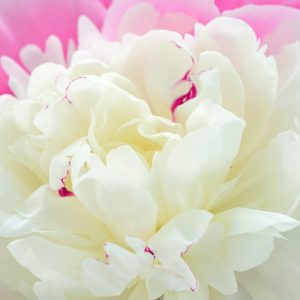
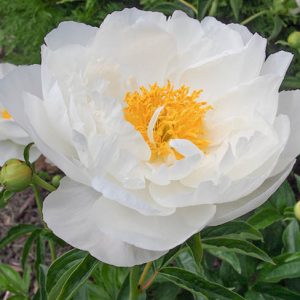
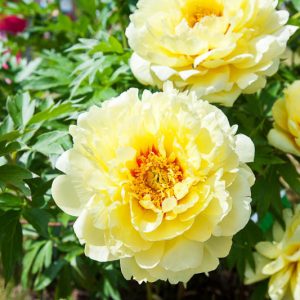
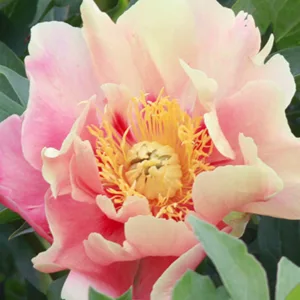
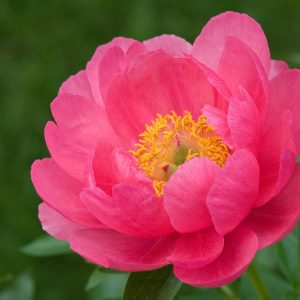
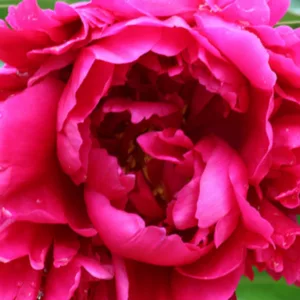
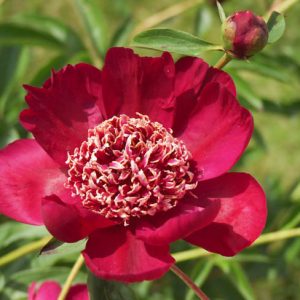
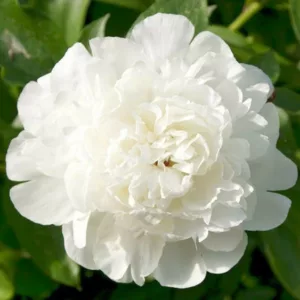
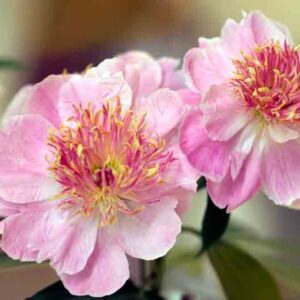
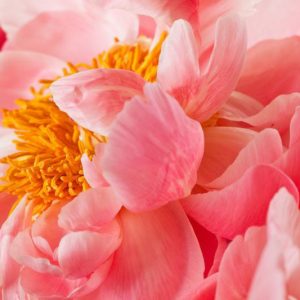
This selection deliberately mixes different strengths. ‘Early Scout’ and ‘Coral Charm’ are particularly useful where spring becomes hot early because they flower toward the beginning of the peony season. ‘Festiva Maxima’ and ‘Monsieur Jules Elie’ are especially interesting because published guidance identifies them among cultivars with relatively low chill requirements, while both also have good warm-weather records.
‘Sarah Bernhardt’ also has lower-chill documentation, but its later flowering means it may be better suited to mild-winter gardens where spring heat does not arrive too abruptly. ‘Bartzella’ represents another useful strategy: Itoh peonies often combine strong stems, handsome foliage, numerous buds, and good landscape performance.
For an even broader cultivar collection chosen specifically for difficult spring weather, explore Gardenia’s Peonies Resistant to Rain and Heat.
Herbaceous peonies enter dormancy after their foliage dies back. Winter cold helps satisfy the physiological requirements that allow dormant buds in the crown to resume strong growth and flowering the following spring.
When chilling is insufficient, gardeners may see:
There is no single trustworthy chill-hour number that can be applied to every herbaceous, Itoh, and tree peony cultivar. Cultivar-specific research remains limited, which makes regional experience especially valuable.
Do not rely on the USDA zone alone. Hardiness zones describe average annual extreme minimum temperatures. They do not directly measure how much useful winter chilling a garden receives.
| Approximate USDA zone | Peony outlook | Best strategy |
|---|---|---|
| Zone 7 | Usually favorable | Choose mainly by cultivar, bloom season, and site. |
| Zone 8 | Often successful where winter chilling is adequate | Favor proven cultivars, earlier bloom, shallow planting, and afternoon protection in very hot sites. |
| Warm Zone 8b | More variable | Give greater weight to lower-chill records, early flowering, and local experience. |
| Zone 9 | Marginal or unreliable in many locations | Trial locally proven herbaceous, Itoh, or tree peonies rather than assuming the zone number guarantees success. |
Survival is not the goal. A peony that produces foliage every year but rarely flowers is surviving, not performing. Near the warm edge of peony culture, reliable bloom is the standard that matters.
“Warm climate” describes several very different environments, which is why gardeners in the same USDA zone can report completely different results.
This is why performance in a nearby garden or in a genuinely similar climate is more useful than a broad claim that a cultivar is simply “Southern” or “heat tolerant.”
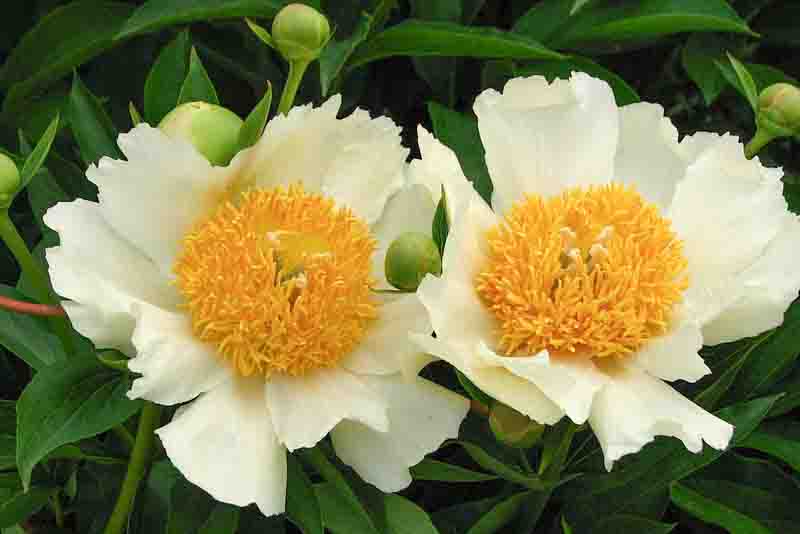
Once winter chilling is adequate, bloom timing becomes one of the most useful selection tools.
Peony flowers generally last longer in cool spring weather. Rapid warming speeds flower opening and petal aging and can compress what would normally be several successive bloom periods.
Where spring heats up quickly, give priority to:
Gardenia’s Very Early Blooming Peonies, Early Blooming Peonies, and Early Midseason Peonies provide additional cultivar choices.
Late cultivars are not automatically unsuitable, but in a climate where temperatures rise sharply they may open into hot weather and fade quickly. A collection weighted toward the earlier half of the peony season can therefore produce a longer effective display than one that looks broader on paper.
For succession planning, see Gardenia’s guide to extending the peony blooming season.
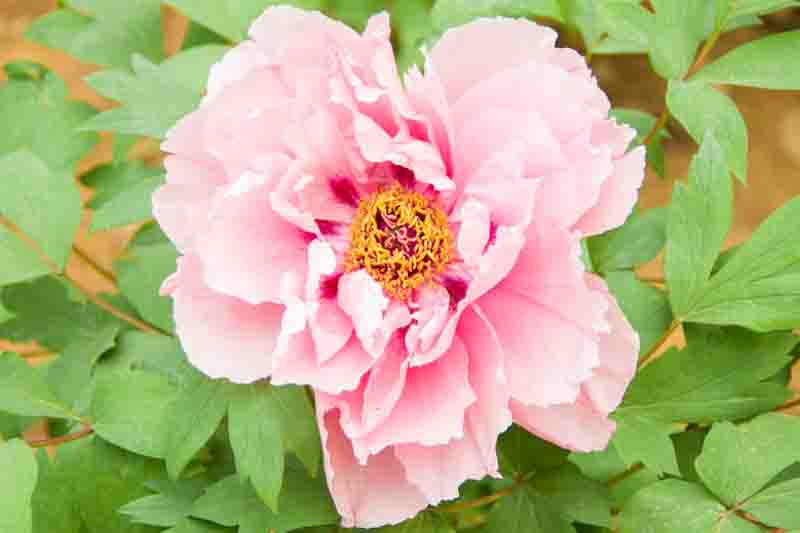
Itoh peonies deserve serious consideration in warm-spring gardens where winter chilling remains adequate.
Their practical advantages include:
Southern field observations include successful Itoh cultivars such as ‘Bartzella’, ‘First Arrival’, ‘Hillary’, ‘Julia Rose’, ‘Keiko’, ‘Morning Lilac’, ‘Sonoma Amethyst’, ‘Takara’, and ‘Watermelon Wine’. These observations are valuable, but they do not prove that every Itoh requires less winter chill.
Itoh advantage – with a limit: Choose Itoh peonies for sturdy growth, foliage quality, and flower production, not because they are automatically “low chill.”
Tree peonies can also be useful in warmer climates because many flower before the main traditional Paeonia lactiflora season.
Some cultivars have been recommended for Zone 9, and Southern field reports include successful woody peonies. However, tree peonies still require winter dormancy. A cultivar that succeeds in a cool Zone 9 location may fail in a nearly frost-free Zone 9 garden.
For Zone 9, tree peonies are best treated as locally proven trial plants rather than universally reliable choices.

Planting depth becomes increasingly important where winter chilling is marginal. In most climates, herbaceous peony eyes are planted about 1-2 in. (2.5-5 cm) below the finished soil surface. In warmer regions where winter chilling is marginal, keeping the uppermost eyes around 1 in. (2.5 cm) below the finished soil surface is commonly recommended.
Warm-climate planting rule: Keep herbaceous peony eyes shallow. A crown buried too deeply receives more insulation from winter cold and is also more likely to produce healthy foliage with disappointing bloom.
See Gardenia’s Peony Growing and Care Guide for detailed planting instructions.
Peonies need substantial light to flower well, but in very hot climates they can benefit from relief during the hottest part of the day.
Think morning sun, not deep shade: The goal is to protect flowers from punishing late-afternoon heat without sacrificing the strong light peonies need to produce buds.
Warm climates demand a balance between keeping roots cool, maintaining moisture, and avoiding an insulated or waterlogged crown.
Summer and winter need opposite mulch strategies: In summer, mulch can help cool the root zone and conserve moisture. In mild winters, avoid insulating the herbaceous crown when you want it exposed to as much natural cold as possible.
Watch for disease in warm, humid springs: Blackened shoots, rotting buds, or gray mold suggest a disease problem rather than simple heat stress. Good spacing, sanitation, and air circulation become especially important in humid climates.
If shoots, buds, or leaves begin to blacken or rot, Gardenia’s Peony Common Problems, Pests and Diseases guide can help identify the cause.
Most warm-climate peony failures come from a handful of avoidable mistakes:
Gardenia’s warm-climate rule: Start with the cultivar, then judge it through the climate. The strongest choice combines appropriate winter adaptation, an early enough bloom season, good regional performance, suitable flower form and stem strength, and a site that protects the plant from excessive heat without sacrificing light.
Yes, if they receive sufficient winter chilling. In hot-spring climates, earlier-flowering cultivars, shallow herbaceous planting, light afternoon shade, consistent moisture, and good air circulation can improve performance.
Strong candidates include ‘Early Scout’, ‘America’, ‘Coral Charm’, ‘Buckeye Belle’, ‘Paula Fay’, ‘Red Charm’, ‘Kansas’, ‘Festiva Maxima’, ‘Monsieur Jules Elie’, ‘Sarah Bernhardt’, and selected Itoh peonies such as ‘Bartzella’. Local winter chill and regional performance should guide the final choice.
Published extension guidance identifies ‘Felix Crousse’, ‘Festiva Maxima’, ‘Monsieur Jules Elie’, and ‘Sarah Bernhardt’ as cultivars with relatively low chill-hour requirements. Lower chill does not mean no chill.
No. Heat tolerance describes how a peony performs during warm weather. Low-chill performance relates to the amount of winter cold needed for reliable growth and flowering. A cultivar can have one trait without the other.
Yes. Many peonies grow successfully in Zone 8 where winters provide adequate chilling. Warm Zone 8 gardens benefit from locally proven cultivars, earlier bloom times, shallow herbaceous planting, and afternoon protection where heat is intense.
Peonies are marginal or unreliable in many Zone 9 climates, but selected herbaceous, Itoh, and tree peonies can succeed where winters provide enough chilling. Local performance is more useful than the hardiness-zone number alone.
Itoh peonies can perform very well in warm-spring gardens because of their strong stems, handsome foliage, and numerous buds. They still require meaningful winter dormancy and should not automatically be considered low-chill peonies.
Some tree peonies can succeed in favorable Zone 9 microclimates, especially where winters still provide meaningful chilling. They are best treated as locally proven trial plants rather than universally reliable Zone 9 choices.
Early peonies flower before late-spring temperatures become intense. Hot weather accelerates flower opening and petal decline, so Very Early, Early, and Early Midseason cultivars often provide a better display where spring warms rapidly.
Where winter chilling is marginal, keep the uppermost herbaceous peony eyes shallow, around 1 inch below the soil surface. Avoid gradually burying the crown beneath added soil, compost, or heavy mulch.
Light afternoon shade can help where heat is intense. Peonies still need substantial sunlight for strong flowering, so afternoon protection should not become deep or all-day shade.
A light summer mulch around the root zone can conserve moisture and moderate soil temperature. In mild winters, avoid thick mulch directly over an herbaceous crown because excessive insulation can reduce exposure to winter cold.
Updated: August 2026 • Reviewed by Gardenia Editors
| Hardiness |
3 - 9 |
|---|---|
| Plant Type | Perennials, Shrubs |
| Plant Family | Paeoniaceae |
| Genus | Paeonia |
| Exposure | Full Sun, Partial Sun |
| Season of Interest | Spring (Late), Summer (Early), Fall |
| Maintenance | Average |
| Water Needs | Average |
| Soil Type | Chalk, Clay, Loam, Sand |
| Soil pH | Acid, Alkaline, Neutral |
| Soil Drainage | Moist but Well-Drained |
| Characteristics | Cut Flowers, Fragrant, Showy |
| Tolerance | Deer, Rabbit |
| Attracts | Bees, Butterflies |
| Landscaping Ideas | Beds And Borders, Wall-Side Borders |
| Garden Styles | City and Courtyard, Informal and Cottage |
Create a membership account to save your garden designs and to view them on any device.
Becoming a contributing member of Gardenia is easy and can be done in just a few minutes. If you provide us with your name, email address and the payment of a modest $25 annual membership fee, you will become a full member, enabling you to design and save up to 25 of your garden design ideas.
Join now and start creating your dream garden!
Create a membership account to save your garden designs and to view them on any device.
Becoming a contributing member of Gardenia is easy and can be done in just a few minutes. If you provide us with your name, email address and the payment of a modest $25 annual membership fee, you will become a full member, enabling you to design and save up to 25 of your garden design ideas.
Join now and start creating your dream garden!