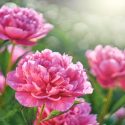
When will your peonies bloom? The answer depends on climate, weather, and cultivar. Discover the seven peony bloom seasons, from Very Early to Very Late, learn why calendar dates shift between gardens, and use relative flowering times to plan a spectacular succession of peonies lasting for weeks each spring.
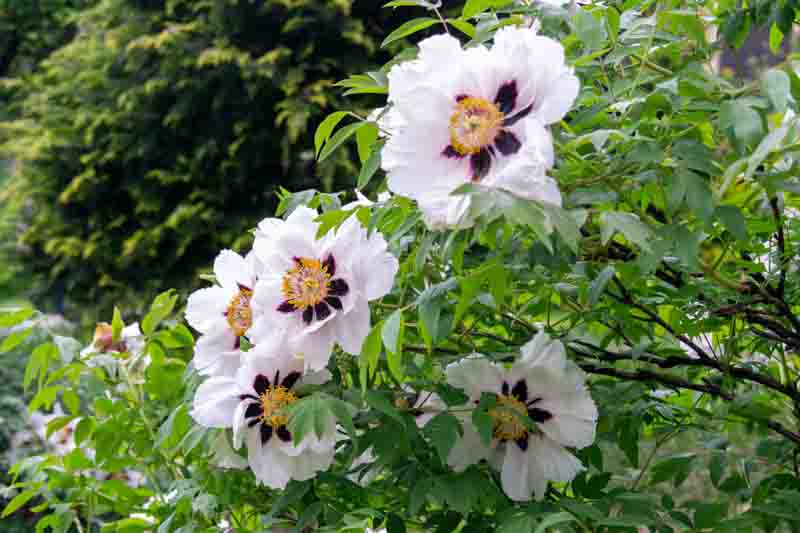


Ask when peonies bloom and you will often hear “May” or “late spring.” That answer is useful only up to a point.
Peonies do not follow one universal calendar. A cultivar flowering in April in a mild climate may not open until weeks later in a colder region. An unusually warm spring can move an entire peony season forward, while cool weather can delay flowering and keep individual blooms attractive for longer.
For that reason, experienced peony growers describe cultivars as Very Early, Early, Early Midseason, Midseason, Late Midseason, Late, or Very Late. These are relative bloom classifications. They tell you when one peony normally flowers compared with other peonies – not that it will bloom on a particular date everywhere.
This distinction is the key to creating a long peony season. Choose cultivars from several bloom groups, and flowering can unfold as a succession instead of one brief explosion of color.
The most important rule: “Early” and “late” are positions within the peony season, not fixed months. If spring arrives two weeks earlier in your garden, the whole sequence may shift earlier – but an Early cultivar should still generally flower before a Midseason or Late cultivar growing beside it.
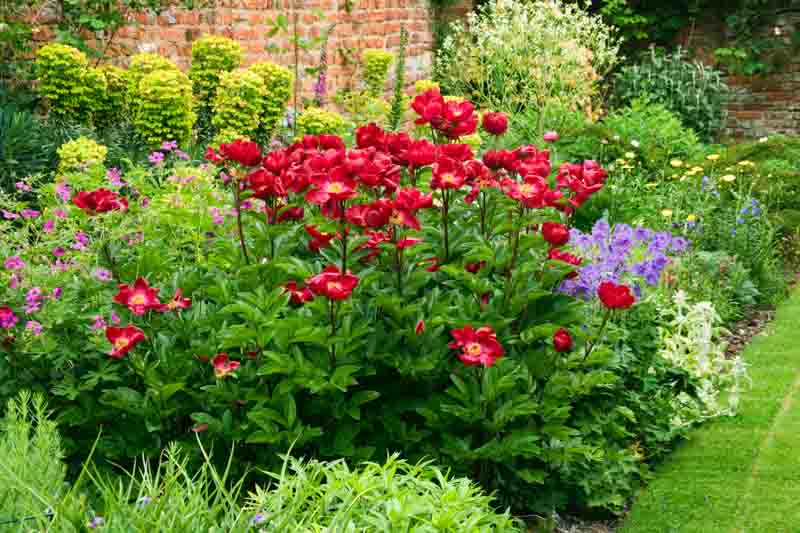
In many temperate Northern Hemisphere gardens, peonies bloom from late spring into early summer, often somewhere between April and June. The exact timing varies considerably by location and year.
The exact flowering date is influenced by:
The American Peony Society uses seven useful bloom periods:
| Bloom group | Position in the peony season | Planning role |
|---|---|---|
| Very Early | Opening wave | Starts the herbaceous peony display |
| Early | Early season | Builds color before the main peony rush |
| Early Midseason | Transition toward peak | Bridges early hybrids and main-season cultivars |
| Midseason | Center of the season | Often provides the greatest choice |
| Late Midseason | After the midpoint | Carries the display beyond peak season |
| Late | Closing part of the main season | Extends flowering into early summer in many climates |
| Very Late | Final wave | Finishes the peony succession |
The American Peony Society’s bloom-season framework generally treats each period as approximately 6-8 days long, although weather can expand or compress the intervals. Across the full range of peonies, more than seven weeks of bloom may occur under favorable conditions, while a typical garden collection may provide a shorter succession.
Why Gardenia uses relative seasons: A date such as “May 20” becomes unreliable as soon as the reader gardens in another climate or experiences an unusually early spring. Relative rankings preserve the information that matters most: which cultivar normally opens first, which follows it, and which extends the display at the end.
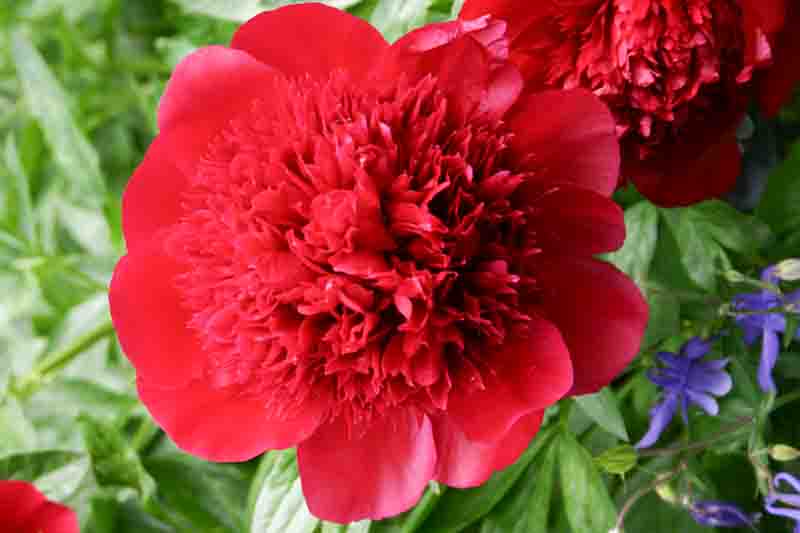
There is an unusually useful methodology behind modern peony bloom data. In its Bloom Date Project, the American Peony Society compares cultivar flowering dates with ‘Red Charm‘.
In APS bloom-date comparisons, ‘Red Charm’ is commonly used as the reference point, with other cultivars recorded according to how many days they flower before or after it. A cultivar recorded at -7 generally blooms about seven days before ‘Red Charm’; one recorded at +10 generally flowers about ten days afterward.
Those offsets should not be treated as exact predictions. Weather changes the interval, and a cultivar observed for many years provides stronger evidence than one represented by a single flowering record.
The value of the system is that it replaces a misleading national calendar with a sequence. Once you know approximately when ‘Red Charm’ flowers in your own garden or region, the relative timing of other cultivars becomes much more meaningful.
Very Early peonies announce the beginning of the herbaceous peony season. They are particularly useful for gardeners who want flowers before the great wave of traditional lactiflora cultivars.
This group contains many hybrids and peonies with ancestry outside classic Paeonia lactiflora. Flowers may be single, semi-double, or double, with colors ranging from clear reds and corals to yellows, creams, blush tones, and pinks.
Because they flower while spring weather is still unpredictable, their exact dates can move quickly. A warm spell may push buds open rapidly, while cold weather can hold them for days.
Explore Gardenia’s complete selection of Very Early blooming peonies.
Early cultivars follow the first pioneers and begin turning isolated flowers into a recognizable peony display.
They can be especially valuable where spring warms rapidly into summer, because earlier flowers may encounter cooler and more favorable conditions than the latest cultivars.
Gardenia’s Early group includes cultivars such as ‘America’, ‘Burma Ruby’, and ‘Coral Charm’, illustrating the diversity available before the traditional midseason peak.
Browse Early blooming peonies or compare the broader selection in Gardenia’s early-season peony guide.
Early Midseason is one of the most useful groups for maintaining continuity. It bridges the first flush of hybrids and the abundance of the main peony season.
This group includes outstanding cultivars selected for fragrance, flower form, strong stems, or cut-flower quality. Gardenia’s Early Midseason peonies include cultivars such as ‘Gardenia’ and ‘Philomele’.
If you are designing a long succession, this transitional group is easy to underestimate but extremely useful.
Midseason is the center of the peony calendar and often the point when gardens contain the greatest concentration of open flowers.
Many familiar herbaceous peonies fall within or around this period. Because the nursery choice is so abundant, it is easy to build a collection dominated by Midseason cultivars without realizing it.
The result can be ten magnificent days followed by an abrupt decline. If your peonies seem to bloom all at once, the problem may not be how many you grow, but where they sit within the seasonal sequence.
Explore Gardenia’s Midseason peony selections.
Common planning mistake: Buying five different peonies does not necessarily create five weeks of flowers. If all five are Midseason cultivars, they may bloom together. For a longer display, bloom classification matters more than the number of cultivars.
Late Midseason cultivars take over as the central wave begins to fade, carrying the display beyond peak season without making the garden feel as though flowering has suddenly stopped.
This group contains several important Itoh and lactiflora peonies. Gardenia lists ‘Bartzella’ as Late Midseason, where its strong stems and numerous sequentially opening flowers make it especially useful. ‘Dr. Alexander Fleming’ and ‘Mother’s Choice’ are other Late Midseason selections.
Browse Gardenia’s Late Midseason peonies.
Late cultivars prevent the peony season from ending immediately after its peak. Very Late cultivars form the final wave.
These groups are especially valuable where spring remains cool enough for late buds to develop gradually. In regions where temperatures rise quickly, the latest flowers may open into heat that shortens their display. Gardeners in such climates often obtain a more reliable succession by emphasizing Very Early through Midseason cultivars.
Explore Gardenia’s Late-season peonies and the broader late-blooming peony selection.
Gardeners naturally want calendar dates, and a broad translation is useful as long as it remains approximate.
Across many temperate Northern Hemisphere gardens, the sequence from Very Early through Very Late may fall somewhere between April and June. Very Early cultivars begin the spring display, Midseason cultivars occupy the peak, and Late or Very Late peonies may continue toward early summer.
But a Very Early peony is not inherently an “April peony,” and a Late peony is not inherently a “June peony.” In one region those descriptions may fit perfectly; in another, the entire sequence may occur several weeks later.
An individual herbaceous cultivar has a relatively concentrated flowering period. Under favorable weather, its main display commonly lasts about 7-10 days.
Cool conditions preserve flowers, while heat accelerates opening and fading. Heavy rain can damage fully open doubles, and strong wind can shorten the ornamental display even if unopened buds remain. Cultivars with several side buds may flower longer because those buds open successively.
This is why the most reliable way to create a long peony season is not to search for one exceptionally long-flowering cultivar, but to combine several cultivars with different bloom times.
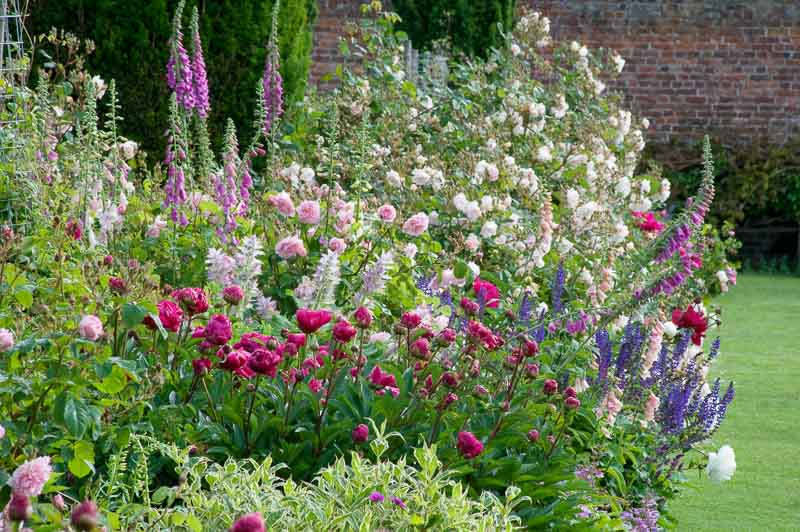
Start by thinking in season slots, not colors.
A collection containing only Midseason pink doubles may be beautiful but brief. Instead, distribute cultivars across several bloom groups and then refine the selection by color, fragrance, flower form, stem strength, height, and garden role.
A simple succession might include:
You do not need all seven groups to see a dramatic improvement. Adding just one genuinely early and one genuinely late cultivar to a Midseason-heavy collection can noticeably lengthen the show.
Gardenia’s original guide to extending the blooming season of your peonies provides cultivar selections across the season.
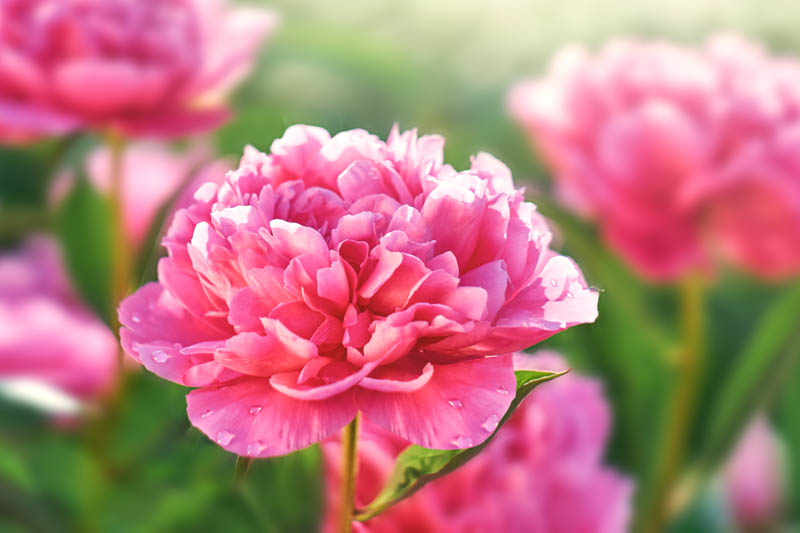
Bloom timing should rarely be the only criterion. Once you have distributed cultivars across the season, compare the traits that determine how those plants will actually perform in the garden.
Gardenia’s planning approach: Use bloom season as the framework. Then compare color, fragrance, flower form, mature height, stem strength, weather performance, and landscape role. This creates a border that lasts longer and performs better than one assembled from flower photographs alone.
The seven-part sequence is especially useful for comparing herbaceous peonies and hybrids, but the wider genus offers additional opportunities.
Some species and woody peonies flower earlier than the main lactiflora season. Itoh peonies often occupy the middle and later portions of the herbaceous sequence and may provide a long display because mature plants can carry many flowers and side buds.
Bloom-time information is not equally extensive for every type. The American Peony Society’s Bloom Date Project has much richer data for lactiflora cultivars and herbaceous hybrids than for tree peonies and species, so precision should reflect the strength of the evidence.
Published bloom rankings are the best starting point, but several years of observations in your own garden can become even more useful.
Record the first open flower of each cultivar. The whole season may shift by a week or two between years, but look for the sequence. If cultivar A consistently opens before B, and B before C, you are building a local bloom calendar tailored to your climate and microclimate.
That information can guide future purchases far better than an arbitrary national flowering date.
Most peonies bloom from late spring into early summer, often somewhere within April, May, and June in temperate Northern Hemisphere gardens. Exact dates vary with climate, spring temperature, elevation, microclimate, and cultivar.
These are relative bloom classifications. An Early peony normally flowers before a Midseason cultivar, which normally flowers before a Late cultivar. They do not correspond to fixed calendar dates because the entire peony season shifts with climate and weather.
The American Peony Society uses seven useful periods: Very Early, Early, Early Midseason, Midseason, Late Midseason, Late, and Very Late. Individual periods are generally about 6-8 days long, although weather can expand or compress them.
An individual herbaceous peony cultivar commonly gives its main display for about 7-10 days. Cool weather may extend flowering, while heat, heavy rain, and strong wind can shorten it. Cultivars with side buds may remain in flower longer.
A single cultivar will not normally flower for six weeks, but a collection combining several bloom groups can produce a succession lasting six weeks or more. A broad mix of peony types may extend the total season further.
An unusually warm spring can accelerate development and move the entire peony season earlier. The relative order of cultivars often remains similar even though their calendar dates change from year to year.
Spring warmth arrives at different times according to latitude, elevation, regional climate, and local microclimate. This is why relative bloom classifications are more useful than fixed dates for comparing peony cultivars.
Very Early is the first of the standard relative peony bloom groups. Early hybrids and some species or woody peonies can flower well before the traditional midseason lactiflora display.
Cultivars classified as Very Late form the final part of the peony sequence. Their actual flowering month depends on climate, and they generally benefit from regions where spring remains cool enough for late flowers to develop well.
Plant cultivars from several relative bloom groups rather than selecting many peonies that all flower at Midseason. Adding genuinely early and late cultivars around the main Midseason display can substantially extend flowering.
‘Red Charm’ is commonly used as a reference cultivar in American Peony Society bloom-date comparisons. Other cultivars can be described according to how many days they generally flower before or after it.
Updated: August 2026 • Reviewed by Gardenia Editors
| Hardiness |
3 - 9 |
|---|---|
| Plant Type | Perennials, Shrubs |
| Plant Family | Paeoniaceae |
| Genus | Paeonia |
| Exposure | Full Sun, Partial Sun |
| Season of Interest | Spring (Late), Summer (Early), Fall |
| Maintenance | Average |
| Water Needs | Average |
| Soil Type | Chalk, Clay, Loam, Sand |
| Soil pH | Acid, Alkaline, Neutral |
| Soil Drainage | Moist but Well-Drained |
| Characteristics | Cut Flowers, Fragrant, Showy |
| Tolerance | Deer, Rabbit |
| Attracts | Bees, Butterflies |
| Landscaping Ideas | Beds And Borders, Wall-Side Borders |
| Garden Styles | City and Courtyard, Informal and Cottage |
| Hardiness |
3 - 9 |
|---|---|
| Plant Type | Perennials, Shrubs |
| Plant Family | Paeoniaceae |
| Genus | Paeonia |
| Exposure | Full Sun, Partial Sun |
| Season of Interest | Spring (Late), Summer (Early), Fall |
| Maintenance | Average |
| Water Needs | Average |
| Soil Type | Chalk, Clay, Loam, Sand |
| Soil pH | Acid, Alkaline, Neutral |
| Soil Drainage | Moist but Well-Drained |
| Characteristics | Cut Flowers, Fragrant, Showy |
| Tolerance | Deer, Rabbit |
| Attracts | Bees, Butterflies |
| Landscaping Ideas | Beds And Borders, Wall-Side Borders |
| Garden Styles | City and Courtyard, Informal and Cottage |
Create a membership account to save your garden designs and to view them on any device.
Becoming a contributing member of Gardenia is easy and can be done in just a few minutes. If you provide us with your name, email address and the payment of a modest $25 annual membership fee, you will become a full member, enabling you to design and save up to 25 of your garden design ideas.
Join now and start creating your dream garden!
Create a membership account to save your garden designs and to view them on any device.
Becoming a contributing member of Gardenia is easy and can be done in just a few minutes. If you provide us with your name, email address and the payment of a modest $25 annual membership fee, you will become a full member, enabling you to design and save up to 25 of your garden design ideas.
Join now and start creating your dream garden!

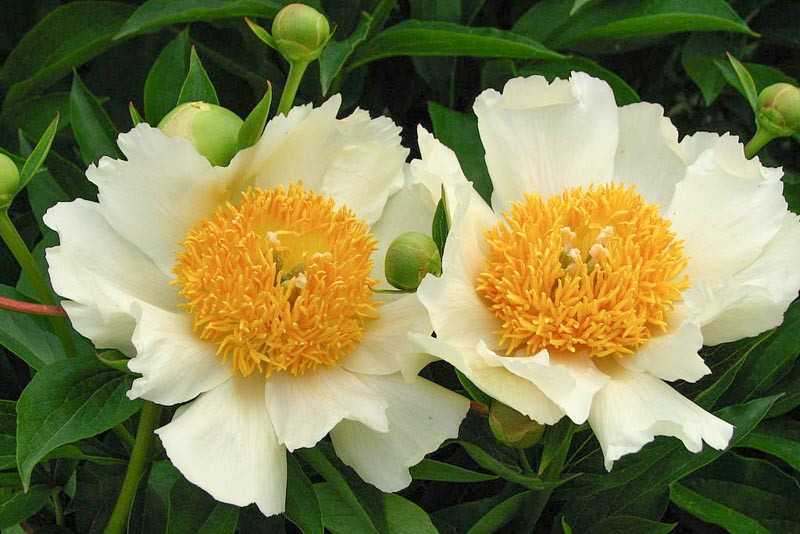 Paeonia ‘Claire de Lune’
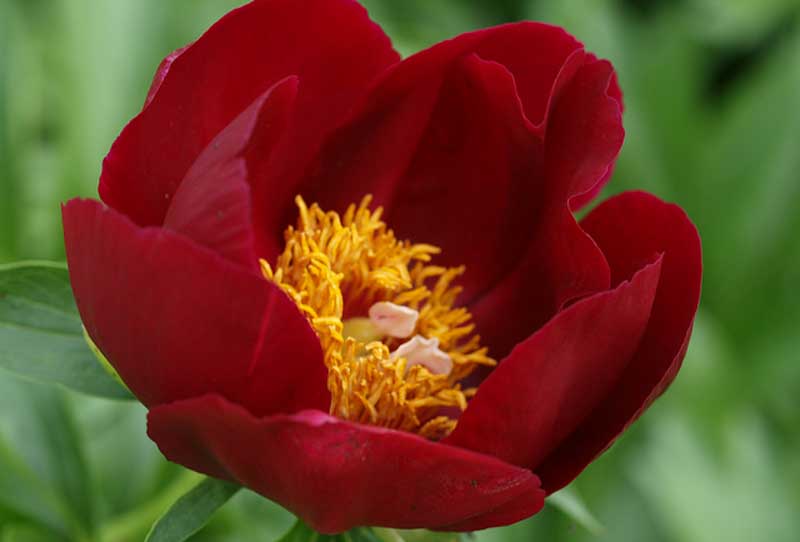 Paeonia ‘Illini Warrior’
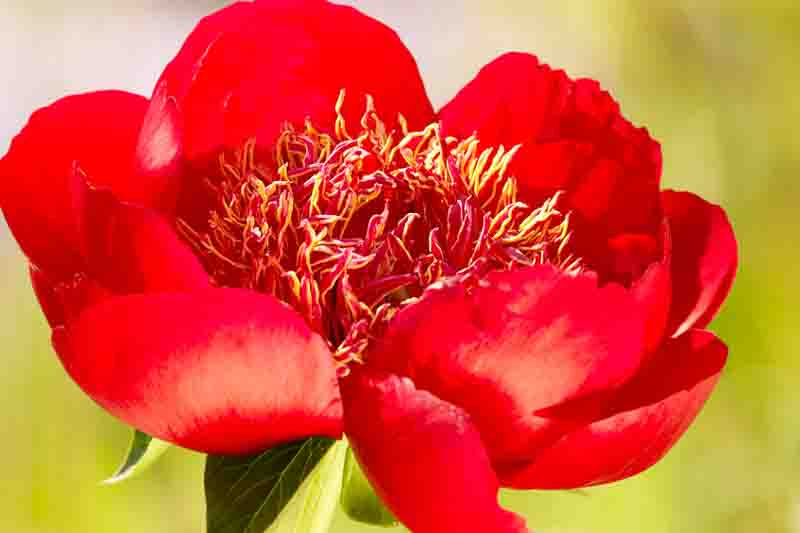 Paeonia ‘Walter Mains’
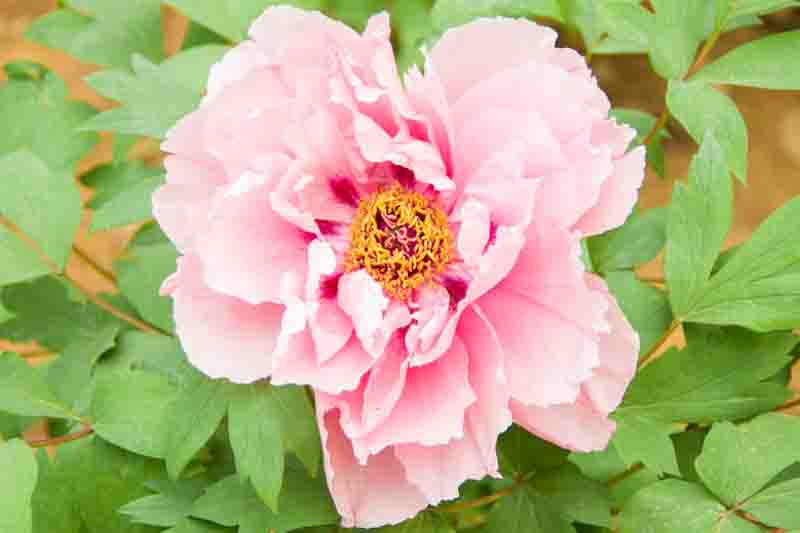 Paeonia ‘First Arrival’
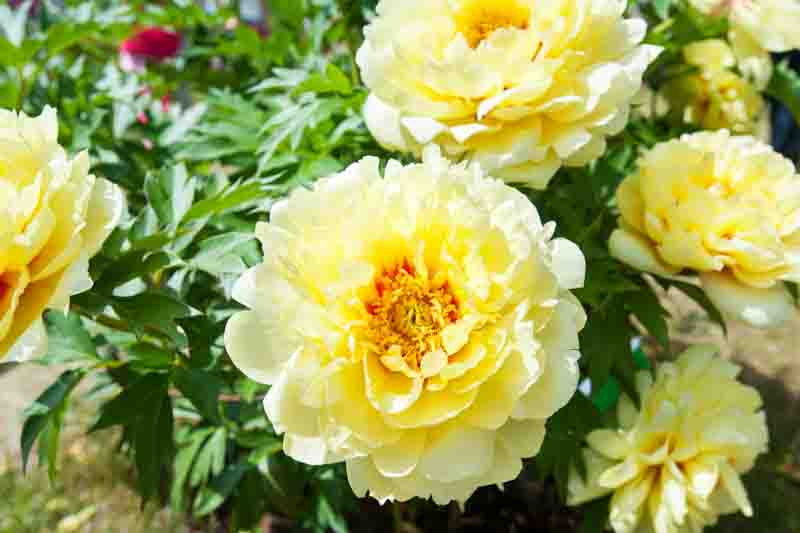 Paeonia ‘Bartzella’
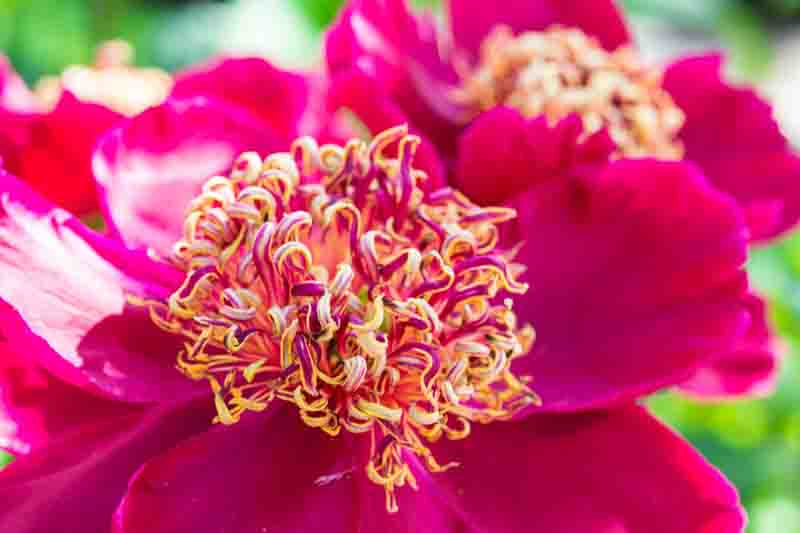 Paeonia ‘Sword Dance’
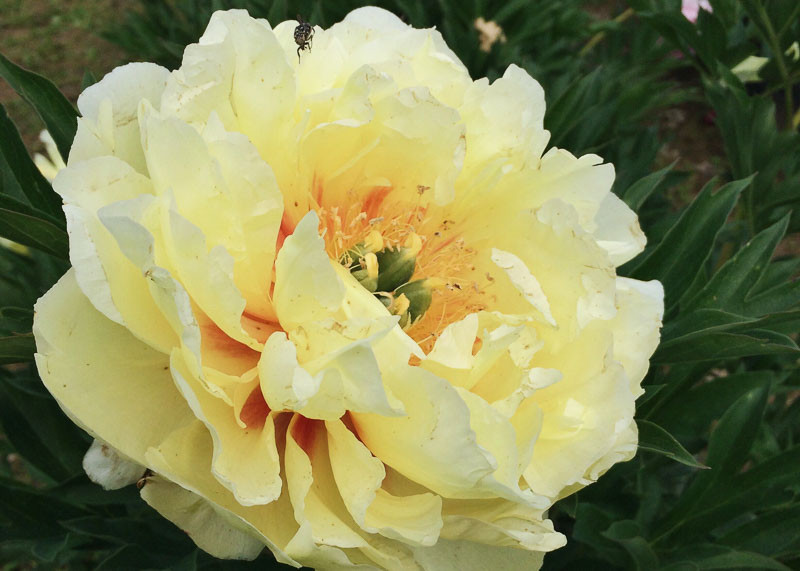 Paeonia ‘Garden Treasure’