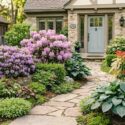
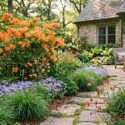
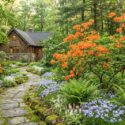
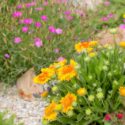
Fill your garden with beautiful perennials that return year after year without demanding endless attention. Discover long-lived peonies, graceful baptisias, colorful catmint, hardy geraniums, and dependable shade plants. Compare watering needs, division, deadheading, and longevity, then create an easy-care garden that becomes more beautiful with each passing season.
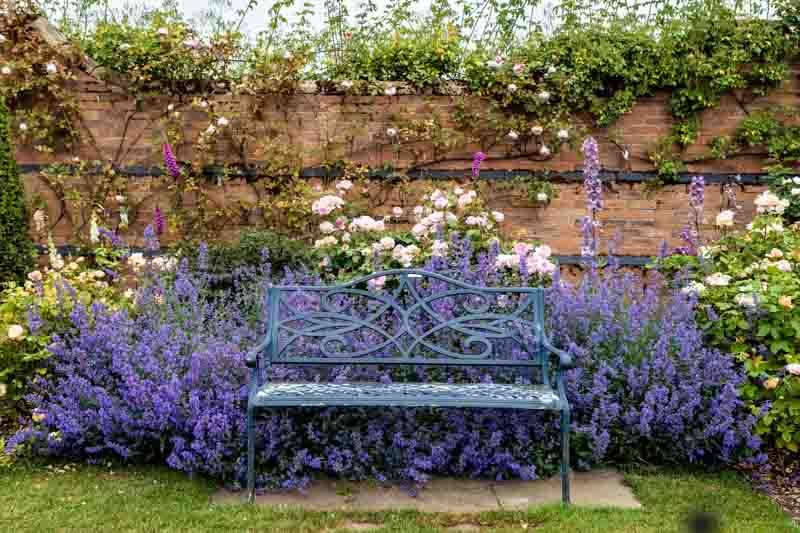


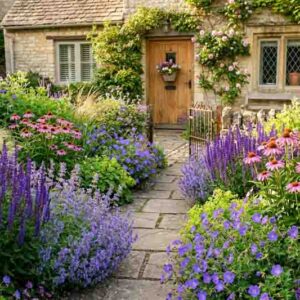
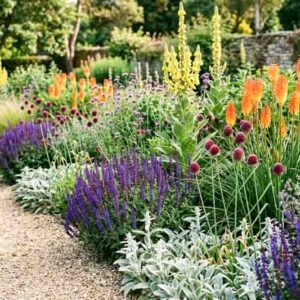
Imagine a garden where peonies burst into flower every spring, catmint tumbles over the path in early summer, and rosy stonecrops take over as autumn approaches. You aren’t constantly replacing plants, staking stems, or spending your weekends deadheading. The garden settles in, fills out, and becomes more beautiful with time.
That’s the appeal of low-maintenance perennials that come back every year. Unlike annuals, which complete their life cycle in one growing season, perennial plants live for more than two years. The best selections can provide flowers, foliage, and structure for many seasons without demanding constant attention.
But not all perennials are equally dependable. Some live for decades without division, while others decline after three or four years. Some are drought-tolerant but need occasional cutting back. Others flourish with very little care in moist shade yet struggle beneath thirsty trees.
If you want a beautiful garden with less work, start with plants that naturally suit your conditions and require fewer recurring chores. Here are the best perennial flowers and foliage plants for that purpose, the maintenance tradeoffs worth knowing, and a practical planting combination you can adapt to your own garden.
Quick answer: Which low-maintenance perennials come back every year?
For sunny gardens, excellent choices include peonies, baptisia, amsonia, daylilies, catmint, hardy geraniums, and upright stonecrops. For shade, consider hellebores, epimediums, hostas, brunnera, and suitable hardy ferns. Peonies and baptisias are particularly valuable for longevity, while catmint and stonecrops suit many relatively dry, sunny borders. Choose plants hardy in your region and adapted to your soil, moisture, and local pests.
There is a difference between a perennial that’s easy to grow and one that remains easy to care for over the next ten years.
A blanket flower may grow enthusiastically and bloom for months but need replacing after a few seasons. A peony may take time to settle in, yet reward you with flowers for decades. Both have their merits, but only one is an obvious choice when long-term reliability is the priority.
It helps to think about low maintenance in three ways:
The ideal plant combines more than one of these qualities. It also needs to fit your climate, sunlight, soil, and available space.
Low-maintenance does not mean maintenance-free. New plants need watering while roots establish, and even mature borders require some seasonal care. The advantage is that well-chosen perennials reduce the number of chores that return every week or every growing season.
Which perennials offer the best balance of longevity, modest watering needs, and minimal upkeep? Gardenia’s comparison makes those tradeoffs easier to see before you begin planting.
| Perennial | Longevity | Water after establishment | Routine upkeep | Main consideration |
|---|---|---|---|---|
| Peony | Very long-lived | Average | Low | Heavy blooms may need support |
| Baptisia | Very long-lived | Low-average | Very low | Needs room; dislikes transplanting |
| Amsonia hubrichtii | Long-lived | Low-average | Very low | Can become broad with age |
| Daylily | Long-lived | Average | Low | Occasional division; regional diseases |
| Nepeta ‘Walker’s Low’ | Generally dependable | Low | Low | Optional shearing for rebloom |
| Geranium ‘Rozanne’ | Generally dependable | Average | Low | Spreading stems need space |
| Hylotelephium ‘Autumn Joy’ | Generally dependable | Low | Low | Good drainage; occasional division |
| Helleborus | Often long-lived | Average | Low | Seasonal foliage cleanup |
| Epimedium | Long-lived | Species-dependent | Very low | Dry-shade tolerance varies |
| Hosta | Long-lived | Average | Low-variable | Deer, slugs, and snails |
| Brunnera ‘Jack Frost’ | Site-dependent | Average | Low | Needs cool, moisture-retentive shade |
How to use this comparison: Longevity describes the plant’s general tendency to persist in suitable conditions. Water needs refer to established plants, not new transplants. Routine upkeep considers typical pruning, staking, deadheading, and division. These are qualitative editorial assessments, not measured lifespans or standardized maintenance scores.
For example, hostas can be remarkably long-lived but difficult in deer-prone gardens. Catmint is drought-tolerant but may look tidier after trimming. Baptisia needs little ongoing care, provided you allow for its mature size from the beginning.
The most dependable sunny perennials often combine sturdy growth, an established root system, and naturally attractive foliage. Some provide weeks or months of color, while others earn their place through extraordinary longevity.
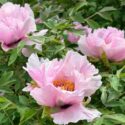
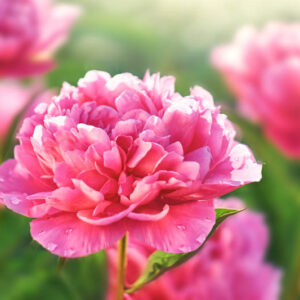
A mature peony is one of the best arguments for planting long-lived perennials. In a suitable climate, it can flower for decades without routine division. The magnificent blooms arrive in late spring, followed by a handsome mound of foliage. Herbaceous peonies require sufficient winter chilling, a sunny position, and well-drained soil. For less work, choose sturdy single-flowered cultivars or suitable intersectional hybrids rather than very heavy doubles that need support.
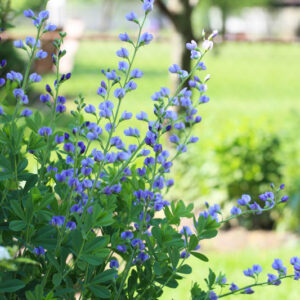
Baptisia is an excellent plant for gardeners who prefer not to disturb established clumps. Its blue, purple, yellow, or creamy flower spikes appear in spring, followed by attractive foliage and decorative seedpods. Once established, it tolerates periods of drought and generally needs little feeding, staking, or division. Give it space from the outset: mature roots are extensive, and transplanting an established plant can be difficult.
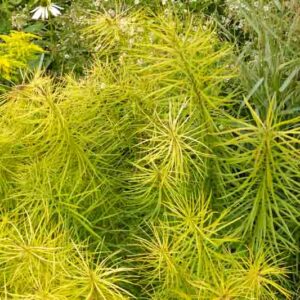
For understated elegance and spectacular autumn foliage, threadleaf bluestar is hard to beat. Pale-blue starry flowers appear in spring above finely textured leaves that turn brilliant gold in fall. Plants are long-lived and generally trouble-free in suitable sites. They can take time to establish and develop into broad, graceful mounds, so resist the temptation to squeeze them into a narrow border.
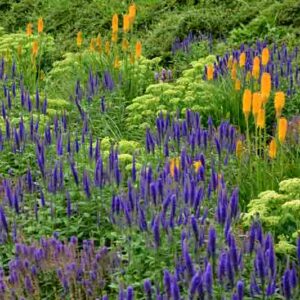
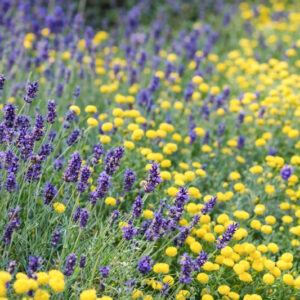
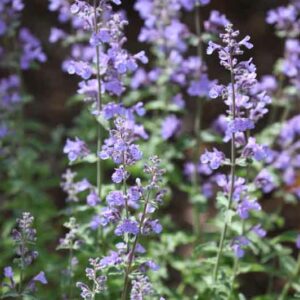
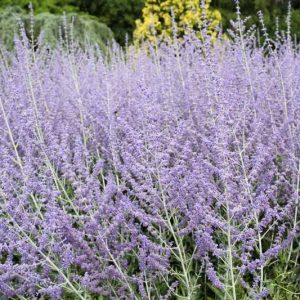
This easy-care favorite produces clouds of lavender-blue flowers above aromatic gray-green foliage, often from late spring into summer. It tolerates dry spells once established in well-drained soil and is attractive to pollinators. A midsummer trim can encourage fresh growth and additional flowers, but leaving it alone won’t jeopardize its survival. Give the spreading stems room to soften a path or border edge.
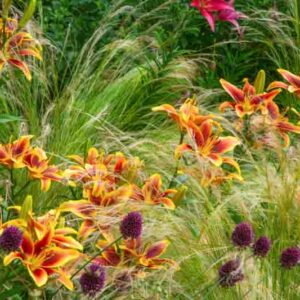
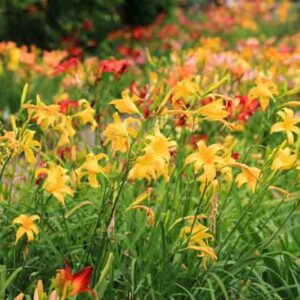
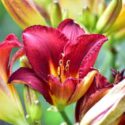
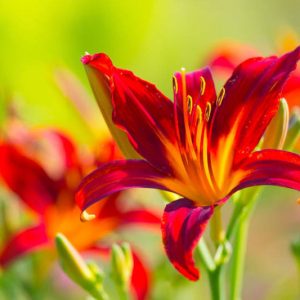
Few perennials offer such a wide choice of flower colors with relatively straightforward care. Daylilies can thrive for many years, producing successive flowers during their cultivar’s blooming season. They tolerate a range of soils and summer conditions, although sufficient moisture improves flowering. Some cultivars are susceptible to daylily rust or other regional problems. Choose reliable local performers, and divide clumps when overcrowding reduces flowering.
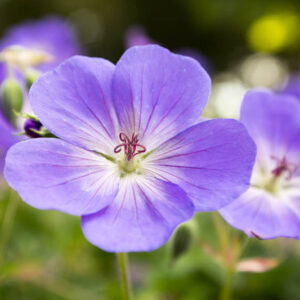
Unlike the tender bedding plants commonly called geraniums, ‘Rozanne’ is a hardy perennial with violet-blue flowers over an exceptionally long season in favorable climates. It weaves through neighboring plants and softens the edges of paths beautifully. It prefers adequate moisture and can spread widely, but occasional trimming is generally the only shaping it needs.
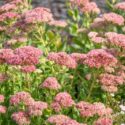
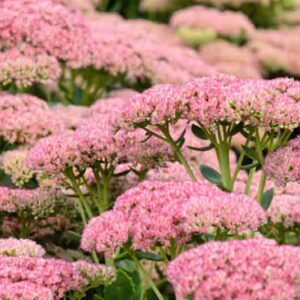
With succulent foliage and broad flower heads that turn rosy pink in late summer and autumn, ‘Autumn Joy’ is an excellent choice for a sunny, well-drained border. It needs little supplemental water after establishment and rarely benefits from rich fertilizer. Avoid heavy shade and wet soil, which can encourage weak growth. Older clumps may eventually need division when their centers become open or congested.
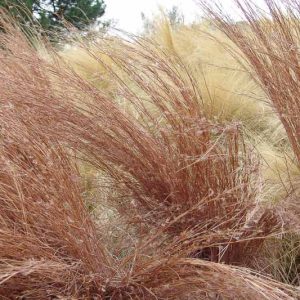
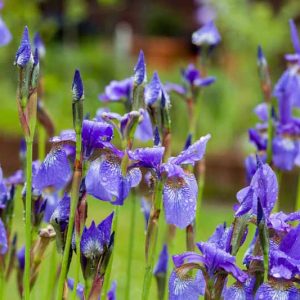
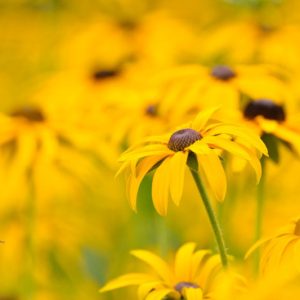
Other dependable choices: Rudbeckia fulgida adds golden summer flowers, Iris sibirica suits sunnier borders with moisture-retentive soil, and Schizachyrium scoparium (Little Bluestem) offers fine-textured foliage and autumn color. In hot, dry, sharply drained sites, Russian sage (Salvia yangii) is another excellent candidate.
| Plant Type | Perennials |
|---|---|
| Genus | Amsonia, Baptisia, Brunnera, Carex, Dicentra, Epimedium, Geranium, Helleborus, Hemerocallis, Hosta, Nepeta, Paeonia, Polystichum, Pulmonaria, Sedum, Tiarella |
| Maintenance | Low |


A beautiful shade garden doesn’t need constant attention. The secret is choosing long-lived perennials that provide attractive foliage, seasonal flowers, and reliable groundcover without frequent division, deadheading, or replanting. Whether your garden has cool, moist shade or drier soil beneath established trees, these dependable favorites can make shaded spaces wonderfully easy to maintain.
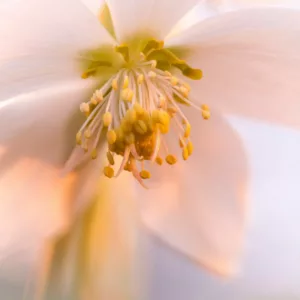
Few shade perennials are more welcome in late winter and early spring. Hellebores produce elegant flowers in cream, pink, purple, and green, often when little else is blooming. Many retain attractive foliage for much of the year and can flourish for decades in suitable conditions. Simply remove damaged older leaves when necessary. They prefer well-drained soil and generally appreciate protection from intense afternoon sun.
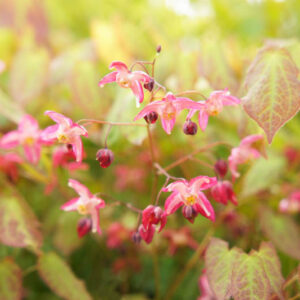
One of the finest low-maintenance groundcovers for shade, epimedium combines delicate spring flowers with attractive, often heart-shaped foliage. Some species develop beautiful reddish or bronze tones, while others remain evergreen in mild climates. Established plants of suitable species tolerate seasonal dryness and competition from tree roots, making them especially useful in difficult woodland borders. Their gradual spread helps suppress weeds without requiring frequent intervention.
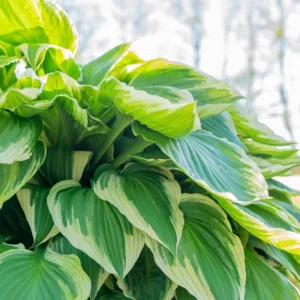
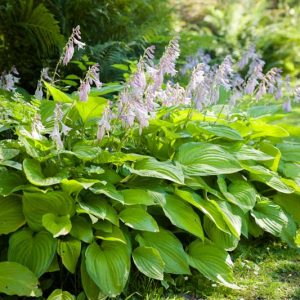
Hostas bring lush, architectural foliage to shaded gardens, with leaves ranging from blue-green and golden yellow to striking variegated patterns. Once established, these long-lived perennials can remain undisturbed for years. They thrive in moisture-retentive, well-drained soil and generally require little pruning or division. However, deer, slugs, and snails can make them considerably more demanding in some gardens.
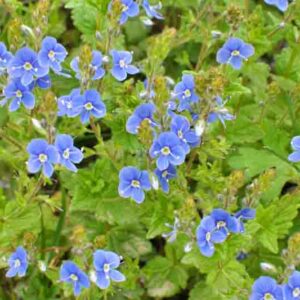
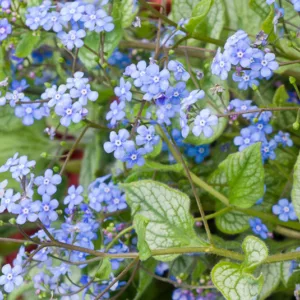
With shimmering silver leaves intricately veined in green, ‘Jack Frost’ brightens even the darkest-looking woodland border. Clouds of tiny blue flowers appear in spring, followed by handsome foliage throughout the growing season. It is particularly dependable in cool, moist, well-drained shade, where it requires little routine care. Avoid hot, dry positions, which can cause leaf scorch and premature decline.
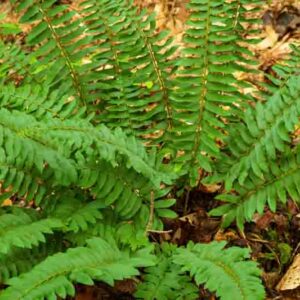
This graceful North American native brings year-round structure to many woodland gardens with its leathery, dark green fronds. Evergreen through much of its range, Christmas fern requires no deadheading and generally little pruning beyond removing damaged foliage. It thrives in shaded, well-drained soil and tolerates some seasonal dryness once established, although young plants benefit from regular moisture.
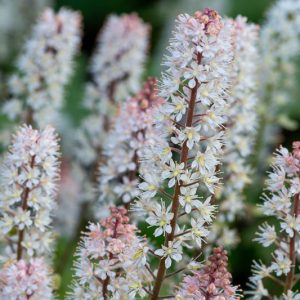
Delicate spikes of frothy white flowers rise above attractive, deeply lobed foliage in spring, creating a charming woodland display. Native to eastern North America, foamflower gradually spreads to form a soft groundcover in cool, moist, humus-rich shade. Its foliage may develop bronze or reddish tones in cooler weather. Once established in suitable conditions, it requires little maintenance and helps cover bare soil beneath shrubs and trees.
Graceful pink, heart-shaped flowers hover above finely divided, fern-like foliage from spring into summer, sometimes continuing longer in cool conditions. This North American native is more compact and generally longer-flowering than the traditional bleeding heart. It thrives in partial shade and moist, well-drained soil, requiring little deadheading or division. Flowering may slow during extreme summer heat, particularly if the soil becomes dry.
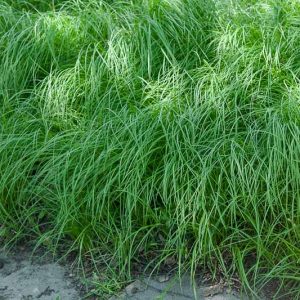
For a natural-looking, low-maintenance groundcover, Pennsylvania sedge is an excellent alternative to traditional lawn grass in suitable shaded areas. Its fine, arching leaves form soft green carpets that require little or no mowing. Native to eastern North America, it tolerates partial to full shade and some dry conditions once established. It spreads gradually by rhizomes, helping fill gaps and reduce weeding, although it is not well suited to heavy foot traffic.
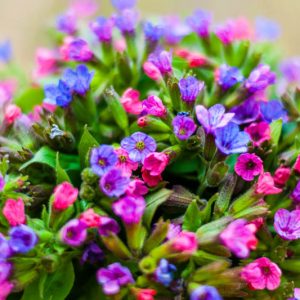
Among the earliest perennials to flower in spring, pulmonarias produce clusters of pink, blue, purple, or white blossoms above handsome leaves, often beautifully spotted or splashed with silver. They are especially attractive beneath deciduous shrubs and trees, where spring sunshine gives way to summer shade. Most prefer cool, humus-rich, moisture-retentive soil. Choose mildew-resistant cultivars for the most dependable foliage display, particularly in humid climates.
For additional recommendations, explore Gardenia’s best perennial plants for shade.
Which perennials are best for dry shade?
For shaded beds beneath established trees, consider suitable Epimedium species, Carex pensylvanica, and Polystichum acrostichoides. Once established, they generally tolerate seasonal dryness better than moisture-loving Brunnera, Tiarella, or Pulmonaria. Even dry-shade specialists need adequate watering while their roots establish, particularly where mature trees compete for moisture.

The biggest shade-garden mistake
Assuming every shade perennial tolerates dry soil. Brunnera and many hostas appreciate moisture, while certain established epimediums cope better with seasonal dryness. If the soil beneath your trees becomes parched each summer, identifying plants adapted to root competition is more effective than repeatedly replacing moisture-loving favorites.
Some spectacular perennials are easy to love but less easy to maintain. That doesn’t mean you should avoid them. It simply helps to know what you’re signing up for.
| Perennial | Possible extra work | Lower-maintenance approach |
|---|---|---|
| Tall Delphiniums | Staking, wind damage, shorter persistence in hot climates | Choose sturdier flowering spikes, such as Baptisia |
| Double-flowered Peonies | Heavy blooms may collapse after rain | Select sturdy single-flowered cultivars |
| Tall Garden Phlox | Powdery mildew and watering in some climates | Choose resistant cultivars and provide airflow |
| Bearded Iris | Crowded rhizomes and declining flowering | Divide when necessary or consider Siberian Iris |
| Gaillardia Hybrids | Often relatively short-lived | Choose longer-lived sunny-border plants |
| Monarda didyma | Mildew, spreading, moisture requirements | Choose mildew-resistant cultivars and allow space |
These plants may still be excellent choices in the right garden. A gardener who enjoys cutting flowers, staking delphiniums, or dividing irises may find the extra work rewarding. But if your goal is a border that requires little repeated attention, favor plants with fewer predictable maintenance demands.
A plant that needs little care in the right location may become demanding in the wrong one. Before buying, identify the conditions that are most likely to cause problems.
| Your garden | Good starting choices | Important limitation |
|---|---|---|
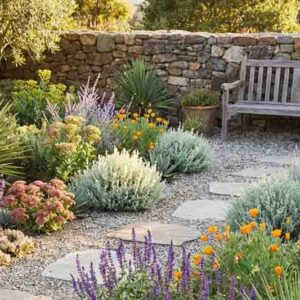
| Hot, dry sunshine | Catmint, Russian sage, little bluestem, upright stonecrop | Good drainage and establishment watering |
| Average sunny border | Peony, baptisia, daylily, amsonia | Allow mature space and appropriate soil moisture |
| Moist partial shade | Hosta, brunnera, hellebore, suitable ferns | Deer, slugs, and drainage |
| Seasonally dry shade | Suitable epimedium species, established Christmas fern | Tree roots and summer drought |
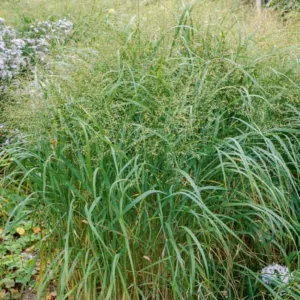
| Heavy, moisture-retentive soil | Siberian iris, daylily, suitable switchgrass | Avoid prolonged waterlogging |
In addition to USDA hardiness, consider summer heat, humidity, drainage, mature spread, and local wildlife. No perennial is universally deer-proof, and a drought-tolerant species may still fail in wet clay.
The fewer problems you ask a plant to overcome, the less intervention it is likely to need.
One of the simplest ways to reduce gardening work is to plant fewer varieties in well-chosen groups. Instead of collecting dozens of unrelated perennials, repeat a handful that share growing conditions and offer different seasons of interest.
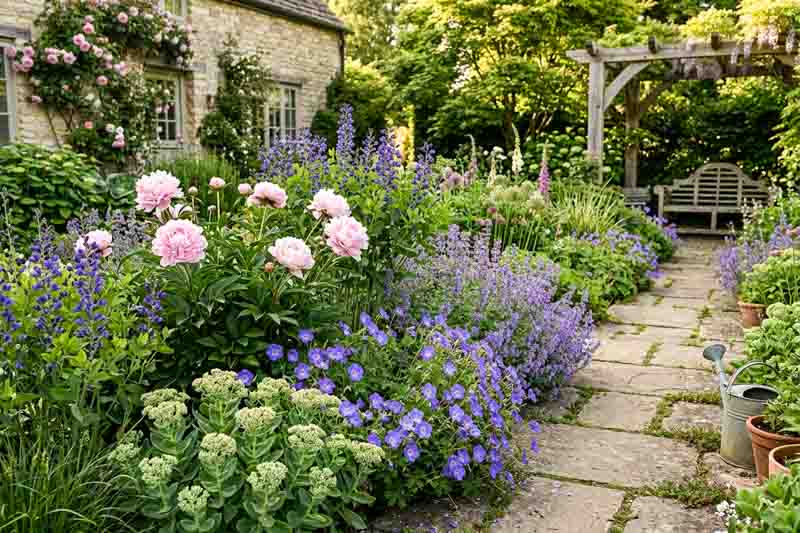
For a sunny, well-drained border in a temperate climate with sufficient winter chilling, consider these five plants:
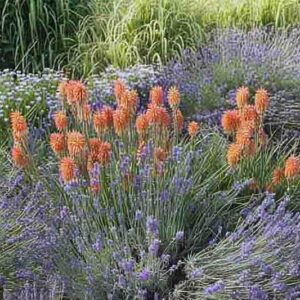
How to arrange them: Give baptisia a permanent position toward the back, place peonies where their spring flowers can be enjoyed, and repeat catmint along the front. Let ‘Rozanne’ fill wider gaps without crowding the stonecrops, which provide structure and color later in the year.
Long-lived anchors: Peonies and baptisias can remain in place for many years without routine division.
Less staking: Sturdy plant selections reduce the need for supports, especially if you choose peonies with lighter flowers.
Less deadheading: The seasonal succession of spring, summer, and autumn flowers creates interest without requiring every plant to rebloom.
Less overcrowding: Allowing for mature spread from the beginning avoids frequent lifting, dividing, and replanting.
Simpler watering: Group plants according to their moisture needs. Catmint and stonecrop generally prefer drier conditions than a vigorously flowering ‘Rozanne’, so arrange irrigation or planting zones accordingly.
The combination is illustrative rather than universal. Plant quantities, mature spacing, regional hardiness, and soil requirements need checking before installation. In warm-winter climates without sufficient chilling, replace peonies with a regionally suitable perennial.
Plant during favorable weather. Spring and early fall suit many hardy perennials, although the ideal time depends on your climate. Establishing roots during milder conditions reduces transplant stress.
Water new plants properly. Even drought-tolerant species need moisture during establishment. Once established, adjust irrigation according to plant needs, rainfall, and soil rather than watering every perennial on the same schedule.
Prevent weeds early. Prepare beds thoroughly and use appropriate mulch or well-behaved groundcovers to reduce exposed soil. Keep mulch away from crowns, and don’t crowd young plants simply to cover bare ground immediately.
Fertilize only when necessary. Many dependable perennials perform well without annual feeding. Excess nitrogen can encourage floppy stems, excessive growth, and greater maintenance.
Leave healthy clumps alone. Divide when flowering declines, centers die out, or plants exceed their space, not automatically every few years. Deadhead when it improves appearance or rebloom, but leave useful seedheads where they add winter interest or support wildlife.
For a broader selection of perennial flowers and their flowering seasons, explore Gardenia’s guide to the best perennial flowers and plants.
Peonies, baptisias, amsonias, daylilies, catmint, hardy geraniums, and upright stonecrops are dependable options for suitable sunny gardens. Hellebores, epimediums, hostas, and some ferns work well in shade. Choose plants adapted to local climate, soil, and moisture.
Established peonies and baptisias are especially long-lived in suitable growing conditions and generally do not require routine division. Amsonias and certain other perennials can also persist for many years. Actual longevity depends on climate, drainage, and plant health.
Once established, catmint, Russian sage, suitable upright stonecrops, and little bluestem tolerate dry spells in appropriate soils. Newly planted specimens still require regular watering, and drought tolerance differs by species and climate.
Geranium ‘Rozanne’, Nepeta ‘Walker’s Low’, and selected perennial coreopsis cultivars can flower over extended periods in favorable conditions. Flowering varies by climate and cultivar. Combining several perennials with different bloom times provides more reliable seasonal color.
Hellebores, epimediums, hostas, brunnera, foamflowers, fringed bleeding hearts, Pennsylvania sedge, and suitable hardy ferns are excellent choices. Some tolerate seasonal dry shade, while others prefer consistently moist soil. Local deer and slug pressure can also affect maintenance.
Some tall delphiniums need staking, double peonies may require support, bearded irises sometimes need division, and certain gaillardia hybrids are short-lived. Disease-prone cultivars and plants unsuited to local growing conditions can also demand more attention.
Updated and reviewed by Gardenia: October 2026
| Plant Type | Perennials |
|---|---|
| Genus | Amsonia, Baptisia, Brunnera, Carex, Dicentra, Epimedium, Geranium, Helleborus, Hemerocallis, Hosta, Nepeta, Paeonia, Polystichum, Pulmonaria, Sedum, Tiarella |
| Maintenance | Low |
Create a membership account to save your garden designs and to view them on any device.
Becoming a contributing member of Gardenia is easy and can be done in just a few minutes. If you provide us with your name, email address and the payment of a modest $25 annual membership fee, you will become a full member, enabling you to design and save up to 25 of your garden design ideas.
Join now and start creating your dream garden!