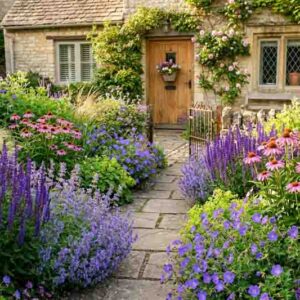
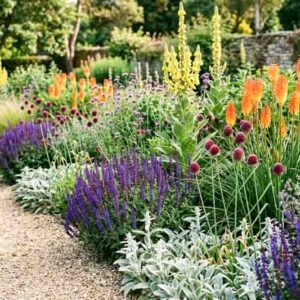
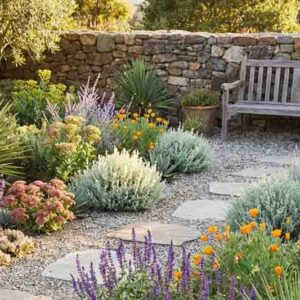
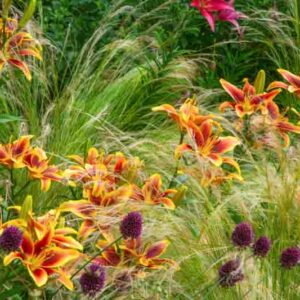
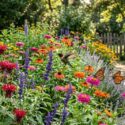
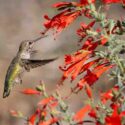
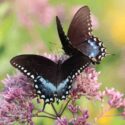
Imagine a garden where something beautiful blooms from the first signs of spring until autumn's final days. Discover when your favorite perennials flower, compare their blooming seasons, and learn how to prevent colorless gaps. With Gardenia's perennial bloom calendar, create a stunning garden that changes beautifully throughout the year.
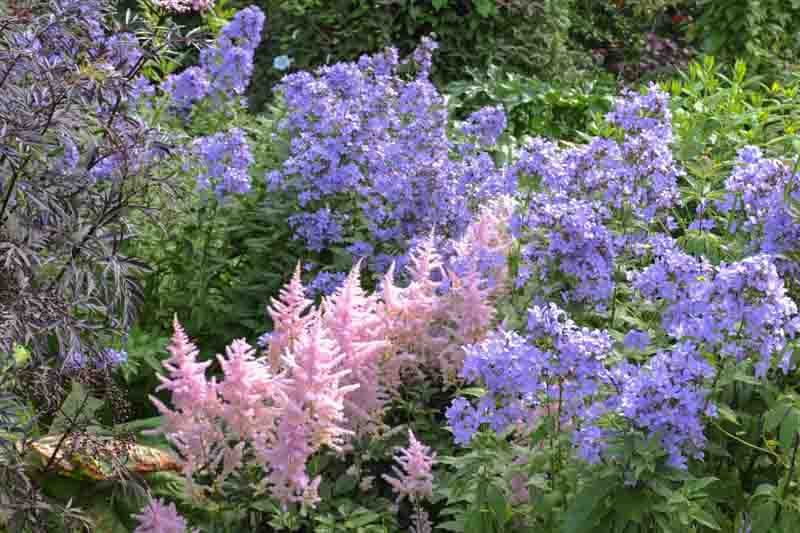


In May, your garden is glorious. Peonies are opening, irises are showing off, and every border seems filled with flowers. Then July arrives. The spring display has disappeared, leaving long stretches of green where you imagined summer color.
The problem often isn’t a shortage of plants. It’s that too many bloom at the same time.
A perennial bloom calendar helps you create a garden where one flowering season flows into the next. By combining early-spring flowers, late-spring favorites, summer performers, and autumn bloomers, you can enjoy beautiful color for months without expecting every perennial to flower continuously.
Use Gardenia’s month-by-month flowering timeline to compare bloom periods, discover plants for each season, and identify gaps before they appear in your borders. Then turn your selections into a practical garden plan.
Quick answer: How do you keep perennials blooming from spring to fall?
Begin with hellebores, lungwort, and creeping phlox. Add peonies, baptisias, salvias, and catmint for late spring and early summer. Continue with coneflowers, daylilies, and rudbeckias, then finish with asters, goldenrods, and upright stonecrops. The secret is overlapping flowering periods, not relying on one perennial to bloom all season.
Flowering dates aren’t fixed appointments. A peony blooming in April in a mild climate may not open until June farther north. Even gardens sharing the same USDA hardiness zone can have noticeably different bloom schedules.
This calendar illustrates approximate flowering periods for temperate Northern Hemisphere gardens, broadly comparable to many gardens in USDA Zones 4-7. Use it as a planning guide, then adjust the dates for your climate and chosen cultivars.
Three distinctions matter:
Peonies deliver a magnificent but relatively brief display. Catmint may flower for months, especially with appropriate trimming. Both belong in a season-long border, but they serve different purposes.
Gardenia’s bloom-planning rule: Build your planting sequence around dependable main flowering periods. Treat occasional later flowers as a welcome bonus.
When do your favorite perennials bloom, and which flowering periods overlap? Gardenia’s timeline follows 13 popular species and cultivars through the growing season, making it easier to spot gaps and choose complementary plants.
How to read it: Solid-colored cells represent approximate main flowering periods. Lighter cells indicate possible earlier or later blooms, including rebloom where applicable. A highlighted month does not mean the plant flowers continuously throughout that month.
| Perennial | Mar | Apr | May | Jun | Jul | Aug | Sep | Oct |
|---|---|---|---|---|---|---|---|---|
| Helleborus × hybridus | ● | ● | ||||||
| Pulmonaria ‘Trevi Fountain’ | ○ | ● | ● | |||||
| Phlox subulata | ● | ● | ||||||
| Paeonia lactiflora ‘Sarah Bernhardt’ | ● | ● | ||||||
| Baptisia australis | ● | ● | ||||||
| Nepeta ‘Walker’s Low’ | ○ | ● | ● | ● | ○ | |||
| Salvia nemorosa ‘Caradonna’ | ● | ● | ○ | |||||
| Echinacea purpurea | ● | ● | ● | ● | ||||
| Monarda didyma ‘Jacob Cline’ | ● | ● | ○ | |||||
| Rudbeckia fulgida ‘Goldsturm’ | ● | ● | ● | |||||
| Hylotelephium ‘Autumn Joy’ | ● | ● | ||||||
| Symphyotrichum novae-angliae ‘Purple Dome’ | ● | ● | ● | |||||
| Solidago rugosa ‘Fireworks’ | ● | ● | ● | |||||
Calendar key: Solid cells (●) show typical main flowering periods; lighter cells (○) indicate possible early, late, or repeat flowers. Green represents spring, pink late spring and early summer, gold summer, and purple late summer to fall.
Important: Gardenia’s plant profiles generally describe flowering seasons rather than exact calendar dates. This timeline translates those descriptions into approximate months. Temperature, elevation, cultivar differences, and frost dates can shift flowering by several weeks. Two highlighted months may indicate a shorter bloom period that crosses a calendar boundary.
Flowers versus lasting color
Peonies may bloom for only a week or two, while ‘Autumn Joy’ stonecrop can retain colorful aging flowerheads well after its main display. Similarly, catmint and some salvias may rebloom after trimming. Count fresh, dependable flowers when planning your bloom calendar, and enjoy the extra color as a bonus.
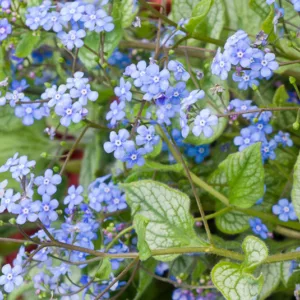
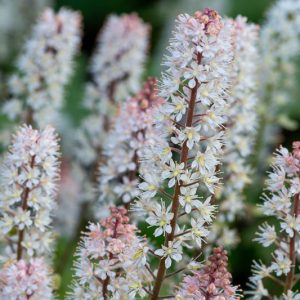
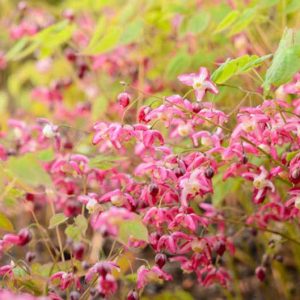
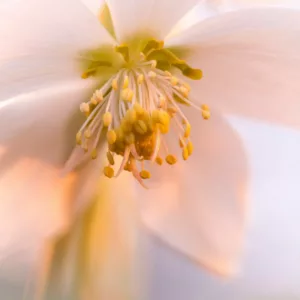
After winter, even a few flowers can make the garden feel alive again. Hellebores and lungwort often begin the display in sheltered woodland borders, followed by brunnera, foamflower, and epimedium as spring progresses.
These plants are especially useful beneath deciduous shrubs, where they benefit from sunlight before the trees leaf out. Their attractive foliage continues to provide interest after flowering, making them valuable additions to shaded gardens.
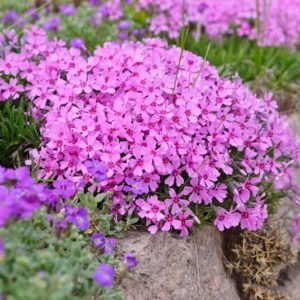
For sunny slopes and border edges, Phlox subulata offers a very different effect: spectacular carpets of pink, lavender, purple, or white flowers in mid-to-late spring. Unlike the woodland perennials, it needs sunshine and excellent drainage.
Design tip: Combine hellebores, pulmonarias, brunneras, foamflowers, and epimediums in a cool, moisture-retentive woodland border. Use creeping phlox separately in a sunny, well-drained position. This creates two beautiful early-season displays without forcing plants with different needs into the same bed.
For more inspiration, explore Gardenia’s spring flowers guide.
| Plant Type | Perennials |
|---|---|
| Genus | Baptisia, Echinacea, Helleborus, Monarda, Nepeta, Paeonia, Phlox, Pulmonaria, Rudbeckia, Salvia, Sedum, Solidago |
| Season of Interest | Spring (Early, Mid, Late), Summer (Early, Mid, Late), Fall |


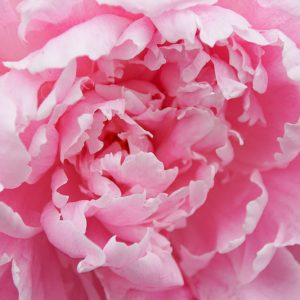
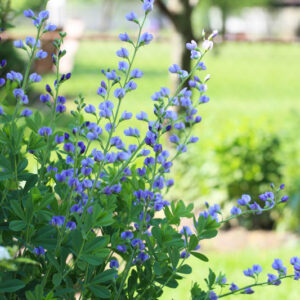
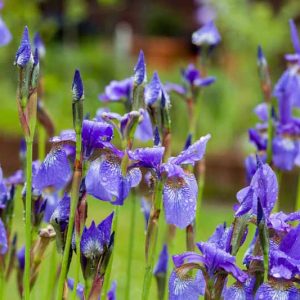
Late spring is often the most spectacular moment in a perennial border. Peonies open their sumptuous flowers, baptisias send up blue-purple spikes, and Siberian irises add elegant vertical accents. But these favorites generally bloom for a relatively short time, which makes their companions especially important.
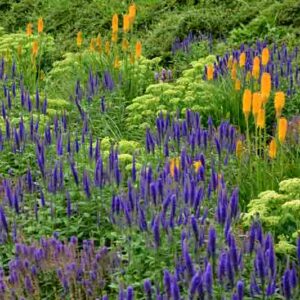
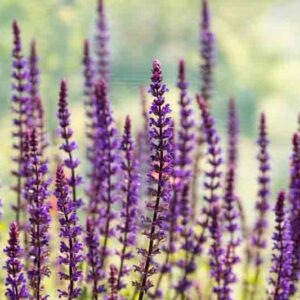
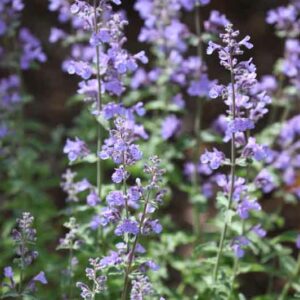
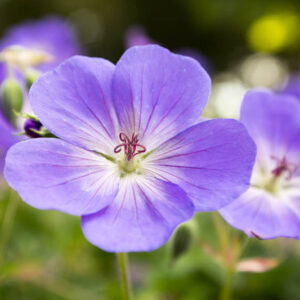
Salvia nemorosa ‘Caradonna’ and Nepeta ‘Walker’s Low’ are excellent partners. Their violet-blue flowers provide a transition from late spring into summer, while Geranium ‘Rozanne’ can continue flowering for months when conditions are favorable.
The combination works beautifully because of its contrasting shapes: rounded peony flowers, upright baptisias and salvias, delicate iris foliage, and softer mounds of catmint and hardy geranium.
Gardenia’s spring-to-summer handoff
Use peonies, baptisias, and Siberian irises for the main late-spring display. Let catmint, ‘Caradonna’, and ‘Rozanne’ take over as those flowers fade. The planting stays interesting even when its individual stars aren’t in bloom.
Midsummer calls for flowers that can perform through warm weather and keep the garden colorful after the spring favorites have finished.
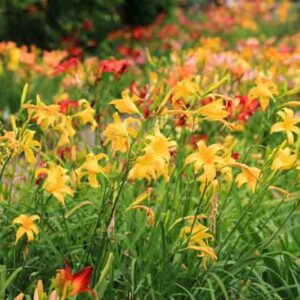
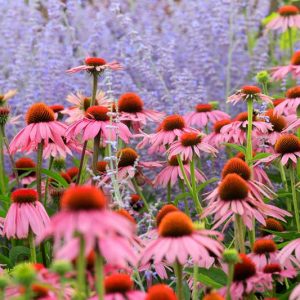
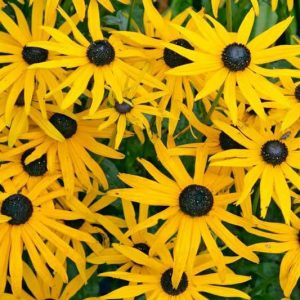
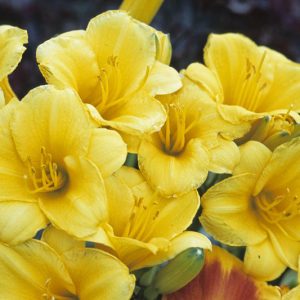
Echinacea purpurea and Rudbeckia ‘Goldsturm’ provide generous waves of pink-purple and golden-yellow daisies. Their contrasting colors look particularly attractive in sunny, prairie-inspired borders. Hemerocallis ‘Stella de Oro’ adds cheerful yellow flowers, with possible repeat blooming under favorable conditions.
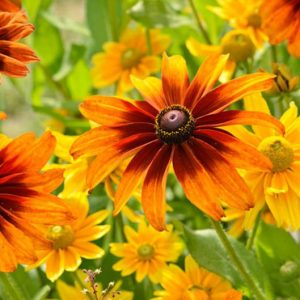
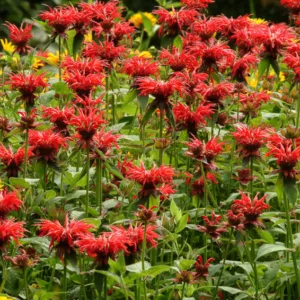
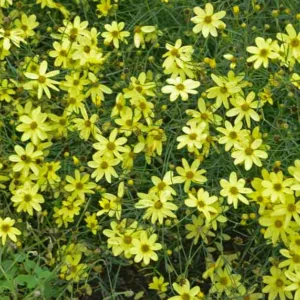
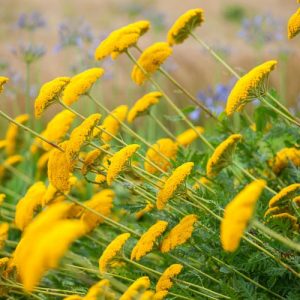
For additional texture, Coreopsis ‘Moonbeam’ brings airy foliage and pale-yellow flowers, while Achillea ‘Moonshine’ contributes flat, lemon-yellow clusters above silvery leaves. The brilliant red blooms of Monarda ‘Jacob Cline’ provide a dramatic accent and attract hummingbirds.
Growing tip: These plants don’t all have identical water requirements. Yarrow prefers excellent drainage, while bee balm generally needs more reliable moisture. Group compatible plants together or adjust irrigation accordingly.
For more selections, explore Gardenia’s guide to plants that bloom all summer.

Autumn color is easy to overlook when planning a perennial border. Without genuine late-season bloomers, a garden that looked magnificent in June can feel surprisingly tired by September.
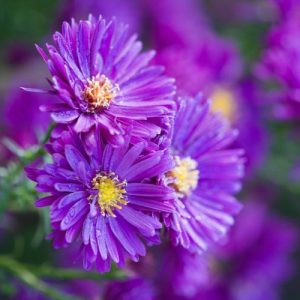
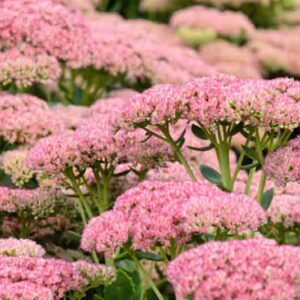
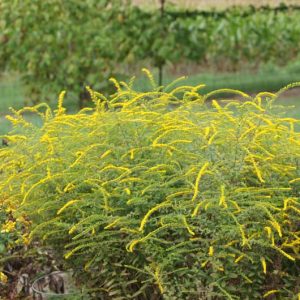
For sunny borders, Symphyotrichum ‘Purple Dome’, Solidago ‘Fireworks’, and Hylotelephium ‘Autumn Joy’ make an especially attractive combination. Purple daisies, arching golden sprays, and broad rose-colored flowerheads provide different shapes and colors, along with valuable late-season nectar.
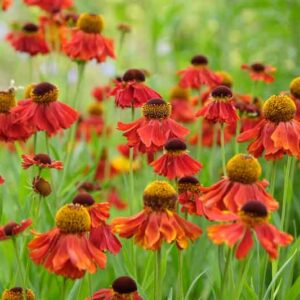
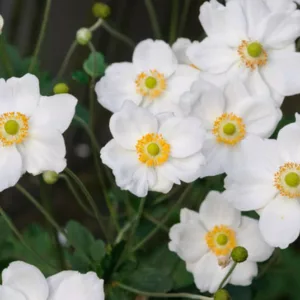
Helenium ‘Moerheim Beauty’ contributes copper-red flowers from late summer, particularly in sunny sites with adequate moisture. For partially shaded gardens, Anemone ‘Honorine Jobert’ offers graceful white flowers, while Tricyrtis formosana produces fascinating, orchid-like blooms toward the end of the season.
Two different autumn gardens
For sunny borders, combine asters, goldenrods, stonecrops, and suitable heleniums. For partly shaded borders, use Japanese anemones and toad lilies where moisture is adequate. These plants have different light and water requirements, so treat them as separate planting combinations.

The best perennial bloom calendar isn’t simply a list of flowering months. It helps you discover when your garden is likely to run short of color.
List the plants you already grow or plan to buy. Record their main blooming seasons, preferably using specific cultivars rather than broad plant groups. Don’t count occasional rebloom as a dependable display.
Identify months or shorter periods when few plants will be flowering. As a practical design guideline, aim for at least two overlapping bloomers during each important part of the growing season, or three in larger borders. This is a design recommendation, not a scientific rule.
Choose perennials that flower during the missing period and share your garden’s sunlight, soil, drainage, hardiness, and moisture conditions. A September bloomer is useful only if it can thrive in the intended position.
| When color disappears | What to consider |
|---|---|
| Early spring | Hellebores, lungwort, creeping phlox |
| After peonies finish | Catmint, salvias, long-flowering hardy geraniums |
| July and August | Coneflowers, daylilies, rudbeckias |
| September and October | Asters, goldenrods, stonecrops, appropriate shade bloomers |
One last check: A month showing three flowering plants doesn’t necessarily mean three are flowering simultaneously. A few weeks of overlap can make all the difference, especially when peonies, irises, or other short-blooming perennials are involved.
Begin with creeping phlox along the border edge, followed by peonies and baptisias for the main late-spring display. Catmint, ‘Caradonna’ salvia, and ‘Rozanne’ hardy geranium bridge into early summer. Coneflowers and black-eyed Susans provide midsummer flowers, followed by ‘Autumn Joy’ stonecrop, ‘Purple Dome’ aster, and ‘Fireworks’ goldenrod in autumn.
Arrange these plants in repeated groups rather than scattering individual specimens. Use peonies and baptisias as structural anchors, softer perennials near the front, and late-season flowers through the middle and back. Check mature sizes, drainage, and irrigation needs before planting.
Hellebores and lungwort open the season, followed by brunnera, foamflower, and epimedium. Fringed bleeding heart and suitable astilbes can carry some flowers into summer where soil stays adequately moist. Japanese anemones and toad lilies bring the display toward autumn in appropriate partially shaded positions.
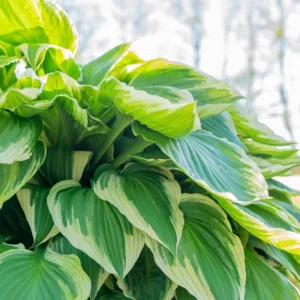
Deep shade is more difficult. Instead of expecting continuous flowers, use hostas, ferns, ornamental sedges, and interesting foliage to keep the garden attractive between shorter flowering periods.
Why your USDA zone isn’t a bloom calendar
USDA hardiness zones measure average annual extreme minimum temperatures, not flowering dates. Two gardens in the same zone may have very different spring temperatures and frost dates. Use your zone to help choose hardy plants, then adjust bloom times to your local growing season.
A general flowering calendar shows when plants usually bloom. Your garden plan should reflect the conditions and plant combinations in your own space.
Use Gardenia’s Plant Finder to choose perennials for your hardiness zone, sunlight, soil, drainage, and water needs. Then save your selections in Gardenia’s Garden Design Tool to review seasonal interest alongside plant compatibility, mature sizes, and planting quantities.
Look for gaps after spring flowering, during midsummer, and before the first autumn frosts. Adjust your plant choices before planting so the border has a stronger sequence of flowers and fewer compatibility problems.
That’s when a bloom calendar becomes a useful garden plan: it helps you move beyond individual flower choices and see how they work together throughout the growing season.
A perennial garden can produce successive flowers from spring to fall by combining plants with overlapping bloom seasons. Few individual perennials flower continuously throughout that period. Use spring hellebores and peonies, summer catmint and coneflowers, and autumn asters, goldenrods, and stonecrops.
In many temperate gardens, hellebores and lungwort bloom in early spring, peonies and baptisias in late spring, catmint and salvia in early summer, coneflowers and rudbeckias in midsummer, and asters, goldenrods, and upright stonecrops in late summer or autumn. Dates vary by climate and cultivar.
List the main flowering periods of your plants, identify weeks when few are blooming, and choose additional perennials with compatible growing requirements. Aim for overlapping displays rather than depending on uncertain rebloom.
Geranium ‘Rozanne’, suitable catmints, some perennial salvias, and selected coreopsis cultivars can flower for extended periods in favorable conditions. Bloom duration depends on cultivar, weather, moisture, and care, and trimming sometimes encourages additional flowers.
Depending on climate and frost dates, perennial asters, goldenrods, upright stonecrops, Japanese anemones, toad lilies, and hardy garden chrysanthemums can provide late-season flowers. Choose suitable species and cultivars, and distinguish active flowering from lingering seedheads.
No single calendar applies to every climate. USDA hardiness zones describe average annual extreme minimum temperatures, not bloom dates. Local temperatures, altitude, frost dates, and cultivar selection affect flowering, so adapt the calendar to your region.
Updated and reviewed by Gardenia: October 2026
| Plant Type | Perennials |
|---|---|
| Genus | Baptisia, Echinacea, Helleborus, Monarda, Nepeta, Paeonia, Phlox, Pulmonaria, Rudbeckia, Salvia, Sedum, Solidago |
| Season of Interest | Spring (Early, Mid, Late), Summer (Early, Mid, Late), Fall |
Create a membership account to save your garden designs and to view them on any device.
Becoming a contributing member of Gardenia is easy and can be done in just a few minutes. If you provide us with your name, email address and the payment of a modest $25 annual membership fee, you will become a full member, enabling you to design and save up to 25 of your garden design ideas.
Join now and start creating your dream garden!