Do deer eat poppies? Usually not much. Papaver species rank among Rutgers’ most deer-resistant flowers, while California poppies also perform well. Learn which poppies deer tend to avoid, how to recognize real browsing, and why Oriental poppy dormancy can look like damage even when deer have not touched the plant.
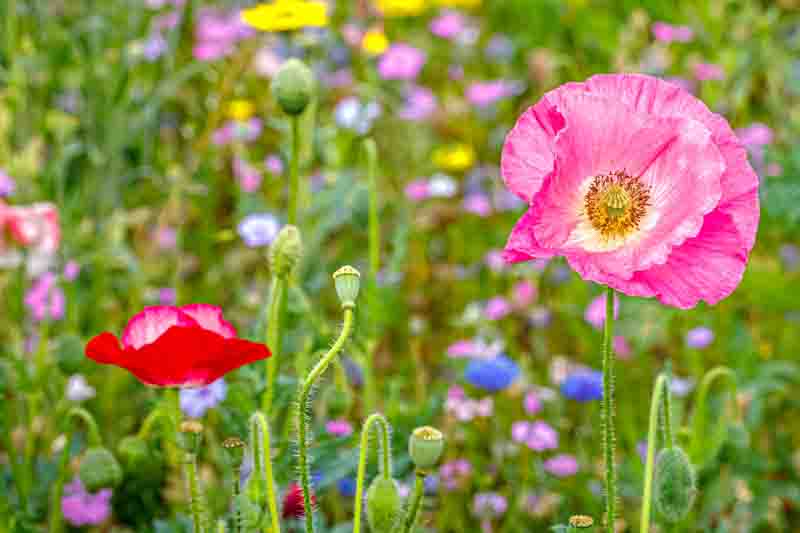


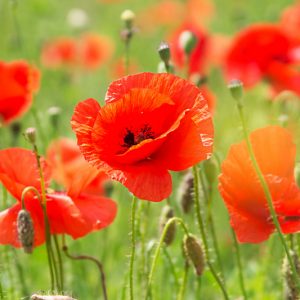
Deer usually leave poppies alone, making many of them excellent flowers for deer-prone gardens. The strongest documented record belongs to Papaver, the genus that includes Oriental, Flanders, Iceland, and breadseed poppies. Rutgers places these poppies among its least frequently damaged plants.
But “poppy” is a common name, not a single botanical group. California poppy belongs to Eschscholzia, prickly poppies belong to Argemone, and Himalayan blue poppies belong to Meconopsis. Several of these are also deer resistant, but they differ enormously in climate, moisture, soil, and garden use.
That distinction is important. A California poppy that thrives on a hot, dry slope would be miserable in the cool, moist woodland conditions preferred by a Himalayan blue poppy. Once deer resistance is established, choosing the right poppy for the site becomes the more useful decision.
The clearest independent evidence is for Papaver. Rutgers places poppies in its highest deer-resistance group, and Missouri Botanical Garden also includes Papaver among plants considered less favored by deer.
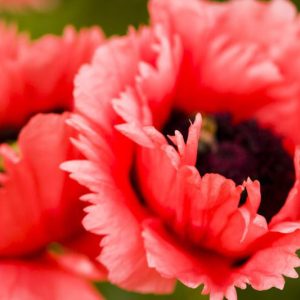
That covers many familiar garden poppies, including Oriental poppy (Papaver orientale), Flanders poppy (Papaver rhoeas), Iceland poppy (Papaver nudicaule), ladybird poppy (Papaver commutatum), and breadseed poppy (Papaver somniferum). Oregon State University Extension independently identifies Oriental poppy as deer resistant.
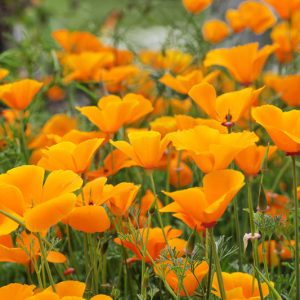
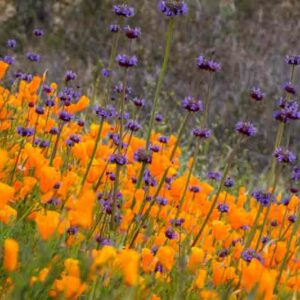
California poppy (Eschscholzia californica) should be treated separately. Rutgers gives it a slightly lower, but still strong, resistance rating. It is a useful reminder that plants sharing the common name “poppy” should not automatically inherit the same evidence.
Gardenia’s plant records broaden the picture further. Mexican prickly poppy (Argemone mexicana), white prickly poppy (Argemone albiflora), and several Himalayan blue poppies (Meconopsis) are also recorded as deer resistant.
Gardenia’s Poppy Check: identify the plant before judging its deer resistance. “Poppy” can mean Papaver, Eschscholzia, Argemone, Meconopsis, or another member of the poppy family, and the evidence and growing requirements are not identical.
These nine choices show just how different a “poppy” can be. Rather than choosing by deer resistance alone, use their climate, moisture, height, and garden role to narrow the list.
| Hardiness |
2 - 11 |
|---|---|
| Plant Type | Annuals, Perennials |
| Plant Family | Papaveraceae |
| Genus | Papaver |
| Tolerances | Deer |
Same common name, completely different gardens: California poppy thrives in dry sun, while Himalayan blue poppy wants cool, moist partial shade. Deer resistance cannot compensate for the wrong site.
Deer-resistant does not mean untouchable. Missouri Botanical Garden points out that deer can eat almost any plant when populations are high or preferred food becomes scarce.
Browsing is more likely when:
A missing flower or two is not necessarily important. What matters is whether deer repeatedly remove enough growth to prevent establishment or flowering.
A damaged poppy is not automatically a deer-damaged poppy. Look at how the tissue was removed.
Footprints, droppings, and similar damage on nearby plants strengthen the deer diagnosis. Small holes scattered through otherwise intact foliage point more strongly toward insects, slugs, or snails.
Do not mistake Oriental poppy dormancy for deer damage. Oriental poppy foliage commonly yellows and disappears after flowering. If the plant fades naturally without torn stems or browsing signs, it is probably entering its normal summer rest.
Match the response to the seriousness of the problem rather than protecting every poppy automatically.
Missouri Botanical Garden describes exclusion as the only consistently effective deer-control method under serious pressure. Resistant planting reduces risk, but heavy deer populations can overwhelm normal feeding preferences.
Oriental poppies deserve one extra piece of planning because their spectacular flowers are followed by a period when the foliage dies back.
This is normal dormancy, not a sign that deer have eaten the plant or that it has died. Once flowering finishes, the foliage may yellow and disappear, leaving a surprisingly obvious gap in a perennial border.
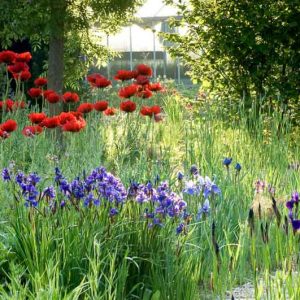
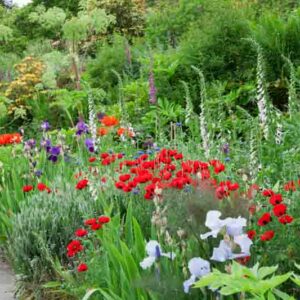
That makes companion planting particularly important. Later-emerging perennials can grow into the space as the poppies retreat, keeping the border full through summer.
Gardenia design note: when planning with Oriental poppies, design for what happens after the flowers finish. Their summer dormancy is as important to the planting plan as their spectacular spring bloom.
The answer to “Do deer eat poppies?” is usually reassuring. The harder question is which poppy will actually thrive where you want to plant it.
Use the Gardenia Plant Finder to compare deer-resistant plants by climate, hardiness, sun, soil, drainage, water needs, native status, mature size, and bloom season. Browse Deer-Resistant Garden Ideas for planting inspiration, then use the Garden Design Tool to check how your poppies and companion plants fit together before you plant.
Deer can eat poppies, but many types have a strong resistance record. Papaver species are among the least frequently damaged plants in the Rutgers deer-resistance ratings, and several other poppy-family plants are also considered deer resistant.
Yes. Oriental poppy, Papaver orientale, has a strong deer-resistance record. Oregon State University Extension lists it as deer resistant, and it also falls within the highly resistant Papaver group.
California poppies are generally deer resistant. Rutgers rates Eschscholzia californica as seldom severely damaged, although it is not a Papaver and should be considered separately from Oriental, Iceland, and Flanders poppies.
Yes, some are. Gardenia records both Mexican prickly poppy, Argemone mexicana, and white prickly poppy, Argemone albiflora, as deer resistant. They are different from Papaver poppies and prefer sunny, well-drained conditions.
Several Himalayan blue poppies are recorded as deer and rabbit resistant, including Meconopsis betonicifolia. Unlike dry-loving California poppies, they prefer cool conditions, partial shade, and moist but well-drained soil.
Deer often remove flower stems or shoot tips and leave torn or ragged tissue. Small holes, chewed leaf edges, or distorted buds are more likely to indicate slugs, snails, caterpillars, or aphids.
Oriental poppies commonly enter summer dormancy after flowering. Their foliage can yellow and disappear completely for a time. This is a normal growth cycle and should not automatically be mistaken for deer damage or plant death.
Updated: September 2026 – Reviewed by Gardenia Editors
| Hardiness |
2 - 11 |
|---|---|
| Plant Type | Annuals, Perennials |
| Plant Family | Papaveraceae |
| Genus | Papaver |
| Tolerances | Deer |
Create a membership account to save your garden designs and to view them on any device.
Becoming a contributing member of Gardenia is easy and can be done in just a few minutes. If you provide us with your name, email address and the payment of a modest $25 annual membership fee, you will become a full member, enabling you to design and save up to 25 of your garden design ideas.
Join now and start creating your dream garden!