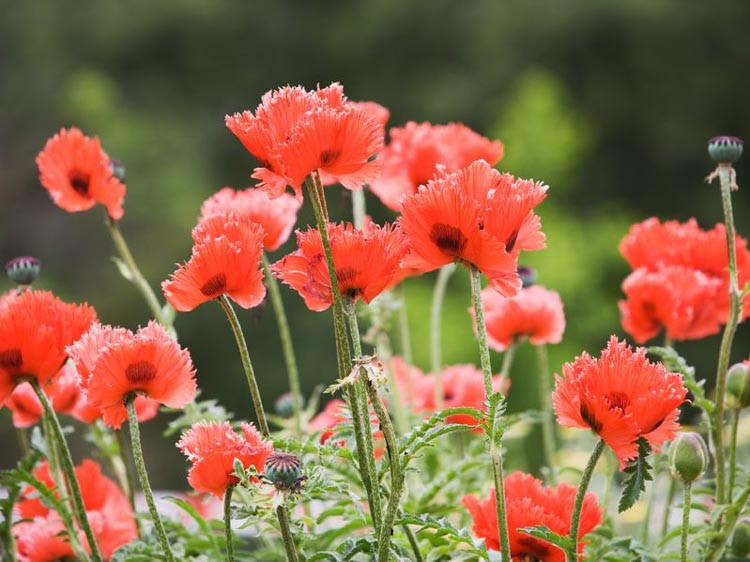
Papaver (Poppy)
Characteristics
Papaver, commonly called poppy, is a luminous flowering plant loved for silky petals, bold colors, decorative seed pods, and effortless cottage-garden charm. Depending on the species, poppies may be annuals, biennials, or perennials, blooming in red, orange, pink, white, yellow, purple, and soft pastel shades. To choose the right type, start with 24 Types of Poppies You Need to Know, and 44 Beautiful Poppy Flowers You Will Adore.
Why Grow Papaver?
Poppies bring drama without looking heavy. Their papery flowers glow in borders, meadows, gravel gardens, cottage gardens, and wildflower plantings. They also carry deep symbolism and history, beautifully explained in Poppy Flower: A Burst of Color and History in Your Garden. For beginners, the most important choice is whether you want annual or perennial poppies, so review Annual or Perennial Poppies? and Do Poppies Come Back Every Year?.
Growing Tips
Plant poppies in full sun and well-drained soil. Most dislike transplanting, so sow seed where plants are to bloom. For step-by-step help, use How to Grow Poppies from Seed for More Blooms and When to Plant Poppy Seeds: Fall or Spring?. If flowers fail, troubleshoot with Poppies Not Blooming? 9 Reasons and Fixes.
Popular Varieties
For classic scarlet drama, plant Papaver orientale ‘Beauty of Livermere’. For elegant white flowers, choose Papaver orientale ‘Royal Wedding’. For compact cool-season color, try Papaver nudicaule. For brilliant annual red, use Papaver commutatum ‘Ladybird’. For dark seed pods and dramatic blooms, consider Papaver somniferum ‘Blue Moon’, where legally permitted.
After Bloom and Design Advice
Oriental poppies often go dormant after flowering, so place them near companions that fill the gap. Learn what to do in What to Do After Oriental Poppies Bloom? and plan combinations with Best Companion Plants for Poppies. To save more flowers for next year, follow How to Collect Poppy Seeds and Grow More Poppies.
For success with Papaver, remember this simple guidance: full sun, loose soil, direct sowing, and careful companion planting. Get those right, and poppies reward you with unforgettable color, graceful seed pods, and natural garden charm.