Why won’t your poppies bloom? The problem is usually timing, heat, shade, rich soil, crowding, transplant shock, or normal dormancy. This guide explains the most common reasons poppies fail to flower - and the easy fixes that help annual, perennial, Iceland, Oriental, and California poppies bloom better.
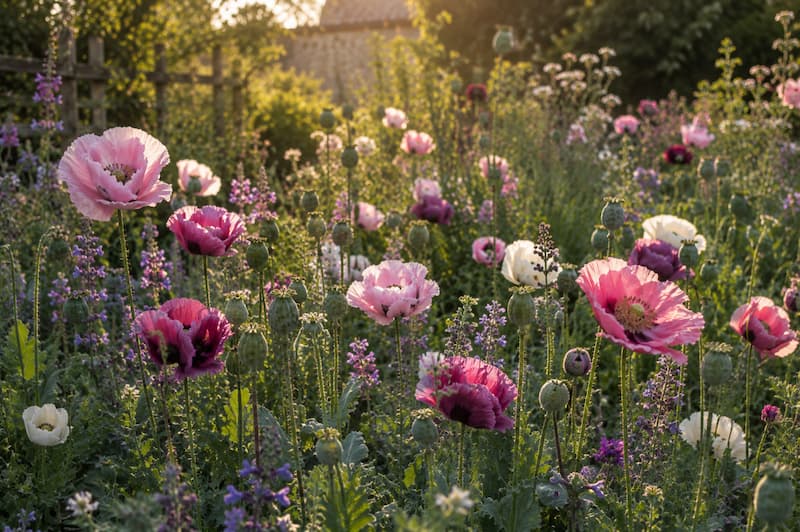


Poppies are famous for looking effortless: a scatter of seed, a little cool weather, and suddenly the garden is filled with silky, papery flowers. But when poppies grow leaves and refuse to bloom, the disappointment is real. The good news? Most non-blooming poppy problems have simple causes and practical fixes.
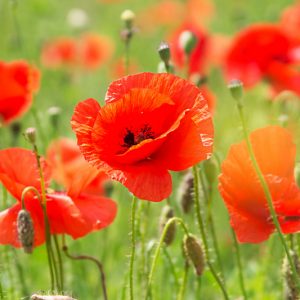
The reason your poppies are not blooming depends on the type you grow. Annual poppies such as Papaver rhoeas, the Flanders poppy or corn poppy, usually fail because they were sown too late, crowded, transplanted poorly, or grown in overly rich conditions. Perennial Papaver orientale, the Oriental poppy, may not bloom if it is too young, recently moved, planted too deeply, or stressed by wet soil. Papaver nudicaule, the Iceland poppy, often struggles when weather turns hot.
Use this troubleshooting guide to diagnose the problem quickly, then match the fix to your poppy type, climate, and garden conditions.
Fast answer: Poppies often fail to bloom because they were planted too late, grown in too much shade, fed too much nitrogen, crowded, transplanted badly, or exposed to heat before they established. Oriental poppies may also skip bloom when young or recently moved, while Iceland poppies often stop flowering in hot weather.
| Symptom | Likely Reason | Easy Fix |
|---|---|---|
| Lots of leaves, few or no flowers | Too much nitrogen or overly rich soil | Stop feeding; grow in leaner, well-drained soil |
| Small weak plants | Sown too late or crowded | Sow earlier and thin seedlings |
| Healthy Oriental poppy leaves, no flowers | Plant too young, recently divided, or stressed | Wait another season; avoid moving it |
| Buds form but do not open, dry up, or are distorted | Heat, drought, wet soil, or pests | Water consistently, improve drainage, check for aphids |
| Plants disappear after bloom | Normal Oriental poppy dormancy | Mark the spot and plant companions to cover gaps |
Late sowing is one of the biggest reasons poppies do not bloom well. Many poppies need a cool start. If seeds are sown after spring weather has already warmed, plants may germinate, grow a little foliage, and then stall before making strong flowering stems.
This is especially common with annual poppies such as Papaver rhoeas and Papaver somniferum. They grow best when established in cool conditions. If heat arrives before the roots and rosette are strong, flowering may be weak or absent.
Easy fix: Sow poppy seeds in fall, late winter, or very early spring, depending on your climate. In cold regions, sow as soon as the soil can be worked. In mild climates, fall sowing often gives stronger plants and earlier flowers. For timing details, read When to Plant Poppy Seeds: Fall vs Spring Sowing Explained.
Timing tip: If your poppies always make leaves but few flowers, sow earlier next season. Most poppies need cool weeks to root, grow, and prepare for bloom before heat arrives.
Most garden poppies bloom best in full sun. If plants are growing in shade, they may stretch, flop, produce lush leaves, and make few flowers. Even partial shade can reduce flowering in sun-loving types, especially in cool or damp climates.
Oriental poppies need sun for strong stems and large flowers. California poppies also perform best in bright, open sites. Iceland poppies can tolerate very light shade in some climates, but they still need enough light to bloom well.
Easy fix: Move perennial poppies to a sunnier, well-drained site when they are dormant or at the appropriate transplanting time for your region. For annual poppies, choose a brighter sowing area next season. Avoid sowing under dense shrubs, tall perennials, or trees that cast increasing shade in spring.
Poppies are not heavy feeders. In overly rich soil, they may produce leafy growth at the expense of flowers. This is especially true when fertilizer is high in nitrogen. A plant can look healthy, green, and vigorous but still refuse to bloom.
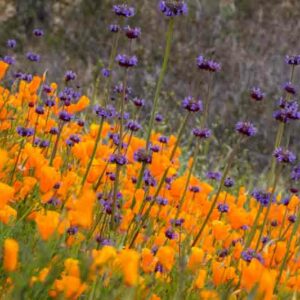
California poppies are a classic example: Eschscholzia californica often blooms best in lean, well-drained soil, and overly fertile conditions can encourage foliage instead of flowers. Many annual Papaver poppies also perform best in well-drained soil and may bloom poorly if pushed with excessive nitrogen or grown in heavily fertilized beds.
Easy fix: Stop feeding non-blooming poppies with high-nitrogen fertilizer. Avoid planting them in soil that has been heavily enriched for vegetables or lush annual bedding plants. If soil is extremely rich, grow annual poppies in a leaner, better-drained area next year.
When poppies produce plenty of leaves but few flowers, do not “help” with more fertilizer. Too much fertility, especially nitrogen, can make the problem worse. Aim for sun, drainage, early sowing, and moderate soil instead.
Poppy seedlings often germinate in dense patches because the seeds are tiny and easy to oversow. At first, a thick carpet of seedlings looks promising. Later, it becomes a problem. Crowded poppies compete for light, water, airflow, and root space. The result can be thin stems, small plants, poor flowering, and disease-prone growth.
This problem is common with self-sown annual poppies and hand-sown seedbeds. If dozens of seedlings are growing in a tight cluster, many will never reach blooming size.
Easy fix: Thin seedlings early, once they are large enough to handle. Snip extras at soil level if pulling would disturb nearby roots. Keep the strongest seedlings and give them enough space to form healthy rosettes. For a full seed-starting guide, see How to Grow Poppies from Seed.
One well-spaced poppy is usually better than ten crowded seedlings. Thinning feels harsh, but it often means bigger plants, stronger stems, better airflow, and many more flowers.
Many poppies resent root disturbance. Annual poppies are especially sensitive because they need to grow quickly and may not recover well from transplant shock. If seedlings were started indoors too long, became root-bound, or were moved after developing a deeper root system, they may stall and fail to bloom.
This is why direct sowing is usually the best approach for annual poppies such as Papaver rhoeas. Perennial Oriental poppies can also sulk after being divided or moved and may skip flowering while they re-establish.
Easy fix: Direct sow annual poppies outdoors where they will bloom. If you must start poppies in containers, use deep cells, transplant while young, and disturb roots as little as possible. For perennial Oriental poppies, avoid unnecessary moving and give divided plants time to settle before expecting full bloom.
Perennial poppies are not always instant performers. A newly planted or recently divided Oriental poppy may focus on roots and foliage before producing flowers. This is normal, especially if the plant was small, stressed, planted late, or moved at the wrong time.
Oriental poppies are long-lived once established, but they are not continuous-blooming annuals. Their display is spectacular and seasonal, usually in late spring to early summer. After bloom, foliage may fade or disappear as the plant rests.
Easy fix: Be patient. Give Oriental poppies a sunny, well-drained site and avoid moving them repeatedly. If the plant looks healthy but does not bloom the first season, wait another year before assuming something is wrong.
Heat can stop poppies from blooming well, especially cool-season types. Iceland poppies are particularly sensitive. Papaver nudicaule thrives in cool climates but often struggles in hot, humid conditions. If weather turns warm before plants are established, buds may be weak, short-lived, or absent.
Annual poppies can also perform poorly if sown late and pushed into warm weather. In hot-summer climates, the best poppy season may be fall, winter, or early spring rather than late spring.
Easy fix: Grow cool-season poppies during the cool part of the year. In warm regions, sow earlier, choose heat-adapted types such as California poppy for dry sunny sites, and avoid expecting Iceland poppies to bloom through hot, humid summers.
Poppies dislike soggy soil. Wet conditions can rot seedlings, weaken roots, or prevent perennial crowns from thriving. Oriental poppies especially need drainage. If the planting area stays wet in winter or after rain, plants may survive but fail to flower well, or they may disappear altogether.
Wet soil is also a problem during dormancy. A dormant Oriental poppy does not want to sit in a waterlogged bed. Heavy mulch packed over the crown can make the problem worse by trapping moisture.
Easy fix: Improve drainage before planting. Use raised beds, slopes, gravelly soil, or amended planting areas where water moves away freely. Do not bury crowns under thick mulch. In heavy clay, plant perennial poppies high rather than low, and avoid overwatering during dormancy.
If puddles remain long after rain, or soil stays sticky and cold for weeks, your poppies may struggle. Most poppies bloom better in open, well-drained soil than in heavy, wet, over-amended beds.
Sometimes poppies are not failing at all. They are simply following their natural cycle. Oriental poppies often bloom in late spring to early summer, then their foliage yellows and disappears. Gardeners may think the plant is dead or unproductive, but the crown can be alive underground.
This dormancy can be confusing if you expect summer-long foliage and flowers. Oriental poppies are best used as seasonal stars, not nonstop bloomers. Plant later-developing companions nearby so the border stays attractive after poppy foliage fades.
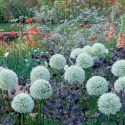
Easy fix: Mark the planting spot before foliage disappears. Do not dig into the crown during summer dormancy. Pair Oriental poppies with later-growing companions such as Allium, Iris germanica, Nepeta, Salvia, Shasta daisies, ornamental grasses, or other sun-loving perennials.
| Poppy Type | Common Bloom Problem | Best Fix |
|---|---|---|
| Papaver rhoeas | Sown too late, crowded, or overfed | Sow early, thin well, avoid rich fertilizer |
| Papaver somniferum | Late sowing or excessive fertility | Sow in cool weather; check local regulations before growing |
| Papaver nudicaule | Heat, humidity, or dry stress | Grow in cool weather with even moisture and drainage |
| Papaver orientale | Too young, recently moved, wet soil, or dormancy confusion | Give sun, drainage, patience, and avoid disturbance |
| Eschscholzia californica | Rich soil, too much water, too much fertilizer, or shade | Grow in sun, lean soil, and excellent drainage |
If buds are distorted, sticky, or covered with insects, check for aphids; if foliage is yellowing or spotted in damp conditions, improve airflow and watch for downy mildew.
For more poppy flowers, begin with the right timing. Sow annual poppies in fall, late winter, or early spring so plants establish in cool weather. Choose a sunny spot with open, well-drained soil. Scatter seed thinly, press or cover lightly according to the seed packet, and thin seedlings before they crowd each other.
For perennial Oriental poppies, plant in full sun and well-drained soil, then leave them alone. Do not overwater or overfeed. After flowering, let the foliage fade naturally and protect the crown from soggy conditions. If you want the border to look full after poppy bloom, plan companions from the start.
To choose the right poppy for your garden, explore Gardenia’s Papaver poppy guide, compare types with Compare All Papaver Plants, browse types of poppies to discover, and read Annual vs Perennial Poppies: Which Poppy Should You Grow?.
For growing and timing advice, see How to Grow Poppies from Seed and When to Plant Poppy Seeds: Fall vs Spring Sowing Explained. For return and self-seeding guidance, read Do Poppies Come Back Every Year?.
For design inspiration, browse Garden Ideas with Poppies or use the Gardenia Garden Design Tool to plan a border that stays beautiful before, during, and after poppy bloom.
If your poppies are not blooming, start with the basics: timing, sun, drainage, spacing, and fertilizer. Most poppies need a cool start, full sun, well-drained soil, and room to grow. Annual poppies usually fail when sown too late, crowded, transplanted badly, or overfed. Perennial Oriental poppies may simply need more time, better drainage, or less disturbance.
Once you fix the growing conditions, poppies often reward you generously. Sow early, thin bravely, feed lightly, avoid soggy soil, and match the poppy to your climate. That is the easiest path from leafy disappointment to a garden full of blooms.
Poppies often grow leaves but no flowers when they are sown too late, grown in too much shade, crowded, or fed too much nitrogen. Annual poppies need cool weather to establish, while perennial Oriental poppies may skip bloom if young, recently moved, or stressed by wet soil.
Most poppies bloom best in full sun. Too much shade can cause weak growth, fewer buds, and poor flowering. Iceland poppies may tolerate very light shade in some climates, but they still need good light to bloom well.
Yes. Too much fertilizer, especially nitrogen, can encourage leafy growth instead of flowers. Poppies usually bloom best in average to lean, well-drained soil rather than heavily enriched beds.
An Oriental poppy may not bloom if it is young, newly planted, recently divided, moved at the wrong time, planted in poor drainage, or recovering from stress. Give it full sun, well-drained soil, and another season before assuming it has failed.
Iceland poppies may fail to bloom if weather is too hot, plants are stressed by drought or humidity, or they were planted too late. They perform best in cool conditions with even moisture and well-drained soil.
California poppies may bloom poorly in too much shade, rich soil, wet soil, or after heavy fertilizing. They usually perform best in full sun, lean soil, and excellent drainage.
Many annual poppies can bloom the first year if sown early enough in cool conditions. Perennial Oriental poppies grown from seed may take longer and may not bloom the first season.
Sow annual poppies earlier, choose a sunny site, thin seedlings, avoid high-nitrogen fertilizer, and use well-drained soil. For perennial poppies, give full sun, protect the crown from wet soil, avoid moving the plant, and be patient while it establishes.
Updated: July 2026 • Reviewed by Gardenia Editors
| Hardiness |
2 - 11 |
|---|---|
| Plant Type | Annuals, Perennials |
| Plant Family | Papaveraceae |
| Genus | Papaver |
| Hardiness |
2 - 11 |
|---|---|
| Plant Type | Annuals, Perennials |
| Plant Family | Papaveraceae |
| Genus | Papaver |
Create a membership account to save your garden designs and to view them on any device.
Becoming a contributing member of Gardenia is easy and can be done in just a few minutes. If you provide us with your name, email address and the payment of a modest $25 annual membership fee, you will become a full member, enabling you to design and save up to 25 of your garden design ideas.
Join now and start creating your dream garden!
Create a membership account to save your garden designs and to view them on any device.
Becoming a contributing member of Gardenia is easy and can be done in just a few minutes. If you provide us with your name, email address and the payment of a modest $25 annual membership fee, you will become a full member, enabling you to design and save up to 25 of your garden design ideas.
Join now and start creating your dream garden!