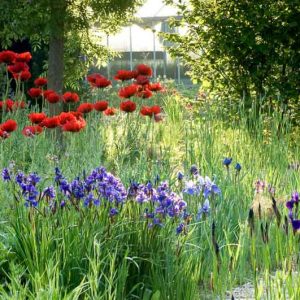
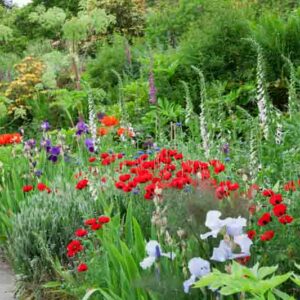
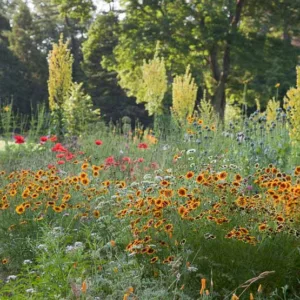
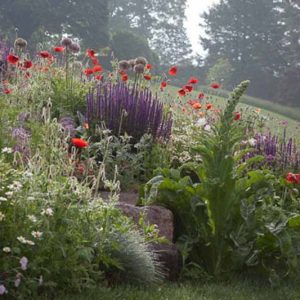
The best companion plants for poppies share sun, drainage, and a relaxed garden style. Pair annual poppies with meadow flowers, Oriental poppies with later-growing perennials, and California poppies with drought-tolerant plants. These combinations help extend color, hide fading foliage, attract pollinators, and keep borders beautiful after poppies bloom.


Poppies are spectacular, but they are rarely all-season plants. Their silky flowers can steal the show in late spring and early summer, then some types fade, set seed, or disappear into dormancy. That is why choosing the right companion plants for poppies matters so much.
The best companions do more than look pretty. They share similar growing conditions, extend the season of interest, support pollinators, and help cover the gaps left when poppy foliage fades. This is especially important with Papaver orientale, the Oriental poppy, whose leaves often yellow and disappear after bloom.
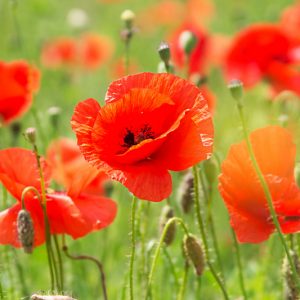
Companion planting also depends on the kind of poppy you grow. Annual poppies such as Papaver rhoeas (Flanders Poppy) pair beautifully with meadow flowers and cottage-garden annuals. Papaver somniferum (Opium Poppy), where legally permitted, combines well with bold border plants and ornamental seedhead companions. Eschscholzia californica (California Poppy) needs leaner, drier partners than Iceland or Oriental poppies.
Fast answer: The best companion plants for poppies include Allium, Bearded Iris, Nepeta, Salvia, Shasta daisies, ornamental grasses, Russian sage, yarrow, cornflowers, nigella, larkspur, calendula, and drought-tolerant plants such as lavender and sedum. Choose companions that match your poppy type, soil, and climate.
Start with growing conditions. Most poppies bloom best in sun and well-drained soil. Companions should not demand constant moisture, deep shade, or rich, heavily fertilized ground. If a plant wants boggy soil or dense woodland shade, it is usually not the right partner for most garden poppies.
Next, think about timing. Poppies often bloom in late spring to early summer. Good companions should either bloom at the same time for a dramatic show or bloom later to keep the border attractive after the poppies fade.
Finally, consider shape. Poppies have bold, rounded flowers and often coarse or ferny foliage. They look beautiful with vertical spikes, airy flowers, fine leaves, ornamental grasses, and mounding plants that soften the base of the planting.
| Companion Plant | Best With | Why It Works |
|---|---|---|
| Allium | Oriental poppies, bearded iris, cottage borders | Globe flowers add vertical structure around poppy bloom time. |
| Iris germanica | Oriental poppies | Sword-like foliage contrasts beautifully with poppy flowers. |
| Nepeta | Oriental poppies, annual poppies, sunny borders | Soft blue flowers and mounding foliage hide fading poppy leaves. |
| Salvia | Oriental poppies, sunny perennial borders | Upright spikes continue color as poppies finish. |
| Russian Sage | Oriental poppies, dry sunny borders | Silver foliage and late color fill the summer gap. |
| Yarrow | Annual poppies, Oriental poppies, dry gardens | Flat flower clusters and ferny foliage suit relaxed plantings. |
| Liatris | Perennial borders and pollinator gardens | Later vertical flowers extend the season after poppies. |
| Shasta Daisy | Oriental poppies, cottage gardens | Sturdy summer foliage and flowers fill post-poppy gaps. |
| Sedum | Dry borders, California poppies, Oriental poppies | Succulent foliage and late flowers add drought-tolerant structure. |
| Ornamental Grasses | Naturalistic borders, Oriental poppies | Emerging summer foliage hides poppy dormancy and adds movement. |
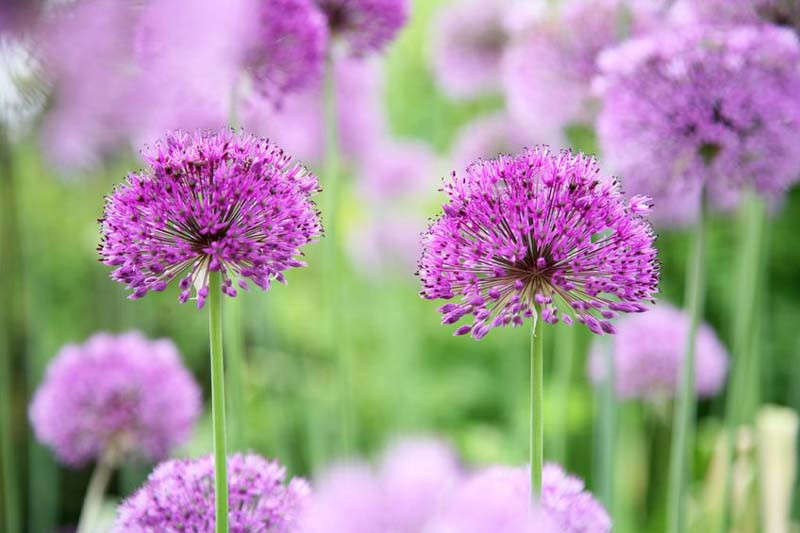
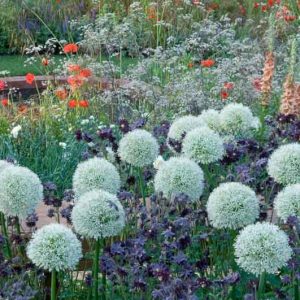
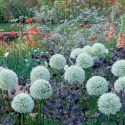
Allium is one of the most elegant companions for poppies. The round flower heads echo poppy seedpods but rise on clean, vertical stems, creating a wonderful contrast with poppy petals.
Alliums are especially good with Oriental poppies because they bloom in a similar spring-to-early-summer window. Their dried seedheads can remain attractive after flowering, helping the border stay structured as poppy foliage begins to fade.
Best design use: Plant alliums in small groups between poppy clumps, especially with bearded iris, nepeta, and salvia for a classic sunny border.
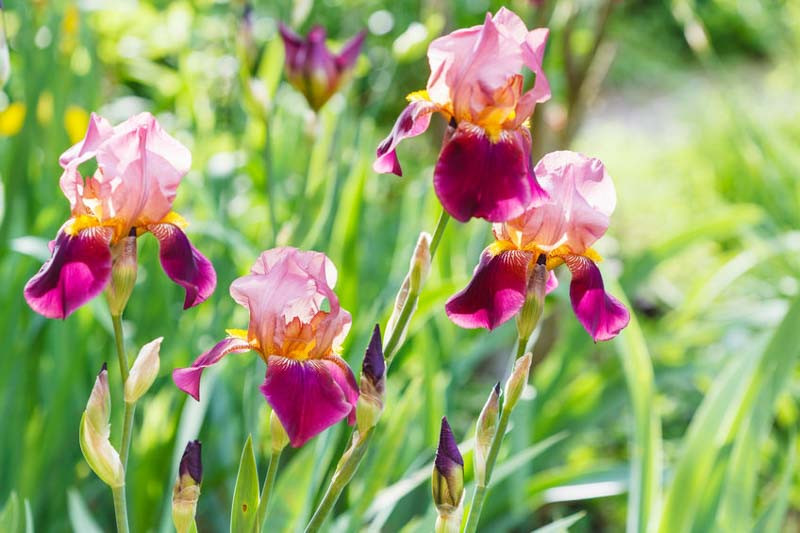
Iris germanica, or bearded iris, is a natural partner for Oriental poppies. Both love sun and good drainage, and both bring high-impact flowers in late spring or early summer.
Bearded iris also offers a valuable foliage contrast. Its upright, sword-shaped leaves create structure before and after bloom, while poppies bring rounded, papery flowers and bold texture. The combination feels classic, romantic, and very Gardenia-friendly.
Best design use: Pair orange or red Oriental poppies with purple, blue, white, or soft yellow bearded iris for dramatic color contrast.
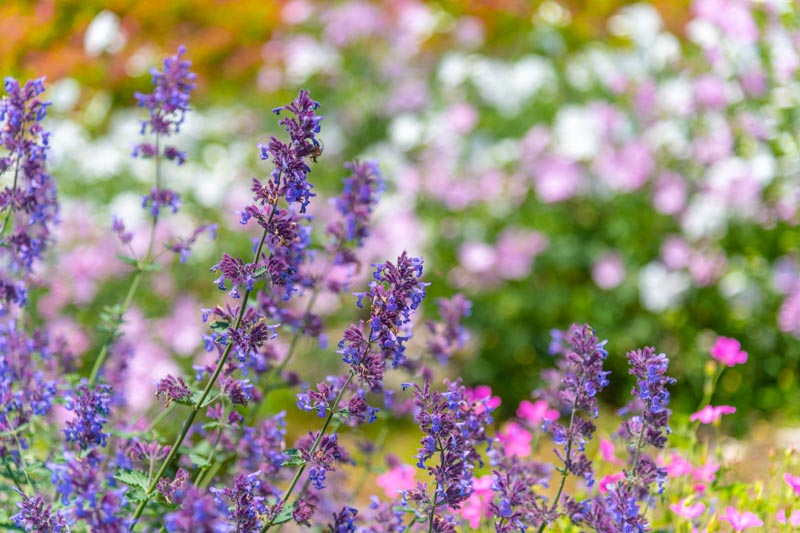
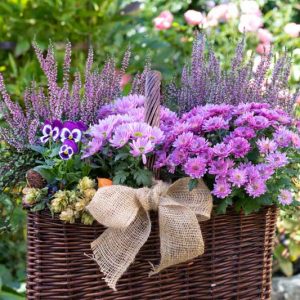
Nepeta, or catmint, is one of the easiest ways to soften poppy plantings. Its aromatic gray-green foliage and blue-violet flowers make a beautiful frame for red, orange, pink, or white poppies.
Nepeta is especially useful after Oriental poppies bloom because it mounds and spreads gently, helping cover the space as poppy foliage fades. It also pairs beautifully with annual poppies in cottage borders, where its cool blue flowers balance the warm tones of poppy petals.
Best design use: Use nepeta at the front of the border or around poppy clumps. For compact spaces, try Nepeta ‘Cat’s Pajamas’. For larger borders, consider Nepeta racemosa ‘Walker’s Low’.
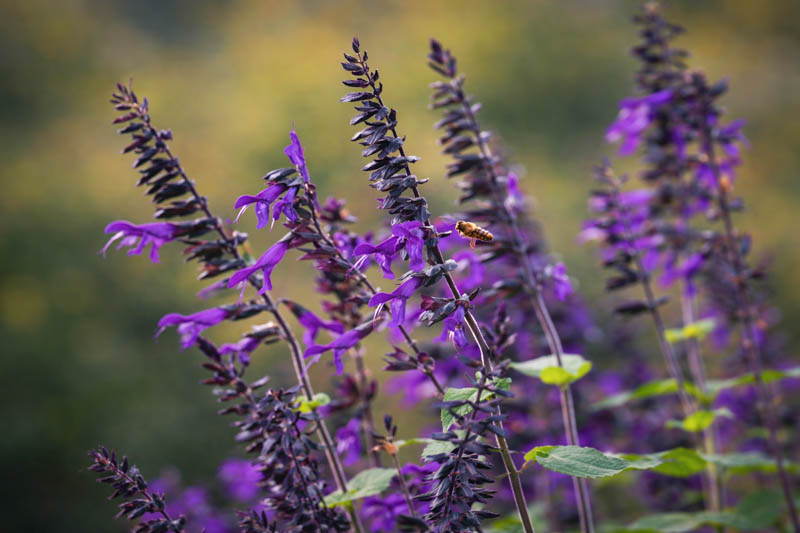
Salvia brings upright flower spikes, strong color, and pollinator value to poppy borders. Blue, violet, purple, pink, or white salvia flowers look especially good with red and orange poppies.
Salvia helps solve one of the biggest poppy design problems: what happens after the poppy show ends. As Oriental poppies decline, salvia can continue flowering or rebloom after cutting back, keeping the border lively.
Best design use: Plant salvia behind or beside poppies for vertical rhythm, especially in sunny perennial borders with allium, nepeta, and ornamental grasses.
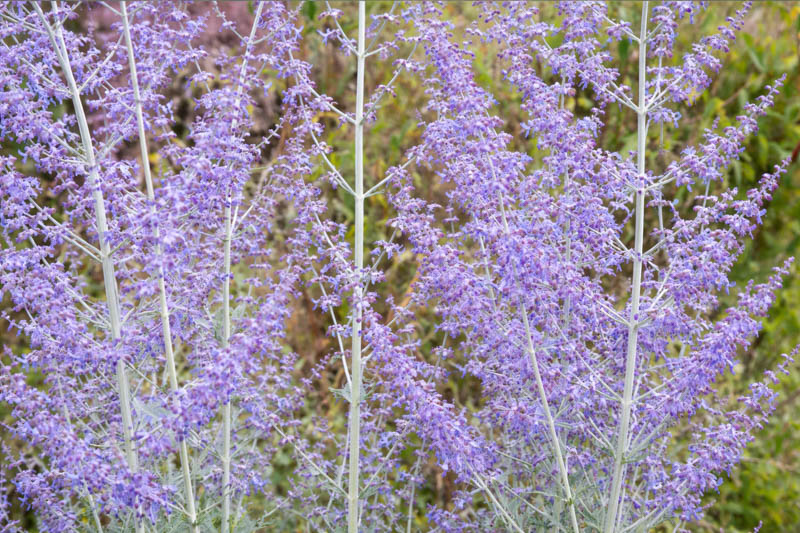
Russian sage is a strong companion for dry, sunny borders. Its silver-gray stems and lavender-blue flowers create a soft, hazy backdrop that lets poppies glow.
This pairing works especially well after Oriental poppies bloom. As poppy foliage fades, Russian sage expands into summer, bringing height, texture, and long-lasting color. It is also useful with California poppies in dry landscapes where plants need excellent drainage and low summer water.
Best design use: Place Russian sage behind poppies or slightly to the side, where it can fill the border later without smothering young poppy foliage in spring.
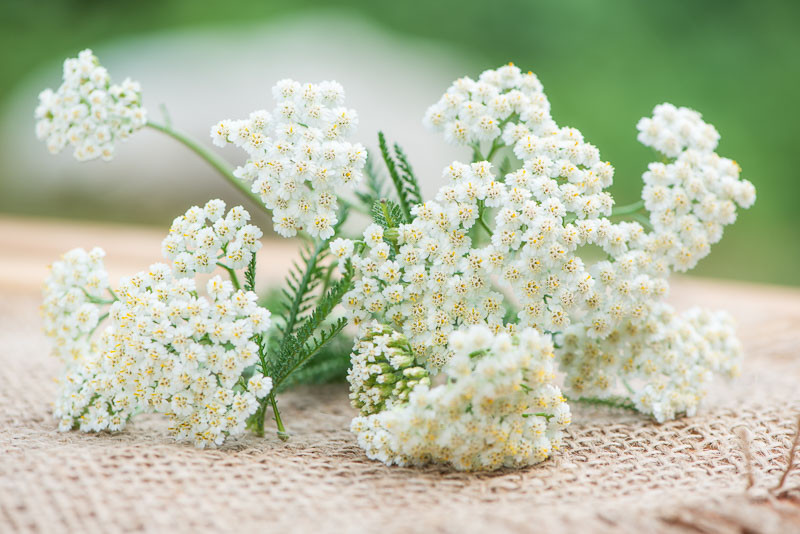
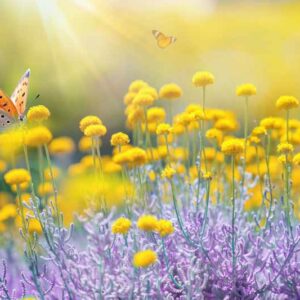
Yarrow is a natural companion for informal poppy plantings. Its flat-topped flowers, ferny foliage, drought tolerance, and pollinator appeal make it excellent in meadow-style borders and sunny cottage gardens.
Yarrow pairs well with annual poppies because it has a relaxed, wildflower quality. It also works with Oriental poppies in well-drained borders, where it can provide color and structure after the poppy bloom season passes.
Best design use: Combine warm-colored poppies with yellow, terracotta, cream, or soft pink yarrow, or use white yarrow to cool a fiery planting.
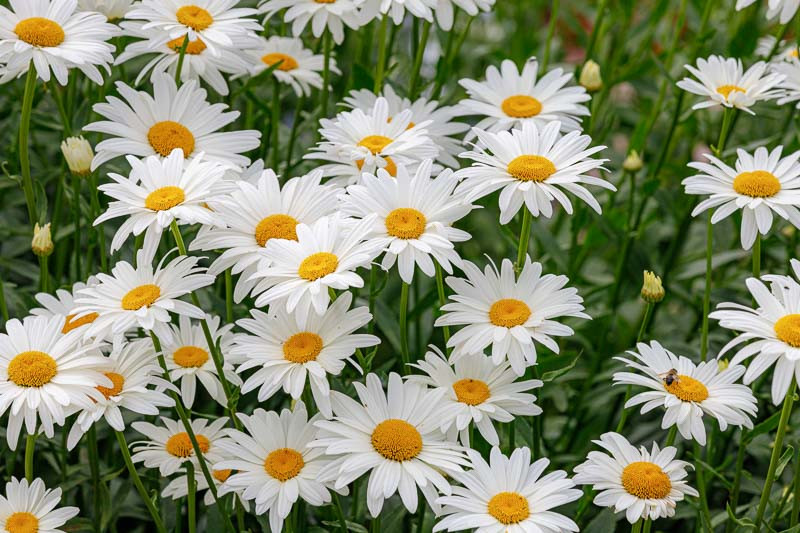
Shasta daisy is a cheerful summer companion for Oriental poppies. Its fresh white flowers and sturdy foliage help carry the border after poppies finish.
This is a good pairing if you want a classic cottage-garden look. Poppies provide the dramatic late-spring moment, while Shasta daisies add summer brightness and help cover empty spaces.
Best design use: Plant Shasta daisies near, but not directly on top of, Oriental poppy crowns. Give each plant enough room for airflow and expansion.
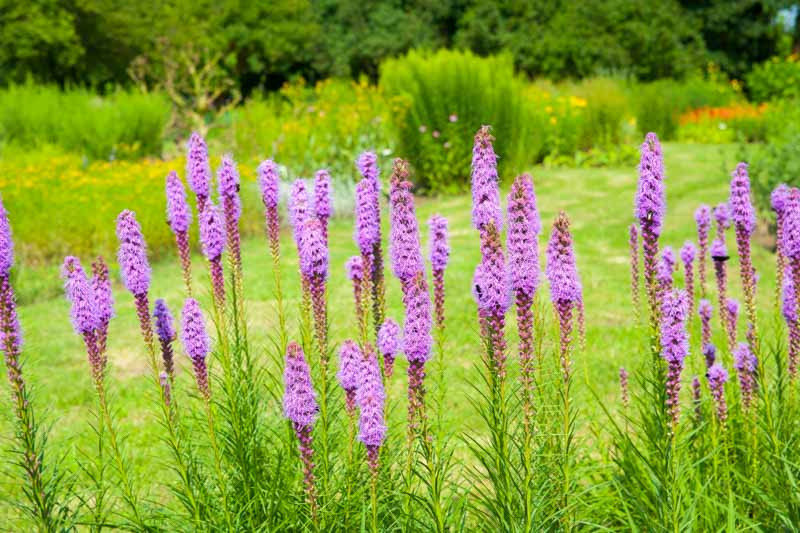
Liatris, or blazing star, brings upright purple, pink, or white flower spikes later in the season. It is especially useful in pollinator gardens, prairie-style borders, and sunny perennial plantings.
Because Liatris blooms later than many poppies, it is a good transition plant. It does not compete for the spotlight during poppy bloom, then steps forward when poppies are finished.
Best design use: Use Liatris behind annual poppies or among ornamental grasses for a meadow-inspired planting that changes gracefully through the season.
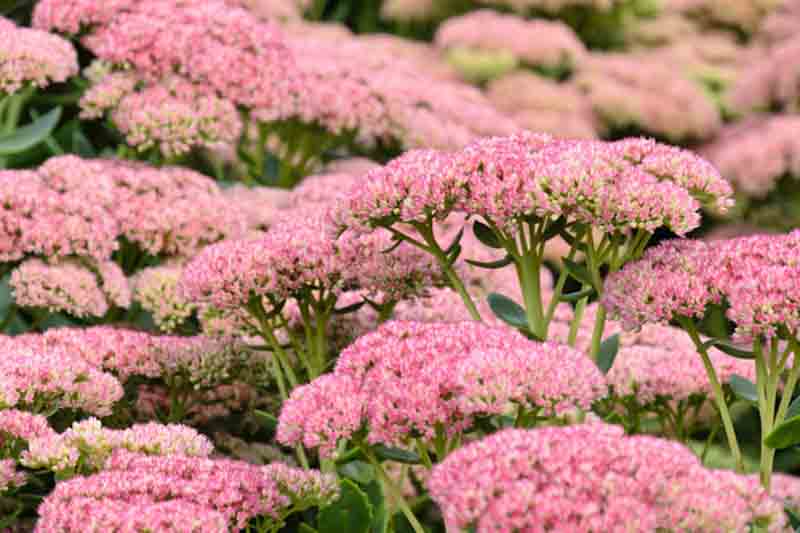
Sedum, or stonecrop, is excellent for sunny, dry, well-drained sites. Its succulent foliage provides structure after spring flowers fade, and many sedums bloom later, feeding bees and butterflies when the garden needs late-season interest.
Sedum is especially helpful with California poppies and drought-tolerant poppy borders. It also works near Oriental poppies as long as the site drains well and the sedum does not smother the crown.
Best design use: Use low sedums at the front of dry borders and upright sedums among grasses, yarrow, and Russian sage.
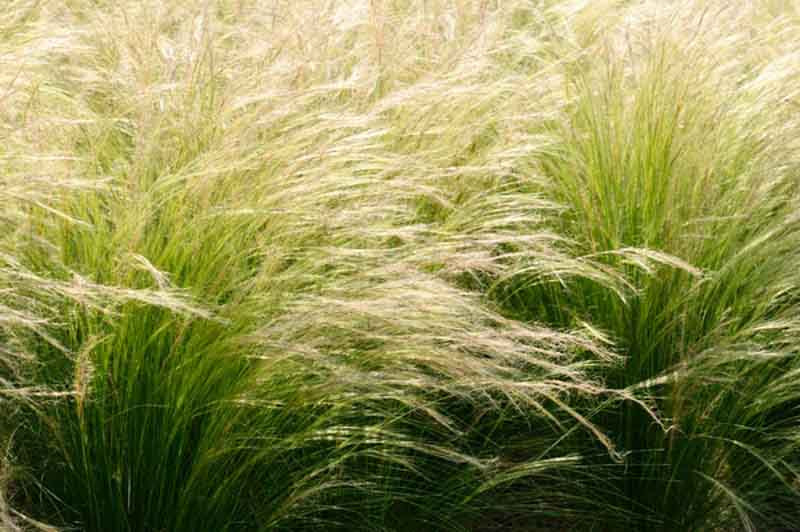
Ornamental grasses are some of the best plants for hiding Oriental poppy dormancy. Many grasses are slow to develop in early spring, which gives poppies room to grow and bloom. Then grasses expand in summer, just as poppy foliage disappears.
Grasses also bring movement, fine texture, and long-season structure. They are especially useful in naturalistic borders, gravel gardens, and prairie-inspired plantings.
Best design use: Plant grasses around, not directly over, Oriental poppy crowns. Choose clump-forming grasses that match your soil moisture and climate.
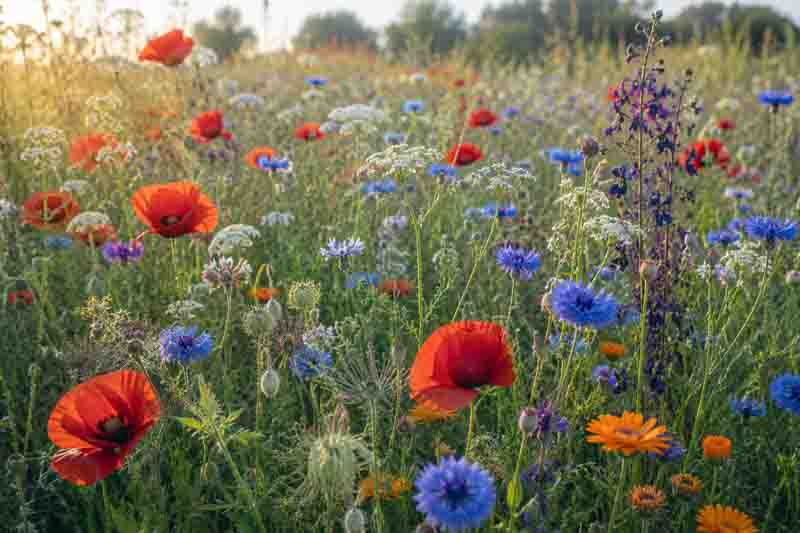
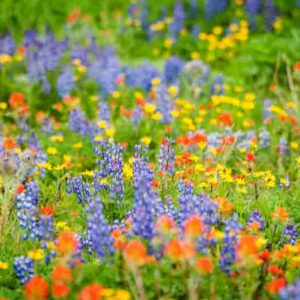
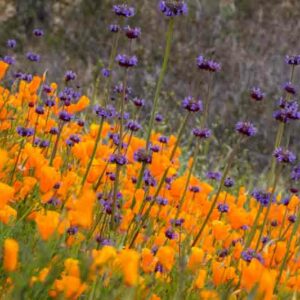
Annual poppies look wonderful with other annuals that enjoy sun, open soil, and a relaxed style. These companions are especially useful with Papaver rhoeas, Shirley poppies, and meadow-style plantings.
Oriental poppies need companions more than most poppies because their foliage often disappears after bloom. The best companions allow the poppies to shine in late spring, then take over visually in summer.
Choose plants that share sun and drainage but develop later or hold attractive foliage after the poppies fade. Excellent choices include Allium, Bearded Iris, Nepeta, Salvia, Shasta daisies, Russian sage, sedum, and ornamental grasses.
Design secret: Do not try to make Oriental poppies carry the border all summer. Let them be the spring drama, then let companions become the summer structure.
California poppies need a different style of companion planting. Eschscholzia californica prefers sunny, well-drained, leaner conditions and does not want rich, wet soil.
Pair California poppies with drought-tolerant, low-maintenance plants such as sedum, yarrow, lavender, ornamental grasses, Russian sage, and other dry-garden companions. Avoid thirsty perennials that need regular summer irrigation, as too much water can weaken the whole planting.
Think sun, drainage, and lean soil. California poppies look best with drought-tolerant plants that enjoy the same open, low-water conditions.
Spring and early-summer bulbs are excellent partners for poppies because they bring structure and seasonal rhythm. Alliums are the most obvious choice, but other bulbs can also work if they share the same sunny, well-drained conditions.
Gladiolus communis subsp. byzantinus can be a beautiful partner in warm, well-drained borders, bringing magenta flower spikes that echo cottage-garden poppy energy. Spring bulbs such as tulips may also work with poppies, though tulips often need dry summer conditions and careful site selection.
Best design use: Use bulbs to give height before summer perennials take over. Avoid planting bulbs so densely that they crowd poppy crowns or prevent annual poppy seedlings from emerging.
Poppies come in bold colors, so companion color choices matter. Red, orange, and coral poppies feel dramatic with blue, violet, silver, and white companions. Pink, salmon, and white poppies are softer and pair beautifully with lavender, cream, pale yellow, and gray foliage.
| Poppy Color | Best Companion Colors | Good Plant Choices |
|---|---|---|
| Red poppies | Blue, violet, white, silver | Nepeta, Salvia, Allium, Russian sage |
| Orange poppies | Purple, blue, cream, bronze | Bearded Iris, Salvia, ornamental grasses, yarrow |
| Pink or salmon poppies | Lavender, white, pale yellow, gray-green | Nepeta, Shasta daisy, Allium, lamb’s ear |
| White poppies | Blue, purple, silver, green | Salvia, Allium, Russian sage, grasses |
Not every beautiful plant is a good poppy companion. Avoid partners that require opposite conditions or will smother poppies at the wrong time.
Use these combinations as starting points, then adjust for your climate, soil, and bloom timing.
For poppy plant details, explore Gardenia’s Papaver poppy guide, compare varieties with Compare All Papaver Plants, browse 18 types of poppies to discover, and learn about poppy flower history and garden uses.
For care and timing, read How to Grow Poppies from Seed, When to Plant Poppy Seeds, Why Won’t My Poppies Bloom?, and Oriental Poppies After Blooming.
For ready-made inspiration, browse Garden Ideas with Poppies, explore Bearded Iris plant combinations, and use the Gardenia Garden Design Tool to plan a border that looks good before, during, and after poppy bloom.
The best companion plants for poppies depend on the poppy type. Annual poppies look beautiful with self-sowing meadow flowers. Oriental poppies need later-growing companions that hide fading foliage. California poppies pair best with drought-tolerant plants for lean, sunny soil.
If you remember one design rule, make it this: match the conditions first, then design for timing. Give poppies sun and drainage, surround them with plants that extend the season, and your border will look intentional long after the poppy petals fall.
The best companion plants for poppies include Allium, Bearded Iris, Nepeta, Salvia, Russian sage, yarrow, Shasta daisies, Liatris, sedum, ornamental grasses, cornflowers, nigella, larkspur, calendula, and Ammi majus. Choose companions that share sun and well-drained soil.
Good Oriental poppy companions include Allium, Bearded Iris, Nepeta, Salvia, Shasta daisies, Russian sage, sedum, yarrow, Liatris, and ornamental grasses. These plants help cover the gap left when Oriental poppy foliage fades after bloom.
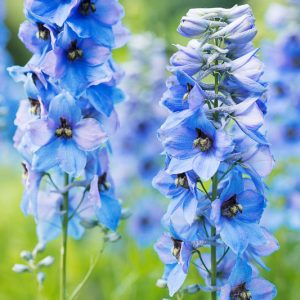
Annual flowers that grow well with poppies include cornflowers, nigella, larkspur, calendula, and Ammi majus. They suit sunny, informal, meadow-style or cottage-garden plantings and pair especially well with annual corn poppies.
Nepeta, Salvia, Shasta daisies, Russian sage, Liatris, sedum, and ornamental grasses can help hide Oriental poppy foliage after blooming. Plant them nearby, not directly over the crown, so they fill the space without smothering the poppy.
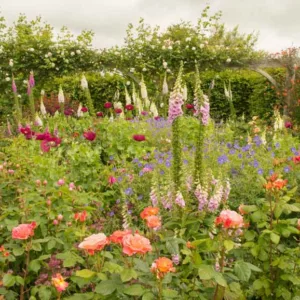
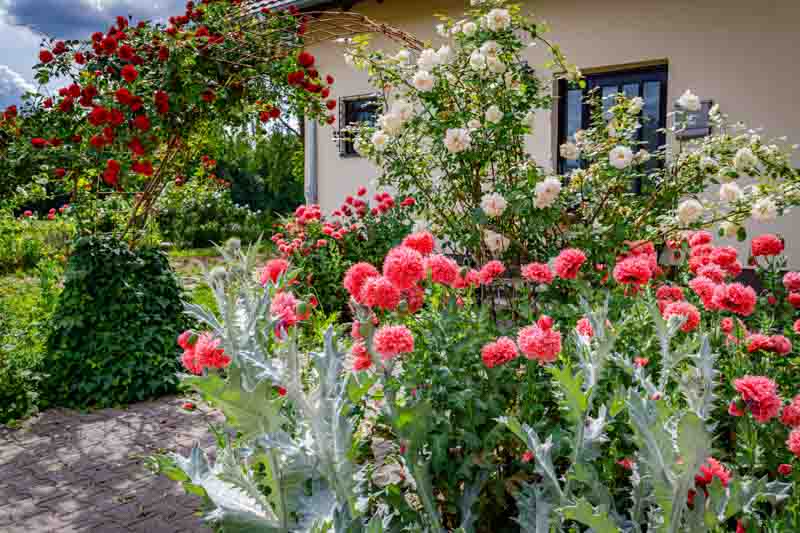
Yes, poppies can be planted near roses if both receive enough sun and the soil drains well. Annual poppies can fill gaps early in the season, while blue or violet companions such as Nepeta and Salvia can connect roses and poppies visually.
Avoid planting poppies with wet-soil plants, dense groundcovers, aggressive spreaders, heavy feeders, deep-shade plants, or thirsty summer perennials that require frequent irrigation. Most poppies prefer sun, drainage, and moderate to lean conditions.
California poppies grow well with drought-tolerant companions such as yarrow, sedum, Russian sage, lavender, ornamental grasses, and other plants for sunny, lean, well-drained soil. Avoid rich, wet, heavily irrigated beds.
Updated: July 2026 • Reviewed by Gardenia Editors
| Hardiness |
2 - 11 |
|---|---|
| Plant Type | Annuals, Perennials |
| Plant Family | Papaveraceae |
| Genus | Papaver |
| Hardiness |
2 - 11 |
|---|---|
| Plant Type | Annuals, Perennials |
| Plant Family | Papaveraceae |
| Genus | Papaver |
Create a membership account to save your garden designs and to view them on any device.
Becoming a contributing member of Gardenia is easy and can be done in just a few minutes. If you provide us with your name, email address and the payment of a modest $25 annual membership fee, you will become a full member, enabling you to design and save up to 25 of your garden design ideas.
Join now and start creating your dream garden!
Create a membership account to save your garden designs and to view them on any device.
Becoming a contributing member of Gardenia is easy and can be done in just a few minutes. If you provide us with your name, email address and the payment of a modest $25 annual membership fee, you will become a full member, enabling you to design and save up to 25 of your garden design ideas.
Join now and start creating your dream garden!