Create Your Garden

Great Pollinator Plants for Kansas

Plant Kansas natives that pollinators love. Mix milkweeds, coneflowers, blazing stars, mountainmints, goldenrods, and asters. Group in sunny drifts, skip pesticides, add grasses for structure, and keep blooms spring to fall.
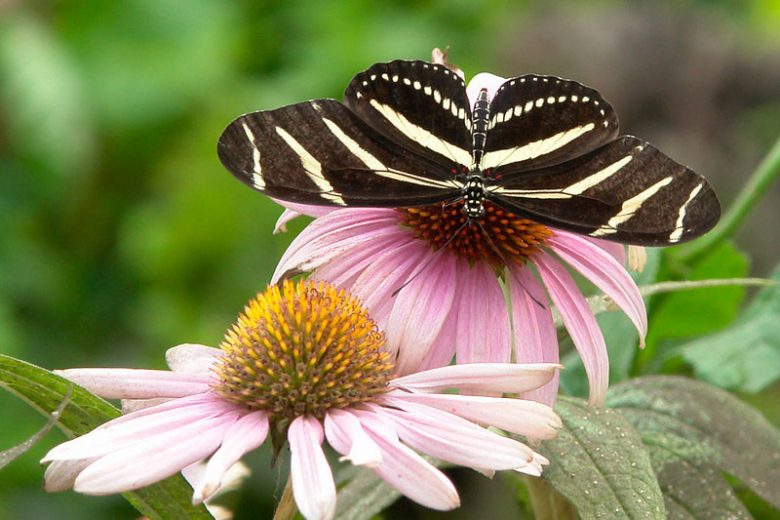
Pollinator Plants, Butterfly Plants, Hummingbird Plants, Bee Plants, Midwest Plants, Kansas Native Plants, Native Plants

Great Pollinator Plants for Kansas: Native Color That Works Hard

Kansas is big sky pollinator country. From shortgrass High Plains to remaining tallgrass, windbreaks, creek corridors, and urban yards, native plants can turn any space into real habitat for bees, butterflies, moths, and beneficial insects. This guide follows the Xerces Society resource Native Plants for Pollinators and Beneficial Insects: Southern Plains and tunes it for Kansas conditions so you can plant with confidence.

Quick Start – Pollinator Success in Kansas

  • Go native: Choose Southern Plains species that fit Kansas sun, wind, and rainfall. This list mirrors that trusted regional guide.
  • Stack the seasons: Aim for at least three species blooming in spring, three in summer, and three in fall so nectar and pollen never run out.
  • Plant in drifts: Clumps of 5 or more of one flower help pollinators forage efficiently and make your beds look intentional.
  • Right place, right plant: Prairie forbs and grasses in full sun, wetland species near swales and ponds, shrubs along edges and windbreaks.
  • Build habitat: Leave some hollow stems, a little leaf litter, and a few open soil patches for nesting and overwintering.
  • Pesticide free: Ask for plants grown without systemic insecticides and avoid broadcast sprays that contaminate nectar and pollen.

Kansas Habitats and What Thrives

Whether you garden on a city lot, a school courtyard, or a few sunny acres, the winning strategy is the same: match plants to sun and moisture, mix flower shapes and heights, and keep bloom rolling from March into October. The species below are Kansas tested natives or regionally appropriate Southern Plains plants that support bees, butterflies, and the beneficial insects that keep pests in check.

Sunny Meadows and Borders – Wildflower Backbone

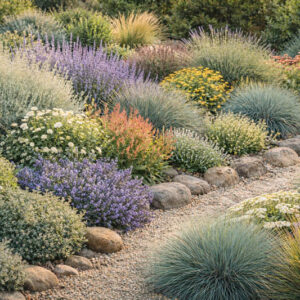
Full sun is prime pollinator real estate. Blend long blooming forbs with warm season grasses for a resilient, low care planting that hums with life.

Guide Information

Native Plants United States, Midwest, Kansas
Attracts Birds, Butterflies, Hummingbirds, Bees
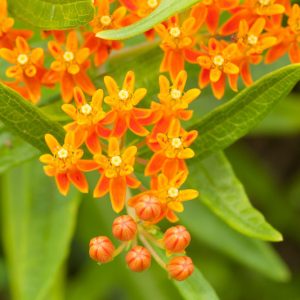
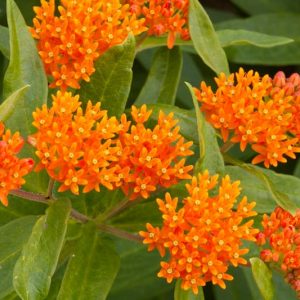
Asclepias tuberosa (Butterfly Milkweed)
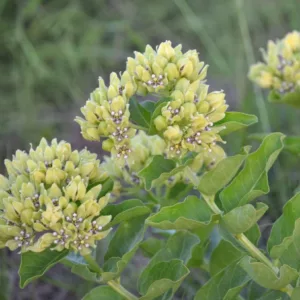
Asclepias viridis (Green Milkweed)
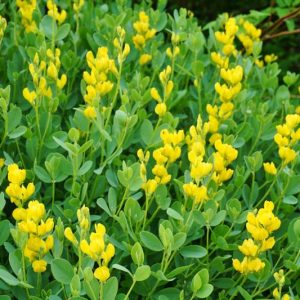
Baptisia sphaerocarpa (Yellow Wild Indigo)
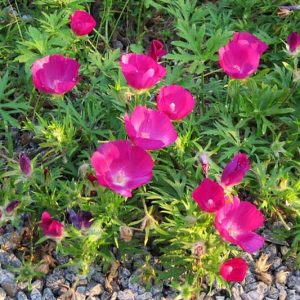
Callirhoe involucrata (Purple Poppy Mallow)
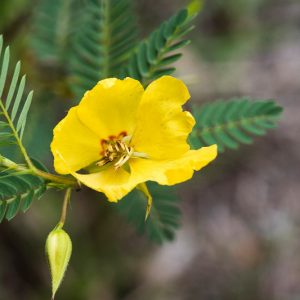
Chamaecrista fasciculata (Partridge Pea)
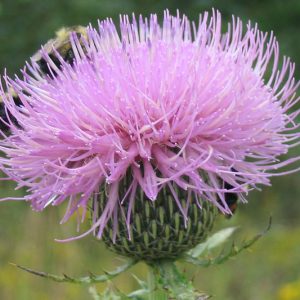
Cirsium altissimum (Tall Thistle)
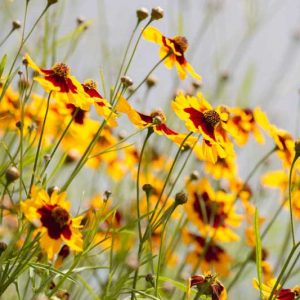
Coreopsis tinctoria (Tickseed)
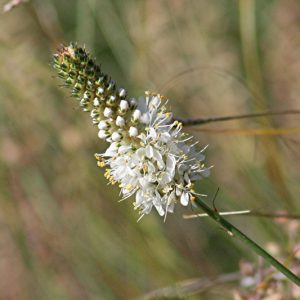
Dalea candida (White Prairie Clover)
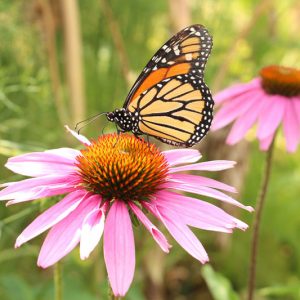
Echinacea angustifolia (Narrow-leaf Coneflower)
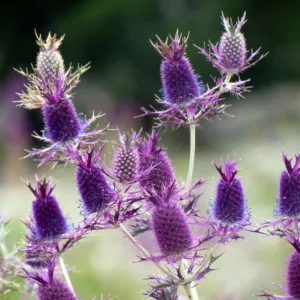
Eryngium leavenworthii (False Purple Thistle)
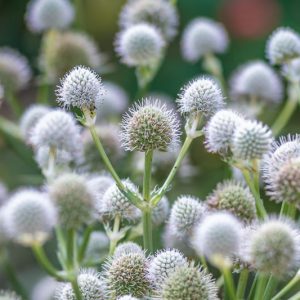
Eryngium yuccifolium (Rattlesnake Master)
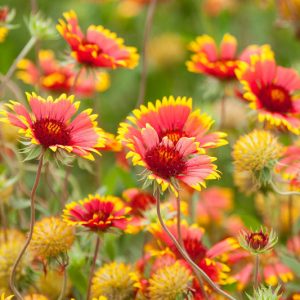
Gaillardia pulchella (Firewheel)
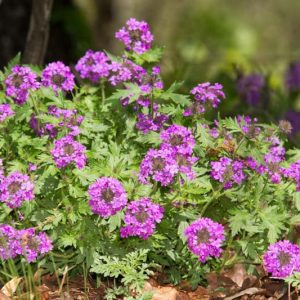
Glandularia bipinnatifida (Prairie Verbena)
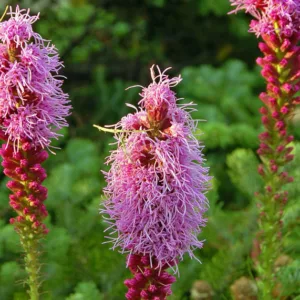
Liatris punctata (Dotted Blazing Star)
Monarda citriodora (Lemon Bee Balm)
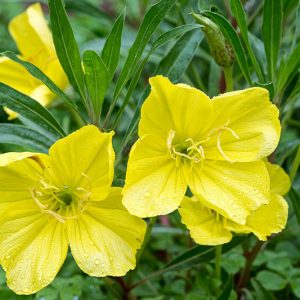
Oenothera macrocarpa (Ozark Sundrops)
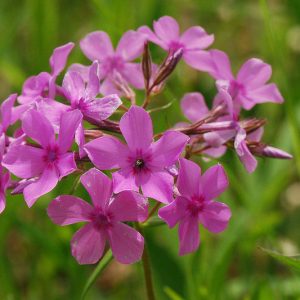
Phlox pilosa (Prairie Phlox)
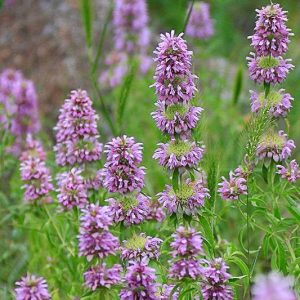
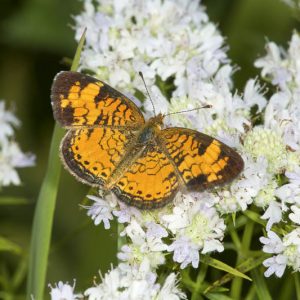
Pycnanthemum tenuifolium (Narrowleaf Mountain Mint)
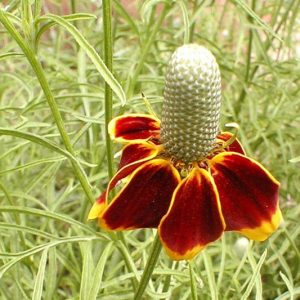
Ratibida columnifera (Mexican Hat Plant)
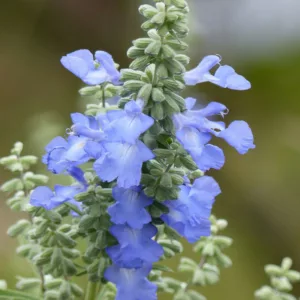
Salvia azurea (Blue Sage)
Silphium laciniatum (Compass Plant)
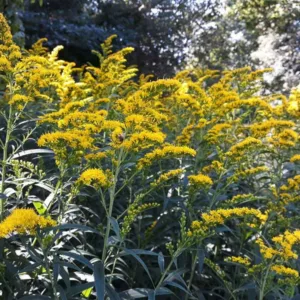
Solidago nemoralis (Gray Goldenrod)
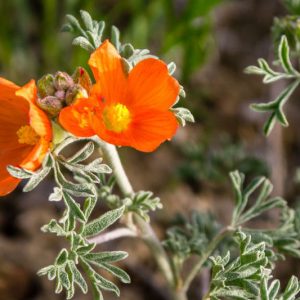
Sphaeralcea coccinea (Scarlet Globemallow)
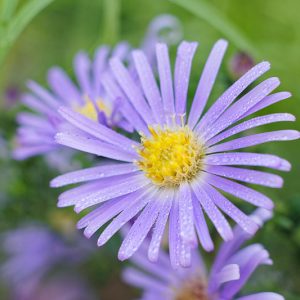
Symphyotrichum oblongifolium (Aromatic Aster)
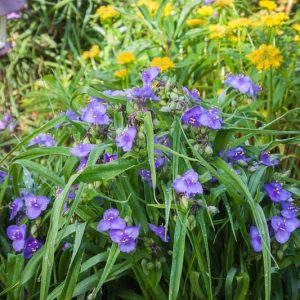
Tradescantia occidentalis (Prairie Spiderwort)
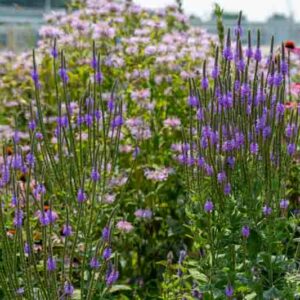
Verbena stricta (Hoary Vervain)
Verbesina virginica (Frostweed)
Verbesina encelioides (Golden Crownbeard)
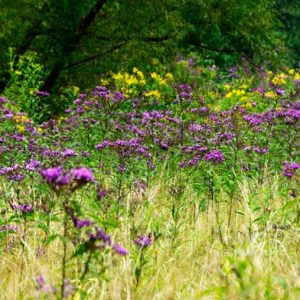
Vernonia baldwinii (Western Ironweed)
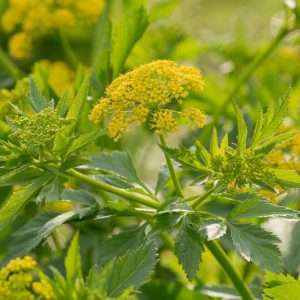
Zizia aurea (Golden Alexanders)

Grasses, Sedges, and the Quiet Framework

Prairie grasses and sedges knit the planting together, offer nest thatch and cover, and keep soil cool and stable.
Bouteloua curtipendula (Side-Oats Grama)
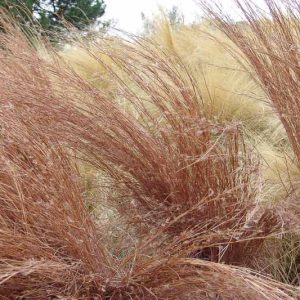
Schizachyrium scoparium (Little Bluestem)
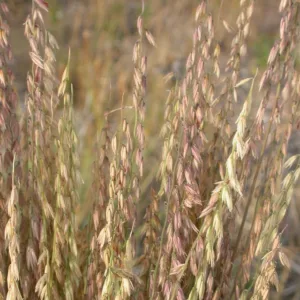
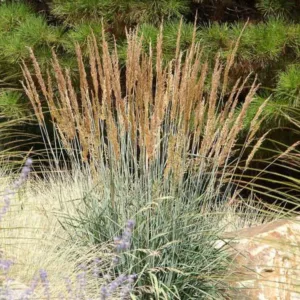
Sorghastrum nutans (Indian Grass)

Woodland Edges, Shrubs, Trees, Vines, and Cactus

Shrubs, small trees, vines, and even cactus add early bloom, structure, nesting, and year round habitat value. Use them along fences, windbreaks, and riparian edges.
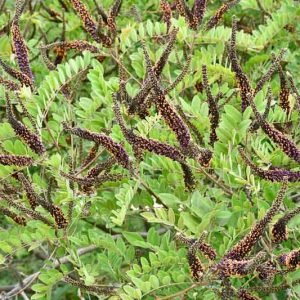
Amorpha canescens (Lead Plant)
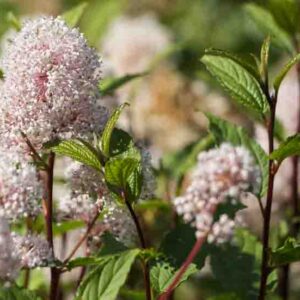
Ceanothus americanus (New Jersey Tea)
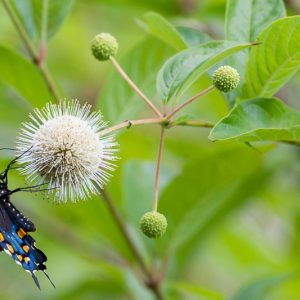
Cephalanthus occidentalis (Buttonbush)
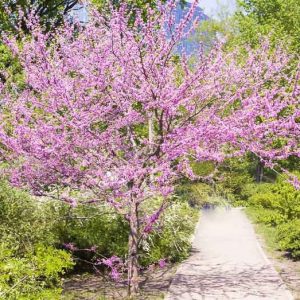
Cercis canadensis (Eastern Redbud)
Rhus aromatica (Fragrant Sumac)
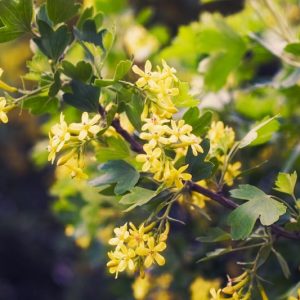
Ribes aureum (Clove Currant)
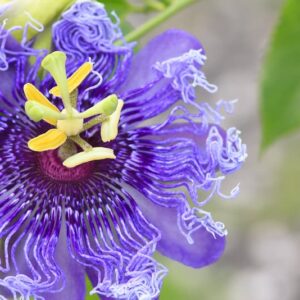
Passiflora incarnata (Maypop)

Wet Spots, Swales, and Rain Garden All Stars

Turn soggy corners into pollinator hotspots. These natives handle more moisture and repay you with dense insect traffic and bird action.
Cephalanthus occidentalis (Buttonbush)
Verbesina virginica (Frostweed)
Zizia aurea (Golden Alexanders)

Design Tips – Pretty, Practical, Habitat Rich

  • Map your sun: Most of these plants want full sun. Place shrubs and vines along the north and east sides of structures and in windbreaks.
  • Layer height: Put grasses and tall anchors like ironweed, sunflower, and compass plant at the back, coneflowers and mountainmint in the middle, poppymallow and verbena in front. This creates flight lanes and shelter.
  • Color in waves: Spring color from prairie phlox, redbud, golden Alexanders. Summer engine from milkweeds, beebalm, coneflowers, blazing stars. Fall finale from goldenrod, aromatic aster, and blue sage.
  • Leave it a little wild: Keep some seed heads for winter birds and hollow stems for native bees. Tidy the edges for a clean look and let the middle buzz.
  • No insecticides: Diverse bloom usually invites enough beneficial insects to balance small pest issues. Start with hand picking, pruning, and patience.

Small Yard, Big Impact – A Simple Kansas Palette

Here is a 10 by 14 foot bed that covers the whole season. Repeat in blocks for larger spaces and weave in shrubs on the edges.

  • Spring: Eastern redbud overhead; prairie phlox and golden Alexanders beneath; white wand beardtongue tucked in.
  • Summer: Butterfly milkweed, lemon beebalm, Indian blanket, dotted blazing star, rattlesnake master.
  • Late season: Blue sage, gray goldenrod, aromatic aster, Baldwin’s ironweed.
  • Structure: Little bluestem as the matrix with sideoats grama accents; purple passionflower on a simple trellis.

Plant in clumps, water deeply the first year, and let roots dive. After establishment, most of these natives handle Kansas heat and wind with minimal help.

Care and Establishment – Kansas Easy

  • Soil prep: Loosen compacted areas and remove problem weeds. Do not over amend. These natives evolved in lean prairie soils.
  • Watering: Water deeply but infrequently the first season to build roots. In later years, irrigate only during extended droughts.
  • Mulch: A light layer of shredded leaves or fine wood chips helps in year one. Leave some bare ground for ground nesting bees.
  • Fertilizer: Generally unnecessary. Too much nitrogen makes plants floppy and can reduce flower and nectar production.
  • Seasonal cleanup: Delay major cutting back until late winter or early spring so overwintering insects can finish their life cycles.

Keep Planting, Keep Learning

Discover more beautiful Kansas native plants

Frequently Asked Questions

What are pollinator plants in Kansas?

Regionally native flowers, grasses, shrubs, vines, and small trees that provide nectar, pollen, nesting sites, and larval food for bees, butterflies, moths, beetles, flies, wasps, and other beneficial insects.

Why choose natives instead of common ornamentals?

Natives match Kansas sun, wind, drought cycles, and soils. They bloom at the right times, support specialist bees and caterpillars, need less water once established, and anchor real habitat.

What are the best easy starters for a sunny Kansas yard?

Butterfly milkweed (Asclepias tuberosa), green antelopehorn (A. viridis), narrow leaved coneflower (Echinacea angustifolia), Indian blanket (Gaillardia pulchella), lemon beebalm (Monarda citriodora), dotted blazing star (Liatris punctata), blue sage (Salvia azurea), gray goldenrod (Solidago nemoralis), aromatic aster (Symphyotrichum oblongifolium), narrowleaf mountainmint (Pycnanthemum tenuifolium).

What should bloom when so I cover spring to fall?

Spring: prairie phlox, golden Alexanders, white wand beardtongue, redbud.
Summer: milkweeds, Indian blanket, lemon beebalm, rattlesnake master, dotted blazing star.
Fall: blue sage, gray goldenrod, aromatic aster, Baldwin’s ironweed.
Aim for at least three species flowering in each season.

Which plants are toughest for drought and wind?

Butterfly milkweed, green antelopehorn, narrow leaved coneflower, dotted blazing star, blue sage, gray goldenrod, aromatic aster, scarlet globemallow, little bluestem, sideoats grama. Water deeply the first year, then back off.

What are strong picks for bees, including bumble bees?

Mountainmints (Pycnanthemum tenuifolium), prairie clovers (Dalea candida), beebalms, coneflowers, sunflowers, goldenrods, asters, leadplant (Amorpha canescens), partridge pea, rattlesnake master, golden Alexanders.

What about butterflies and moths?

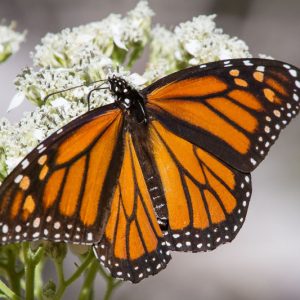
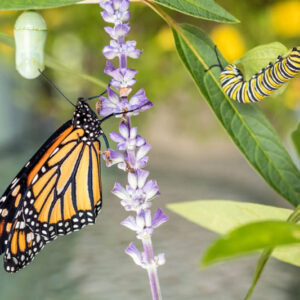
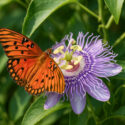
Nectar champions include milkweeds, blazing stars, coneflowers, ironweed, goldenrods, asters, blue sage, prairie phlox, buttonbush. Host support comes from milkweeds for monarchs, passionflower for gulf fritillary, native grasses and legumes for many moth and skipper larvae, and shrubs like leadplant and sand plum.

Can I make a pollinator rain garden in Kansas?

Yes. Use buttonbush, golden Alexanders, shortbeak sedge, frostweed near downspouts, swales, or pond edges. Grade to drier species like blue sage, prairie phlox, and gray goldenrod as soil drains.

Do grasses and sedges actually help pollinators?

Yes. Little bluestem, sideoats grama, indiangrass, and shortbeak sedge provide nest thatch, cover, larval habitat for many moths, perches, and winter structure. They also stabilize soil and frame flowers.

Which shrubs, trees, vines, and cactus add real value?

New Jersey tea, leadplant, fragrant sumac, golden currant, sand plum, buttonbush, eastern redbud, purple passionflower, soapweed yucca, twistspine prickly pear. These add early bloom, shelter, and larval host value.

How should I arrange plants so wildlife benefits and it still looks tidy?

Full sun for most flowers, plant in drifts rather than singles, layer low in front and tall in back, repeat colors, and frame with a mowed edge or path so the wild center looks intentional.

What about pesticides?

Avoid them in and near your habitat. Systemic insecticides can end up in nectar and pollen. If pests show up, start with hand picking, a strong water spray, pruning, or temporary row cover on edibles nearby.

How do I maintain habitat through winter?

Leave some stems and leaf litter so insects can overwinter. Cut back in late winter or early spring. If you prefer tidy beds, alternate cleanup zones each year so there is always a safe refuge.

Are native thistles and goldenrods a problem?

No. Native tall thistle and native goldenrods like gray goldenrod are premier nectar sources and wildlife allies. They are not the invasive thistles people fight and they are insect pollinated, not heavy allergy triggers.

Updated: November 2025 • Reviewed by Gardenia Editors

Recommended Guides

Monarch Nectar Plants for Kansas
The Ultimate Guide to Native Plants for a Beautiful Garden
The Ultimate Guide to Wildlife-Friendly Plants for a Beautiful Garden
Monarch Butterfly
Pretty Native American Roses
30 Fascinating Butterfly Facts You Need to Know
Grow Milkweed, Save Monarch Butterflies: A Step-by-Step Guide
The Ultimate Guide to Drought-Tolerant Plants for a Beautiful Garden
Colorful Lawn Alternatives: Creeping Thyme Varieties That Wow
Native Oak Trees: A Must-Have for Your Landscape
40 Beautiful Native Shrubs for Shade
Native Viburnums: Ideal Shrubs for Your Garden
Plant Native Annual Flowers for a Vibrant Garden
Top Hardy US Native Hibiscus Plants for Your Garden
Wildflowers for Every Garden: A Complete Guide
Explore Great Plant Combination Ideas
Midwest
Guides with
Midwest Kansas
While every effort has been made to describe these plants accurately, please keep in mind that height, bloom time, and color may differ in various climates. The description of these plants has been written based on numerous outside resources.

Guide Information

Native Plants United States, Midwest, Kansas
Attracts Birds, Butterflies, Hummingbirds, Bees
Explore Great Plant Combination Ideas
Midwest
Guides with
Midwest Kansas

Related Items

Please Login to Proceed

You Have Reached The Free Limit, Please Subscribe to Proceed

Subscribe to Gardenia

To create additional collections, you must be a paid member of Gardenia
  • Add as many plants as you wish
  • Create and save up to 25 garden collections
Become a Member

Plant Added Successfully

You have Reached Your Limit

To add more plants, you must be a paid member of our site Become a Member

Update Your Credit
Card Information

Cancel

Create a New Collection

Sign Up to Our Newsletter

    You have been subscribed successfully

    Join Gardenia.net

    Create a membership account to save your garden designs and to view them on any device.

    Becoming a contributing member of Gardenia is easy and can be done in just a few minutes. If you provide us with your name, email address and the payment of a modest $25 annual membership fee, you will become a full member, enabling you to design and save up to 25 of your garden design ideas.

    Join now and start creating your dream garden!

    Join Gardenia.net

    Create a membership account to save your garden designs and to view them on any device.

    Becoming a contributing member of Gardenia is easy and can be done in just a few minutes. If you provide us with your name, email address and the payment of a modest $25 annual membership fee, you will become a full member, enabling you to design and save up to 25 of your garden design ideas.

    Join now and start creating your dream garden!
    Find your Hardiness Zone

    Find your Heat Zone

    Find your Climate Zone