Butterflies flock to Butterfly Bush, but does that make it good butterfly habitat? Discover what Buddleja does well, what it cannot provide, why some types are invasive, when sterile cultivars make sense, and which alternatives offer more. Then learn how to build a garden that supports the whole butterfly life cycle.
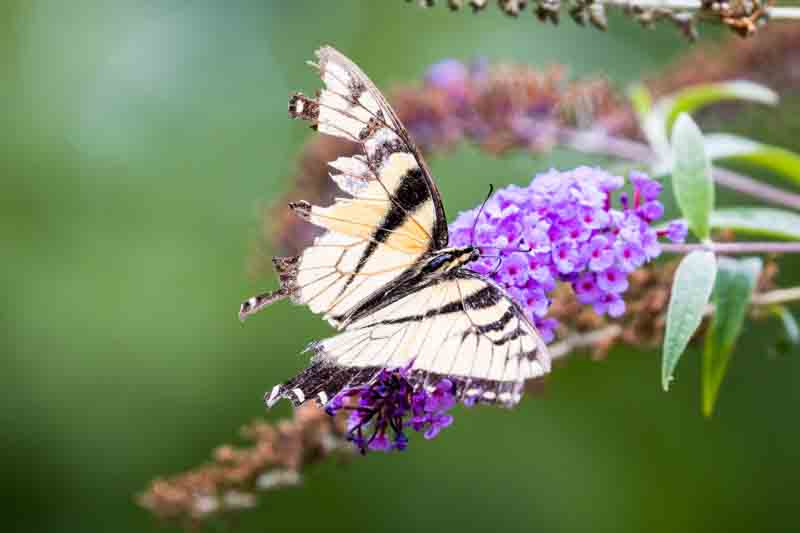


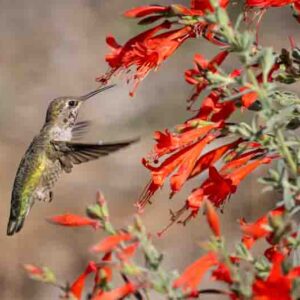
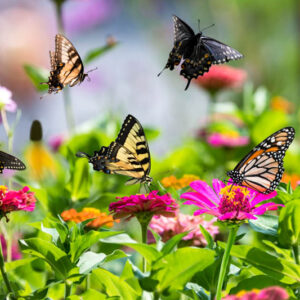
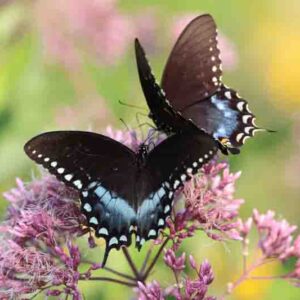
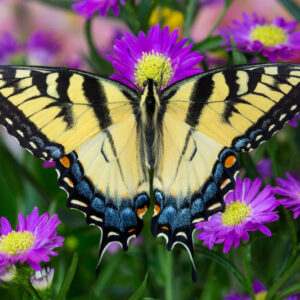
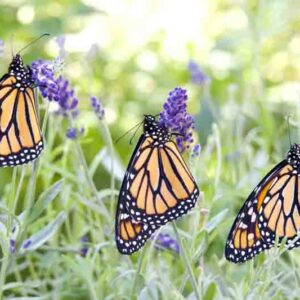
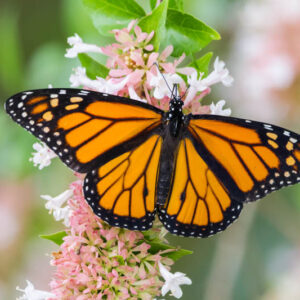
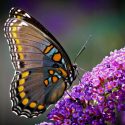
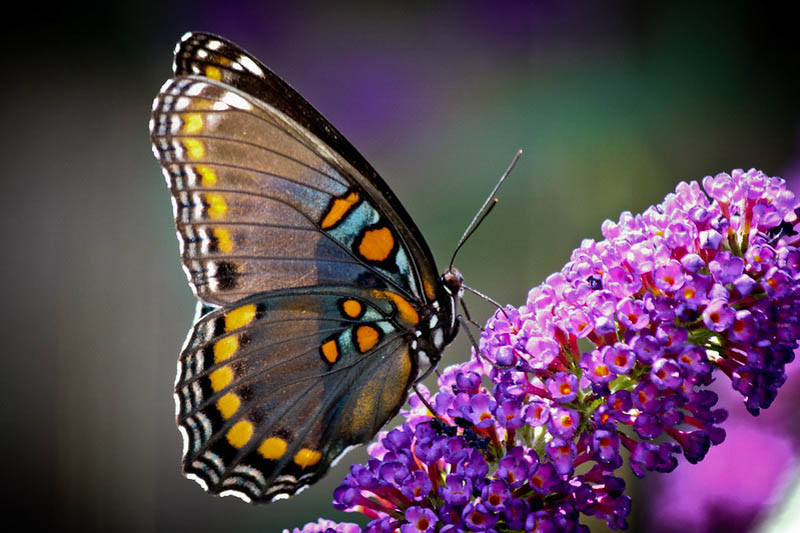
Few plants make a stronger case for themselves than a Butterfly Bush in full bloom. On a warm summer afternoon, its long flower clusters may be crowded with swallowtails, painted ladies, bees, and even hummingbirds. The flowers are fragrant, nectar-rich, and produced over a long season.
So is Butterfly Bush good for butterflies?
Yes – as a nectar source for adult butterflies. But that is only part of the story. For native North American butterflies, Butterfly Bush is primarily an adult feeding plant rather than an important larval host plant. The best-known species, Buddleja davidii, can also spread aggressively and is regulated in some regions.
A shrub covered in butterflies can therefore be useful without being complete butterfly habitat. And in the wrong place, a fertile Butterfly Bush may create problems beyond the garden.
The more useful question is not simply whether Butterfly Bush is “good” or “bad.” It is what ecological job is it doing, which Buddleja are you growing, can it spread where you live, and what other plants surround it?
Gardenia’s bottom line: use Butterfly Bush as a nectar plant, not as a substitute for butterfly habitat. Where invasiveness is a concern, choose an appropriate sterile or very low-fertility cultivar – or a regionally suitable alternative – and add host plants for butterfly caterpillars.
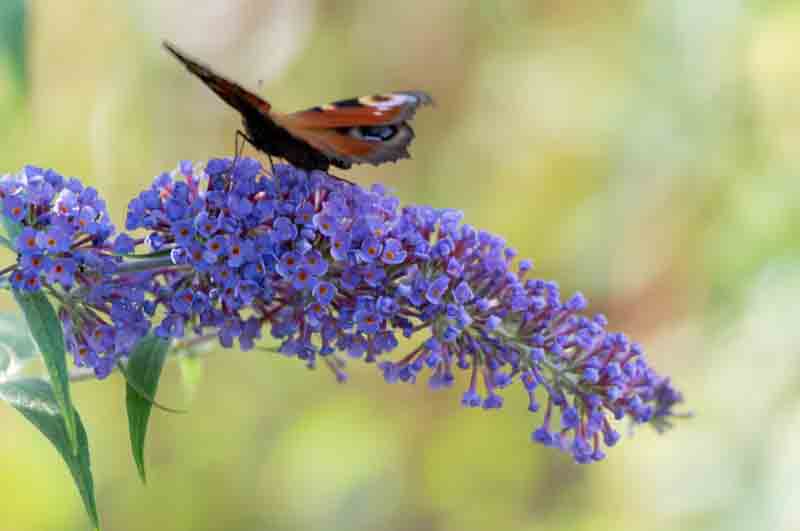
The attraction is real. Buddleja produces dense clusters of small flowers containing nectar, often over a long period from summer into fall. A mature shrub can carry dozens of flower panicles at once, creating a conspicuous feeding station that adult butterflies can locate easily.
The blooms are presented at the ends of branches, where butterflies can land and move from flower to flower. Depending on the species and cultivar, they may be purple, blue, pink, magenta, white, yellow, or even bicolored.
Butterfly Bush is not useful only to butterflies. Gardenia’s Buddleja collection includes cultivars visited by bees and hummingbirds as well.
Timing is another advantage. Many Butterfly Bushes flower heavily after the spring flush has ended and continue well into late summer or fall. If a garden has a genuine late-season nectar gap, Buddleja can help fill it.
What Butterfly Bush does particularly well: it concentrates many nectar-rich flowers on one shrub, blooms over a long period, and can attract impressive numbers of adult butterflies and other pollinators.
An adult butterfly drinking nectar represents only one stage of the butterfly life cycle.
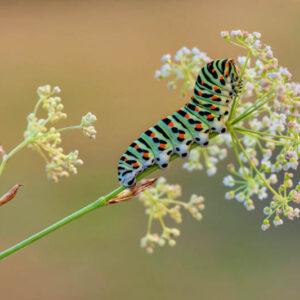
Before that butterfly can exist, an adult female must find an appropriate plant on which to lay her eggs. When the eggs hatch, the caterpillars need foliage they are biologically equipped to eat. For many species, those relationships are surprisingly specific.
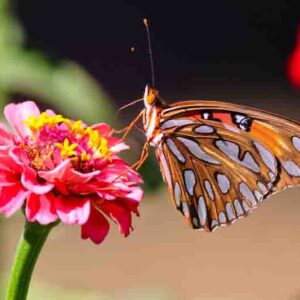
A Monarch caterpillar depends on milkweed. A Spicebush Swallowtail uses spicebush or sassafras. A Gulf Fritillary uses passionflowers. Zebra Swallowtail caterpillars depend closely on pawpaws.
For native North American butterflies, Butterfly Bush is primarily an adult nectar source rather than an important larval host plant. It can feed the butterfly you see without feeding the caterpillar that produces the next generation.
That is why the number of butterflies sitting on a plant is not a complete measure of its habitat value. A garden overflowing with nectar but lacking appropriate host foliage can attract adults while offering little opportunity for many species to reproduce.
An easy way to remember the difference: Butterfly Bush can be the restaurant. Host plants are the nursery. A functioning butterfly garden needs both.
For more examples of these relationships, explore Gardenia’s Butterfly Host Plants Guide.
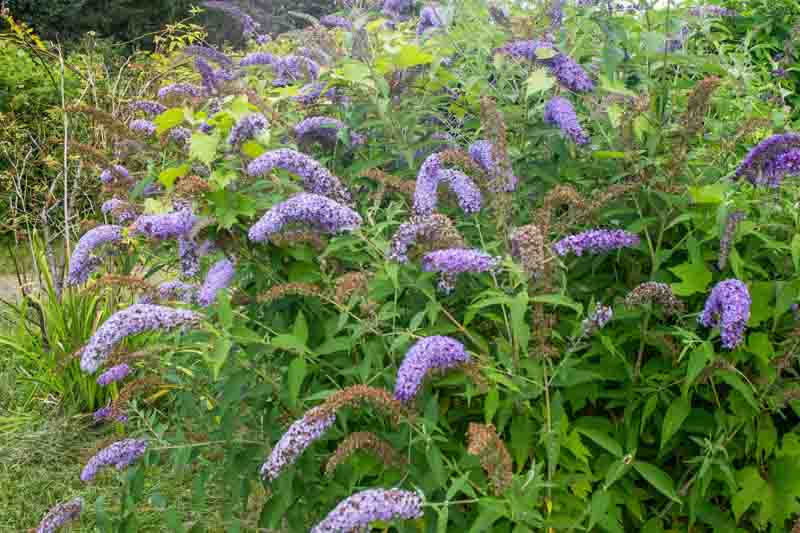
Buddleja davidii can be invasive, but invasive risk is regional and cultivar-specific.
The species is native to Asia and has escaped cultivation in parts of North America. Its lightweight seeds can move beyond gardens and establish on roadsides, disturbed ground, riverbanks, gravel bars, and other open habitats. Where conditions favor it, escaped plants can compete with native vegetation.
The issue is significant enough that Butterfly Bush is regulated in parts of the Pacific Northwest. Oregon restricts most Buddleja davidii and permits approved cultivars that meet its seed-viability requirements. Washington also regulates Buddleja davidii while recognizing qualifying sterile cultivars.
Other parts of North America do not necessarily experience the plant in the same way. Climate, rainfall, disturbed habitat, surrounding vegetation, and the fertility of the particular cultivar all influence whether a Butterfly Bush is likely to escape cultivation.
This is why two sweeping claims are equally unhelpful: “Butterfly Bush is invasive everywhere” and “modern Butterfly Bushes are all safe.” Neither accounts for geography or cultivar fertility.
Check the exact cultivar, not just the label “Butterfly Bush.” Species, hybrid parentage, documented fertility, and local regulations matter. A dwarf plant is not automatically sterile, and a hybrid is not automatically proven non-seeding.
If you prefer to avoid the issue altogether, Gardenia’s guide to native alternatives to Buddleja davidii offers shrubs for different climates and garden conditions.
Where Butterfly Bush is appropriate to grow, a documented sterile or very low-fertility cultivar can reduce one of the biggest concerns associated with traditional Buddleja davidii: the production of viable seed that can escape into surrounding landscapes.
Lo & Behold ‘Blue Chip’ is a useful example. This compact Butterfly Bush has very low fertility and is among the cultivars approved for sale in Oregon.
Other modern cultivars have also been bred to reduce seed production. However, the terminology needs care. “Sterile,” “low-fertility,” “hybrid,” and “not regulated” are not interchangeable descriptions. A hybrid may be exempt from a particular regulation without having been demonstrated to be completely sterile.
If invasive spread is a concern in your region, look for documented fertility information for the exact cultivar and check current local guidance rather than relying on marketing descriptions.
Sterility solves one problem, not every problem. A sterile Butterfly Bush may greatly reduce seed spread, but it still functions primarily as an adult nectar plant. It does not suddenly become the host plant Monarch, swallowtail, or fritillary caterpillars need.
Gardenia’s Butterfly Bush collection lets you examine Buddleja species and cultivars in more detail, including size, flowering, hardiness, and garden use.
The answer depends on where you garden, what conditions you have, and what ecological job you want the shrub to perform.
Butterfly Bush can be excellent at one thing: producing concentrated nectar over a long summer-to-fall flowering season. But a regionally native shrub may do more than feed adult butterflies. Depending on the species, it may also provide caterpillar food, berries for birds, shelter, nesting cover, or resources for a wider range of native insects.
That does not mean every native shrub will attract more adult butterflies than a flowering Buddleja on a given afternoon. A Butterfly Bush covered in swallowtails may still be the busiest nectar plant in the garden. The point is that visible butterfly activity is only one measure of habitat value.
Gardenia’s Native Plant Alternatives to Buddleja davidii includes shrubs for very different parts of the United States and very different garden conditions. Instead of asking for one universal substitute, choose an alternative that performs the job you actually need.
| Garden Situation | Native Alternative | Why Consider It |
|---|---|---|
| Moist or wet garden | Buttonbush / Cephalanthus occidentalis | Distinctive spherical flowers attract butterflies and other pollinators, while the shrub is naturally suited to moist soils, pond edges, rain gardens, and wet sites. |
| Woodland edge or part shade | Spicebush / Lindera benzoin | Provides early flowers, fruit and shelter, and is an important host plant for Spicebush Swallowtail caterpillars. |
| Dry western garden | Ceanothus / California Lilac | Many western Ceanothus species are drought adapted, highly attractive to pollinators, and better suited than Buddleja to dry western landscapes. |
| Hot, dry Southwest | Desert Willow / Chilopsis linearis | A heat- and drought-tolerant native with showy trumpet-shaped flowers that attract hummingbirds and other pollinators. |
| Sunny eastern border | New Jersey Tea / Ceanothus americanus | A compact native shrub with masses of small white flowers that attract butterflies, bees, and other beneficial insects. |
| Fragrant summer shrub | Summersweet / Clethra alnifolia | Fragrant summer flowers attract butterflies and bees, while the shrub tolerates moisture and can grow in more shade than Butterfly Bush. |
| Large eastern shrub with dramatic flowers | Bottlebrush Buckeye / Aesculus parviflora | Long upright white flower spikes create a striking summer display and attract butterflies and other pollinators. |
| Prairie or dry sunny planting | Lead Plant / Amorpha canescens | A drought-tolerant prairie shrub with purple flower spikes that support pollinators and fit naturally into dry native plantings. |
| Western late-season color | Rubber Rabbitbrush / Ericameria nauseosa | Bright yellow flowers provide valuable late-season resources in dry western landscapes where many other shrubs have finished blooming. |
| Wildlife shrub with fruit | American Elderberry / Sambucus canadensis | Flower clusters support pollinators, while the fruit adds another wildlife function by feeding birds and other animals. |
Other native possibilities in Gardenia’s guide include Wild Mock Orange (Philadelphus lewisii), White Meadowsweet (Spiraea alba), Titi (Cyrilla racemiflora), and both creeping and upright forms of Blue Blossom (Ceanothus thyrsiflorus). The point is not that one of these is the “native Butterfly Bush.” They occupy different climates, moisture regimes, sizes, and ecological niches.
Choose the replacement by site, not by resemblance. For wet soil, think Buttonbush. For woodland edges, Spicebush. For dry western gardens, consider Ceanothus or Rubber Rabbitbrush. For the Southwest, Desert Willow may make more sense. In eastern sunny gardens, New Jersey Tea, Summersweet, Bottlebrush Buckeye, or other regional natives may be better fits.
This is where native alternatives can become more valuable than a simple one-for-one replacement. Instead of asking, “What looks most like Butterfly Bush?” ask “Which native shrub fits my region and conditions while providing the wildlife functions I want?”
Gardenia’s full Native Plant Alternatives to Buddleja davidii guide lets you explore the broader list, while the Gardenia Plant Finder can narrow candidates by hardiness, sun, soil, moisture, mature size, native status, and wildlife value.
Not automatically. Start by identifying what you are growing and how it behaves where you live.
If Butterfly Bush is prohibited or considered invasive in your area: follow current state or local guidance. Preventing further spread takes priority over the shrub’s nectar value.
If seedlings are appearing away from the parent plant: the shrub is producing viable seed and should be treated as a spreading plant rather than merely an ornamental. Replacement may be more sensible than relying indefinitely on deadheading.
If you have a documented sterile or very low-fertility cultivar: the risk of seed spread may be greatly reduced. You can then evaluate the plant primarily for its nectar contribution and overall garden fit.
If the plant is legal, contained, and heavily used by butterflies: removal is not automatically necessary. Consider retaining it as one nectar source while adding native flowers and caterpillar host plants around it.
The useful choice is not “keep every Butterfly Bush” versus “remove every Butterfly Bush.” Identify the cultivar, understand its fertility and regional status, then decide whether keeping, replacing, or supplementing it produces the stronger garden.
If an appropriate Buddleja stays in the garden, the goal is not simply to surround it with more flowers. Add plants that perform the jobs Butterfly Bush does not: feed caterpillars, provide nectar before and after peak Buddleja bloom, and add shelter and structure.
1. Add butterfly host plants first. These are the plants that make the biggest ecological difference because they support the larval stage.
Milkweeds / Asclepias are essential host plants for Monarch caterpillars and also provide nectar for adult butterflies.
Spicebush / Lindera benzoin supports Spicebush Swallowtail caterpillars and adds early flowers, berries, and woody shelter.
Pawpaw / Asimina triloba is the key host for Zebra Swallowtails and adds a small-tree layer that Butterfly Bush cannot provide.
Purple Passionflower / Passiflora incarnata supports Gulf Fritillary caterpillars and provides a vigorous flowering vine for fences and trellises.
Common Blue Violet / Viola sororia and other violets support fritillary caterpillars and can fill lower, more naturalistic parts of the garden.
2. Add flowers that bloom before Butterfly Bush. Buddleja is strongest from summer onward, so spring and early-summer nectar often need reinforcement.
Eastern Columbine / Aquilegia canadensis provides early nectar and works especially well around woodland edges and partly shaded gardens.
Foxglove Beardtongue / Penstemon digitalis flowers in late spring and early summer, helping bridge the gap before peak Buddleja season.
Coral Honeysuckle / Lonicera sempervirens brings early nectar into the vertical layer and attracts butterflies, hummingbirds, and other pollinators.
3. Extend nectar beyond the main Butterfly Bush flush. Late-season flowers are particularly valuable because some butterflies remain active well into fall.
Goldenrods / Solidago are important late-season nectar plants for butterflies and many other insects.
Ironweeds / Vernonia provide rich purple flowers in late summer and fall.
Coneflowers / Echinacea provide summer nectar and fit naturally into sunny butterfly plantings.
Blazing Stars / Liatris add upright flower spikes that are highly attractive to butterflies.
4. Add plants at different heights. A stronger butterfly garden has more than one flowering layer. Use low host plants such as violets, mid-height perennials such as milkweed and coneflower, taller nectar plants such as ironweed, vines such as passionflower or coral honeysuckle, and shrubs or small trees such as spicebush and pawpaw.
This layered planting gives butterflies nectar, caterpillar food, shelter, and places to move through the garden instead of concentrating everything around one flowering shrub.
A practical Butterfly Bush companion formula: pair one Buddleja with at least one regional host plant, one earlier nectar plant, and one late-season nectar plant. Then add shrubs, vines, or small trees where space allows.
5. Protect the caterpillars you invited. Avoid broad-spectrum insecticides whenever practical. Caterpillars are insects, and host plants cannot do their job if the larvae feeding on them are routinely treated as pests.
Gardenia’s Butterfly Host Plants Guide can help match butterflies with their larval food plants. Gardenia’s How to Create a Butterfly Garden explains how nectar, host plants, shelter, sunlight, and water work together, while Best Flowers to Attract Butterflies provides more nectar choices.
Gardenia’s 4-Part Butterfly Bush Test evaluates whether a Butterfly Bush belongs in a garden by asking four separate questions: Does it feed adult butterflies? Does it support caterpillars? Can it spread in that region? And does it fit the site’s growing conditions?
A photograph of butterflies feeding on Buddleja answers only the first question. It does not tell you whether the shrub provides larval habitat, whether it poses an invasive risk nearby, or whether it is even suited to the garden in which it is planted.
1. Does it feed adult butterflies?
Usually yes. Butterfly Bush can be an excellent source of nectar, particularly during its long summer and late-season flowering period.
2. Does it support caterpillars?
Generally not for native North American butterflies. Add host plants for the butterfly species you want to reproduce in the garden.
3. Can it spread where you live?
Check the exact species or cultivar, documented fertility, and current regional invasive-plant regulations rather than making assumptions from the common name.
4. Does it fit the actual garden?
Consider hardiness, sunlight, drainage, water needs, mature size, climate, and available space before choosing Buddleja – or an alternative.
The four questions can lead to very different conclusions. A compact, documented low-fertility Buddleja surrounded by milkweed, native nectar plants, and suitable host shrubs is not ecologically equivalent to a fertile B. davidii producing seedlings beside a natural area.
Gardenia’s practical rule: judge Butterfly Bush by four functions, not by the number of butterflies sitting on it: nectar, caterpillars, regional risk, and garden fit.
After applying the four-part test, the decision becomes much simpler. Butterfly Bush makes the strongest case for itself when it provides useful nectar, is appropriate for the region, has acceptable fertility, and fits the available space.
It may make sense when:
you are using a documented sterile or very low-fertility cultivar where invasive spread is a concern;
the plant fills a genuine summer or late-season nectar gap;
its mature size suits the site without constant pruning;
host plants and other nectar plants are already part of the garden.
It makes a weaker case when:
fertile Buddleja davidii is invasive or restricted in your region;
seedlings are escaping beyond the garden;
a regionally native shrub can fill the same landscape role while providing additional wildlife functions;
Butterfly Bush would become the garden’s only meaningful butterfly plant.
This is why there is no useful national yes-or-no verdict for every Butterfly Bush. Its value depends on the cultivar, the region, the site, and what grows around it.
Once you know what role Butterfly Bush should play, the next step is choosing plants that fit your actual garden.
If Buddleja is appropriate where you live, explore Gardenia’s Butterfly Bush collection to compare species and cultivars rather than buying the first Butterfly Bush you encounter at a nursery.
If invasive potential is the deciding concern, start instead with Gardenia’s Native Plant Alternatives to Buddleja davidii and look for a shrub suited to your region and growing conditions.
For the rest of the habitat, use the Gardenia Plant Finder to narrow plants by hardiness, sunlight, soil, drainage, water needs, mature size, tolerances, native goals, wildlife value, and other conditions instead of relying on one generic butterfly-plant list.
Then take your choices into the Gardenia Garden Design Tool to compare bloom timing and seasonal interest, check plant compatibility, estimate quantities, and combine nectar plants with the host plants and structural plants the garden still needs.
Don’t stop at “Will butterflies visit this plant?”
Ask whether it feeds adults, supports caterpillars, belongs in your region, and fits the conditions in your garden.
A butterfly photo can show attraction. Gardenia helps you evaluate habitat.
Butterfly Bush can be an excellent nectar source for adult butterflies, but it is primarily an adult feeding plant rather than an important host plant for native North American butterfly caterpillars. Use it as one part of a butterfly garden rather than complete butterfly habitat.
Buddleja davidii can produce viable seed and has escaped cultivation in some regions, where it may compete with native vegetation. Its invasive and legal status varies by region and cultivar.
No. Invasive behavior varies with climate, habitat, and cultivar fertility. Buddleja davidii is regulated in some regions, including parts of the Pacific Northwest, while other areas treat it differently. Always check local guidance and the exact cultivar.
Sterile or very low-fertility cultivars can greatly reduce the risk of spread by viable seed. They may be a better choice where Butterfly Bush is appropriate, but sterility does not make Buddleja a caterpillar host plant or override local regulations.
No. Monarch caterpillars require milkweeds. Adult Monarchs may drink nectar from Butterfly Bush flowers, but Buddleja cannot replace milkweed in Monarch habitat.
Not automatically. Identify the cultivar, check its fertility and local invasive status, and look for seedlings. A legal sterile or very low-fertility cultivar can remain as a nectar source while host plants and native nectar plants are added around it.
The best alternative depends on region and growing conditions. Options can include buttonbush, summersweet, spicebush, New Jersey tea, bottlebrush buckeye, native Ceanothus, desert willow, and other regionally appropriate shrubs.
Add caterpillar host plants for butterflies in your region and nectar plants that extend the flowering season. Examples include milkweed for Monarchs, spicebush for Spicebush Swallowtails, pawpaw for Zebra Swallowtails, and passionflower for Gulf Fritillaries.
| Hardiness |
5 - 9 |
|---|---|
| Heat Zones |
1 - 9 |
| Plant Type | Shrubs |
| Plant Family | Scrophulariaceae |
| Genus | Buddleia |
| Exposure | Full Sun |
| Season of Interest | Summer (Mid, Late), Fall |
| Attracts | Butterflies, Hummingbirds |
| Hardiness |
5 - 9 |
|---|---|
| Heat Zones |
1 - 9 |
| Plant Type | Shrubs |
| Plant Family | Scrophulariaceae |
| Genus | Buddleia |
| Exposure | Full Sun |
| Season of Interest | Summer (Mid, Late), Fall |
| Attracts | Butterflies, Hummingbirds |
Create a membership account to save your garden designs and to view them on any device.
Becoming a contributing member of Gardenia is easy and can be done in just a few minutes. If you provide us with your name, email address and the payment of a modest $25 annual membership fee, you will become a full member, enabling you to design and save up to 25 of your garden design ideas.
Join now and start creating your dream garden!