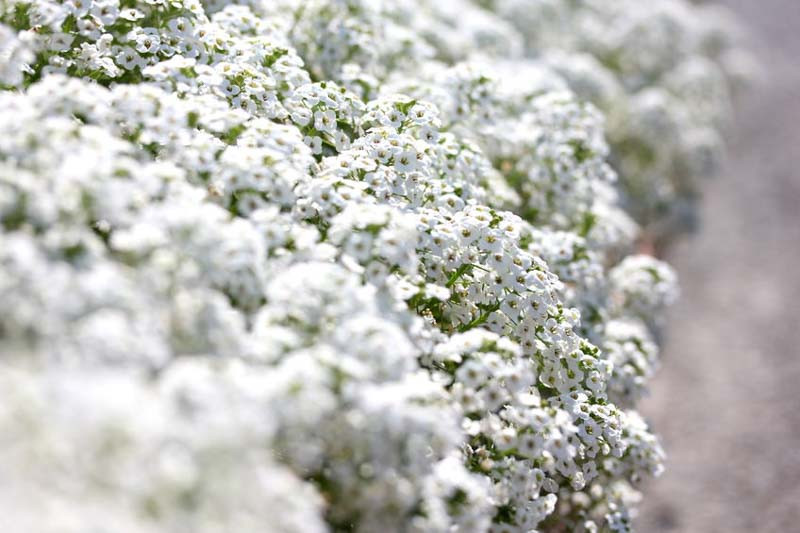
Spilling & Trailing Edging Guides
Wouldn’t a stone wall look lovelier with flowers spilling over the top? Or a gravel path feel more inviting with cushions of fragrant thyme softening its edges? Spilling and trailing edging plants can create these beautiful effects, but the secret lies in choosing plants with the right growth habits and giving them somewhere to spread. Our trailing garden edging guides will help you design, plant, and care for cascading flowers and foliage beside paths, raised beds, retaining walls, gravel gardens, and rockeries. Learn how to plant flowers that spill over walls, choose creeping plants for edging, space trailing perennials, improve drainage, encourage healthy growth, and control spreading plants. Discover how to create a relaxed, natural-looking edge without sacrificing a tidy, usable garden.
Learn How to Design Beautiful Cascading Edges for Walls, Paths, and Raised Beds
The charm of a trailing edge comes from the contrast between something solid and something soft. A stone wall provides the line, while the plants break it gently with foliage, cushions, and flowers. The most beautiful arrangements feel natural rather than tightly controlled.
What is spilling and trailing garden edging? It is the use of plants with stems, mats, or low spreading growth that extend beyond a planting edge, softening the transition to a lower surface. Unlike compact edging plants that form individual upright mounds, trailing plants can drape over a ledge or spread across adjacent stone.
Six principles for designing a beautiful trailing edge:
- Choose a suitable location: Low retaining walls, raised beds, gravel edges, rock gardens, and wide path borders offer opportunities for plants to cascade naturally.
- Understand growth habit: Bellflowers may trail down a wall, while creeping phlox spreads as a dense cushion. Both soften an edge, but their appearance and maintenance needs differ.
- Allow room for mature spread: Position plants sufficiently far back from the ledge that their roots have soil and their stems can extend over the edge without being uprooted.
- Combine compatible plants: Choose species with similar sunlight, soil, and moisture requirements. Drought-adapted thyme and ice plants shouldn’t share a constantly wet root zone with moisture-loving woodland plants.
- Repeat, rather than scatter: Generous groups of two or three varieties create stronger color and form than many isolated specimens.
- Leave some hard landscaping visible: Beautiful stonework and defined path edges provide important contrast. Don’t cover every surface with plants.
What works best over a low wall? Aubrieta, Serbian bellflower, creeping phlox, and candytuft are beautiful choices for suitable sites. Their growth habits range from dense cushions to naturally trailing stems.
What works beside a path? Creeping thyme and other compact mat-formers can soften the outer edges. More vigorous bellflowers may be better on a raised border where their stems can flow away from the walking surface.
What about partial shade? Certain Campanula species and other shade-adapted plants can provide attractive trailing flowers where soil moisture and drainage are suitable. Deep shade often reduces blooming.
Are trailing plants suitable for every garden? No. In a very narrow level border, spreading mats may encroach on paving rather than create an attractive cascade. In such cases, compact flowering or evergreen edging may be more practical.
Gardenia’s design principle: Let the plant’s natural growth habit determine the composition. A trailing border should look relaxed, with recognizable groups and an attractive balance between planting and stone.
Explore Gardenia’s Great Campanulas for Rock Gardens, Small Perennials for Borders and Edging, and Mediterranean Garden Design Guide.
Discover How to Plant, Space, and Establish Trailing Flowers Along Edges
A trailing plant needs more than a narrow crack and a little potting soil. To thrive, it needs sufficient rooting space, appropriate moisture, and a planting position where its stems can develop without being pulled down or damaged.
Seven steps to planting a cascading garden edge:
- Check the wall or bed: Ensure the retaining wall, raised bed, or edging structure is stable and suitable for planting. Plants should not be used to conceal structural movement or failing masonry.
- Choose plants for the exposure: Full-sun rock garden plants often require freely draining soil, while some trailing bellflowers tolerate partial sun and slightly more moisture.
- Prepare adequate soil: Give each plant enough depth and volume for roots. Don’t rely on a tiny dry crevice to sustain a large mature plant without maintenance.
- Mark the planting positions: Place plants along the upper edge in irregular, repeated groups, checking their mature width and the direction their stems are likely to spread.
- Plant at the correct depth: Most container-grown perennials should be set with the root-ball surface appropriately level with the surrounding soil. Avoid burying crowns or exposing roots at the ledge.
- Water during establishment: Even drought-tolerant trailing plants need suitable moisture while developing roots. Raised beds and exposed walls may dry more rapidly than garden soil at ground level.
- Protect access: Keep stems away from steps, drainage openings, and heavily used walking surfaces, and remove damaged or misplaced growth as needed.
How far apart should trailing plants be placed? Use their mature spread rather than applying a single standard spacing. A narrow Campanula cushion, a broad mat of creeping phlox, and a vigorously spreading sedum may all require different distances.
Should plants be placed directly in the wall? Only where there is suitable rooting material, drainage, and an appropriate planting pocket. Don’t force plants into structural joints or cracks where roots and moisture could contribute to damage. A secure planting bed just behind the top of a wall is often more practical.
Can you plant trailing flowers in a raised bed? Yes. They can soften a timber, brick, or stone edge, but allow enough soil volume and keep their crowns clear of excessive moisture.
How do you stop soil washing over the edge? Ensure the planting medium is stable and use suitable soil protection as plants establish. Excessively loose soil and concentrated runoff can wash out newly planted pockets. Structural or drainage problems should be corrected independently of the plants.
How much water do trailing plants need? That depends on the species, climate, soil, and root volume. Sunny wall edges are often hot and dry, while sheltered raised beds may retain moisture. Check soil conditions before watering rather than applying the same schedule to every plant.
How long before a planted edge looks full? Some mat-forming perennials can develop attractive coverage within one or two growing seasons, while slower selections take longer. Growth rate, starting plant size, and spacing all influence the result.
Gardenia’s practical advice: Give plants a secure root zone first and let their foliage develop naturally over the edge. A successful cascade begins with a healthy plant, not with forcing long stems to hang over a ledge before they are established.
Find further advice in Gardenia’s Low-Growing Sedums and Their Spreading Habits, Drought-Tolerant Groundcovers, and Choosing Campanulas for Your Garden.
Learn How to Maintain Cascading Plants, Encourage Flowers, and Prevent Unwanted Spread
The prettiest trailing plants look as though they’re growing effortlessly over the edge, but a little selective care helps maintain that effect. The goal is to preserve their natural shape while preventing them from becoming tangled, overgrown, or invasive.
Five ways to maintain a beautiful trailing edge:
- Trim selectively after flowering: Some Aubrieta, creeping phlox, and bellflowers benefit from light tidying after their main bloom. Avoid cutting deeply into old, leafless stems unless the species tolerates it.
- Keep the edge recognizable: Remove stems that obstruct steps, drainage channels, or the main walking surface.
- Control vigorous spread: Monitor Campanula, sedums, and other spreading plants before they overrun slower-growing neighbors.
- Check moisture and drainage: Raised edges may dry quickly, while badly drained pockets can stay wet through winter. Both extremes can damage roots.
- Weed carefully: Remove unwanted plants before they establish among the trailing stems, avoiding unnecessary disturbance to the main plants.
How do you encourage more flowers? Provide suitable sunlight, adequate moisture, and appropriate soil conditions. Some bellflowers may respond to removing spent blooms, but creeping phlox and Aubrieta generally have a defined spring flowering season.
Should you cut back trailing stems every year? Not automatically. Evergreen mats, succulent groundcovers, and perennial bellflowers have different pruning requirements. Follow the plant’s growth habit rather than clipping every trailing variety to the same shape.
What if the planting becomes sparse in the center? Check whether the plant has aged, suffered drought or winter damage, or been crowded by neighbors. Some varieties may benefit from division or careful rejuvenation; others are better replaced when their woody centers deteriorate.
Can trailing plants damage masonry? Small ornamental plants don’t automatically damage a sound wall, but roots and retained moisture can aggravate vulnerable joints or existing defects. Keep drainage clear and avoid allowing vegetation to conceal structural problems.
What about invasive plants? Some popular trailing plants, including Mexican daisy and creeping Jenny, can escape cultivation in certain regions. Check local restrictions and avoid placing vigorous species near natural habitats or waterways.
Can a trailing edge be pollinator-friendly? Yes. Flowering thyme, creeping phlox, bellflowers, and other suitable perennials can provide seasonal resources for visiting insects. Choose regionally appropriate varieties and complement them with additional flowering periods.
What about winter? Evergreen foliage can provide structure in appropriate climates, but winter burn and dieback vary by species. Ice plants, for example, can be especially sensitive to wet winter soil, even where minimum temperatures appear suitable.
Gardenia’s final recommendation: Keep the plants healthy, leave enough of the edge visible, and intervene selectively. The beauty of trailing edging comes from natural-looking growth, not from creating a dense blanket that hides the entire wall or path.
Explore Gardenia’s Trailing Bellflowers for Rock Gardens, Creeping Thyme Growing and Design Ideas, and Guide to Creeping and Spreading Sedums.