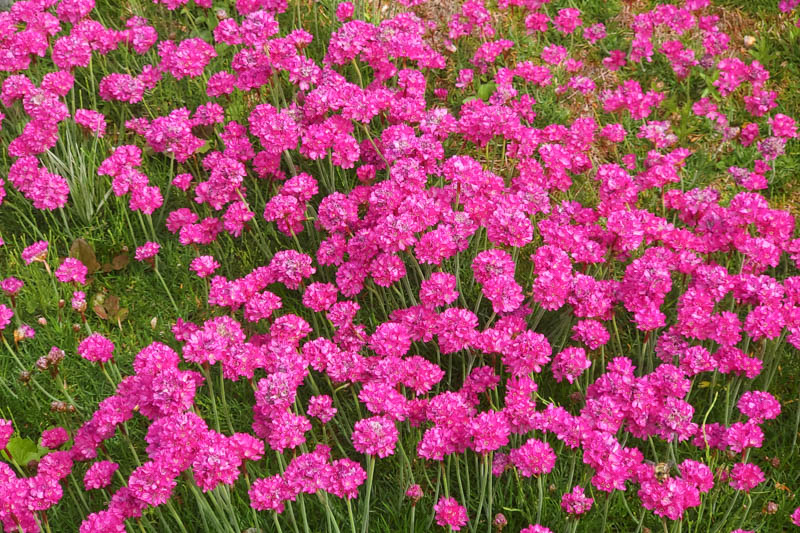
Flowering Edging Guides
A beautiful flowering edge makes a garden feel complete. It draws the eye along a pathway, softens the boundary between a lawn and flower bed, and brings color right where you can enjoy it. But how do you choose flowers that stay low, look attractive together, and won’t constantly spill onto the path? Our flowering edging gardening guides will help you plan, plant, and care for beautiful borders using compact perennials, fragrant flowers, hardy geraniums, creeping thyme, and other low-growing plants. Discover how to design flowering garden edging, choose colors, calculate plant spacing, extend blooming seasons, and maintain low-maintenance flower borders. Whether you’re creating a romantic cottage path, a sunny gravel edge, or a colorful border in partial shade, learn how to make every inch of your planting count.
Learn How to Design Beautiful Flowering Edging for Beds, Lawns, and Pathways
Have you ever noticed how the most inviting garden paths seem to have flowers growing naturally along their edges? The planting may look effortless, but the effect usually comes from a thoughtful combination of plant height, repeated colors, and enough space to let everything develop.
What is flowering garden edging?
Flowering garden edging uses low-growing ornamental plants to define or soften the boundary of a flower bed, path, lawn, terrace, or other landscape feature. It can be neat and formal, with repeated compact plants, or informal, with softly spreading flowers that follow the curves of the garden.
Unlike hard edging made from stone, brick, steel, or plastic, living edging primarily creates a visual boundary. It does not necessarily prevent lawn grass or gravel from moving into a planting bed.
Six steps to designing a flowering edge
- Choose the overall style: Compact dianthus and sea thrift suit small, tidy borders. Hardy geraniums and catmint create romantic cottage edging, while creeping phlox and thyme look beautiful beside rocks and gravel.
- Measure the space: Check the length and usable depth, especially beside narrow paths. A plant may appear small in its nursery pot but extend well beyond the border when mature.
- Match the growing conditions: Identify hours of direct sun, soil drainage, summer moisture, and winter hardiness. Mediterranean-style flowers and moisture-loving woodland plants should not be grouped indiscriminately.
- Plan the height: Use the lowest plants closest to the walkway, with fuller flowering mounds or upright accents behind them. Consider the garden from the direction visitors will approach.
- Repeat your colors: A ribbon of pale pink geraniums, repeated clusters of purple catmint, or groups of white candytuft create rhythm and connect the border visually.
- Plan beyond the flowers: Foliage shape, texture, and winter behavior matter. A tidy gray-green cushion can look attractive even after its spring flowers have faded.
Should flower edging be straight or curved? Both work. Straight edges complement formal and contemporary landscapes, while gentle curves suit cottage gardens. The important point is to use the plants to reinforce the overall layout rather than creating an unnecessarily complicated line.
How wide should a flowering edge be? A very narrow strip favors compact plants with limited mature spread. A wider border allows a low front row with larger flowering plants behind it. Design around the actual mature dimensions rather than applying one universal width.
Should every edging plant be the same? Not necessarily. One repeated species creates a consistent ribbon, while two or three complementary plants can introduce more seasonal interest. Avoid constantly alternating unrelated flowers, which can make the edge look busy.
Gardenia’s design tip: Imagine the path when none of the plants is flowering. Their mounds, foliage, and repeated shapes should still make the garden look inviting.
Learn more in Gardenia’s How to Design a Perennial Flower Border, Small Perennials for Borders and Edging, and Garden Edging Guides.
Discover How to Plant, Space, and Combine Flowers for Season-Long Edging
Even a simple ribbon of flowers benefits from careful preparation. Good spacing creates a generous, connected edge as plants mature, while choosing complementary flowering seasons ensures the border remains interesting after the first blossoms disappear.
How to plant a beautiful flowering edge
- Prepare the planting strip: Remove unwanted lawn grass and persistent weeds. Check drainage and soil condition before adding amendments. Plants such as Dianthus and thyme generally prefer freely draining conditions, while other edging perennials may need more moisture.
- Mark the layout: Use a garden hose, string, or temporary marker to visualize the border line. Place the plants in their pots before digging so you can judge how the groups will relate to the path.
- Check mature spacing: Look at the eventual width of every variety, not just its current height. Grouped Heuchera mounds require different spacing from spreading geraniums or creeping thyme.
- Plant carefully: Set container-grown plants at an appropriate depth, with good root-to-soil contact. Avoid burying crowns and don’t pile mulch directly against stems.
- Water during establishment: Provide enough moisture for new roots to grow, even when the mature plant will tolerate relatively dry conditions.
- Keep the boundary clear: Remove weeds, monitor spreading runners, and preserve sufficient width for walking, wheelchairs, strollers, and garden maintenance.
How far apart should flowering edging plants be placed?
The correct spacing depends on mature spread, growth rate, and desired effect. For a compact plant expected to reach about 12 inches across, approximately 12-inch centers may create a continuous edge once mature. Plants spreading 18-24 inches need a different arrangement.
For illustration, a straight 24-ft. border with plants spaced 12 inches apart requires approximately 24 planting positions, depending on how the ends are treated. More generous spacing may be appropriate for plants with broader mounds.
How do you plan flowers from spring through autumn?
Build a succession rather than relying on a single plant to flower continuously.
- Spring: Veronica ‘Georgia Blue’, creeping phlox, candytuft, Ajuga, and suitable spring bulbs.
- Late spring to early summer: Dianthus ‘Firewitch’, Armeria ‘Splendens’, hardy geraniums, and lady’s mantle.
- Summer: Compact catmint, creeping thyme, and suitable repeat-flowering perennials.
- Late season: Use compatible late-flowering companions farther back in the border, while allowing attractive edging foliage to continue providing the foreground structure.
Can you mix spring and summer edging plants? Yes, provided their mature size, light, drainage, and watering needs are compatible. A sunny border might combine spring candytuft with summer catmint in separate repeated groups, but their different growth habits should guide placement.
How do you avoid bare gaps? Select plants whose foliage remains attractive after flowering and allow adequate time for the mounds to mature. In wider borders, low bulbs or seasonal annuals may provide additional color without crowding permanent perennials.
Gardenia’s planting tip: Choose one dominant plant to create continuity, then repeat a second flower for contrast or seasonal succession. A simple pattern is often more attractive than a different plant at every step.
Explore Gardenia’s Plant Sizes and Spacing for Small Perennials, Low-Maintenance Flowering Perennials, and Hardy Geranium Groundcover Guide.
Learn How to Maintain Flowering Edging, Encourage Blooms, and Keep Paths Tidy
The most successful flowering edges need surprisingly little fuss once established. The key is choosing plants that fit the space and recognizing when a light trim, occasional division, or a little weeding will improve their appearance.
How to keep flowering edging attractive
- Trim where appropriate: Some catmints and hardy geraniums may produce fresh growth or additional flowers after being cut back. Follow the needs of the individual cultivar rather than trimming every plant at the same time.
- Remove spent flowers selectively: Dianthus and selected other perennials may benefit from deadheading. Some plants flower mainly once, so deadheading will not necessarily produce a second full display.
- Manage spread: Ajuga, certain bellflowers, and other mat-forming plants can move beyond their intended boundaries. Remove unwanted runners before they establish in the path or neighboring beds.
- Divide overcrowded clumps: Some perennial mounds eventually need division or rejuvenation. The appropriate method and season depend on the species.
- Maintain suitable moisture: Water newly planted edges during establishment and adjust ongoing irrigation to the actual soil and plant requirements.
- Check the path: Keep low branches and foliage from creating trip hazards or narrowing the usable walkway.
Why isn’t my flowering edging blooming?
Insufficient light is a frequent problem with sun-loving plants such as Dianthus, thyme, and creeping phlox. Poor drainage, unsuitable pruning, plant stress, and excessive nitrogen can also contribute to disappointing flowers.
If the foliage is healthy but flowering is sparse, first check the species’ normal flowering period. A spring-flowering perennial cannot be expected to bloom continuously throughout summer.
Which flowering edging is easiest to maintain?
Compact Dianthus and Armeria can be relatively tidy in appropriate sunny conditions. Suitable hardy geraniums provide a more relaxed edge with limited grooming, while creeping thyme needs good drainage and occasional containment.
Can you make a flowering edge pollinator-friendly? Yes. Choose accessible flowers with overlapping bloom periods, consider regionally native plants, and avoid unnecessary pesticide use. A low border can complement taller nectar- and pollen-producing perennials behind it.
Should you leave stems and seedheads over winter? Some can provide wildlife habitat or ornamental interest, while others are best removed because of disease, local fire management, or their tendency to self-seed. Manage each plant according to its characteristics and location.
What if the border becomes overgrown? Identify which plants have exceeded their allotted width. Trim, divide, relocate, or replace them selectively rather than cutting every variety back severely. Sometimes a more compact replacement will solve the problem permanently.
Gardenia’s final advice: The prettiest edge is one that looks comfortable in its space. Leave room for natural growth, maintain a clear walking line, and let beautiful flowers frame the garden rather than take over the path.
For further guidance, explore Gardenia’s Creeping Thyme Growing and Design Ideas, Choosing Garden Pinks and Dianthus, and Shade Garden Design and Care.