Stepping-Stone Groundcover Guides
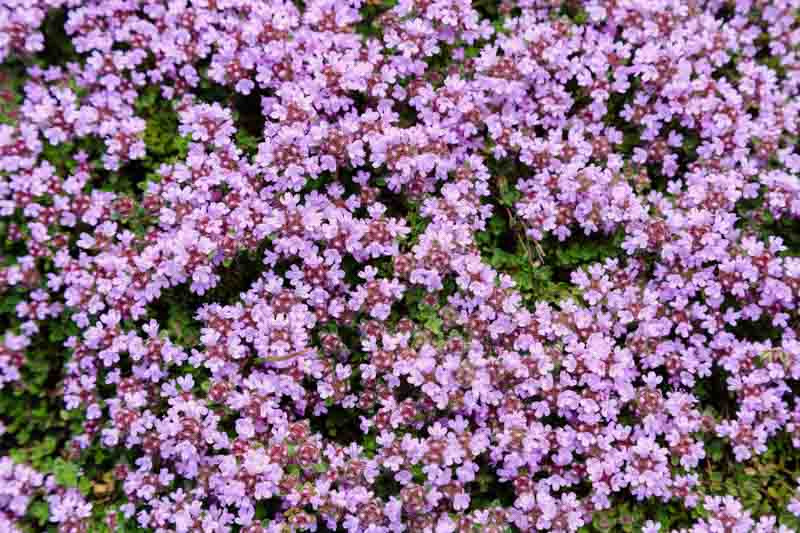
There’s something irresistible about stepping stones surrounded by a living carpet of green. Fragrant creeping thyme can turn a sunny walkway into a flowering garden feature, while silver groundcovers create beautiful contrast against flagstones and tiny green plants soften the spaces between pavers. But planting groundcovers between stepping stones takes a little planning. The stones must remain stable, the plants need enough soil for their roots, and the selected varieties must tolerate the light, moisture, and occasional footsteps they receive. Our stepping-stone groundcover planting guides explain how to design a beautiful living pathway, choose plants for sun or shade, prepare paving gaps, calculate planting quantities, and maintain low-growing groundcovers. Discover practical advice for creating a walkway that looks natural, stays manageable, and remains comfortable to use.
Learn How to Design a Beautiful Living Stepping-Stone Path
A well-designed stepping-stone garden strikes a lovely balance. The stones establish a clear route, while the plants soften their edges and connect the paving to the surrounding landscape.
The most successful paths are designed for the way people will use them, not simply for the way they look in a photograph.
Six decisions to make before planting:
- Decide how the path will be used: A decorative route through a flower garden can accommodate more planting than the main entrance to a house. Frequently used or accessible routes require appropriately stable, continuous walking surfaces.
- Choose the paving layout: Natural flagstones, rectangular pavers, and irregular stepping stones create different effects. Arrange stones at comfortable distances and make sure each one is securely installed.
- Assess the growing conditions: Full-sun paths may suit creeping thyme or Dymondia, while cooler or moister locations can support other groundcovers such as Irish Moss or Creeping Mazus.
- Plan suitable planting gaps: Allow enough space for plants to develop without creating dangerously wide joints, loose stone edges, or uncomfortable stepping distances.
- Choose a simple plant palette: One dominant groundcover often creates the most beautiful carpet. Use a second plant only where its growth habit and watering needs are compatible.
- Consider maintenance and drainage: Make sure water can drain appropriately and that plants can be watered, weeded, or trimmed without disturbing the paving.
What is the difference between a planted stepping-stone path and a lawn alternative? A stepping-stone path relies on paving for regular footsteps, with plants occupying the surrounding spaces. A lawn alternative covers a larger area with low-growing vegetation, but it may still be unable to withstand the wear expected of conventional turf.
Should you choose irregular flagstones or rectangular pavers? Irregular stones create a relaxed cottage or naturalistic look. Rectangular pavers work well in modern and Japanese-inspired gardens. Both can be softened by low-growing foliage, provided the path is stable and appropriately constructed.
How wide should the planted joints be? There is no single ideal gap. Narrow joints may suit compact plants but offer limited rooting space. Wider planting pockets support more growth but can interfere with walking comfort and accessibility. Consider stone stability and the expected use before deciding.
Which plants are best between the stones? For sunny, well-drained paths, creeping thyme is an appealing choice. In suitable mild climates, Dymondia offers silver-green foliage. Moisture-retentive sites can suit selected moss-like or flowering groundcovers.
What about a Japanese-style stepping-stone path? Dwarf mondo grass can create restrained green tufts beside or between widely spaced pavers in a sheltered location. However, it spreads slowly and isn’t a substitute for a durable walking surface.
How can you make the path appear natural? Repeat low foliage across the gaps, allow the stones to remain clearly visible, and connect the planting visually to the surrounding garden beds.
Gardenia’s design principle: Let the stones establish the route and the plants soften the spaces around them. The result should feel inviting, not like a walkway disappearing beneath vegetation.
Explore Gardenia’s Best Plants for Garden Pathways, Creeping Thyme Varieties and Uses, and Mediterranean Garden Design Guide.
Discover How to Plant Groundcovers Between Pavers and Stepping Stones
Groundcovers growing between stones face a challenging environment. The surrounding paving can become hot in sunshine, planting pockets may be shallow, and water can either drain away too quickly or collect where roots become waterlogged.
Healthy planting starts with properly constructed paving and enough suitable soil to support the selected plants.
Seven practical steps to establishing groundcovers between stepping stones:
- Install stable paving first: Make sure each stone has an appropriate base and is securely positioned. The surface must not rock, sink, or create an unsafe trip hazard when walked on.
- Check drainage: Investigate places where water collects or soil remains persistently saturated. Correct installation or drainage problems before choosing drought-adapted plants.
- Provide suitable rooting material: Where planted joints are designed into the paving, use appropriate soil or growing medium with sufficient rooting depth. Do not remove structural bedding or compromise the paving base to create planting space.
- Choose healthy young plants: Small plugs or appropriately sized nursery plants are often easier to establish in planting pockets than oversized, root-bound specimens.
- Plant at the correct level: Keep the root crown at the appropriate depth and the plant low enough that it does not create a substantial obstruction above the walking surface.
- Water during establishment: New groundcovers need suitable moisture while roots develop, even if they will later tolerate dry conditions.
- Protect young growth: Keep regular footsteps on the stones while the plants establish. Inspect the joints and replace any plants damaged before coverage develops.
How deep should planting pockets be? They must be suitable for the selected species’ roots and the construction of the pathway. A shallow layer of soil placed over compacted structural material may not sustain a healthy perennial. Do not compromise the stone foundation to achieve a deeper pocket.
How far apart should groundcover plugs be planted? The spacing depends on mature spread, growth rate, and the starting size of the plugs. Slow-growing dwarf mondo grass may require closer initial planting for faster coverage, while vigorous Mazus can spread across compatible gaps more rapidly.
How many plants do you need? Measure the actual planted joint and pocket areas rather than the total paved footprint. For broader groundcover strips, divide the planted area by the area allocated per plug according to your chosen spacing pattern. Adjust for curves, irregular stones, and gaps that are unsuitable for planting.
Should every gap be planted? Not necessarily. Some joints may be too narrow, dry, compacted, or frequently stepped on. A few beautifully planted wider gaps can look more natural and remain easier to maintain.
What is the best soil for creeping thyme? Thyme generally performs best in sunny, freely draining soil that does not remain wet in winter. Avoid overly rich, moisture-retentive pockets that encourage weak growth or root problems.
What about Mazus and Irish Moss? These plants have different moisture requirements. Mazus typically benefits from consistent moisture, while Irish Moss often performs best where temperatures are not excessively hot and the soil does not dry out completely.
Can groundcovers be planted between existing pavers? Sometimes, provided there is sufficient planting space and suitable growing material. Closely fitted paving with a rigid or structural joint system may not be appropriate for conversion into planted joints.
Gardenia’s planting advice: Establish a healthy root zone before expecting plants to spread into a beautiful carpet. Good soil, suitable moisture, and protection from excessive traffic during establishment make a major difference.
Read Gardenia’s Small Perennials and Groundcover Planting Advice, Drought-Tolerant Groundcover Guide, and Mazus reptans Growing Information.
Learn How to Maintain Groundcover Paths, Manage Foot Traffic, and Prevent Weeds
A living stepping-stone path can be surprisingly easy to enjoy once the plants are established. However, the narrow growing spaces and occasional contact with shoes mean a little selective maintenance is important.
The goal is to keep the planting low, healthy, and attractive while preserving the stability and usability of the path.
Six ways to maintain a beautiful groundcover walkway:
- Keep the stones clear: Remove foliage that obscures step edges or creates a slippery or uneven surface. Keep drainage openings and transitions visible.
- Control weeds early: Remove unwanted plants from joints before their roots become difficult to extract without disturbing the desired groundcovers.
- Water according to the species: Thyme needs different conditions from Irish Moss or Mazus. Check soil moisture rather than applying the same schedule to every pathway.
- Trim selectively: Creeping thyme may benefit from a light trim after flowering where growth becomes untidy. Avoid excessively cutting into older woody stems.
- Replace damaged patches: Replant areas that have been crushed, dried out, or displaced, and investigate repeated failure before installing more of the same species.
- Inspect the paving: Watch for stones that settle, rock, or become uneven. Repair paving problems rather than relying on plants to conceal them.
How much foot traffic can a planted path tolerate? It depends on the groundcover and conditions. Some creeping thyme, Dymondia, and Mazus can tolerate occasional light contact, but the stones should take most of the wear. Heavy traffic is likely to damage living carpets.
Can you mow a creeping thyme path? Usually, routine lawn-style mowing is unnecessary and may damage the plants. Selective trimming is generally more appropriate where needed.
Should Irish Moss be cut back? Its naturally low, fine-textured habit generally needs little trimming. The more important issues are appropriate moisture, temperature, drainage, and avoiding excessive wear.
Why are plants dying between the stones? Possible reasons include lack of rooting space, overheated paving, poor drainage, excessive dryness, unsuitable soil, winter damage, or repeated footsteps. Diagnose the conditions before replacing failed plants.
What if the groundcover becomes invasive or spreads too far? Remove growth outside the intended planting pockets. Research the regional behavior of the selected species, especially near lawns, natural areas, or other planting beds.
What about winter? Some groundcovers remain green in appropriate climates, while others become brown, dormant, or lose foliage during severe cold. Winter appearance alone is not always evidence that a plant has died.
How do you prevent slippery stones? Keep paving clean and properly drained, avoid allowing vegetation to cover the treads, and remove algae or other slippery deposits using methods appropriate to the material.
Can living stepping-stone paths be accessible? Widely spaced stepping stones and planted joints are generally less suitable for wheelchairs, mobility aids, and some strollers than firm, stable, continuous surfaces. Provide an appropriately accessible route where needed and follow applicable local requirements.
Can flowering groundcovers attract pollinators? Yes. Creeping thyme and certain other low plants produce flowers attractive to visiting insects. Consider this when choosing planting locations near heavily used paths and entrances.
Gardenia’s final recommendation: A beautiful living walkway should never compromise the path itself. Keep the stones secure, choose plants for realistic traffic levels, and maintain enough clear paving for comfortable walking.
Explore Gardenia’s Guide to Creeping Thyme Varieties, Drought-Tolerant Groundcovers, and Mediterranean Garden Design and Care.