Ice Ballet Swamp Milkweed, Swamp Milkweed 'Ice Ballet ', Ice Ballet Milkweed
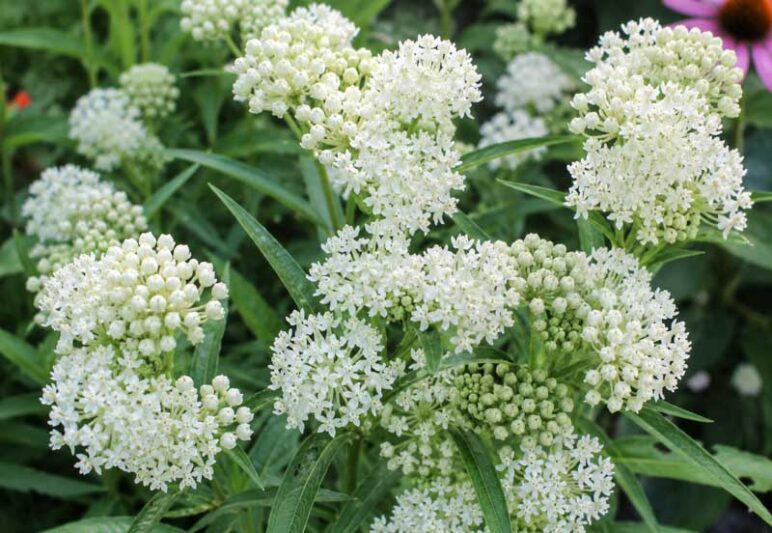


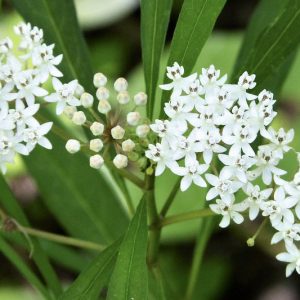
Asclepias incarnata ‘Ice Ballet’, commonly known as Ice Ballet Swamp Milkweed, White Swamp Milkweed, Ice Ballet Milkweed, or White Rose Milkweed, is a luminous white-flowered selection of native swamp milkweed. It brings upright form, narrow green leaves, fragrant white flower clusters, and outstanding wildlife value to sunny, moisture-retentive gardens.
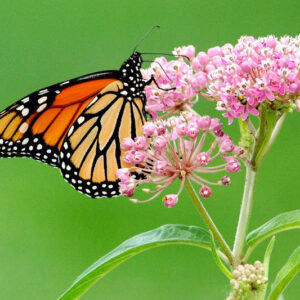
This is a refined plant with serious ecological purpose. ‘Ice Ballet’ supports monarch butterfly caterpillars, feeds adult butterflies and bees, and adds cool summer elegance to rain gardens, moist borders, pond edges, wet meadows, cottage gardens, and naturalized native plantings.
Elegant, upright native herbaceous perennial milkweed with fragrant white flower clusters and narrow green foliage.
Use: Excellent for rain gardens, pollinator gardens, monarch waystations, wet meadows, pond edges, sunny borders, cottage gardens, native plantings, white gardens, and cut flower gardens.
Highlight: A bright white monarch host plant that thrives in moist soil and attracts butterflies, bees, and hummingbirds.
Note: Slow to emerge in spring and best left undisturbed once established.
| Botanical Name | Asclepias incarnata ‘Ice Ballet’ |
|---|---|
| Family | Apocynaceae – dogbane family |
| Common Names | Ice Ballet Swamp Milkweed, White Swamp Milkweed, Ice Ballet Milkweed |
| Plant Type and Habit | Herbaceous perennial; upright, clump-forming, non-vining milkweed |
| Hardiness | USDA Zones 3 to 9 |
| Size | Typically 3 to 4 ft. tall and 12 to 24 inches wide |
| Sun and Exposure | Full sun is best; tolerates light partial shade |
| Soil | Moist, fertile, loamy, clay, average, or wet soil |
| Bloom Time | Midsummer to early fall, often July to August |
| Flower Color | Clear white to creamy white; lightly vanilla-scented |
| Wildlife Value | Host plant for monarch caterpillars; nectar plant for butterflies, bees, hummingbirds, and beneficial insects |
| Deer and Rabbit Resistance | Generally resistant because of bitter, milky sap |
Plant ‘Ice Ballet’ in full sun, moist soil, and an open position where pollinators can easily find the bright white flowers.
Do not panic when it emerges late in spring. Swamp milkweed often waits until soil warms.
‘Ice Ballet’ is the milkweed to choose when you want monarch value with a cooler, cleaner color palette. Its white flowers glow at dusk and soften bold summer combinations.
Asclepias incarnata ‘Ice Ballet’ is a white-flowered cultivated selection of swamp milkweed, a North American native perennial associated with wet meadows, marshes, streambanks, pond margins, and sunny lowlands. The cultivar is prized for clear white flower clusters, upright growth, and a fresh, luminous garden effect.
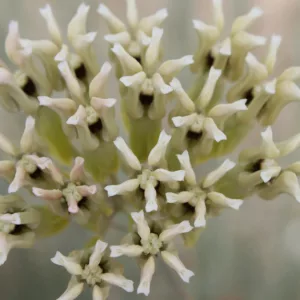
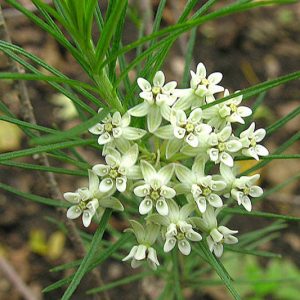
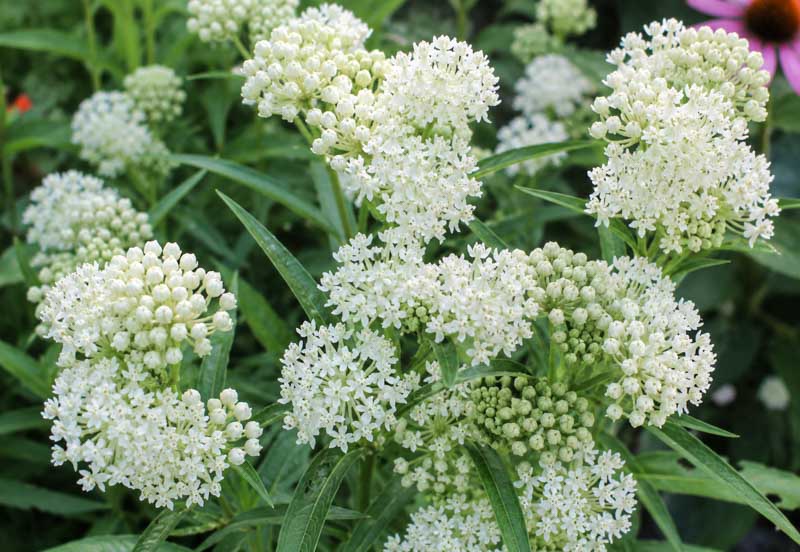
The flowers appear in rounded umbels at the tops of branching stems. Each cluster contains many small, star-shaped blooms with the intricate structure typical of milkweed. In bloom, ‘Ice Ballet’ creates a cool white haze that pairs beautifully with blue, purple, red, pink, gold, and silver-toned companions.
‘Ice Ballet’ usually grows 3 to 4 feet tall and 12 to 24 inches wide, sometimes broader in rich, consistently moist soil. It forms upright clumps rather than spreading aggressively by rhizomes, making it easier to manage in designed gardens than common milkweed while still supporting monarch caterpillars.
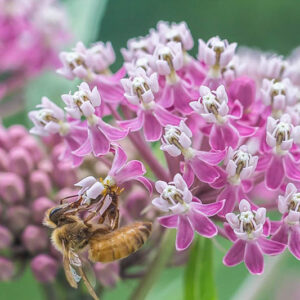
The bloom season usually runs from midsummer into early fall, often July through August. The flowers are white to creamy white and lightly sweet, often described as vanilla-scented. Their pale color, nectar, and height make the plant a natural landing pad for monarchs, swallowtails, native bees, honeybees, hummingbirds, and beneficial insects.
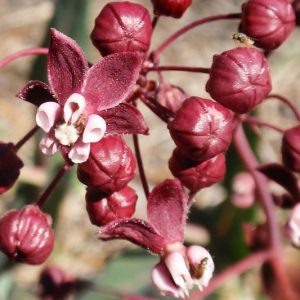
The leaves are narrow, lance-shaped, and medium to dark green. Monarch caterpillars feed on the foliage, so chewed leaves are a sign of success, not failure. After flowering, slender green seed pods develop and later split open to release silky-haired seeds. Leave some pods for winter texture, or remove them before they open if you want fewer seedlings.
A perfect milkweed is not a spotless milkweed. Aphids, caterpillars, beetles, and chewed leaves are part of the ecosystem this plant supports.
‘Ice Ballet’ is widely grown in USDA Zones 3 to 9. It is cold-hardy, summer-showy, and adaptable when given enough sunlight and moisture. In hot regions, consistent soil moisture is especially helpful. In colder gardens, mark the planting spot so late spring shoots are not disturbed.
Because it belongs to the swamp milkweed species, ‘Ice Ballet’ is ideal for rain gardens, bioswales, moist meadows, stream edges, pond margins, and low garden beds that stay damp after rain. It also works in ordinary borders if the soil does not dry out completely for long periods.
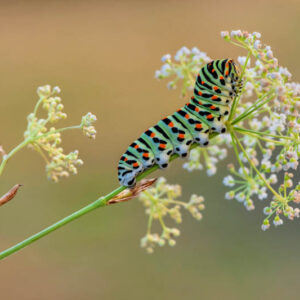
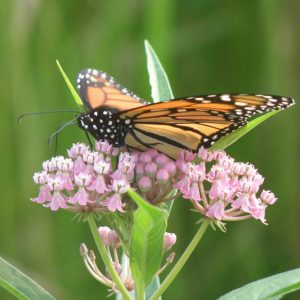
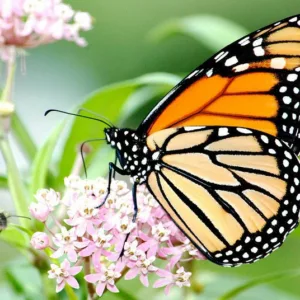
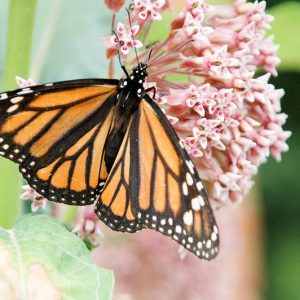
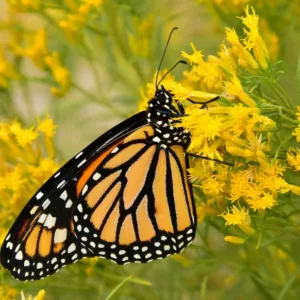
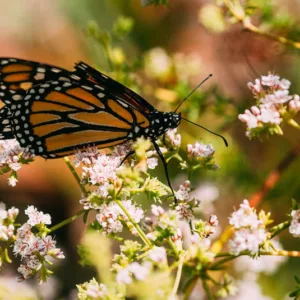
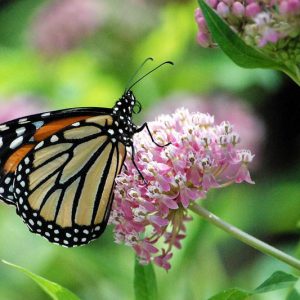
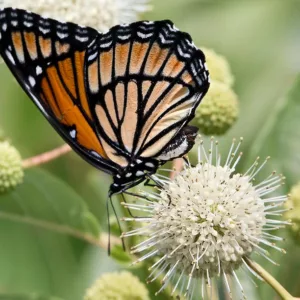
Its most important role is in the monarch butterfly life cycle. Monarch caterpillars depend on milkweed foliage, while adult monarchs and other butterflies visit the nectar-rich flowers. Planting several milkweeds together is more effective than planting one specimen, especially in a monarch waystation or pollinator garden. Milkweed: Is it Right for Your Garden? Pros and Cons Explained
‘Ice Ballet’ is generally resistant to deer and rabbits because of its bitter, milky sap. Young shoots may still need protection where browsing pressure is high.
Like other milkweeds, Asclepias incarnata contains milky sap with cardiac glycosides that can be harmful if eaten in quantity. The sap may irritate skin or eyes. Grow it as an ornamental wildlife plant, wear gloves if sensitive, and discourage pets, livestock, and children from chewing foliage, stems, flowers, or pods.
Ice Ballet Swamp Milkweed is not considered invasive in typical garden settings. It may self-seed in moist, open soil, but seedlings are usually manageable. Unlike Asclepias syriaca, it does not run aggressively by rhizomes.
Full sun is best. Aim for at least six hours of direct sunlight daily. Plants grown in too much shade may lean, bloom less, and attract fewer pollinators. Light afternoon shade is acceptable in very hot climates if soil moisture is reliable.
‘Ice Ballet’ thrives in moist, fertile, loamy soil but also tolerates clay, average garden soil, and periodically wet conditions. Good moisture matters more than perfect texture. Avoid very dry, sandy sites unless irrigation is available.
Water deeply and consistently during the first growing season. Once established, ‘Ice Ballet’ handles average to wet soil, but performs best when it does not dry out for long. In rain gardens and pond-edge plantings, it often needs little supplemental irrigation after roots settle in.
Swamp milkweed is not a heavy feeder. In most garden soils, a spring topdressing of compost is enough. Too much fertilizer can encourage soft leafy growth and fewer flowers.
Plant ‘Ice Ballet’ in spring or early fall. Choose the site carefully because established plants have deep roots and dislike being moved. Set the crown at soil level, water deeply, and mulch lightly to conserve moisture, keeping mulch away from the crown.
Maintenance is simple. Remove broken stems as needed. Deadheading can reduce seed production, but leaving some pods adds wildlife value and winter interest. Cut stems back in late fall after frost or in early spring before new shoots emerge.
‘Ice Ballet’ can be grown from seed and may self-seed where conditions are favorable. Seeds usually germinate better after cold stratification. Basal cuttings may be taken in spring, and division is possible, but mature plants resent root disturbance. Young nursery plants or seedlings establish most easily.
‘Ice Ballet’ is generally low-maintenance when grown in sun and moist soil. Most issues are cosmetic or ecological rather than serious plant failures.
Design ‘Ice Ballet’ as a bright vertical accent in sunny moist plantings. Its white flowers combine beautifully with red, blue, purple, pink, gold, burgundy, and silver companions. Choose partners that share similar needs: full sun to light partial shade, compatible hardiness, moist to wet soil, and good airflow.
For a high-impact monarch garden, plant ‘Ice Ballet’ in drifts, then layer it with nectar plants that bloom before, during, and after its midsummer show.
Grow Asclepias incarnata ‘Ice Ballet’ if you want a plant that does more than decorate. It gives the garden a graceful silhouette, fragrant white summer flowers, attractive seed pods, and a living connection to monarch butterflies. It fits beautifully into native plant gardens, cottage borders, white gardens, rain gardens, and meadow-style plantings.
Elegant enough for ornamental borders, tough enough for wet soil, and restrained enough for managed landscapes, ‘Ice Ballet’ can become a cool, luminous cornerstone of a pollinator-friendly garden.
Asclepias incarnata Ice Ballet is a white-flowered cultivar of swamp milkweed. It is an upright, clump-forming native perennial grown for fragrant flowers, monarch butterfly host value, and excellent performance in moist sunny gardens.
Asclepias incarnata Ice Ballet typically grows 3 to 4 feet tall and 12 to 24 inches wide. In rich, consistently moist soil, plants may become slightly taller or broader.
Full sun is best for strong stems, abundant flowers, and high pollinator activity. It can tolerate light partial shade, but too much shade may reduce flowering and cause leggier growth.
Yes. Ice Ballet Swamp Milkweed is a host plant for monarch caterpillars and a nectar plant for adult monarch butterflies. It also attracts bees, hummingbirds, and many other pollinators.
Ice Ballet Swamp Milkweed prefers moist, fertile, loamy soil but also tolerates clay, average garden soil, and wet soil. It is ideal for rain gardens, pond edges, moist borders, and wet meadows.
No. Ice Ballet Swamp Milkweed is not generally considered invasive. It may self-seed in moist open soil, but it does not spread aggressively by rhizomes like common milkweed.
Swamp milkweed often emerges late in spring, especially in cool soil. Mark the planting location, avoid digging too early, and wait until the soil warms before assuming the plant has failed.
Yes. Like other milkweeds, Ice Ballet contains milky sap with toxic compounds that may cause illness if eaten and may irritate skin or eyes. Keep it away from pets, livestock, and children who may chew plants.
Gardenia – Asclepias incarnata: https://www.gardenia.net/plant/asclepias-incarnata-swamp-milkweed
Gardenia – Asclepias genus guide: https://www.gardenia.net/genus/asclepias-milkweed
Missouri Botanical Garden – Asclepias incarnata ‘Ice Ballet’: https://www.missouribotanicalgarden.org/PlantFinder/PlantFinderDetails.aspx?gen=Asclepias&isprofile=1&taxonid=254189
Chicago Botanic Garden – Asclepias incarnata ‘Ice Ballet’: https://www.chicagobotanic.org/plant-information/plant-finder/asclepias-incarnata-ice-ballet-swamp-milkweed
North Creek Nurseries – Asclepias incarnata ‘Ice Ballet’: https://www.northcreeknurseries.com/plant-name/Asclepias-incarnata-Ice-Ballet
Updated: June 2026 • Reviewed by Gardenia Editors
| Hardiness |
3 - 9 |
|---|---|
| Plant Type | Perennials |
| Plant Family | Apocynaceae |
| Genus | Asclepias |
| Common names | Milkweed, Swamp Milkweed |
| Exposure | Full Sun |
| Season of Interest | Summer (Mid, Late), Fall |
| Height | 3' - 4' (90cm - 120cm) |
| Spread | 1' - 2' (30cm - 60cm) |
| Spacing | 18" - 24" (50cm - 60cm) |
| Maintenance | Low |
| Water Needs | Average, High |
| Soil Type | Clay, Loam, Sand |
| Soil pH | Acid, Alkaline, Neutral |
| Soil Drainage | Moist but Well-Drained, Moisture Retentive, Poorly Drained |
| Characteristics | Fragrant, Showy |
| Tolerances | Deer, Clay Soil, Wet Soil, Rabbit, Fire |
| Attracts | Bees, Butterflies, Hummingbirds |
| Garden Uses | Beds And Borders, Bog Gardens, Ponds And Streams, Rain Gardens |
| Garden Styles | Butterfly Garden, Informal and Cottage, Pollinator Garden |
| Toxic to Humans | Low severity |
| Toxic to Cats | Toxic |
| Toxic to Dogs | Toxic |
| Toxic to Horses | Toxic |


| Hardiness |
3 - 9 |
|---|---|
| Plant Type | Perennials |
| Plant Family | Apocynaceae |
| Genus | Asclepias |
| Common names | Milkweed, Swamp Milkweed |
| Exposure | Full Sun |
| Season of Interest | Summer (Mid, Late), Fall |
| Height | 3' - 4' (90cm - 120cm) |
| Spread | 1' - 2' (30cm - 60cm) |
| Spacing | 18" - 24" (50cm - 60cm) |
| Maintenance | Low |
| Water Needs | Average, High |
| Soil Type | Clay, Loam, Sand |
| Soil pH | Acid, Alkaline, Neutral |
| Soil Drainage | Moist but Well-Drained, Moisture Retentive, Poorly Drained |
| Characteristics | Fragrant, Showy |
| Tolerances | Deer, Clay Soil, Wet Soil, Rabbit, Fire |
| Attracts | Bees, Butterflies, Hummingbirds |
| Garden Uses | Beds And Borders, Bog Gardens, Ponds And Streams, Rain Gardens |
| Garden Styles | Butterfly Garden, Informal and Cottage, Pollinator Garden |
| Toxic to Humans | Low severity |
| Toxic to Cats | Toxic |
| Toxic to Dogs | Toxic |
| Toxic to Horses | Toxic |
How many Asclepias incarnata ‘Ice Ballet’ (Swamp Milkweed) do I need for my garden?
| Plant | Quantity | |
|---|---|---|
| Asclepias incarnata ‘Ice Ballet’ (Swamp Milkweed) | N/A | Buy Plants |
Create a membership account to save your garden designs and to view them on any device.
Becoming a contributing member of Gardenia is easy and can be done in just a few minutes. If you provide us with your name, email address and the payment of a modest $25 annual membership fee, you will become a full member, enabling you to design and save up to 25 of your garden design ideas.
Join now and start creating your dream garden!
Create a membership account to save your garden designs and to view them on any device.
Becoming a contributing member of Gardenia is easy and can be done in just a few minutes. If you provide us with your name, email address and the payment of a modest $25 annual membership fee, you will become a full member, enabling you to design and save up to 25 of your garden design ideas.
Join now and start creating your dream garden!