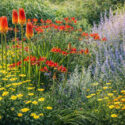
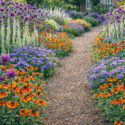
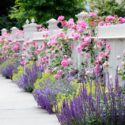
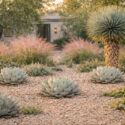
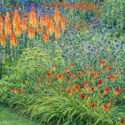
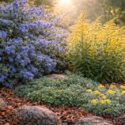
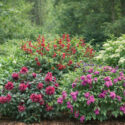
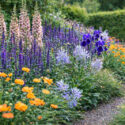
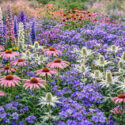
Create a garden that stays colorful for months with the best plants that bloom all summer. This guide covers long-blooming annuals, perennials, shrubs, vines, full-sun flowers, shade plants, container favorites, and easy care tips to keep your summer garden fresh, vibrant, pollinator-friendly, and full of nonstop flowers.
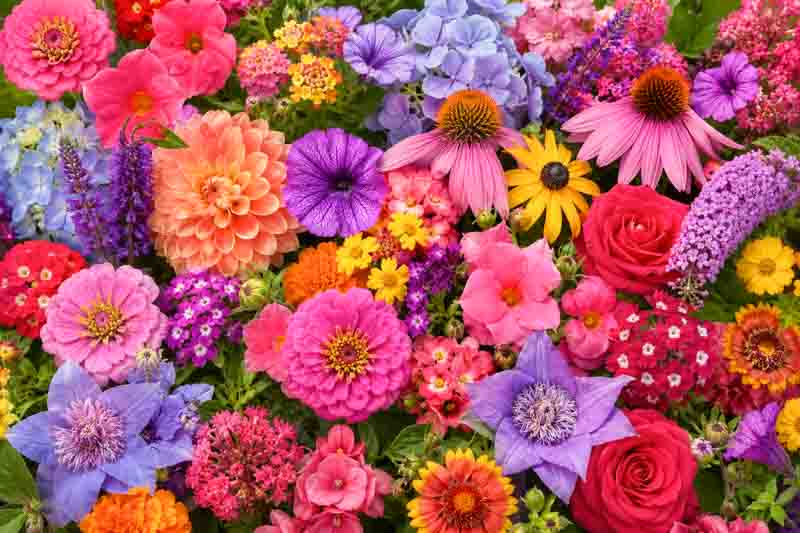


A garden that blooms all summer is not built around one perfect plant. It comes from layering dependable annuals, long-flowering perennials, summer-blooming shrubs, colorful vines, warm-season bulbs, and high-impact container plants. The best choices flower for months, rebloom after trimming, or keep their blooms attractive from early summer into fall.
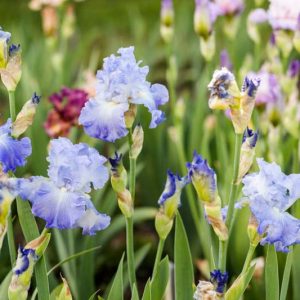
Some classic garden favorites are spectacular but brief. Peonies, irises, foxgloves, and many spring bulbs create unforgettable moments, but they are not designed to carry a garden for three or four months. For reliable summer color, choose plants with long bloom windows, heat tolerance, strong reblooming habits, and the ability to recover after deadheading, shearing, harvesting, or light pruning.
Quick answer
Some of the best plants that bloom all summer are zinnias, marigolds, petunias, calibrachoa, lantana, verbena, cosmos, begonias, salvia, coneflowers, black-eyed Susans, coreopsis, gaillardia, repeat-blooming roses, panicle hydrangeas, reblooming hydrangeas, butterfly bush where appropriate, crape myrtle, selected clematis, mandevilla, morning glory, and black-eyed Susan vine.
In this guide, “bloom all summer” means one of four useful things: a plant flowers continuously, blooms in repeated waves, reblooms after deadheading or cutting back, or holds showy flowers for an unusually long time. Exact performance depends on climate, cultivar, soil, moisture, heat, and care. Use this as a practical pillar guide for sunny borders, shade containers, pollinator gardens, hot climates, cottage gardens, low-maintenance landscapes, and small spaces.
If you want the most reliable starting point, choose from this short list first. These plants are widely useful, easy to place, and repeatedly recommended because they deliver a long season of color when grown in the right conditions.
| Best For | Top Choices | Why They Stand Out |
|---|---|---|
| Best overall annuals | Zinnia, marigold, petunia, calibrachoa, lantana, angelonia | Fast color, generous bloom, and strong performance in beds or containers. |
| Best overall perennials | Coneflower, coreopsis, salvia, black-eyed Susan, gaillardia, yarrow | Long seasonal color plus pollinator value and reliable return in suitable climates. |
| Best flowering shrubs | Landscape roses, panicle hydrangea, abelia, crape myrtle, butterfly bush where non-invasive | They add structure, height, and weeks or months of summer interest. |
| Best shade flowers | Begonia, impatiens, torenia, fuchsia | They brighten filtered light, porches, patios, and protected beds. |
| Best heat performers | Lantana, gomphrena, angelonia, portulaca, pentas, gaillardia | They keep flowering when many cool-season plants stall. |
Some plants flower almost continuously. Others bloom heavily, rest briefly, and return after deadheading or pruning. This comparison helps you match the plant to the place before you buy.
| Plant | Type | Best Light | Bloom Pattern | Best Use |
|---|---|---|---|---|
| Zinnia | Annual | Full sun | Summer to frost with cutting or deadheading | Cut flowers, pollinator beds, sunny borders |
| Marigold | Annual | Full sun | Long summer bloom, especially with deadheading | Edging, vegetable gardens, beginner-friendly beds |
| Petunia | Annual | Full sun | Heavy flowering for months with water, feeding, and trimming | Hanging baskets, window boxes, patio pots |
| Lantana | Annual or tender perennial | Full sun | Long bloom in heat; often flowers until frost | Hot gardens, containers, butterflies |
| Coneflower | Perennial | Full sun | Summer to fall, depending on variety | Pollinator borders, prairie gardens, seed heads for birds |
| Coreopsis | Perennial | Full sun | Long bloom; often reblooms after shearing | Low-maintenance borders, sunny banks, pollinators |
| Begonia | Annual or tender perennial | Part shade to shade | Steady summer bloom in warm, sheltered sites | Shade containers, patios, front borders |
| Rose | Shrub | Full sun | Repeat bloom from late spring into fall on many modern varieties | Mixed borders, cottage gardens, fragrance |
| Panicle hydrangea | Shrub | Sun to part shade | Midsummer to fall; flowers age beautifully | Structure, hedges, foundation plantings |
| Mandevilla | Tropical vine | Sun to part sun | Summer to frost in warm weather | Trellises, patio pots, tropical color |
Start with the problem you are solving. The best plant for a hot driveway border is not always the best plant for a shaded porch, a cool coastal container, or a low-water bed.
| Garden Need | Best Choices | Why They Work |
|---|---|---|
| Easiest annual color | Zinnia, marigold, cosmos, gomphrena, portulaca | They grow quickly, flower generously, and suit sunny beds and cutting gardens. |
| Best containers | Petunia, calibrachoa, begonia, lantana, mandevilla, pelargonium | They deliver strong color near patios, porches, balconies, and entrances. |
| Best shade bloomers | Begonia, impatiens, torenia, fuchsia | They flower in bright shade, part shade, or filtered light. |
| Best heat tolerance | Lantana, angelonia, pentas, portulaca, gaillardia, gomphrena | They keep flowering when temperatures rise and many cool-season plants fade. |
| Best long-blooming perennials | Coneflower, coreopsis, salvia, black-eyed Susan, yarrow, gaillardia | They return year after year and provide dependable color in sunny borders. |
| Best flowering structure | Roses, panicle hydrangea, abelia, crape myrtle, butterfly bush | They add height, shape, and long-lasting framework to the garden. |
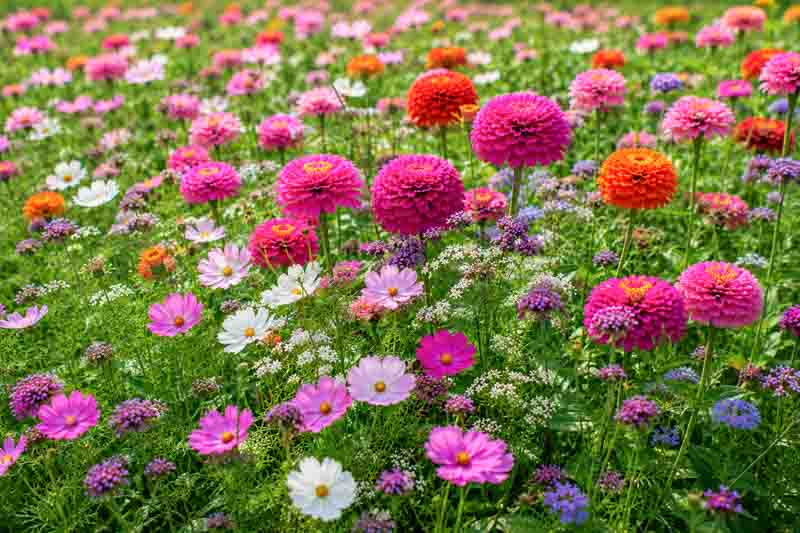
A plant described as blooming all summer usually fits one of four patterns. It may produce flowers continuously, rebloom after deadheading, flower in repeated waves, or hold colorful blooms for an unusually long time. Understanding this distinction helps you design a stronger garden because not every useful summer bloomer flowers nonstop every day of the season.
Some annuals, such as zinnias and cosmos, flower heavily until frost when they receive enough sun and regular cutting. Many perennials, such as coreopsis and salvia, bloom for weeks and often rebloom if cut back. Some shrubs, such as modern roses and panicle hydrangeas, provide a long display because they produce flowers over an extended period or because their blooms remain attractive as they age.
The best design strategy
Do not depend on one plant category. Combine annuals for instant color, perennials for durability, shrubs for structure, vines for vertical interest, and containers for flexible seasonal displays.
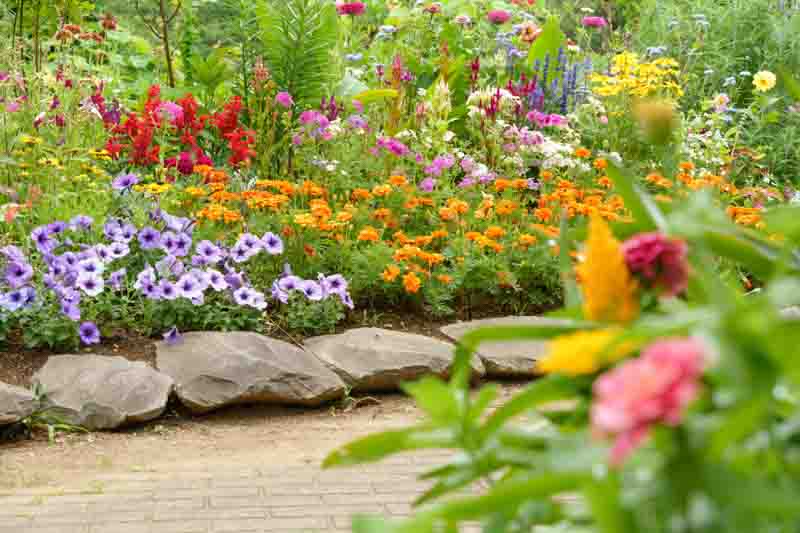
Annuals are the workhorses of summer color. Because they complete their life cycle in one season, many pour their energy into flowers. They are ideal for filling gaps, brightening containers, edging pathways, creating cut flower beds, and adding quick impact while perennials and shrubs mature.
| Plant | Best Use | Care Tip for More Flowers |
|---|---|---|
| Zinnia | Cut flowers, borders, pollinator gardens | Cut regularly or deadhead; provide full sun and good air circulation. |
| Marigold | Edging, vegetable gardens, sunny beds | Deadhead for a tidier plant and stronger repeat bloom. |
| Petunia | Hanging baskets, containers, sunny borders | Feed regularly and trim leggy stems in midsummer. |
| Calibrachoa | Window boxes, hanging baskets, patio pots | Use excellent drainage and regular fertilizer; avoid soggy soil. |
| Cosmos | Cottage gardens, meadow-style beds, cutting gardens | Avoid overfeeding; pick flowers often to extend bloom. |
| Begonia | Shade containers, borders, patios | Keep evenly moist but not waterlogged; protect from harsh afternoon sun. |
| Portulaca | Hot, dry sites, rock gardens, edging, containers | Give full sun and sharply drained soil; avoid overwatering. |
| Pentas | Pollinator gardens, containers, hot sunny borders | Keep evenly watered and feed lightly for steady clusters of blooms. |
| Pelargonium | Sunny containers, window boxes, borders, patio pots | Deadhead spent clusters, provide good drainage, and avoid overwatering. |
Zinnias are among the most reliable flowers for summer-long color. They love full sun, warm soil, and regular harvesting. Cut them for bouquets and they respond by making more blooms. For the strongest plants, avoid overhead watering, allow good air circulation, and choose disease-resistant varieties in humid regions.
Marigolds are classic because they are tough. French marigolds stay compact and work beautifully along vegetable beds and pathways, while African marigolds provide larger, bolder flowers. They handle heat well and are excellent for beginner gardeners.
Petunias and calibrachoa are container champions. They are ideal for hanging baskets, railing planters, and sunny patio pots. To keep them flowering, feed regularly, water before severe wilting, and trim tired stems in midsummer. A quick haircut often brings a fresh wave of color.
Cosmos adds airy movement to cottage gardens, meadow-style beds, and cutting gardens. It performs best in sun and relatively lean soil. Too much fertilizer can produce tall, leafy plants with fewer flowers.
Begonias are among the most dependable bloomers for shade and part shade. Wax begonias are compact and easy, tuberous begonias bring larger flowers, and rex begonias add dramatic foliage. In warm, sheltered sites, they can keep containers attractive for months.
Portulaca, often called moss rose, is excellent for hot, dry, sunny sites. Its bright, low-growing flowers open in sunshine and keep going through summer with very little water once established. It is especially useful for edging, rock gardens, containers, and difficult dry spots.
Pentas is a heat-loving annual or tender perennial valued for clusters of star-shaped flowers that attract butterflies and hummingbirds. It performs well in warm, sunny gardens and containers, especially where summers are hot and humid.
Pelargoniums, especially zonal and ivy-leaved pelargoniums, are excellent for sunny containers, window boxes, and porch displays. They bloom for months with bright light, good drainage, and regular removal of spent flower clusters. In very hot climates, they often appreciate afternoon shade.
Container color tip
For containers that flower for months, combine a trailing plant such as calibrachoa, a mounding plant such as petunia or verbena, and a vertical accent such as salvia or angelonia.
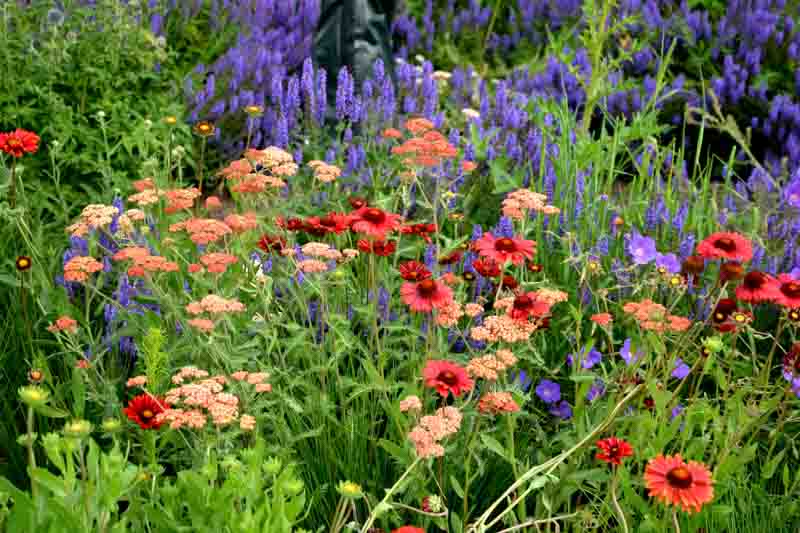
Long-blooming perennials are the backbone of a lasting flower garden. Unlike annuals, they return year after year, and many become stronger with time. The best summer perennials offer more than color: they support bees, butterflies, hummingbirds, and other beneficial wildlife.
| Perennial | Typical Bloom Season | Best Conditions | Notes |
|---|---|---|---|
| Coneflower | Summer to fall | Full sun, well-drained soil, moderate water | Leave seed heads for birds; choose strong varieties for your region. |
| Black-eyed Susan | Summer to fall | Full sun, average soil, heat-tolerant sites | Excellent for cheerful, meadow-inspired plantings. |
| Coreopsis | Early summer to fall | Full sun, good drainage, low to moderate water | Shear after the first flush for renewed bloom. |
| Gaillardia | Summer to frost in favorable sites | Hot sun, lean soil, dry gardens | Avoid heavy, wet soil. |
| Salvia | Late spring to fall, often in waves | Sun, good drainage, pollinator gardens | Remove spent flower spikes to encourage rebloom. |
| Catmint | Late spring to late summer, with cutting back | Full sun, dry soil, border edges | Cut back after the first flush for fresh growth and possible rebloom. |
Coneflowers are essential for summer borders. Their daisy-like flowers attract pollinators, and their seed heads feed birds later in the season. Purple coneflower is the classic, but modern varieties offer orange, white, yellow, coral, red, and green tones.
Black-eyed Susans bring golden color when summer gardens need energy. They pair beautifully with ornamental grasses, coneflowers, Russian sage, bee balm, and sedum.
Coreopsis is one of the best perennials for gardeners who want long-lasting color without fuss. Many varieties bloom in yellow, gold, red, pink, or bicolor shades. Shear lightly after the first heavy bloom to encourage a second flush.
Gaillardia, often called blanket flower, is built for heat and dry soil. It is ideal for sunny borders, gravel gardens, pollinator beds, and low-water landscapes. Drainage matters more than rich fertility.
Salvia is a pollinator powerhouse. Perennial salvias bloom in violet, blue, pink, red, and white, and many rebloom strongly if spent flower spikes are removed. They combine well with roses, grasses, yarrow, and ornamental alliums.
Catmint is especially valuable for soft edging, dry sunny borders, and cottage-style plantings. It usually has a strong late-spring to early-summer flush and can produce additional flowers if cut back. In very hot or dry gardens, rebloom may depend on water and timing.
Best perennial trick
After the first flush of flowers, cut back tired perennials such as catmint, salvia, and coreopsis by one-third to one-half. Water deeply afterward. This simple step can trigger fresh foliage and more blooms.
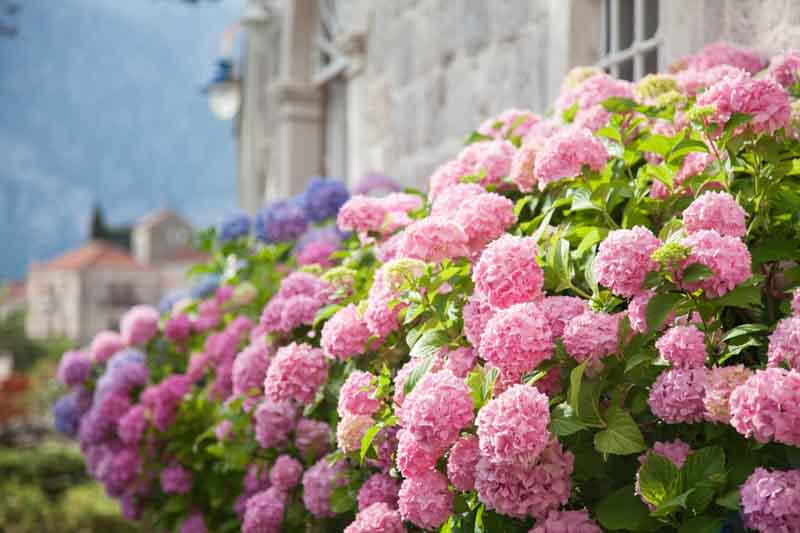
Flowering shrubs give a summer garden structure, height, and staying power. Some bloom once, but the best summer-flowering shrubs either rebloom in waves, produce flowers for a long period, or hold attractive flower heads as they age. They are best viewed as long-display plants rather than guaranteed nonstop bloomers.
Roses are among the most beloved repeat-blooming shrubs. Modern shrub roses, landscape roses, and floribundas can flower from late spring through fall. For the best results, choose disease-resistant varieties, plant them in full sun, water deeply, mulch well, and remove spent blooms unless the variety is self-cleaning.
Hydrangeas are summer garden favorites, but the type matters. Panicle hydrangeas and smooth hydrangeas are especially reliable because they bloom on new wood. Bigleaf hydrangeas can also provide long summer color, particularly reblooming varieties, but they usually need more careful moisture management and afternoon shade in hot climates. Hydrangeas are long-display shrubs, not true nonstop bloomers.
Butterfly bush produces long wands of flowers that attract butterflies and hummingbirds. It blooms best in full sun and well-drained soil. In some regions, certain butterfly bush species or seedlings can be invasive, so choose sterile or non-invasive cultivars where needed and follow local guidance.
Crape myrtle is a top summer-flowering tree or large shrub for hot climates. It thrives in sun and heat, producing flowers in pink, purple, red, white, or lavender. It is especially valuable in regions where many plants slow down during midsummer heat.
Abelia is an underrated summer-blooming shrub with small fragrant flowers, glossy foliage, and a graceful habit. It works well in mixed borders, foundation plantings, and pollinator-friendly landscapes. Many varieties also provide attractive fall color.
Shrub selection tip
For the longest display, choose shrubs that rebloom, bloom on new wood, or hold their flowers as they age. Panicle hydrangeas, smooth hydrangeas, landscape roses, abelia, and crape myrtle are especially useful for extended summer interest.
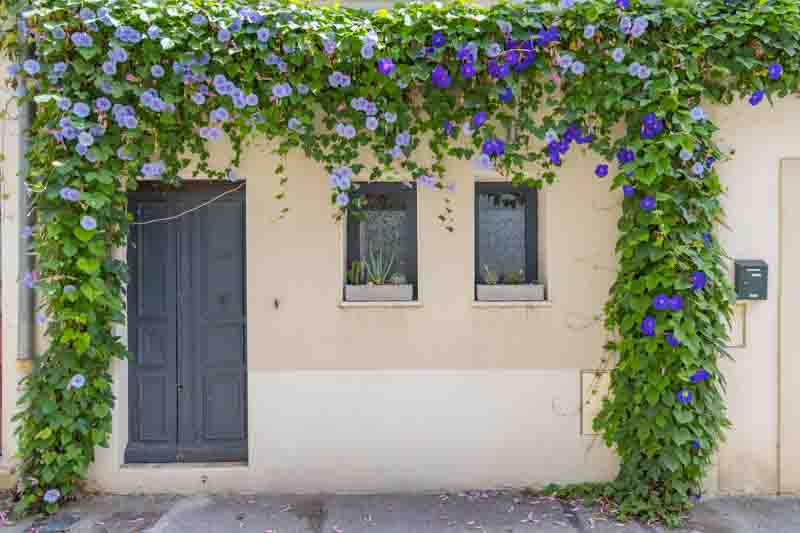
Flowering vines are perfect for vertical color. They soften fences, dress up trellises, shade patios, climb arbors, and bring flowers to spaces where ground room is limited. For small gardens, vines are one of the smartest ways to increase bloom without expanding the bed.
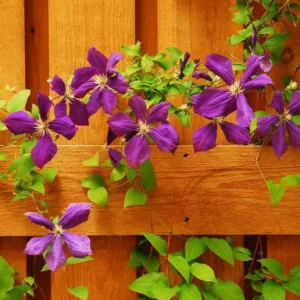
Clematis offers many summer-blooming and reblooming varieties, but cultivar choice is essential. Large-flowered hybrids can bloom in early summer and again later, while late-flowering clematis often provide a longer seasonal show. Choose a long-blooming, late-flowering, or reblooming cultivar that matches your season and pruning group. Plant roots cool and shaded, but give the top growth good light.
Mandevilla is a tropical-looking vine that blooms through summer in warm conditions. It is excellent for containers, patios, and sunny trellises. In cold climates, grow it as an annual or overwinter it indoors.
Black-eyed Susan vine is a cheerful annual vine with orange, yellow, white, or apricot flowers and dark centers. It grows quickly and is ideal for trellises, balcony gardens, and containers with supports.
Morning glory is fast, colorful, and easy, but it should be used carefully. In some areas it self-seeds aggressively or becomes problematic near natural areas. Where it is appropriate, it can cover a fence or arbor with blue, purple, pink, or white flowers through summer.
Small garden idea
When space is limited, grow up. A trellis with clematis, mandevilla, or black-eyed Susan vine adds months of color without taking over valuable planting space.
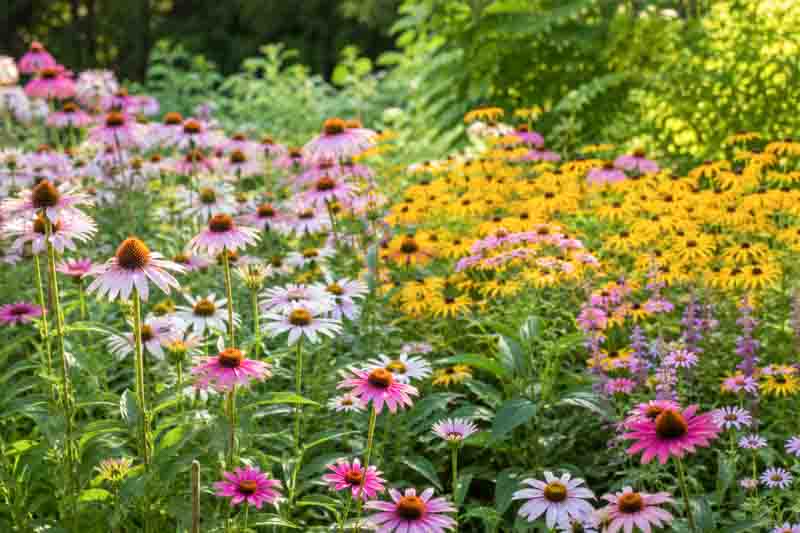
Full sun gives you the widest range of summer-blooming plants. For best performance, choose flowers that can handle at least six hours of direct sunlight and match the plant to your climate. A full-sun garden in coastal Maine is very different from a full-sun garden in Texas, Arizona, or inland California.
Lantana is one of the best choices for extreme heat. It blooms in clusters of yellow, orange, pink, red, lavender, or multicolor flowers and attracts butterflies. It is drought-tolerant once established, though container-grown lantana still needs regular watering.
Verbena is excellent for sunny borders and containers. Trailing types spill beautifully from pots and walls, while upright types fit pollinator beds and mixed borders. Good drainage is essential, especially in humid climates.
Angelonia, often called summer snapdragon, is a superb heat-loving annual. It blooms in spikes of purple, pink, blue, white, or bicolor flowers and keeps going in conditions that make many cool-season flowers collapse.
Regional caution: In warm climates, plants such as lantana, butterfly bush, morning glory, and some fast-growing flowering vines can be invasive, self-seeding, or aggressive. Check local guidance before planting them near natural areas. Also check plant safety if children or pets may eat berries, leaves, or flowers.
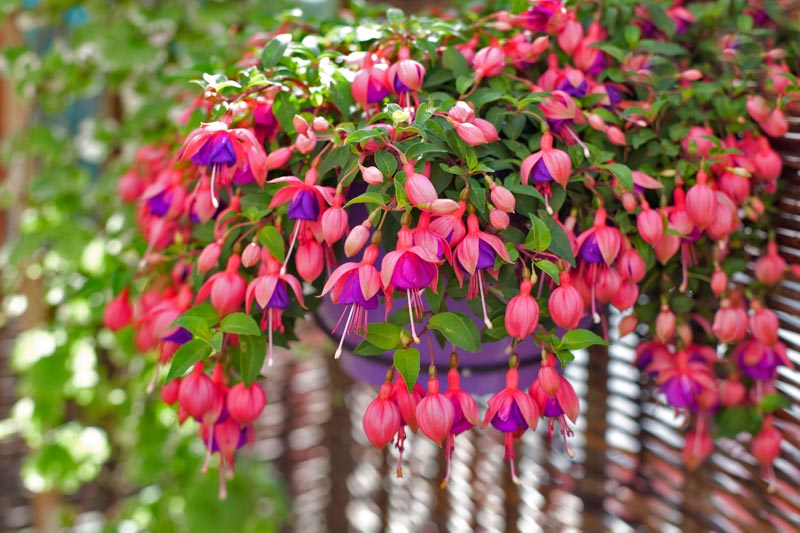
Shade gardens can bloom through summer, but the plant palette is different. In shade, foliage often matters as much as flowers. The best summer-blooming shade plants provide color without needing harsh midday sun.
Begonias are among the best flowers for summer shade. Wax begonias are compact and dependable, tuberous begonias provide large showy blooms, and rex begonias contribute dramatic foliage. They are excellent for containers, borders, and sheltered patios.
Impatiens remain classic shade bloomers. New Guinea impatiens and disease-resistant impatiens varieties bring bright color to part shade and filtered light. They need consistent moisture and protection from intense afternoon sun.
Torenia, also called wishbone flower, is a charming annual for shade containers and borders. It blooms in purple, blue, pink, yellow, or white and often performs better in humid shade than many sun-loving annuals.
Fuchsia is a beautiful choice for hanging baskets and cool-summer shade. It attracts hummingbirds and produces pendant flowers in vivid combinations of pink, red, purple, and white. It dislikes hot, dry exposure, so it is best in bright shade or morning sun.
Shade success tip
In shade, combine flowers with colorful foliage. Begonias, impatiens, torenia, and fuchsia look fuller when paired with coleus, hostas, heuchera, ferns, or trailing ivy.
Climate makes a major difference in summer performance. A plant that flowers steadily in a cool coastal garden may slow down in desert heat, while a heat-loving annual may struggle in a cool, damp summer. Use these groups as a starting point, then refine choices for your region.
| Climate or Site | Best Choices | Why They Work |
|---|---|---|
| Hot, dry summers | Lantana, gaillardia, yarrow, gomphrena, portulaca, salvia, Russian sage | They tolerate heat, sun, and lower water once established. |
| Hot, humid summers | Zinnia, angelonia, pentas, marigold, salvia, gomphrena | They keep flowering when nights stay warm and humidity is high. |
| Cool-summer regions | Fuchsia, begonia, petunia, calibrachoa, hydrangea | They appreciate milder temperatures and consistent moisture. |
| Low-water gardens | Yarrow, gaillardia, salvia, Russian sage | They prefer sun, drainage, and less frequent watering once established. |
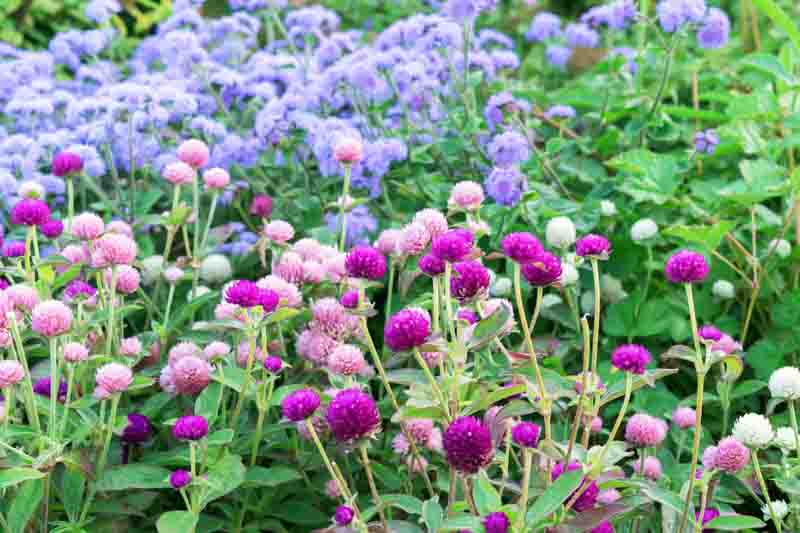
If you want color without constant fussing, choose plants that do not require daily deadheading, staking, spraying, or pampering. Low-maintenance summer bloomers are especially important for busy gardeners, rental properties, vacation homes, and large landscapes.
Gomphrena is one of the toughest annuals for summer heat. Its clover-like flowers last for months and dry beautifully for arrangements. It is a great choice for pollinator gardens, cutting gardens, and hot borders.
Yarrow is a drought-tolerant perennial with flat flower clusters in yellow, white, pink, red, peach, and terracotta tones. It thrives in sun and well-drained soil. Avoid overfeeding, which can make the stems floppy.
Russian sage provides airy lavender-blue flowers and silvery foliage over a long season. It is ideal for hot, dry gardens, gravel plantings, and low-water landscapes.
Even naturally long-flowering plants perform better with good care. The goal is to reduce stress and encourage the plant to keep producing flowers instead of shifting energy into seed production or survival mode.
Summer bloom checklist
Deadheading is especially useful for zinnias, cosmos, marigolds, roses, pelargoniums, coreopsis, salvia, and some petunias. Removing spent flowers encourages many plants to keep producing new buds.
Watering should be consistent but not excessive. Many summer flowers dislike soggy soil, yet they also stop blooming when drought-stressed. Containers may need daily watering in hot weather, while in-ground plants usually prefer deep, less frequent irrigation.
Feeding matters most in containers and high-performing annual beds. Use a balanced fertilizer or bloom-supporting fertilizer according to label instructions. Avoid too much nitrogen, which can create lush leaves at the expense of flowers.
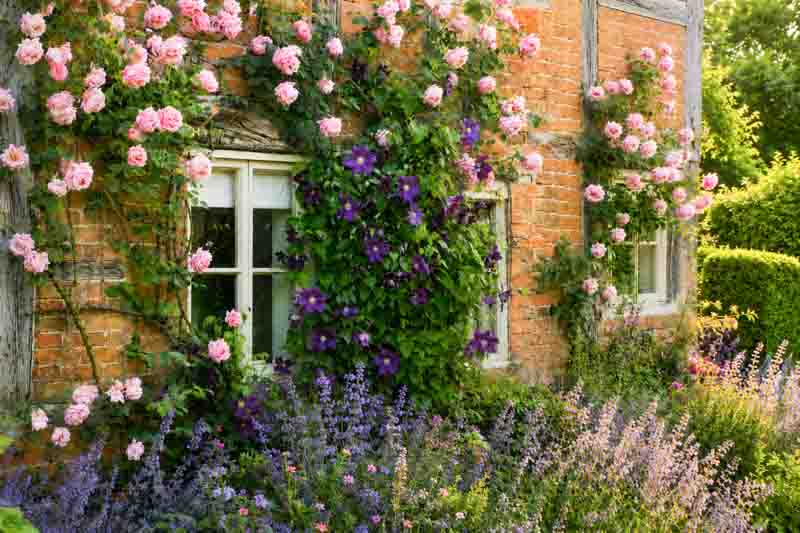
A great summer garden uses bloom timing, color harmony, plant height, and texture. Instead of planting one of everything, repeat strong performers in groups. Repetition makes the garden look intentional and helps pollinators find flowers more easily.
For a sunny pollinator border, combine coneflowers, black-eyed Susans, salvia, yarrow, gaillardia, and butterfly bush where appropriate. Add zinnias and cosmos for annual color and cut flowers.
For a hot, low-water garden, use lantana, Russian sage, yarrow, gaillardia, coreopsis, and salvia. This combination handles heat and creates movement, color, and texture.
For a cottage-style summer garden, mix roses, cosmos, zinnias, catmint, hardy geraniums, clematis, and phlox. Keep the palette generous but repeat key colors so the garden feels lush rather than chaotic.
For a shade container display, combine begonias, impatiens, torenia, coleus, ferns, and trailing ivy or sweet potato vine. The flowers bring color, while foliage keeps the container attractive even between bloom waves.
The best plants that bloom all summer are reliable, climate-appropriate, and suited to the way you garden. Use annuals for fast color, perennials for long-term value, shrubs for structure, and vines for vertical interest. Choose plants that enjoy your actual conditions, then keep them flowering with enough light, deep watering, mulch, deadheading, and occasional midsummer trimming.
A summer garden does not need to fade after one beautiful moment. With layered planting and a little seasonal care, you can create a landscape that feels colorful, welcoming, and alive for months. Repeat your strongest performers, support pollinators, avoid regionally invasive plants, and combine flowers that peak at slightly different times. That is how summer bloom becomes a full-season experience.
Some of the best plants that bloom all summer include zinnias, marigolds, petunias, calibrachoa, cosmos, lantana, verbena, begonias, coneflowers, black-eyed Susans, coreopsis, gaillardia, salvia, roses, panicle hydrangeas, crape myrtle, butterfly bush where appropriate, selected clematis, mandevilla, and black-eyed Susan vine. Exact performance depends on climate, variety, water, and care.
Long-blooming summer perennials include coneflowers, black-eyed Susans, coreopsis, gaillardia, salvia, catmint, yarrow, Russian sage, bee balm, hardy geraniums, and some repeat-blooming daylilies. Many bloom longer if deadheaded or lightly cut back after the first flush.
Reliable annual flowers for a long season include zinnias, marigolds, petunias, calibrachoa, cosmos, angelonia, gomphrena, verbena, lantana, begonias, impatiens, geraniums, pentas, portulaca, and vinca. Sweet alyssum can also bloom for a long time in mild climates, though it may slow down in intense summer heat.
For full sun, choose zinnias, marigolds, lantana, verbena, salvia, coneflowers, black-eyed Susans, coreopsis, gaillardia, yarrow, cosmos, gomphrena, angelonia, petunias, portulaca, Russian sage, and roses. These plants perform best with good drainage and consistent establishment water.
Good summer-blooming flowers for shade include begonias, impatiens, New Guinea impatiens, torenia, fuchsia, browallia, wishbone flower, and some hydrangeas. In shade gardens, combine flowers with colorful foliage plants such as coleus, hostas, heuchera, and ferns for lasting interest.
Keep flowers blooming by planting them in the right light, watering deeply, mulching, deadheading spent blooms, feeding container plants, cutting back leggy growth, and choosing heat-tolerant varieties for your climate. Stressed plants often stop flowering, so consistent care is essential.
Some perennials bloom for a very long period, but many flower in waves rather than nonstop. Coneflowers, coreopsis, salvia, gaillardia, catmint, yarrow, and black-eyed Susans can provide long summer color, especially when deadheaded, cut back, or grown in favorable conditions.
Updated: May 2026 • Reviewed by Gardenia Editors
Create a membership account to save your garden designs and to view them on any device.
Becoming a contributing member of Gardenia is easy and can be done in just a few minutes. If you provide us with your name, email address and the payment of a modest $25 annual membership fee, you will become a full member, enabling you to design and save up to 25 of your garden design ideas.
Join now and start creating your dream garden!
Create a membership account to save your garden designs and to view them on any device.
Becoming a contributing member of Gardenia is easy and can be done in just a few minutes. If you provide us with your name, email address and the payment of a modest $25 annual membership fee, you will become a full member, enabling you to design and save up to 25 of your garden design ideas.
Join now and start creating your dream garden!