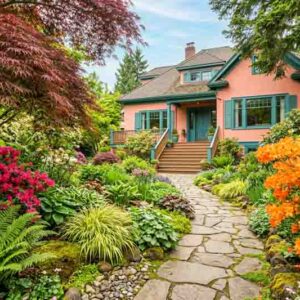
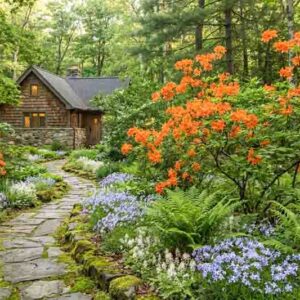
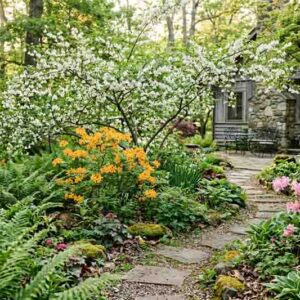
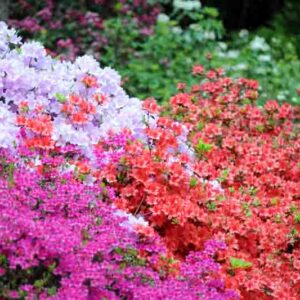
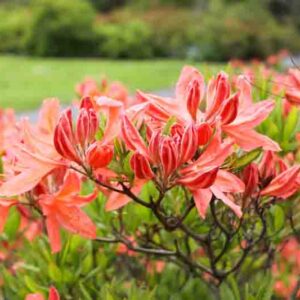
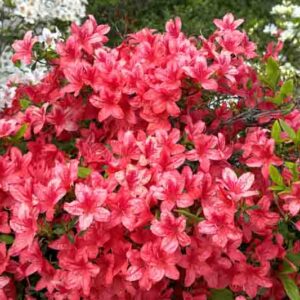
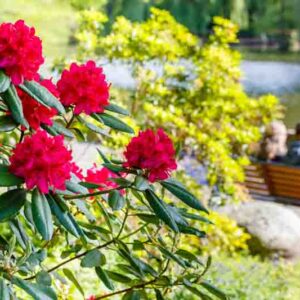
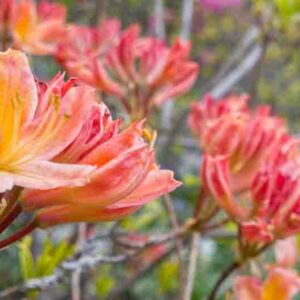
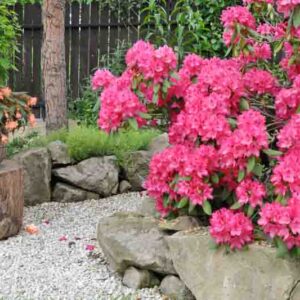
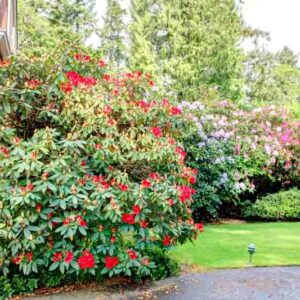
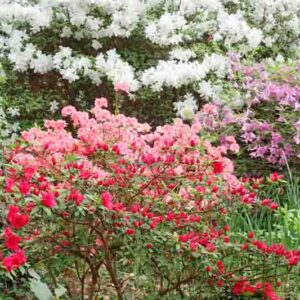
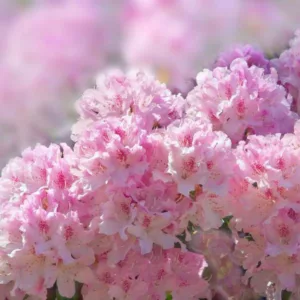
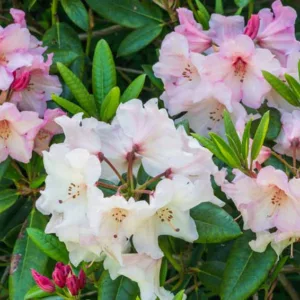
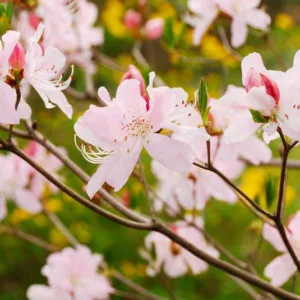
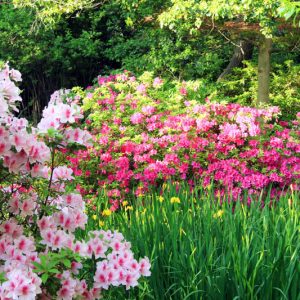
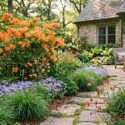
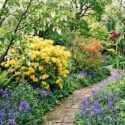
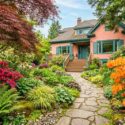
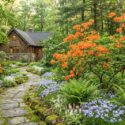
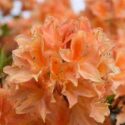
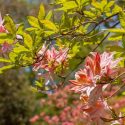
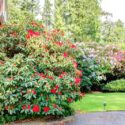
Discover some of the hardiest azaleas and rhododendrons, capable of surviving winter temperatures as low as -26°F (-32°C), with certain varieties tolerating even greater cold. Explore beautiful, proven performers, including selections honored with the American Rhododendron Society's prestigious Rhododendron of the Year Award.
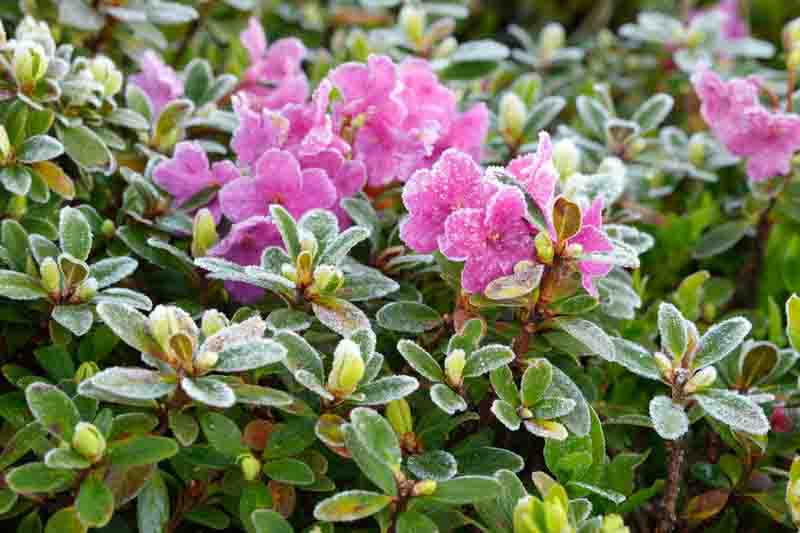


Think azaleas and rhododendrons are too delicate for a cold northern garden? Some of the most spectacular varieties are surprisingly tough, surviving bitter winters and returning with brilliant flowers in spring.
From exceptionally hardy Northern Lights azaleas to compact PJM evergreens and impressive Ironclad rhododendrons, there are beautiful choices for USDA Zones 3-5. Some withstand temperatures below -30°F (-34°C), although cold tolerance varies considerably between cultivars.
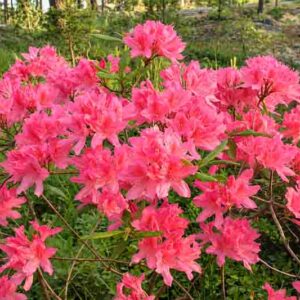
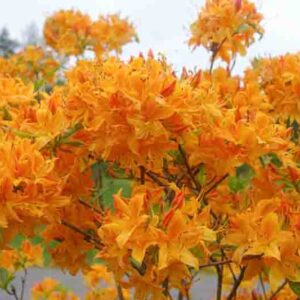
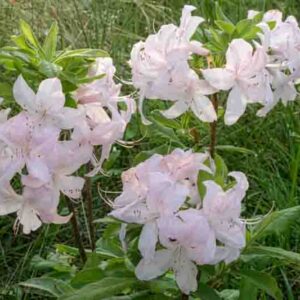
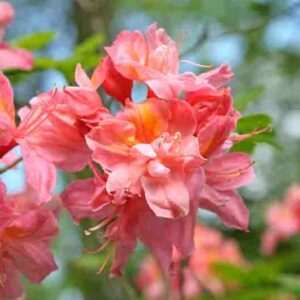
Gardenia’s collection highlights hardy azaleas and rhododendrons recognized for their ornamental appeal and proven garden performance, including American Rhododendron Society Rhododendron of the Year Award winners. Explore the detailed plant cards below, then use this guide to choose varieties suited to your winter temperatures, growing conditions, and garden space.
Cold-climate tip: A rhododendron may survive winter but lose its flower buds to severe cold or a late spring freeze. For dependable flowering, consider both shrub hardiness and flower-bud hardiness, not simply the USDA zone.
Three groups stand out for cold-climate gardens. Each offers a different combination of winter hardiness, flower color, foliage, and mature size.
| Group | Why choose it? | Considerations |
|---|---|---|
| Northern Lights Azaleas | Exceptional cold and flower-bud hardiness, with colorful spring flowers. | Deciduous, so they do not provide winter screening. |
| PJM Rhododendrons | Cold-hardy, relatively compact evergreens with attractive winter foliage. | Early blossoms can suffer spring frost damage. |
| Ironclad Rhododendrons | Robust large-leaved evergreens with magnificent flower trusses. | Many eventually become substantial shrubs. |
Here are Gardenia’s selections of exceptionally cold-hardy azaleas and rhododendrons, including varieties recognized for their outstanding garden performance.
Compare their USDA hardiness zones, mature size, flower color, bloom time, foliage, and sunlight requirements. Each detailed plant card helps you discover which varieties deserve a place in your garden.
| Hardiness |
3 - 5 |
|---|---|
| Heat Zones |
1 - 9 |
| Plant Type | Shrubs |
| Genus | Rhododendron |
| Exposure | Partial Sun |
| Season of Interest | Spring (Early, Mid, Late), Summer (Early), Fall, Winter |
| Maintenance | Low |
| Water Needs | Average |
| Soil Type | Clay, Loam, Sand |
| Soil pH | Acid |
| Soil Drainage | Moist but Well-Drained |
| Characteristics | Plant of Merit, Showy |
| Tolerances | Rabbit |
| Attracts | Butterflies, Hummingbirds |
| Landscaping Ideas | Beds And Borders, Hedges And Screens, Wall-Side Borders |
| Garden Styles | City and Courtyard, Informal and Cottage, Japanese Garden, Traditional Garden |





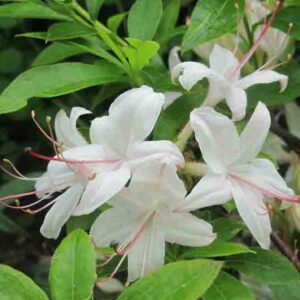
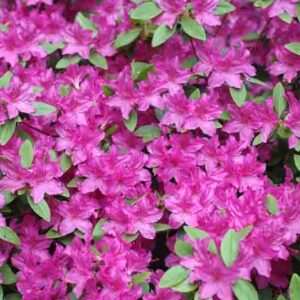
How to choose: Start with plants hardy in your USDA zone, then compare mature size, flowering season, and growing requirements. Save your favorites to a Gardenia collection so you can revisit them when planning your garden.
A rhododendron may survive winter with healthy stems and leaves yet produce few flowers because its buds were damaged.
The University of Minnesota reports flower-bud hardiness of approximately -45°F (-43°C) for ‘Rosy Lights’, an exceptional achievement. Other Northern Lights cultivars have their own documented cold limits.
Late spring frost presents another challenge. Once flower buds swell and begin opening, they become more vulnerable to freezing temperatures. A plant can be exceptionally winter-hardy but still lose its flowers to a sudden spring freeze.
For gardens where this happens regularly, consider bloom time as well as winter hardiness.
The hardiest plant is not necessarily the best one for your garden. A compact PJM may be ideal near a walkway, while a large Ironclad belongs in a spacious border. A Northern Lights azalea may be the better choice where exceptionally cold winters make reliable flowering difficult.
Gardenia’s five-point selection check helps you compare plants before buying:
Use Gardenia’s Plant Finder to narrow your choices by hardiness zone, sunlight, soil pH, drainage, and other growing requirements.
Then save your favorites and use the Garden Design Tool to check compatibility, mature size, seasonal interest, and planting quantities.
Even a correctly rated rhododendron may show winter injury. The symptoms often reveal what went wrong.
| What you notice | Possible explanation | What to check |
|---|---|---|
| Leaves curled and hanging down in freezing weather | Normal cold response in many large-leaved evergreens | Do leaves recover when temperatures rise? |
| Brown leaf edges or scorched exposed branches | Winter desiccation or cold injury | Winter wind, sun exposure, autumn moisture |
| Healthy foliage but no spring flowers | Damaged flower buds, late pruning, or inadequate bud formation | Bud condition, frost history, pruning date |
| Brown or brittle stems after winter | Possible stem injury | Whether living buds and new shoots appear in spring |
Many hardy evergreen rhododendrons naturally roll and droop their leaves as temperatures fall, a response known as thermonasty. The leaves usually return to their normal appearance when warmer weather returns.
This temporary curling is not the same as drought stress or permanent winter damage.
Winter cold can kill flower buds without destroying the shrub. A late spring freeze may also damage buds that have already begun developing.
Other causes include pruning after flower buds have formed, inadequate light, and summer drought. For a full diagnosis, see Gardenia’s Why Is My Rhododendron Not Blooming? guide.
Before pruning: Don’t assume a rhododendron is dead because its leaves have browned. Wait until spring growth reveals which branches are still alive before removing damaged wood.
Established shrubs that are properly hardy for their location often need little special protection. Newly planted azaleas, exposed evergreens, and container-grown plants deserve extra attention.
For detailed instructions on planting, watering, fertilizing, and mulching, see Gardenia’s Azalea and Rhododendron Growing Guide.
Selected Northern Lights deciduous azaleas, including ‘Rosy Lights’ and ‘White Lights’, are among the best choices for Zone 3. Check each cultivar’s documented hardiness and flower-bud tolerance before planting.
Selected PJM rhododendrons, including ‘PJM Elite’, are useful candidates for Zone 4 gardens. Their success also depends on winter exposure, drainage, and protection from late spring freezes.
Ironclads are among the classic cold-hardy large-leaved evergreen rhododendrons, but they are not necessarily the hardiest overall. Certain Northern Lights azaleas have exceptional flower-bud hardiness, while PJM hybrids offer compact evergreen alternatives.
Cold tolerance varies greatly by cultivar. Some hardy rhododendrons tolerate temperatures below -20°F (-29°C), while exceptionally hardy azaleas can withstand even lower temperatures. The cultivar’s USDA rating and flower-bud hardiness should be considered separately.
Flower buds may be damaged by severe winter temperatures or late spring frost while the shrub itself survives. Shade, late pruning, and drought during flower-bud formation can also reduce flowering.
Many large-leaved evergreen rhododendrons naturally curl and droop their leaves during freezing weather. This response, called thermonasty, is generally temporary, with leaves returning to normal when temperatures rise.
Established, appropriately hardy shrubs in sheltered gardens may need little extra protection. Young plants and exposed evergreens benefit from adequate autumn moisture, root-zone mulch, and protection from drying winds. Container-grown plants need additional root protection.
Cold winters need not prevent you from enjoying spectacular azaleas and rhododendrons. Start with proven hardy selections, compare their individual characteristics, and choose plants suited to your soil, exposure, and available space. With the right variety in the right place, even a northern garden can reward you with magnificent spring flowers year after year.
Updated and reviewed by Gardenia: October 2026
| Hardiness |
3 - 5 |
|---|---|
| Heat Zones |
1 - 9 |
| Plant Type | Shrubs |
| Genus | Rhododendron |
| Exposure | Partial Sun |
| Season of Interest | Spring (Early, Mid, Late), Summer (Early), Fall, Winter |
| Maintenance | Low |
| Water Needs | Average |
| Soil Type | Clay, Loam, Sand |
| Soil pH | Acid |
| Soil Drainage | Moist but Well-Drained |
| Characteristics | Plant of Merit, Showy |
| Tolerances | Rabbit |
| Attracts | Butterflies, Hummingbirds |
| Landscaping Ideas | Beds And Borders, Hedges And Screens, Wall-Side Borders |
| Garden Styles | City and Courtyard, Informal and Cottage, Japanese Garden, Traditional Garden |
Create a membership account to save your garden designs and to view them on any device.
Becoming a contributing member of Gardenia is easy and can be done in just a few minutes. If you provide us with your name, email address and the payment of a modest $25 annual membership fee, you will become a full member, enabling you to design and save up to 25 of your garden design ideas.
Join now and start creating your dream garden!