Growing poppies from seed is one of gardening’s easiest rewards: scatter tiny seeds, give them sun, keep soil well drained, and watch silky blooms appear. Learn when to sow annual and perennial poppies, how to avoid transplant shock, and how to encourage natural self-seeding for more flowers every year.


Few flowers deliver more beauty from such tiny seeds than poppies. Scatter them at the right time, give them sun and well-drained soil, and they can reward you with silky, tissue-paper blooms in scarlet, orange, pink, salmon, white, yellow, lavender, and soft watercolor blends. Better still, many poppies self-seed readily, turning one careful sowing into a recurring spring or early summer display.
The easiest way to grow poppies from seed is to sow them directly where they are meant to flower. Many poppies form a taproot and dislike root disturbance, especially annual types such as Papaver rhoeas, the Flanders poppy or corn poppy. Instead of raising them indoors and transplanting them later, prepare a sunny patch, sow thinly, and let cool weather do much of the work.
Fast answer: To grow poppies from seed, sow them thinly outdoors in a sunny, well-drained spot in fall or early spring, press or barely cover according to the seed packet, keep the soil lightly moist until germination, thin seedlings early, and let some seedpods ripen if you want more blooms next year.
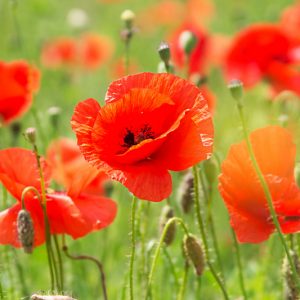
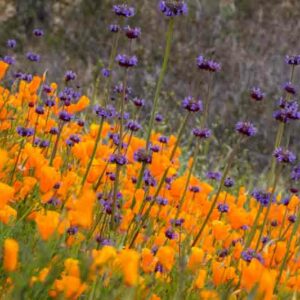
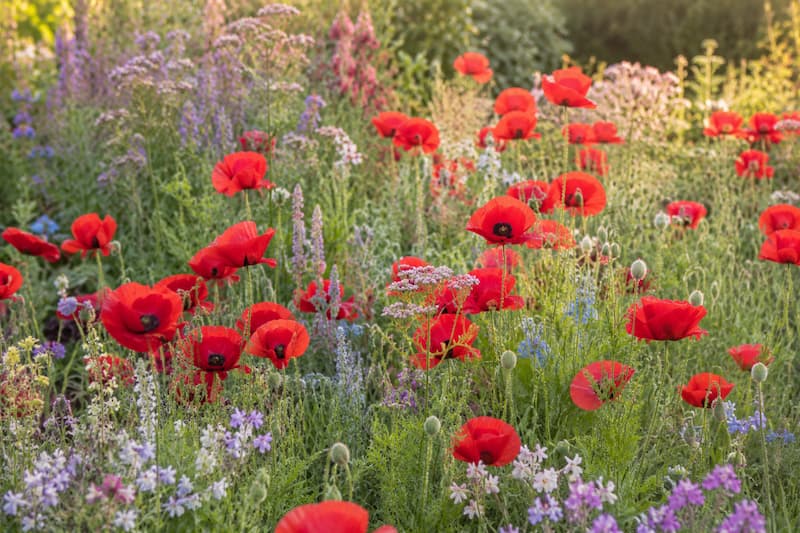
 Papaver rhoeas – Flanders Poppy or Corn Poppy
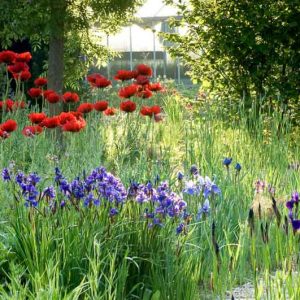
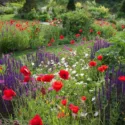
“Poppy” covers several beloved garden plants, and choosing the right one makes seed sowing much easier. Annual poppies are usually the fastest and most rewarding from seed. Papaver rhoeas, including corn poppies and Shirley poppies, is famous for naturalizing in sunny meadows, cottage gardens, and informal borders.
Papaver somniferum, often called opium poppy or breadseed poppy, is widely grown as an ornamental in many gardens for its bold flowers and decorative seedpods. However, rules around cultivation can vary by country, state, or region, so gardeners should check local regulations before planting it.
For cool-season color, Papaver nudicaule, the Iceland poppy, offers delicate blooms in sherbet shades and performs best where summers are not too hot and humid. For big perennial impact, Papaver orientale, the Oriental poppy, produces huge late spring to early summer flowers and returns for years once established.
Poppies germinate best in cool conditions. In cold-winter regions, sow annual poppies in early spring as soon as the soil can be worked, or sow in late fall after the soil has cooled so seeds wait until spring to germinate. In mild-winter climates, fall sowing is often the easiest route because seedlings establish during cool weather and bloom earlier.
Iceland poppies are also cool-season plants. They can be sown in fall, winter, or early spring, depending on climate. Oriental poppies can be started from seed, but they are slower and may not bloom the first year. For perennial poppies, spring or fall establishment is usually easier than midsummer planting.
| Poppy Type | Best Time to Sow | Best Use |
|---|---|---|
| Papaver rhoeas | Fall or early spring | Meadows, borders, self-seeding drifts |
| Papaver nudicaule | Fall, winter, or early spring in cool conditions | Cool-season color and cut flowers |
| Papaver orientale | Spring or fall | Long-lived perennial borders |
| Papaver somniferum | Fall or early spring, where legally permitted | Bold annual flowers and ornamental seedpods |
| Welsh poppy | Fall or early spring | Cool, lightly shaded gardens |
Timing tip: If summers are hot, do not wait until warm weather to sow poppies. Give them cool weeks to germinate, root, and grow before heat arrives.
Poppy seedlings are tiny, so the seedbed matters. Choose a site with full sun and soil that drains freely. Remove weeds, loosen the top inch or two of soil, and rake the surface into a fine, crumbly texture. Avoid burying seeds under clods, mulch, or heavy compost.
Poppies do not need rich soil. Too much fertilizer can encourage leafy growth at the expense of flowers. If your soil is very poor, mix in a little compost, but keep the texture open. Heavy clay should be improved with compost, grit, or fine gravel, or converted into a raised bed where drainage is better.
Poppy seeds are very small, which makes oversowing easy. To spread them more evenly, mix the seeds with dry sand, then scatter the mixture across the prepared soil. This simple trick helps prevent dense clumps and saves work later when seedlings need thinning.
After sowing, follow the packet instructions for that species. Some poppy seeds are surface-sown or pressed into the soil, while others are covered very lightly. The safest general rule is this: do not bury poppy seeds deeply. They need close contact with the soil, cool conditions, and steady surface moisture to germinate well.
Water gently with a fine spray so you do not wash the seeds into piles. Keep the seedbed lightly moist, not soggy, until seedlings appear. Germination can be uneven, especially with outdoor sowing, so be patient and avoid digging up the bed too soon.
Thinning feels ruthless, but it is one of the most important steps if you want strong poppy plants. Crowded seedlings compete for light, air, and water. They grow weak, stretch upward, and often produce fewer flowers.
When seedlings have their first true leaves, thin them gradually. Leave the strongest plants and remove extras by pinching or snipping at soil level. Annual poppies often do well spaced about 6-12 inches apart, depending on the variety. Larger Oriental poppies need much more room because mature clumps can spread widely.
Do not skip thinning: One well-spaced poppy usually gives a better display than five crowded seedlings fighting in the same patch.
Young poppies need consistent moisture while germinating and establishing. Once they are growing well, most annual poppies prefer moderate water and good drainage rather than constant wet soil. Field poppies and many meadow poppies tolerate short dry spells once established, while Iceland poppies appreciate more even moisture in cool weather.
Water at soil level when possible, especially in humid climates. Wet foliage, crowded plants, and still air can encourage disease. Feeding should be light. In average garden soil, poppies often need little fertilizer. If growth is pale and weak, use a mild balanced feed, but avoid heavy nitrogen.
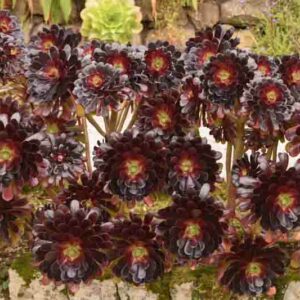
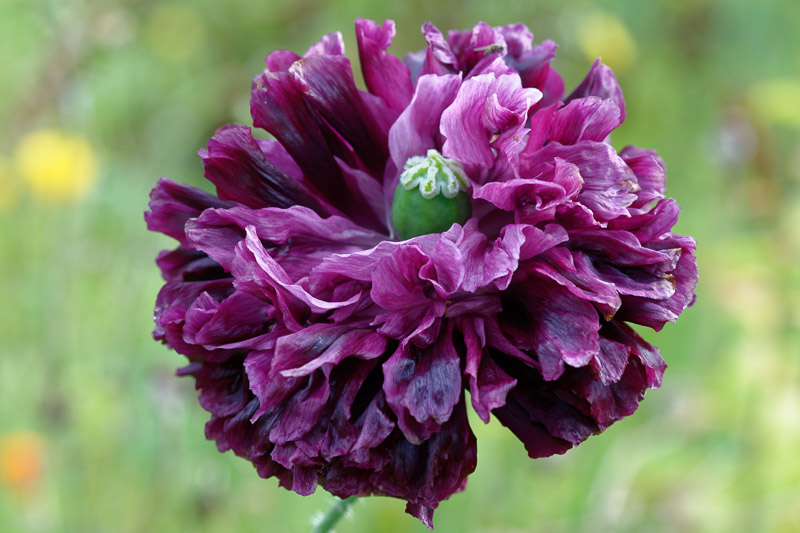 Papaver somniferum (Paeoniiflorum Group) ‘Schwarzer Drachen’ (Opium Poppy)
For most annual poppies, direct sowing is easier and more reliable than starting indoors. Seedlings have delicate roots and dislike transplant shock. If you must start them under cover, use deep cells or biodegradable pots, sow lightly, and transplant very young seedlings before roots become tangled.
Iceland poppies are more commonly started in trays by cut-flower growers, but they still need gentle handling, cool conditions, and careful transplanting. For home gardeners, direct sowing remains the simplest method for corn poppies, Shirley poppies, and many meadow-style mixes.
For more poppy flowers, start with timing. Fall or early spring sowing usually produces stronger plants than late spring sowing. Next, thin properly. Then keep young plants watered until established and avoid overfeeding.
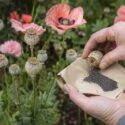
Deadheading can extend bloom on some types by preventing seed production, especially with Iceland poppies. However, if you want poppies to self-seed, leave some seedpods to ripen. Once the pods turn dry and begin to rattle, seeds are mature. You can shake them where you want future plants or collect them for sowing later.
If you collect seed from named cultivars, especially hybrids or selected forms, remember that seedlings may not come true to the parent. They may vary in color, height, flower form, or vigor. That variation can be part of the fun in informal gardens, but gardeners who want exact repeats should buy fresh seed or plants of the named variety.
The biggest mistake is sowing too late. Poppies are not heat-loving summer bedding plants. Many need cool weather to establish before blooming. Another common mistake is burying seeds too deeply. Tiny seeds rarely push through a thick layer of soil.
Overwatering is another problem. Poppies like moisture when young, but soggy soil can rot seedlings and mature plants. Finally, do not try to move established annual poppies. They may survive, but they rarely thank you for it. Sow them where you want them, then thin instead of transplanting.
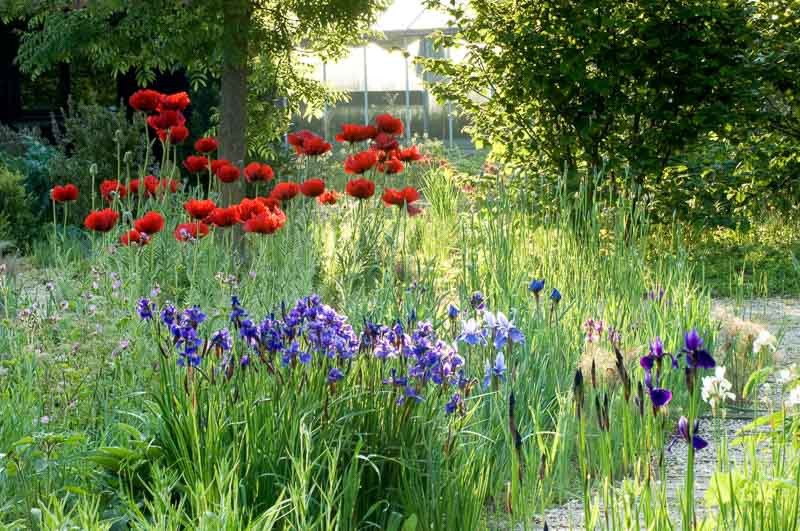
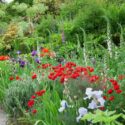
The best poppy companions enjoy similar conditions: full sun, well-drained soil, and average to moderate moisture. For annual poppies, choose airy, self-sowing cottage garden plants that do not smother seedlings. For Oriental poppies, choose perennials, bulbs, and biennials that extend the season, add structure, and help fill the gap when poppy foliage fades after flowering.
| Companion Plant | Why It Works |
|---|---|
| Centaurea cyanus | A cool-season annual for sunny, well-drained meadow-style plantings with corn poppies. |
| Nigella damascena | Love-in-a-mist adds ferny texture, self-seeds, and enjoys cool conditions and well-drained soil. |
| Consolida ajacis | Annual larkspur gives vertical height beside low, drifting poppy flowers in sunny borders. |
| Ammi majus | Its white umbels soften bold poppy colors and suit sunny, open, well-drained beds. |
| Calendula officinalis | A cheerful cool-season annual that echoes poppy colors and handles average garden soil. |
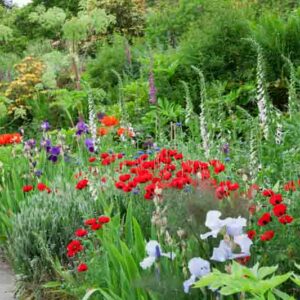
| Iris germanica | Bearded iris loves sun and well-drained soil, blooms around the same late spring season as Oriental poppies, and its sword-like foliage adds structure after poppy flowers fade. |
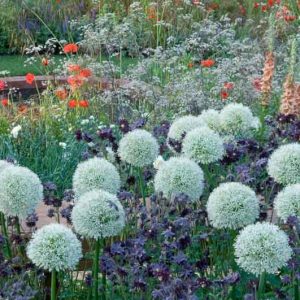
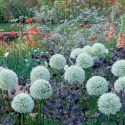
| Allium | Ornamental onions thrive in sunny, well-drained borders and add rounded flower heads that contrast beautifully with the soft, papery petals of poppies. |
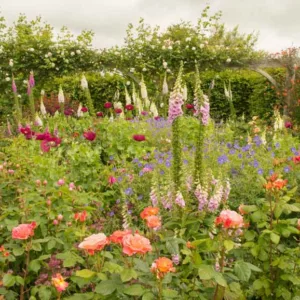
| Digitalis purpurea | Foxglove brings tall cottage-garden spires that rise elegantly behind poppies; it is best with poppies in cooler borders where soil stays evenly moist but not wet. |
| Nepeta | Catmint enjoys full sun and dry to medium, well-drained soil, creating a soft blue-purple haze that hides fading poppy foliage and attracts pollinators. |
| Gladiolus communis subsp. byzantinus | Byzantine gladiolus adds vivid magenta spikes in late spring to early summer, pairing well with poppies in sunny, well-drained Mediterranean-style borders. |
| Salvia nemorosa ‘Caradonna’ | A strong perennial partner for Oriental poppies, filling space with purple spikes after poppy bloom. |
Growing poppies from seed is less about fuss and more about timing. Sow in cool weather, choose a sunny site, prepare a clean seedbed, avoid deep planting, and thin seedlings before they crowd each other. Once established, poppies ask for little, yet they can bring an unforgettable sweep of color to cottage gardens, meadows, borders, gravel gardens, and cutting patches.
For more inspiration, explore Gardenia’s Papaver poppy guide, discover types of poppies to grow, and compare favorites such as Oriental poppies, Iceland poppies, and Flanders poppies.
Yes. Many poppies are easy to grow from seed when sown directly outdoors in cool weather. Choose a sunny, well-drained site, sow thinly, keep the soil lightly moist until germination, and thin seedlings early for stronger plants and more flowers.
Sow poppy seeds in fall, late winter, or early spring, depending on your climate and the type of poppy. In cold-winter areas, early spring sowing works well as soon as soil can be worked. In mild-winter areas, fall sowing often gives earlier, stronger blooms.
It depends on the species and seed packet instructions. Many poppy seeds are surface-sown or barely covered, while some types are covered very lightly. Do not bury poppy seeds deeply, because tiny seedlings may fail to emerge.
You can start some poppies indoors, especially Iceland poppies, but direct sowing is usually easier for annual poppies. Many poppies have delicate taproots and dislike transplanting. If starting indoors, use deep cells or biodegradable pots and transplant seedlings while they are very young.
Some poppies are perennial and return from the same plant, including Oriental poppies. Annual poppies live for one season but often self-seed, so they may reappear year after year if seedpods are allowed to ripen and drop seed.
Poppy seeds may fail to germinate if they are sown too deeply, planted in hot weather, washed away by heavy watering, buried under mulch, or crowded by weeds. Old seed, soggy soil, or very dry soil during germination can also reduce success.
Deadhead poppies if you want a tidier garden or, in some types, a longer bloom period. Leave some seedpods if you want plants to self-seed or if you want to collect seed for future sowing.
Many annual poppies self-seed readily if some seedpods are allowed to ripen and drop seed. To manage self-seeding, remove unwanted seedlings early or deadhead before seedpods mature.
Updated: July 2026 • Reviewed by Gardenia Editors
| Hardiness |
2 - 11 |
|---|---|
| Plant Type | Annuals, Perennials |
| Plant Family | Papaveraceae |
| Genus | Papaver |
| Hardiness |
2 - 11 |
|---|---|
| Plant Type | Annuals, Perennials |
| Plant Family | Papaveraceae |
| Genus | Papaver |
Create a membership account to save your garden designs and to view them on any device.
Becoming a contributing member of Gardenia is easy and can be done in just a few minutes. If you provide us with your name, email address and the payment of a modest $25 annual membership fee, you will become a full member, enabling you to design and save up to 25 of your garden design ideas.
Join now and start creating your dream garden!
Create a membership account to save your garden designs and to view them on any device.
Becoming a contributing member of Gardenia is easy and can be done in just a few minutes. If you provide us with your name, email address and the payment of a modest $25 annual membership fee, you will become a full member, enabling you to design and save up to 25 of your garden design ideas.
Join now and start creating your dream garden!

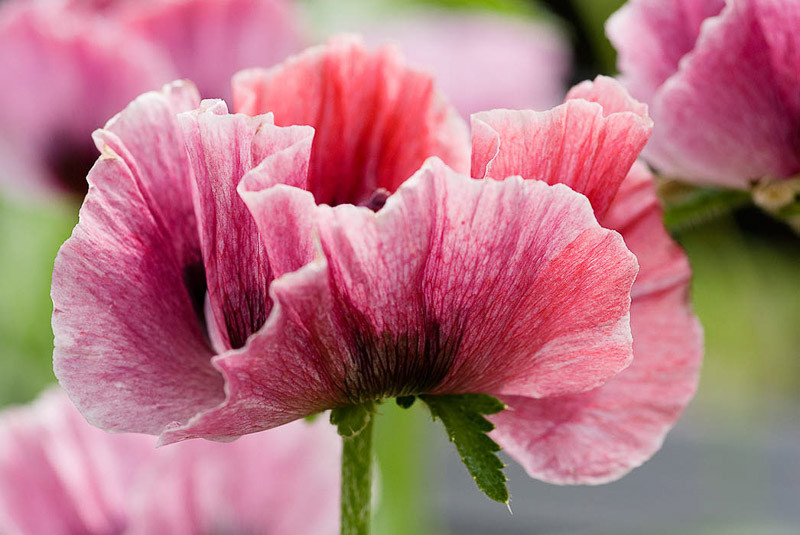 Papaver orientale ‘Tiffany’