Create Your Garden

45 Rabbit-Resistant Plants

Prevent Rabbits from Eating your Plants and Flowers
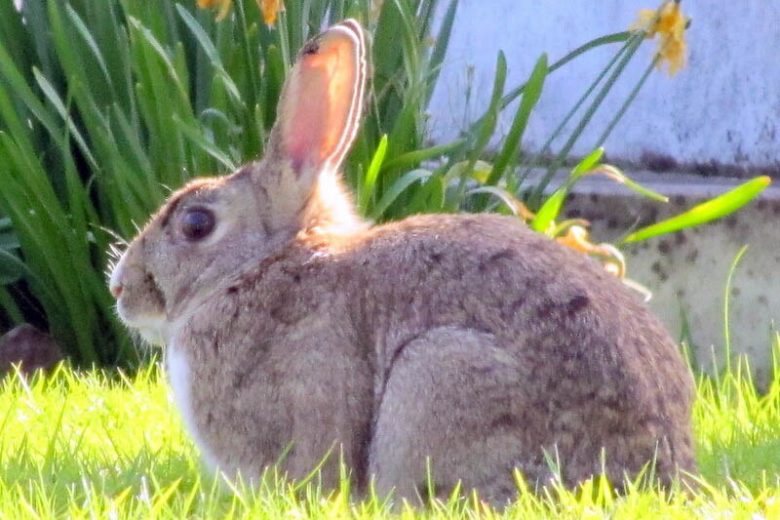
Rabbits,  get rid of Rabbits, Keep Rabbits Away, Deter Rabbits, Repel Rabbits

What Are Rabbits?

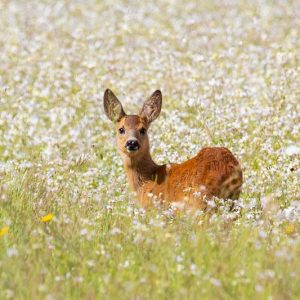
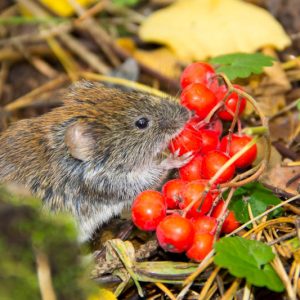
Rabbits are small herbivorous mammals in the family Leporidae, recognized by their long ears, powerful hind legs, soft fur, and hopping gait. Wild rabbits occur across much of the world and feed mainly on grasses, herbs, tender shoots, vegetables, bark, and other plant material.

Rabbits reproduce quickly. Depending on the species and climate, females may produce several litters in a year after a gestation of roughly one month. Young rabbits, called kits, are born blind and nearly hairless but develop rapidly.

In natural ecosystems, rabbits are an important prey species for foxes, coyotes, hawks, owls, and other predators. In gardens, however, their appetite for tender vegetation can make them frustrating visitors.

What Attracts Rabbits to Your Garden?

Rabbits are most likely to visit gardens that offer a combination of food and protective cover. Common attractions include:

  • Tender plants and vegetables: Young shoots, seedlings, flowers, leafy vegetables, and other succulent growth are especially vulnerable.
  • Dense cover: Brush piles, tall weeds, dense shrubs, and vegetation close to the ground can provide places to hide, rest, or nest.
  • Easy access: Openings under fences or unprotected beds make it easier for rabbits to reach desirable plants.
  • Few disturbances: Quiet gardens with plenty of cover may feel safer than exposed areas where rabbits are easily seen by predators.
  • Winter food: When herbaceous plants are scarce, rabbits may gnaw the bark, buds, and young stems of shrubs and trees.

Rabbit pressure varies greatly from one garden to another. A plant ignored one year may be eaten the next if rabbit numbers increase or alternative food becomes scarce.

Rabbit-Resistant Plants

Rabbits can cause considerable damage in vegetable gardens, borders, and young landscape plantings. They may clip tender stems and flowers during the growing season and gnaw bark or young woody shoots during winter.

Some plants are less appealing to rabbits because they have strongly aromatic foliage, prickles or spines, tough or leathery leaves, milky sap, or compounds that make them less palatable. However, no plant is completely rabbit-proof, and hungry rabbits may browse plants they normally avoid. 

The annuals, perennials, bulbs, grasses, shrubs, and other plants below are generally considered rabbit resistant and can be useful when designing a garden where rabbit damage is a recurring problem.

Gardenia tip: Think in terms of rabbit resistance, not rabbit proofing. Plant choice can reduce browsing, but fencing and removing nearby hiding cover are more reliable when rabbit pressure is high.
Planning a rabbit-resistant garden? Find plants suited to your climate, light, soil, and moisture conditions, then check compatibility, mature size, seasonal interest, and quantities.


Guide Information

Tolerances Rabbit

Annual Flowers that Repel Rabbits

Ageratum houstonianum (Floss Flower)
Cleome hassleriana (Spider Flower)
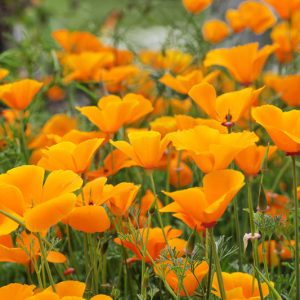
Eschscholzia californica (California Poppy)
Euphorbia marginata (Snow On The Mountain)
Mirabilis jalapa (Marvel of Peru)
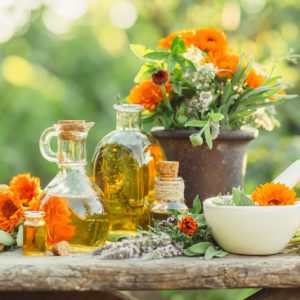
Calendula (Pot Marigold)

Flower Bulbs that Repel Rabbits

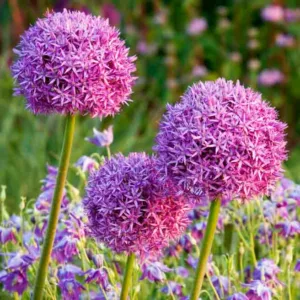
Allium giganteum (Ornamental Onion)
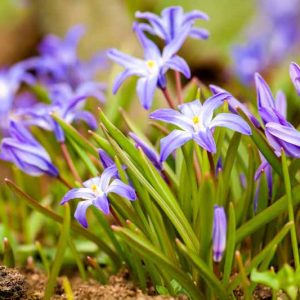
Chionodoxa (Glory Of The Snow)
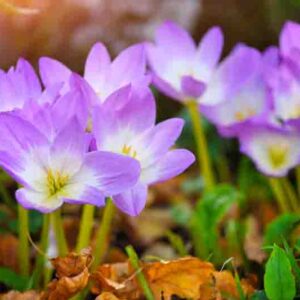
Colchicum (Autumn Crocus)
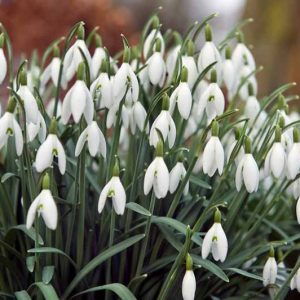
Galanthus (Snowdrop)
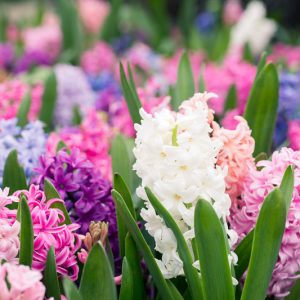
Hyacinthus orientalis (Dutch Hyacinth)
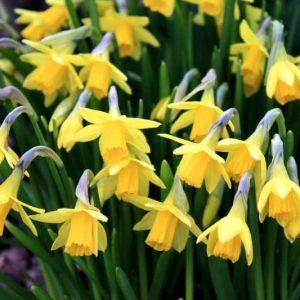
Narcissi (Daffodils)

Perennials that Repel Rabbits

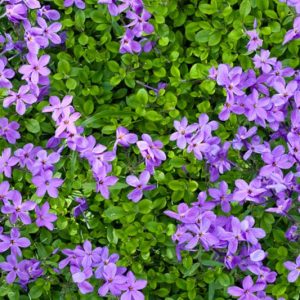
Phlox stolonifera (Creeping Phlox)
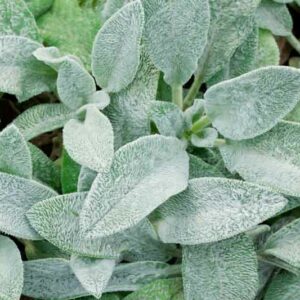
Stachys byzantina (Lamb’s Ear)
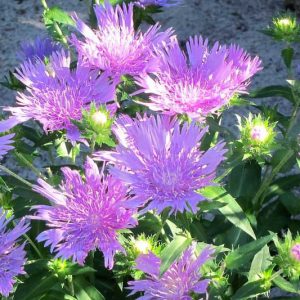
Stokesia laevis (Stokes Aster)
Thalictrum rochebrunianum (Meadow Rue)
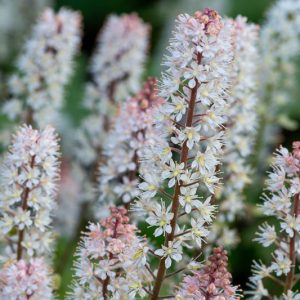
Tiarella cordifolia (Foam Flower)
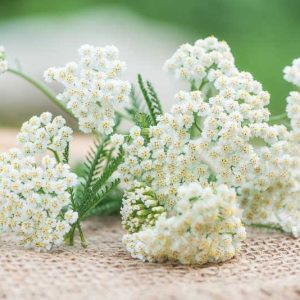
Achillea (Yarrow)
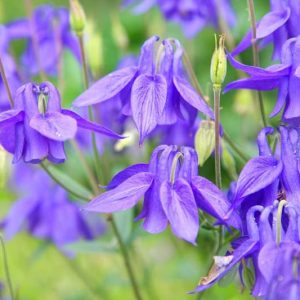
Aquilegia (Columbine)
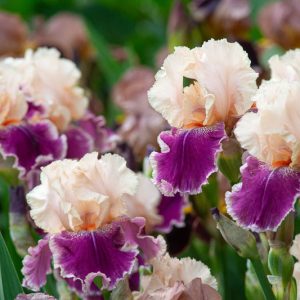
Iris germanica (Bearded Iris)
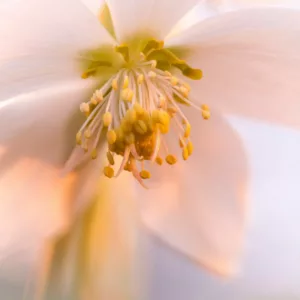
Helleborus (Hellebore)
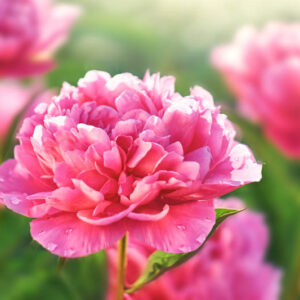
Paeonia (Peonies)
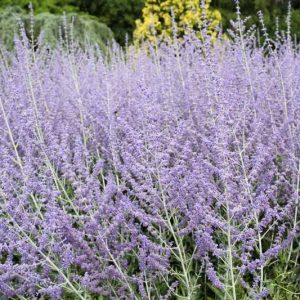
Salvia yangii (Russian Sage)
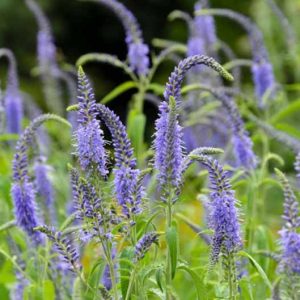
Veronica longifolia (Longleaf Speedwell)

Shrubs that Repel Rabbits

Aesculus parviflora (Bottlebrush Buckeye)
Cornus alba (Tatarian Dogwood)
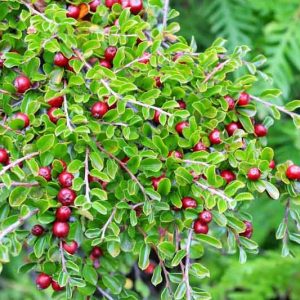
Cotoneaster adpressus (Creeping Cotoneaster)
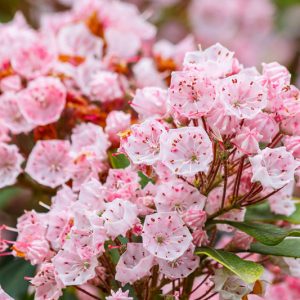
Kalmia latifolia (Mountain Laurel)
Potentilla fruticosa (Shrubby Cinquefoil)
Rhus aromatica (Fragrant Sumac)
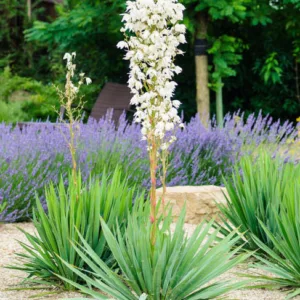
Yucca filamentosa (Adam’s Needle)
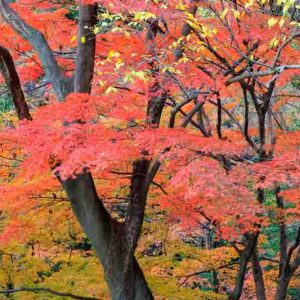
Acer palmatum (Japanese Maple)
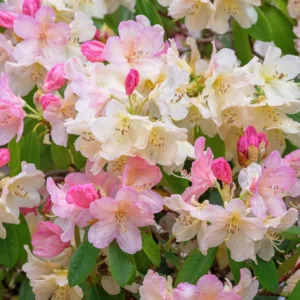
Azalea and Rhododendron
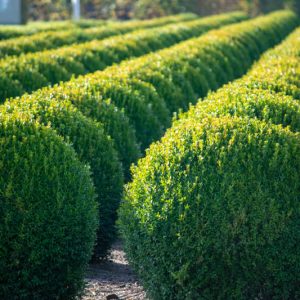
Buxus (Boxwood)

Vegetables and Herbs that Repel Rabbits

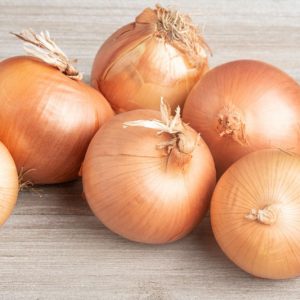
Allium cepa (Onion)
Artemisia dracunculus (Tarragon)
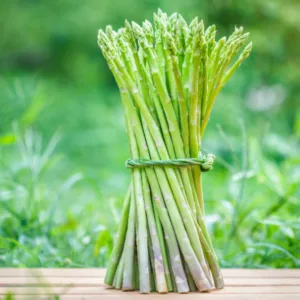
Asparagus officinalis (Asparagus)
Cucurbita pepo – Zucchini
Mentha spicata (Spearmint)
Mentha x piperita (Peppermint)
Origanum majorana (Sweet Marjoram)
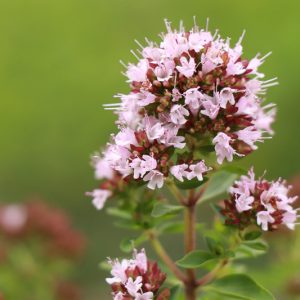
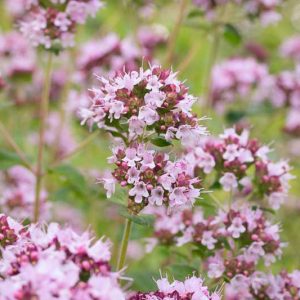
Origanum vulgare (Oregano)
Rheum rhabarbarum (Rhubarb)
Satureja hortensis (Summer Savory)
Solanum lycopersicum (Tomato)
Solanum tuberosum (Potato)

Discover These Helpful Guides for Further Reading

18 Best Plants That Repel Mosquitoes
30 Best Deer-Resistant Flowers and Plants for Your Garden
18 Plants That Voles Will Avoid
While every effort has been made to describe these plants accurately, please keep in mind that height, bloom time, and color may differ in various climates. The description of these plants has been written based on numerous outside resources.

Guide Information

Tolerances Rabbit

Related Items

Please Login to Proceed

You Have Reached The Free Limit, Please Subscribe to Proceed

Subscribe to Gardenia

To create additional collections, you must be a paid member of Gardenia
  • Add as many plants as you wish
  • Create and save up to 25 garden collections
Become a Member

Plant Added Successfully

Your garden is taking shape. Unlock full planning.

You’ve reached the free limit. Upgrade for $25/year to add as many plants as you wish and save up to 25 garden collections. Unlock Annual Membership

Update Your Credit
Card Information

Cancel

Create a New Collection

Sign Up to Our Newsletter

    You have been subscribed successfully

    Join Gardenia.net

    Create a membership account to save your garden designs and to view them on any device.

    Becoming a contributing member of Gardenia is easy and can be done in just a few minutes. If you provide us with your name, email address and the payment of a modest $25 annual membership fee, you will become a full member, enabling you to design and save up to 25 of your garden design ideas.

    Join now and start creating your dream garden!

    Find your Hardiness Zone

    Find your Heat Zone

    Find your Climate Zone