Should you plant poppy seeds in fall or spring? The answer depends on your climate, poppy type, and soil conditions. This guide explains when fall sowing gives earlier blooms, when spring sowing is safer, and how to time annual, biennial, and perennial poppies for a colorful, self-seeding garden.
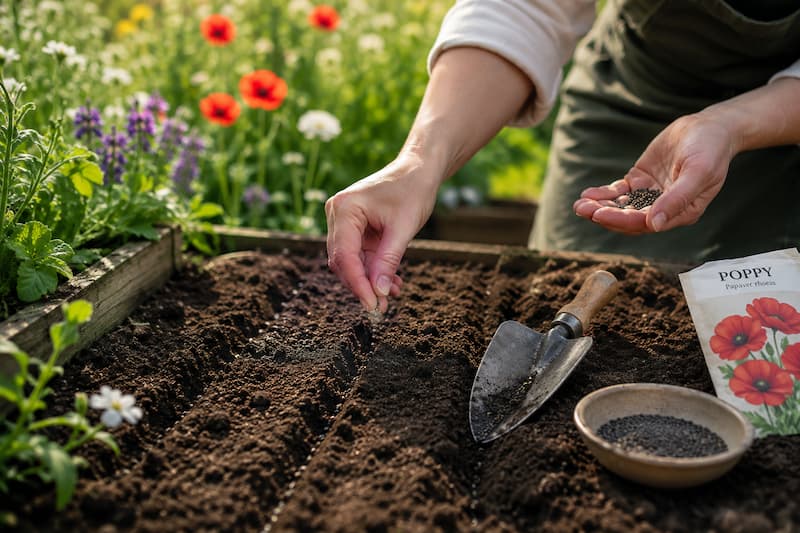


Timing is the secret to growing poppies from seed. These beautiful flowers look delicate, but many are cool-season opportunists. Give them the right window – fall, late winter, or early spring – and they can reward you with clouds of silky, papery flowers just when the garden needs color most.
The big question is simple: should you plant poppy seeds in fall or spring? In many gardens, both can work. Fall sowing often produces earlier, stronger plants because seeds experience natural winter chilling and germinate as conditions improve. Spring sowing is usually safer in very cold, wet, or unpredictable climates, especially if winter storms, saturated soil, or hungry birds regularly disturb seedbeds.
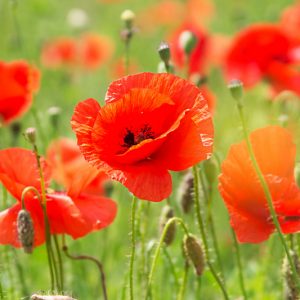
For the best results, match your sowing time to your climate and poppy type. Annual poppies such as Papaver rhoeas, the Flanders poppy or corn poppy, are ideal for direct sowing. Cool-season favorites such as Papaver nudicaule, the Iceland poppy, need cool conditions to perform well. Perennial Papaver orientale, the Oriental poppy, can be started from seed but is slower and may not bloom the first year.
Fast answer: Plant poppy seeds in fall if winters are mild or the soil drains well. Plant in early spring if winters are severe, wet, or unstable. In both cases, sow directly in a sunny spot, avoid burying seed deeply, keep the seedbed lightly moist, and thin seedlings early.
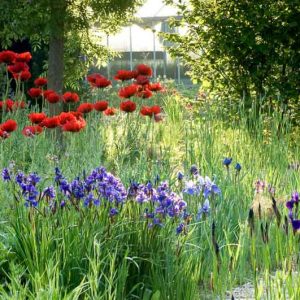
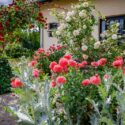
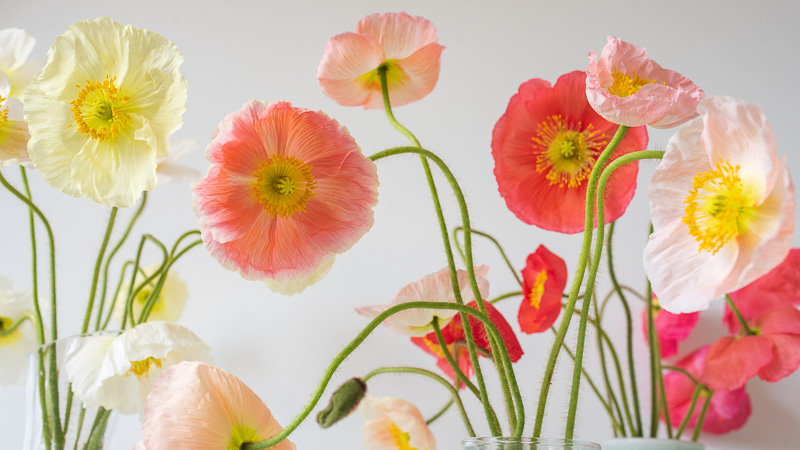 Papaver nudicaule – Iceland Poppy
Poppies are not typical warm-season bedding plants. Many germinate and grow best when temperatures are cool. If they are sown too late in spring, seedlings may face heat before they have formed strong roots. The result is often weak growth, short stems, fewer flowers, or complete germination failure.
Another reason timing matters is root disturbance. Many poppies form deep or delicate root systems and dislike being moved. This is why direct sowing is usually better than starting seeds indoors, especially for annual poppies such as Papaver rhoeas and Papaver somniferum. If you sow at the right time outdoors, seedlings can establish naturally without transplant shock.
Papaver somniferum, often called breadseed poppy or opium poppy, is widely grown ornamentally in many regions for its flowers and seedpods. However, legality varies by jurisdiction, especially around cultivation intent and use, so gardeners should check local rules before planting it.
| Poppy Type | Fall Sowing | Spring Sowing | Best For |
|---|---|---|---|
| Papaver rhoeas (Flanders Poppy) | Excellent in mild or well-drained climates | Excellent as soon as soil can be worked | Meadows, borders, naturalizing |
| Papaver nudicaule (Iceland Poppy) | Best in mild climates or protected cool gardens | Good in cool regions | Cool-season color and cut flowers |
| Papaver orientale (Oriental Poppy) | Good for establishment before winter | Good, but seedlings may not bloom first year | Long-lived perennial borders |
| Papaver somniferum (Opium Poppy) | Often very effective where legally permitted | Good in cool early spring | Bold annual flowers and ornamental pods |
| Papaver cambricum (Welsh Poppy) | Good in cool, lightly shaded gardens | Good in cool climates | Woodland edges and informal gardens |
Fall sowing imitates what poppies do naturally. Many annual poppies drop seed after flowering. The seed rests through cold weather, then germinates when moisture, light, and temperature are favorable. This is why poppies often appear in unexpected places after winter, especially in open soil where weeds have not taken over.
Fall sowing is especially useful in mild-winter climates. Seeds can settle into the soil, receive natural chilling, and begin growing during the cool season. By spring, the plants are already established and ready to flower earlier than spring-sown seedlings.
In cold climates, fall sowing can still work, but timing matters. Sow after the soil has cooled, often after a hard frost, so seeds do not germinate too early before severe winter weather. The goal is dormant sowing, not producing tender seedlings that are then damaged by repeated freeze-thaw cycles.
Spring sowing is the safer option when winters are extremely wet, unpredictable, or harsh. If your garden soil turns to mud for months, seed may rot or wash away. If birds scratch up open beds, or if winter storms repeatedly disturb the surface, spring sowing gives you more control.
The key is to sow early. Do not wait for warm, settled weather. For many annual poppies, sow as soon as the soil can be worked. The soil should be crumbly enough to rake, not frozen solid or sticky with water. Early spring sowing gives poppies the cool conditions they need before summer heat arrives.
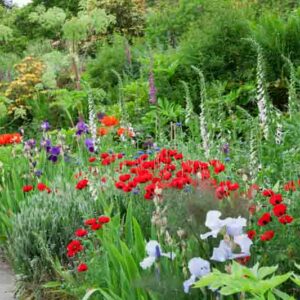
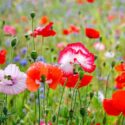
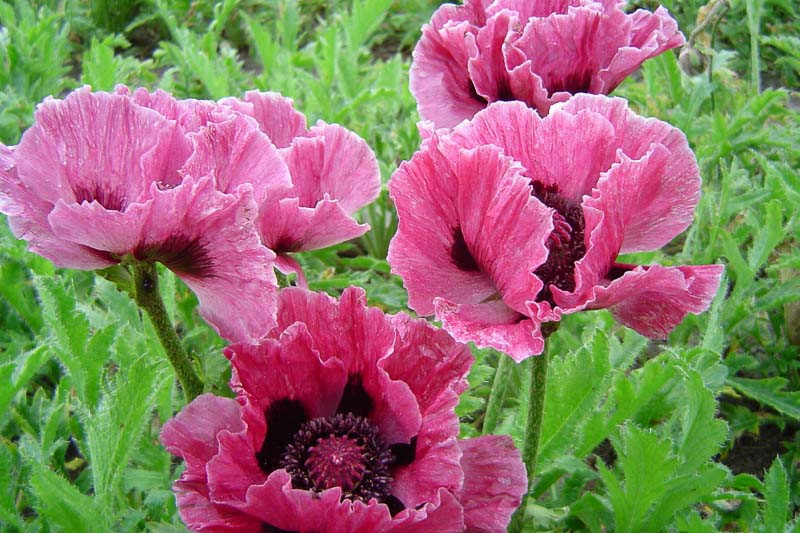 Papaver orientale ‘Bolero’ – Oriental Poppy
In mild and moderate climates, fall-sown poppies often bloom earlier and may produce stronger plants. They have more time to establish roots before flowering. This can make a real difference for annual poppies, which need to grow, bloom, set seed, and finish within one season.
Spring-sown poppies can still be excellent, especially when sown early. The problem is late spring sowing. If seeds are planted after the weather is already warming quickly, plants may rush, stay small, or fail to bloom well. In hot climates, late spring sowing is usually the weakest choice.
Simple rule: Fall sow for earlier flowers where winters are suitable. Spring sow for safety where winter soil is too wet, too unstable, or too severe. Never wait until heat arrives.
Whether you sow in fall or spring, the seedbed should be clean, open, and lightly raked. Poppy seedlings are tiny and do not compete well with established weeds. Remove weeds first, loosen the top layer of soil, and rake the surface until it is fine and crumbly.
Avoid rich, heavy amendments. Poppies generally prefer average, well-drained soil over lush, wet, high-nitrogen conditions. If your soil is heavy clay, improve drainage before sowing or plant in a raised bed. If your soil is very poor, a thin layer of compost can help, but do not create a soft, soggy seedbed.
For fall sowing, wait until the soil has cooled. In mild climates, this may be late fall. In colder regions, sow after a hard frost if you want seeds to remain dormant until spring. Scatter seed thinly over the prepared soil. Because poppy seeds are small, mixing them with dry sand makes it easier to distribute them evenly.
Follow the seed packet for depth. Some poppies need light or only surface contact, while others are lightly covered. Do not bury seeds deeply. After sowing, press the soil gently with your hand or the back of a rake to improve seed-to-soil contact. Water lightly if the soil is dry.
For spring sowing, start as early as possible. The phrase “as soon as the soil can be worked” means the soil is no longer frozen or waterlogged and can be raked into a workable surface. If soil sticks heavily to your tools, wait until it dries slightly.
Scatter seed thinly, press or cover lightly according to the packet, and water with a gentle spray. Keep the seedbed evenly moist until seedlings emerge. Once seedlings have their first true leaves, thin them to prevent crowding. Thinning is one of the simplest ways to get stronger plants and more flowers.
Dense poppy seedlings may look promising at first, but overcrowding leads to weak plants, poor airflow, and fewer blooms. Snip or pinch out extras instead of pulling if roots are close together. One well-spaced poppy is usually better than five crowded seedlings.
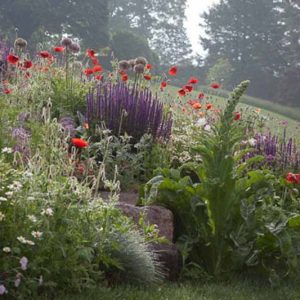
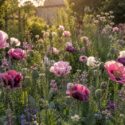
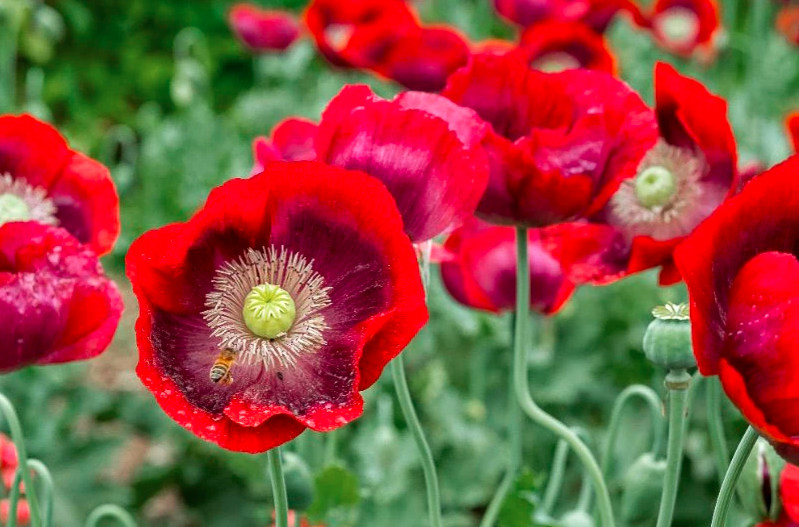 Papaver somniferum ‘Cherry Glow’ – Opium Poppy
Winter sowing in containers can work for some gardeners, especially where open ground is frozen or hard to manage. Use a deep container with drainage holes, fill it with a free-draining seed mix, sow thinly, and leave it outdoors where seeds experience natural cold. The container should stay moist but never waterlogged.
This method is most useful for gardeners who want some control while still giving seeds cool outdoor conditions. However, transplanting can still be tricky because poppies dislike root disturbance. Move seedlings while very young, handle root balls gently, and avoid letting them become crowded or root-bound.
Climate matters more than the calendar. A “fall sowing” in a mild coastal garden may happen weeks later than a fall sowing in a cold inland garden. A “spring sowing” in a warm region may need to happen in late winter, while a northern garden may not be ready until snow melts.
| Climate | Best Timing | Notes |
|---|---|---|
| Mild winter | Fall to winter | Often gives the earliest and strongest blooms. |
| Cold winter | Late fall dormant sowing or early spring | Sow after soil cools in fall, or as soon as workable in spring. |
| Wet winter | Early spring | Better if fall seedbeds wash out or stay saturated. |
| Hot summer | Fall, winter, or very early spring | Avoid late spring sowing because heat reduces performance. |
Many annual poppies are excellent self-seeders. If you leave some seedpods to ripen, the plant will often sow itself at the right season. This is why poppies can return year after year in gravel gardens, meadow plantings, cottage borders, and disturbed soil.
To encourage self-seeding, leave a few pods until they turn dry and begin to rattle. Then let them release seed naturally, or shake seed where you want future plants. To control self-seeding, remove pods before they mature and pull unwanted seedlings while they are small.
For more inspiration, explore Gardenia’s Papaver poppy guide, compare varieties with Compare All Papaver Plants, browse types of poppies to discover, and explore poppy flower history and garden uses.
For garden design ideas, see Garden Ideas with Poppies, or use the Gardenia Garden Design Tool to plan a spring border, meadow planting, or cottage garden display.
Fall and spring can both be good times to plant poppy seeds, but the best choice depends on your climate. Fall sowing is often best for early blooms in mild or well-drained gardens. Spring sowing is safer where winters are severe, wet, or unpredictable. Either way, sow early, sow thinly, avoid deep planting, and give seedlings room to grow.
If you remember one thing, make it this: poppies want a cool start. Plant them before heat arrives, and they will have a much better chance of becoming the effortless, self-seeding, flower-filled display gardeners dream about.
Fall is often better in mild or well-drained climates because poppy seeds receive natural winter chilling and can bloom earlier. Spring is better where winters are very wet, severe, or unstable. In spring, sow as early as possible while conditions are still cool.
Yes, in some climates. Winter sowing can work if seeds are outdoors in cool conditions and the soil or container drains well. In cold climates, dormant sowing after the soil has cooled can allow seeds to wait until spring to germinate.
Plant poppy seeds as soon as the soil can be worked. The soil should not be frozen or waterlogged, but it should still be cool. Waiting until warm late-spring weather often gives weaker results.
Fall-planted poppy seeds often survive winter if they are sown after the soil cools and the site drains well. Problems are more likely when seeds germinate too early, soil stays waterlogged, or seedbeds wash out during storms.
Many poppies benefit from cool conditions, and some germinate better after natural winter exposure. However, requirements vary by species and seed source. The safest approach is to sow in fall, winter, or early spring and follow the packet instructions for that poppy type.
Follow the seed packet because depth varies by poppy type. Some poppy seeds are surface-sown, while others are covered very lightly. In general, do not bury poppy seeds deeply because tiny seedlings may fail to emerge.
Late-sown poppies may germinate poorly, stay small, bloom weakly, or fail as heat arrives. Most poppies perform best when they have cool weeks to germinate, root, and grow before flowering.
Updated: July 2026 • Reviewed by Gardenia Editors
| Hardiness |
2 - 11 |
|---|---|
| Plant Type | Annuals, Perennials |
| Plant Family | Papaveraceae |
| Genus | Papaver |
| Hardiness |
2 - 11 |
|---|---|
| Plant Type | Annuals, Perennials |
| Plant Family | Papaveraceae |
| Genus | Papaver |
Create a membership account to save your garden designs and to view them on any device.
Becoming a contributing member of Gardenia is easy and can be done in just a few minutes. If you provide us with your name, email address and the payment of a modest $25 annual membership fee, you will become a full member, enabling you to design and save up to 25 of your garden design ideas.
Join now and start creating your dream garden!
Create a membership account to save your garden designs and to view them on any device.
Becoming a contributing member of Gardenia is easy and can be done in just a few minutes. If you provide us with your name, email address and the payment of a modest $25 annual membership fee, you will become a full member, enabling you to design and save up to 25 of your garden design ideas.
Join now and start creating your dream garden!