Planting grapes is a long game, but a rewarding one. Most grapevines produce their first real crop in about three years, not overnight. This article explains the full fruiting timeline, what speeds it up, what delays it, and how to grow stronger vines with better long-term harvest potential.
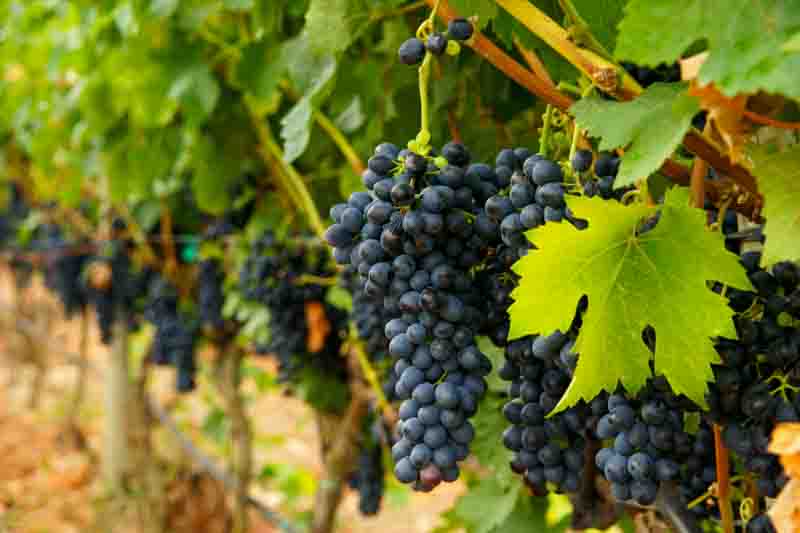


If you are wondering how long grapevines take to produce fruit, the most practical answer is this: most home grapevines produce their first meaningful crop around the third year after planting. That is a realistic expectation for a healthy vine growing in full sun, matched to the local climate, trained correctly, and pruned every dormant season. Some vines may produce a few clusters earlier, while full production usually takes longer.
That distinction matters more than many beginners realize. There is a real difference between a grapevine producing a few early grapes, producing its first worthwhile harvest, and reaching full production. Many new growers see one or two clusters and assume the vine is fully productive. In reality, the first years are mainly about building the framework that makes future harvests possible – roots, trunk, permanent arms or canes, and healthy fruiting wood.
A grapevine is a long-term fruiting plant, not a quick seasonal crop. Gardeners who respect the establishment phase usually end up with healthier vines, better fruit quality, and more dependable harvests over the long run.
Jump to: Grapevine Fruiting Timeline | First Fruit vs Full Production | What Affects How Fast Grapes Fruit | Year-by-Year Expectations | Should You Remove Flowers on Young Vines? | Why Grapevines Have Leaves but No Fruit | What If There Are No Grapes After Year 4? | How to Help Grapevines Fruit Sooner | Seedless, Table, Wine, and Muscadine Timelines | FAQ
For most home gardeners, a useful expectation is first worthwhile fruit in year 3. That is a good planning benchmark whether you are planting bare-root vines or container-grown grapevines. It is not a rigid rule, though. A strong vine in an excellent site may produce a few clusters sooner, while a weaker or poorly placed vine may take longer.
Grapevines fruit on current-season shoots that grow from one-year-old wood. That is one of the most important facts in grape growing. Before a vine can support a real harvest, it needs to establish roots, build a trunk, reach its trellis wire or support, form its permanent framework, and then produce the fruiting wood that bears the crop.
So when people ask, “How many years does it take for grapes to grow?” the better answer is this – grapes start growing right away, but reliable fruit production takes structure. Fruit is not just a matter of age. It is a matter of readiness.
This is one of the most useful distinctions for anyone growing grapes at home.
First fruit means the vine produces a few clusters. That may happen in year 2 on some vigorous vines, especially if the site is sunny, the variety is well-suited to the climate, and the plant establishes quickly.
First meaningful crop means a harvest worth picking and enjoying, not just a token cluster or two. For many home grapevines, this happens around year 3.
Full production comes later. A mature grapevine with a strong framework and balanced pruning usually crops more heavily and more consistently than a young vine. In practical terms, many vines continue improving through years 4, 5, and beyond.
This is why patience is not just a virtue in grape growing – it is a strategy. A gardener who pushes a vine too hard too early may get a little fruit sooner, but often slows long-term development. A gardener who builds the vine properly usually gets better harvests later.
The three-year guideline is useful, but it is never automatic. Several factors influence how quickly a grapevine reaches fruiting age.
Variety selection is one of the biggest. A grape that is poorly matched to your region may survive but remain weak, disease-prone, late-ripening, or slow to crop. American grapes, hybrid grapes, European grapes, and muscadine grapes differ in hardiness, disease resistance, vigor, and climate fit.
Sun exposure directly affects vine development. Grapes need full sun for strong wood, better bud formation, and reliable ripening. A grapevine growing in shade often produces foliage without producing dependable fruit.
Pruning and training are essential. Grapes do not stay productive because they are left alone. They stay productive because they are trained onto a support and pruned every dormant season to renew fruiting wood. A neglected vine can look vigorous while becoming less fruitful year after year.
Plant quality and vine age at purchase also matter. A strong nursery vine with a healthy root system usually establishes faster than a weak, stressed, or poorly rooted plant. That does not erase the normal timeline, but it can influence how quickly the vine settles in.
Climate and season length matter as well. Grapes need a growing season long enough to mature both wood and fruit. Exact needs vary by cultivar. Early-ripening varieties can succeed where late grapes struggle, while poorly matched cultivars may stay sour, undercolored, or weakly productive.
Soil drainage often matters more than fertility. Grapes can tolerate average soil, but they dislike chronically wet conditions. Poor drainage slows root growth, weakens vigor, and can delay fruiting for years.
Disease pressure can also postpone productivity. A vine repeatedly defoliated by black rot, powdery mildew, or other diseases may stay stuck in survival mode instead of building toward strong cropping.
In the planting year, the vine’s main task is establishment. After planting, grapes are often cut back hard, commonly to 2 to 3 buds, so the root system and future trunk receive the plant’s energy. This looks severe to beginners, but it is standard grape practice. The goal is not fruit. The goal is a strong foundation.
During the first full growing season, the vine should produce vigorous shoots. One strong shoot is usually chosen as the future trunk and tied to a stake or support. Weak growth at this stage often delays future cropping. Strong, well-directed growth sets the stage for earlier productivity.
By year 2, some vines may produce flower clusters. In favorable conditions, a few grapes may mature. Still, this is usually a transition year rather than a real harvest year. Many growers limit early fruit so the plant continues building framework instead of overcropping.
This is when many home grapevines begin producing a meaningful crop. If the vine has been trained properly, pruned correctly, and grown in full sun, year 3 often brings the first harvest that feels worth the wait.
These are the maturing years. Production usually becomes more reliable, pruning decisions become clearer, and the vine starts behaving more like a settled fruiting plant than a developing youngster. This is also when a well-built framework starts paying off in easier maintenance and better crop quality.
This is one of the smartest questions a beginner can ask. In the earliest years, the vine’s priority should be roots, trunk, and framework, not heavy fruiting.
In year 1, flowers or tiny clusters are usually best removed so the vine concentrates on establishment. In year 2, growers often allow only a very small amount of fruit, or remove most clusters if the vine still needs more structural growth. By year 3, many vines are ready for their first meaningful crop.
The point is not to be harsh for the sake of it. The point is to avoid asking a young vine to do too much too soon. Early restraint usually improves long-term production.
One of the most common frustrations is a grapevine that looks lush, green, and alive but produces few or no grapes. In most cases, the cause is cultural rather than mysterious.
The most common issue is improper pruning. Since grapes fruit on current-season shoots that arise from one-year-old wood, a vine that is never pruned correctly may have lots of leaves and very little productive wood.
Another common cause is too much shade. A grapevine growing along a north wall, under nearby trees, or in partial shade may survive for years without cropping well.
Excess nitrogen is another hidden problem. It can push lush leafy growth at the expense of fruit bud development and can make the canopy too dense for good ripening and airflow.
Then there is the simplest explanation of all – the vine is still young. Many gardeners worry too early. If the vine is still in year 1 or year 2, it may be following a perfectly normal timeline.
Other possible causes include poor drainage, winter injury, disease pressure, wrong variety for the climate, and in muscadines, pollination issues if a female cultivar lacks a suitable self-fertile partner.
If a grapevine still has little or no fruit after year 4, it is worth troubleshooting more seriously. At that point, the vine may still be recovering from poor early care, but there is often a correctable reason behind the delay.
Start by checking the basics. Is the vine getting full sun? Has it been pruned correctly every dormant season? Is the site too wet? Is the variety suited to your region? Has disease stripped leaves during the growing season? Is the vine growing vigorously but staying all leaf and no fruit because of excess nitrogen?
Also consider whether the vine has ever been trained properly onto its trellis or support. A grapevine without a clear trunk and framework often spends years producing tangled growth instead of dependable crops.
If the vine is healthy but still unproductive, the problem is often not age anymore. It is usually shade, pruning, variety mismatch, poor drainage, or repeated stress. Once the real cause is fixed, fruiting often improves.
You cannot turn grapes into an instant crop, but you can help the vine stay on schedule and avoid unnecessary delays.
Think of it this way – a grapevine is trying to become a permanent fruiting structure. Every choice that improves roots, trunk strength, sunlight, pruning, and airflow helps it reach productive age faster.
For pruning and structure, these two resources remain highly relevant and should stay in the article: How to Prune Grapevines for Bigger Harvests: Cane Pruning vs Spur Pruning and Best Trellis Systems for Backyard Grapes.
Most grape categories follow the same broad timeline – first meaningful fruit often arrives around year 3 – but there are practical differences worth knowing.
Table grapes often follow the standard home-garden timeline, especially when they are grown in a favorable site with careful training and canopy management.
Wine grapes may also begin meaningful production around year 3, but growers are often cautious about letting young vines crop too heavily because balanced development matters so much to future quality.
Seedless grapes are not automatically slower, but some seedless cultivars are more demanding about climate, warmth, and site quality. A sunny protected site can make a major difference.
Muscadine grapes are vigorous once established, but they still need time to form a framework. Like bunch grapes, they usually need a few seasons before they carry a real crop. Also remember that some muscadine cultivars are female and need a self-fertile pollinator nearby.
| Grape Type | Typical First Meaningful Crop | Main Variables |
|---|---|---|
| Table grapes | Often around year 3 | Sun, training, disease pressure, cultivar |
| Wine grapes | Often around year 3 | Balanced growth, site quality, pruning |
| Seedless grapes | Often around year 3 | Warmth, protection, cultivar demands |
| Muscadine grapes | Often around year 3 | Heat, training, pollination, vigor |
If you plant a grapevine this year, the most realistic expectation is that you may see a few grapes before long, but your first worthwhile harvest will usually come at about year 3. That is not a sign of slow progress. That is normal grape development.
The best grape growers are usually the ones who respect the establishment phase. They give the vine sun, drainage, support, correct pruning, and patience. In return, the plant becomes more productive and dependable year after year.
Most grapevines produce their first meaningful crop around the third year after planting. Some may produce a few clusters earlier, while fuller production usually takes longer.
Yes, grapevines grow in the first year, but that first season is mainly for root establishment and trunk development rather than fruit production.
Usually yes in the first year, and often most or all should be removed in the second year if the vine still needs more structural growth. Early restraint helps the vine build roots, trunk, and framework.
The most common causes are the vine being too young, too much shade, incorrect pruning, excess nitrogen, disease pressure, poor drainage, or poor variety choice for the local climate.
Not necessarily. Most seedless grapes follow a similar overall timeline, but some are more demanding about climate, warmth, and site quality.
Plant it in full sun, use well-drained soil, train it on a sturdy trellis, prune it every dormant season, water it consistently while young, maintain airflow, and avoid forcing heavy crops too early.
Most bunch grapes are self-fruitful and can produce with a single vine. Some muscadine cultivars, however, are female and need a self-fertile muscadine nearby for pollination.
A grapevine may produce a meaningful crop around the third year, but fuller and more dependable production often develops over the following years as the vine matures.
After year 4, lack of fruit usually points to a fixable problem such as too much shade, incorrect pruning, poor drainage, excess nitrogen, disease pressure, or a variety that is poorly matched to the climate.
Updated: March 2026 • Reviewed for home garden accuracy
| Hardiness |
3 - 10 |
|---|---|
| Plant Type | Climbers, Fruits |
| Plant Family | Vitaceae |
| Genus | Vitis |
| Exposure | Full Sun |
| Maintenance | High |
| Water Needs | Average |
| Soil Type | Chalk, Loam, Sand |
| Soil pH | Alkaline, Neutral |
| Soil Drainage | Well-Drained, Moist but Well-Drained |
| Attracts | Bees, Birds |
| Hardiness |
3 - 10 |
|---|---|
| Plant Type | Climbers, Fruits |
| Plant Family | Vitaceae |
| Genus | Vitis |
| Exposure | Full Sun |
| Maintenance | High |
| Water Needs | Average |
| Soil Type | Chalk, Loam, Sand |
| Soil pH | Alkaline, Neutral |
| Soil Drainage | Well-Drained, Moist but Well-Drained |
| Attracts | Bees, Birds |

Create a membership account to save your garden designs and to view them on any device.
Becoming a contributing member of Gardenia is easy and can be done in just a few minutes. If you provide us with your name, email address and the payment of a modest $25 annual membership fee, you will become a full member, enabling you to design and save up to 25 of your garden design ideas.
Join now and start creating your dream garden!
Create a membership account to save your garden designs and to view them on any device.
Becoming a contributing member of Gardenia is easy and can be done in just a few minutes. If you provide us with your name, email address and the payment of a modest $25 annual membership fee, you will become a full member, enabling you to design and save up to 25 of your garden design ideas.
Join now and start creating your dream garden!