Which lilac should you grow? Choose the right variety by climate, mature size, bloom season, fragrance, color, disease resistance, and garden use. Compare dwarf lilacs, classic fragrant shrubs, early and late bloomers, reblooming varieties, and lilac trees - then find a plant that truly fits your garden.
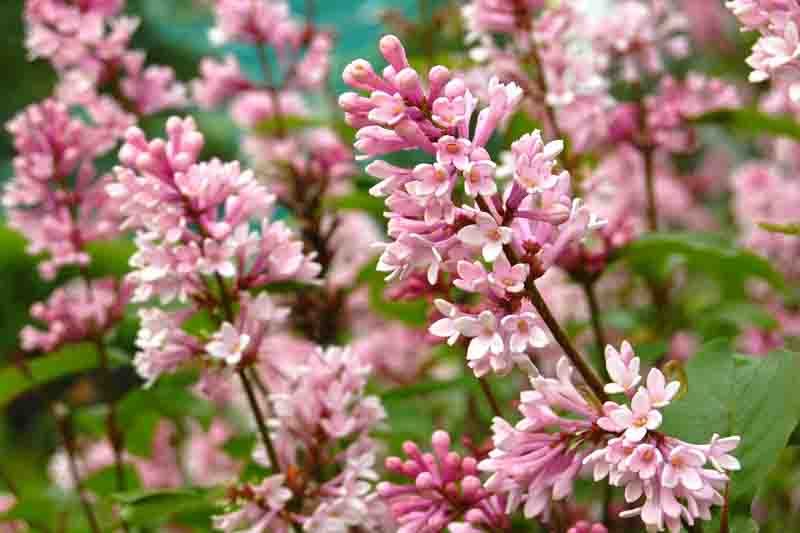


Choosing a lilac should be simple. You see a beautiful purple, pink, white, or blue-flowered shrub, fall in love with the fragrance, and plant it.
Unfortunately, that is also how gardeners end up with lilacs that barely bloom, shrubs that become twice as wide as the available bed, or compact varieties planted where a large flowering screen was actually needed.
There are hundreds of lilacs (Syringa), ranging from true dwarf shrubs only a few feet tall to traditional common lilacs and Japanese tree lilacs large enough to become major landscape features. Some thrive in very cold winters. Others cope better with somewhat milder conditions. Some flower once with spectacular intensity, while reblooming lilacs can produce additional flowers later in the growing season.
The easiest way to choose the right lilac is therefore not to start with flower color.
Choose a lilac in this order:
1. Climate → 2. Mature Footprint → 3. Bloom Season → 4. Garden Job → 5. Fragrance and Flower Color
Why this order? Climate determines whether the shrub is likely to flower reliably. Mature size determines whether it physically belongs in the space. Bloom timing and landscape purpose determine how the plant contributes to the garden. Only then should fragrance and color break the tie between otherwise suitable choices.
Gardenia’s selection rule: Do not begin by asking, “Which lilac is prettiest?” Begin by asking, “Which lilacs are actually suitable for this garden?”
Climate is the first filter because lilacs evolved largely in regions with cold winters, and many traditional cultivars require sufficient winter chilling to flower well the following spring.
Common lilac (Syringa vulgaris) is particularly associated with northern and colder climates. It performs beautifully across much of its suitable range, producing the large, fragrant flower clusters that define the classic lilac season.
But a USDA hardiness zone alone does not tell the entire story. Two gardens in the same zone can differ considerably in winter chilling, summer heat, humidity, and the length of hot weather.
A plant may technically survive the winter and still flower poorly if the climate is not well suited to its seasonal growth cycle.
Gardenia’s Climate Rule: Hardiness tells you whether a lilac is likely to survive winter. It does not, by itself, tell you how reliably that lilac will flower. For good bloom, consider winter chill and summer conditions as well as USDA zone.
If you garden where winters are reliably cold, you have the greatest range of choices.
Traditional common lilacs are an obvious starting point. They generally mature into substantial shrubs and offer some of the richest fragrance and widest range of flower colors.
Early-flowering Syringa × hyacinthiflora hybrids are another excellent group. Many are extremely hardy and begin flowering roughly a week before common lilacs, which makes them particularly useful for extending the season.
‘Pocahontas’, for example, is a vigorous, exceptionally hardy early-flowering lilac with fragrant rich violet flowers.
Compact lilacs such as ‘Palibin’, ‘Miss Kim’, and modern dwarf hybrids also perform well in many cold-climate gardens, giving gardeners alternatives far smaller than an old-fashioned common lilac.
| Hardiness |
3 - 7 |
|---|---|
| Plant Type | Shrubs, Trees |
| Plant Family | Oleaceae |
| Genus | Syringa |
| Exposure | Full Sun |
| Season of Interest | Spring (Mid, Late) |
| Maintenance | Low |
| Water Needs | Average |
| Soil Type | Chalk, Clay, Loam, Sand |
| Soil pH | Alkaline, Neutral |
| Soil Drainage | Moist but Well-Drained, Well-Drained |
| Characteristics | Cut Flowers, Fragrant, Showy |
| Landscaping Ideas | Beds And Borders, Hedges And Screens, Patio And Containers |
| Garden Styles | City and Courtyard, Informal and Cottage |
This is where selection becomes more important.
Traditional lilacs often struggle as winters become milder and summers hotter. The problem is not simply winter survival. A shrub may remain alive yet flower inconsistently because it does not receive the seasonal conditions it needs.
Gardenia’s regional guides for the Lower South (USDA Zone 8), Middle South (USDA Zone 7), and Upper South (USDA Zone 6) provide useful regional starting points.
One particularly interesting common lilac is ‘Blue Skies’. It is known for requiring less winter chilling than many traditional common lilacs and can therefore be a better candidate for some mild-winter regions.
Other lilac species and hybrids may also outperform traditional common lilacs in certain milder-winter gardens, but suitability varies considerably by species, cultivar, local winter chilling, summer heat, humidity, and length of the warm season.
Do not assume that an entire group – Meyer lilacs, Korean lilacs, littleleaf lilacs, Chinese lilacs, early-flowering hybrids, or Japanese tree lilacs – is automatically suited to warm climates. Use regionally documented selections and individual cultivar information instead.
Warm-climate warning: “More suitable for mild winters” does not mean “suitable for every hot climate.” Lilac performance depends on the complete climate pattern, not one hardiness-zone number.
Once climate has eliminated unsuitable choices, mature size should be your next filter.
This is where many lilac selections go wrong.
A nursery plant may be only 2 ft. tall when purchased, but a traditional lilac can eventually become a shrub 10 ft. or more in every direction. Continuous hard pruning is not a good substitute for choosing the correct plant.
Measure the usable width of the planting area, not just the available height.
A shrub beside a 5-ft.-wide walkway does not have 10 ft. of usable space simply because there is open air above it. Likewise, a lilac beside a driveway, window, patio, or neighboring shrub must fit its mature footprint without permanent conflict.
Measure the bed, not the label. Words such as “compact,” “dwarf,” and “small” are relative. Compare the cultivar’s mature spread with the actual usable planting width before you buy it.
If the planting area is genuinely tight, begin with lilacs bred to remain small rather than trying to miniaturize a large shrub with pruning.
Baby Kim is one of the smallest lilacs, generally reaching about 2-3 ft. tall and wide. Its fragrant purple flowers and compact rounded habit make it realistic for small beds and large containers.
Bloomerang Dwarf Pink is another true dwarf, generally remaining around 2-3 ft. tall and wide. It produces a major spring display and can flower again later on new growth.
Tinkerbelle provides more presence, generally reaching about 4-6 ft. tall and wide. Its wine-red buds open into sweetly fragrant pink flowers.
For a deeper comparison of compact choices, see Gardenia’s Best Lilacs for Small Gardens.
A medium-sized lilac is often the most versatile choice for residential gardens. It has enough volume to function as a real flowering shrub but is easier to accommodate than a full-sized common lilac.
‘Palibin’ grows roughly 4-5 ft. tall and 5-7 ft. wide. It is densely branched, fragrant, and particularly valued for foliage with excellent powdery mildew resistance.
‘Josee’ generally reaches about 4-6 ft. tall and 5-6 ft. wide. It produces a major fragrant spring display and can flower again sporadically later, with repeat bloom generally strongest in cooler climates.
Bloomerang Purple is another manageable shrub at roughly 4-5 ft. tall and wide, useful when the possibility of later flowers is a high priority.
These medium-scale lilacs work well in mixed borders, foundation plantings, informal hedges, and smaller landscapes where a traditional 10-ft. lilac would dominate the composition.
Do not assume smaller is always better.
If you have the room, a full-sized common lilac can create something a dwarf shrub cannot: a large fragrant spring presence, substantial screening, abundant cut flowers, and the visual character of an old-fashioned flowering hedge.
‘Charles Joly’, for example, can reach around 10-12 ft. tall and 8-10 ft. wide. Its amazingly fragrant double magenta flowers create a dramatically different effect from a 3-ft. dwarf lilac.
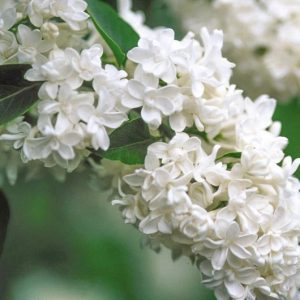
‘Madame Lemoine’ is another substantial cultivar, producing large clusters of amazingly fragrant double white flowers.
If you need a flowering screen, background shrub, substantial specimen, or enough lilac bloom to cut freely for the house, mature size can be an advantage rather than a problem.
Match scale to purpose: Choose a dwarf lilac because you need a dwarf. Choose a large lilac because the garden benefits from a large flowering shrub. Neither is inherently the better plant.
Once climate and size are resolved, bloom timing becomes much more useful.
Lilacs do not all flower together.
Early-flowering hybrids such as Syringa × hyacinthiflora can begin roughly 7-10 days before common lilacs. Common lilacs dominate the familiar peak season. Other lilacs flower later, while Japanese tree lilacs extend the sequence into late spring or early summer.
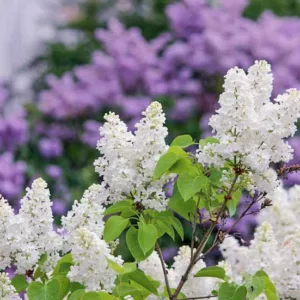
‘Ivory Silk’, a Japanese tree lilac, produces large creamy-white fragrant flower clusters in early summer, well after many traditional lilacs have finished.
This makes bloom timing particularly valuable when you have room for more than one shrub.
If you are planting several lilacs, do not use all of your space on cultivars that peak together. Combine early, peak, and later flowering types so each shrub adds time to the lilac season rather than merely adding more flowers to the same week.
For a detailed sequence, use Gardenia’s Lilac Blooming Seasons guide.
Reblooming lilacs are particularly appealing when garden space is limited and every shrub needs to work harder.
But understand what “reblooming” means.
These lilacs produce their major display in spring. They then pause while new growth develops and can produce another flush or scattered flowers later in summer or fall.
They do not remain covered in flowers continuously from spring until frost.
The later display may also be lighter than the spring bloom and varies with cultivar, climate, summer heat, moisture, vigor, and pruning.
Bloomerang Dwarf Purple is useful where both true dwarf size and repeat flowering matter. Bloomerang Purple provides more shrub volume, while ‘Josee’ combines a compact framework with fragrant lavender-pink flowers and possible later sporadic bloom.
Only after climate, size, and bloom behavior have narrowed the choices does flower color become a truly useful selection tool.
Lilacs offer much more than “lilac.”
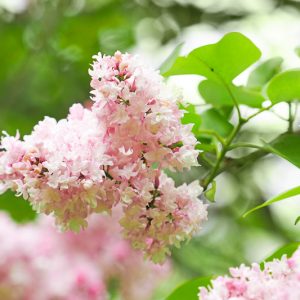
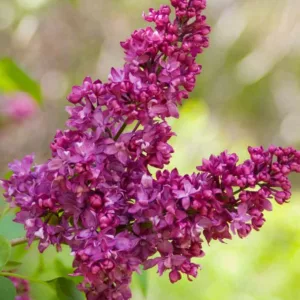
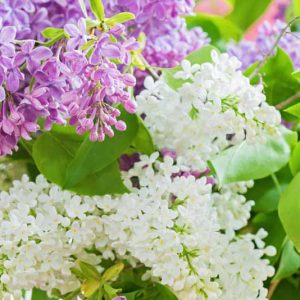
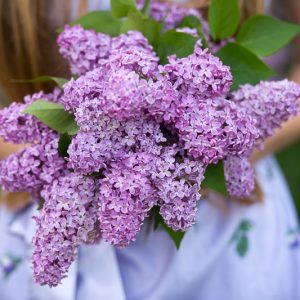
You can choose white, blush, pink, lavender, blue-lavender, violet, purple, magenta, wine-purple, and striking bicolors. Some cultivars also change appearance as individual florets mature.
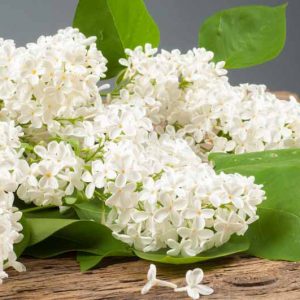
For white flowers, ‘Madame Lemoine’ is a classic double common lilac. ‘Beauty of Moscow’ opens from pinkish-lilac buds into highly fragrant white flowers touched with pale pink.
For deeper color, ‘Charles Joly’ offers rich magenta-purple double flowers.
Color should be the finishing filter, not the first filter. There is little value in finding the perfect shade of purple if the shrub is too large for the bed or poorly adapted to your climate.
Then common lilac deserves special attention.
Many Syringa vulgaris cultivars are famous for the traditional lilac perfume, but fragrance strength varies considerably from one selection to another.
‘Charles Joly’ and ‘Madame Lemoine’ are both noted for powerful classic lilac fragrance, while ‘Beauty of Moscow’ is highly fragrant.
Other lilacs are sweetly scented but may offer their strongest advantages in compact size, disease resistance, later flowering, or rebloom.
Also remember that fragrance in the landscape depends on more than how strongly one flower smells. The number of open flowers, mature shrub size, wind, weather, and how close the shrub is to a path or seating area all affect the experience.
If scent is the goal, place the lilac where people actually pass or pause – provided its mature footprint still fits the site.
For many gardeners, summer foliage quality matters almost as much as spring flowers.
Common lilac can be susceptible to powdery mildew, especially where conditions favor the disease.
Other lilacs can provide better resistance.
‘Palibin’ is particularly valuable for its extremely powdery mildew-resistant foliage. ‘Miss Kim’ also offers very good resistance, while many Syringa × hyacinthiflora selections and Japanese tree lilacs offer good to strong resistance.
Resistance is not the same as immunity, and susceptibility can still vary among individual cultivars. Disease resistance is best used as another tie-breaker when several lilacs already satisfy your climate, size, bloom, and color requirements.
A useful lilac selector should answer more than “Which flower do I like?”
For a specimen shrub: traditional common lilacs, large early-flowering hybrids, and Japanese tree lilacs can provide major landscape presence.
For a flowering hedge or screen: choose substantial shrubs with enough mature height and spread to create the structure you need. Do not rely on dwarf cultivars if privacy is the real goal.
For a small border: Baby Kim, compact Bloomerang selections, Palibin, and other smaller lilacs are far easier to integrate.
For containers: true dwarf cultivars are much more realistic than large common lilacs. Use a substantial frost-resistant container with excellent drainage.
For cut flowers: strongly flowering traditional common lilacs provide long stems, large panicles, and generous quantities of bloom.
For a longer season: combine early-flowering hybrids with peak common lilacs and later selections rather than selecting everything from the same bloom window.
For more than one flowering period: choose a reblooming lilac, while remembering that later flowers are an additional display, not continuous bloom.
Define the job before choosing the cultivar. “I need a 5-ft. fragrant shrub beside a terrace” is a useful selection brief. “I want a pretty purple lilac” is not.
Pruning can improve an old lilac, remove damaged growth, renew aging stems, or correct modest size problems.
It should not be the permanent strategy for keeping a fundamentally oversized shrub inside an undersized planting space.
If a 10-ft.-wide lilac is planted in a 5-ft.-wide bed, annual pruning cannot change its genetic tendency to produce a large framework. The result is continual work, reduced natural form, and potentially fewer flowers if pruning is poorly timed.
Spring-flowering lilacs also form the next year’s flower buds after flowering. Pruning too late can remove the buds responsible for the following spring’s display.
If you need pruning guidance, see Gardenia’s When and How to Prune Lilacs Without Losing Next Year’s Flowers.
Pruning Reality Check: If your plan requires major size reduction every year just to keep a new lilac in bounds, the problem is not pruning. The problem is plant selection.
I want a traditional, strongly fragrant lilac and have plenty of room.
Start with Syringa vulgaris cultivars such as ‘Charles Joly’, ‘Madame Lemoine’, or ‘Beauty of Moscow’, provided your climate suits common lilacs.
I have a very small garden.
Start with Baby Kim or a true dwarf Bloomerang selection.
I want a compact shrub, but not a miniature one.
Compare Palibin, Tinkerbelle, Miss Kim, Josee, and medium-sized reblooming lilacs according to mature spread.
I want flowers earlier than common lilacs.
Choose a Syringa × hyacinthiflora hybrid such as ‘Pocahontas’.
I want flowers after common lilacs finish.
Consider later selections such as ‘Miss Kim’ or a Japanese tree lilac such as ‘Ivory Silk’.
I want repeat flowering.
Compare Bloomerang selections or ‘Josee’, remembering that later flowering is usually lighter than the main spring display.
I garden where winters are relatively mild.
Do not assume traditional common lilacs will perform well. Begin with regionally appropriate selections and consider cultivars such as ‘Blue Skies’ where conditions are suitable.
I dislike powdery mildew.
Give extra weight to resistant selections such as Palibin, Miss Kim, many Syringa × hyacinthiflora hybrids, or Japanese tree lilacs.
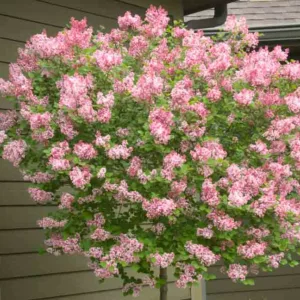
I want a lilac tree rather than a shrub.
Explore Japanese tree lilacs such as ‘Ivory Silk’.
I am choosing between two otherwise suitable lilacs.
Now use fragrance and flower color as the tie-breakers.
A cultivar name alone rarely tells you enough to make a good decision.
Before buying, compare:
Gardenia’s Lilac Comparison Tool lets you compare lilacs side by side, including hardiness, size, growing requirements, season of interest, color, and other characteristics.
This is especially useful when two cultivars appear similar in photographs but differ dramatically in mature spread or seasonal behavior.
Eliminate the lilacs that do not fit your climate. Eliminate those that do not fit the available space. Choose the bloom behavior and garden role you need. Then select your favorite fragrance and flower color from what remains.
There is no single best lilac for every garden. The right choice depends first on climate and winter chilling, then mature height and spread, bloom timing, landscape use, fragrance, and flower color. Traditional common lilacs are excellent in suitable cold-winter climates, while compact, reblooming, and regionally adapted lilacs solve different garden needs.
Baby Kim is one of the smallest lilacs, generally reaching about 2-3 ft. tall and wide. Bloomerang Dwarf Purple and Bloomerang Dwarf Pink are other true dwarf options. Palibin and Tinkerbelle provide more shrub presence but require greater mature width. Always compare mature spread with the actual planting space.
Traditional common lilacs such as ‘Charles Joly’ and ‘Madame Lemoine’ are excellent where there is room for a substantial fragrant shrub. Large Syringa × hyacinthiflora hybrids can also make impressive specimens or screens, while Japanese tree lilacs provide a tree-like form and later flowers.
Syringa × hyacinthiflora hybrids are among the important early-flowering lilacs and typically bloom roughly 7-10 days before common lilacs. ‘Pocahontas’ is a fragrant, exceptionally hardy example.
‘Miss Kim’ flowers later than many common lilacs, while Japanese tree lilacs such as ‘Ivory Silk’ extend the flowering sequence into early summer. Littleleaf lilacs and some other selections can also contribute later flowers.
The best choice depends on available space. Bloomerang Dwarf Purple is useful where a true dwarf is needed, Bloomerang Purple offers a larger compact shrub, and ‘Josee’ produces fragrant lavender-pink spring flowers with possible sporadic rebloom later in the season. Rebloom is not continuous flowering.
Lilac selection becomes more difficult as winters become milder. ‘Blue Skies’ is a common lilac known for requiring less winter chilling than many traditional cultivars. Other individual lilacs may also perform well in some southern regions, but use regional recommendations and cultivar-level information rather than hardiness zone alone.
Common lilac (Syringa vulgaris) is the traditional choice for classic lilac fragrance. Cultivars such as ‘Charles Joly’, ‘Madame Lemoine’, and ‘Beauty of Moscow’ are particularly fragrant, but the right plant should still be selected for climate and mature size before fragrance.
Resistance varies among species and cultivars. Palibin has extremely powdery mildew-resistant foliage, while Miss Kim, many Syringa × hyacinthiflora selections, and Japanese tree lilacs can offer good to strong resistance. Resistance should still be considered alongside climate, size, bloom timing, and other characteristics.
Pruning can control modest growth and renew an aging shrub, but it is not a good long-term substitute for choosing the correct mature size. If a lilac must be heavily reduced every year to fit the space, a naturally smaller cultivar is the better choice.
Lilacs occur in white, cream, pink, lavender, blue-lavender, violet, purple, magenta, wine-purple, and bicolored combinations. Color varies by cultivar and may change slightly as flowers open and age. Choose color only after confirming climate suitability, mature size, and desired bloom behavior.
Even two or three carefully selected lilacs can extend the display if they flower at different times. Combine an early-flowering lilac, a peak-season common lilac, and a later-flowering selection rather than choosing several cultivars with nearly identical bloom windows.
The best lilac is not necessarily the most fragrant, the newest, the smallest, or the cultivar with the flower color you noticed first.
It is the lilac that fits the entire garden.
Gardenia’s Lilac Selection Sequence: Climate → Mature Footprint → Bloom Season → Garden Job → Fragrance and Flower Color.
Following that order changes the question from “Which lilac do I like?” to the much more useful question: “Which of the lilacs that can thrive here will do exactly what I need?”
Once climate and size have narrowed the field, choosing becomes much easier. You can decide whether you want the perfume and scale of a classic common lilac, the compactness of Baby Kim, the clean foliage of Palibin, the early flowers of a Syringa × hyacinthiflora, the later season of ‘Miss Kim’ or Japanese tree lilac, or the additional flowering of a reblooming selection.
Then choose the white, pink, lavender, blue, or purple flowers you love.
Explore Gardenia’s lilac collection, use the Lilac Comparison Tool to compare candidates side by side, and consult the Lilac Blooming Seasons guide if you want to build a longer spring display.
Updated: September 2026 • Reviewed by Gardenia Editors
| Hardiness |
3 - 7 |
|---|---|
| Plant Type | Shrubs, Trees |
| Plant Family | Oleaceae |
| Genus | Syringa |
| Exposure | Full Sun |
| Season of Interest | Spring (Mid, Late) |
| Maintenance | Low |
| Water Needs | Average |
| Soil Type | Chalk, Clay, Loam, Sand |
| Soil pH | Alkaline, Neutral |
| Soil Drainage | Moist but Well-Drained, Well-Drained |
| Characteristics | Cut Flowers, Fragrant, Showy |
| Landscaping Ideas | Beds And Borders, Hedges And Screens, Patio And Containers |
| Garden Styles | City and Courtyard, Informal and Cottage |
Create a membership account to save your garden designs and to view them on any device.
Becoming a contributing member of Gardenia is easy and can be done in just a few minutes. If you provide us with your name, email address and the payment of a modest $25 annual membership fee, you will become a full member, enabling you to design and save up to 25 of your garden design ideas.
Join now and start creating your dream garden!
Create a membership account to save your garden designs and to view them on any device.
Becoming a contributing member of Gardenia is easy and can be done in just a few minutes. If you provide us with your name, email address and the payment of a modest $25 annual membership fee, you will become a full member, enabling you to design and save up to 25 of your garden design ideas.
Join now and start creating your dream garden!