What's attacking your tomato plant? Identify pests from the clues they leave behind - from hornworms, aphids and mites to fruitworms, psyllids and root-knot nematodes. Gardenia's damage-first guide shows where to look, how to confirm the culprit, when control is necessary, and how to protect beneficial insects.


Something is damaging your tomato plant – but what?
A tomato with missing leaves, curled growth, sticky foliage, pale stippling, winding trails, chewed fruit, stunted roots, or a seedling cut off at soil level can point to completely different pests. Reaching for an insecticide before identifying the culprit can waste time, kill beneficial insects, and sometimes make the problem worse.
The fastest way to identify tomato pests is to start with the damage pattern, not with a long list of insects.
Gardenia tomato-pest principle: Before treating anything, answer four questions: Where is the damage? What kind of feeding occurred? What evidence was left behind? When and where is the pest active? Those four clues usually narrow the possibilities much faster than spraying first and diagnosing later.
Instead of asking, “What bugs attack tomatoes?” begin with what the plant is showing you.
| Clue | What to Look For | What It Suggests |
|---|---|---|
| Where? | Roots, soil line, leaves, new growth, flowers, or fruit | Immediately narrows the pest group |
| Feeding type? | Chewing, stippling, sucking, mining, tunneling, puncturing, galling | Caterpillars, beetles, mites, bugs, miners, nematodes |
| Evidence? | Frass, honeydew, webbing, eggs, cast skins, slime, insects, root galls | Often provides the confirming clue |
| When / where active? | Seedlings, hot dry weather, leaf undersides, nighttime, fruiting stage | Separates look-alike problems |
The first question is not “What should I spray?” It is “What exactly is causing the damage?” The right treatment depends on the pest, its life stage, and whether the damage is serious enough to justify intervention at all.
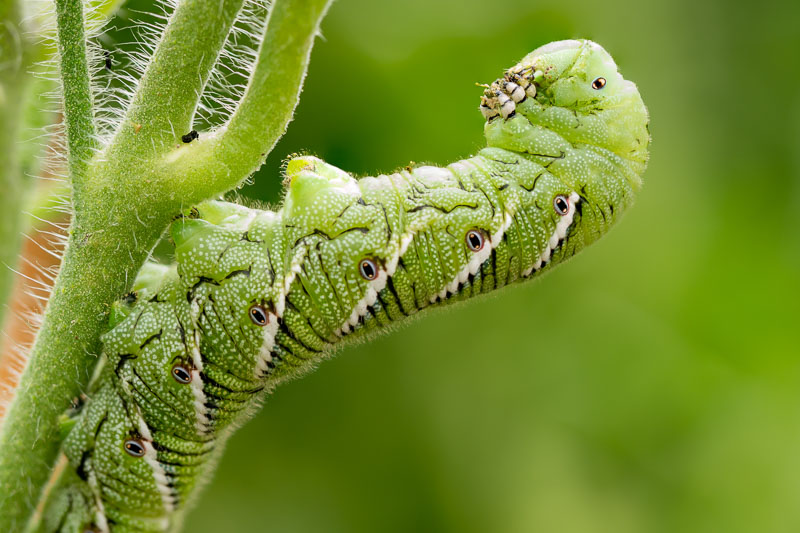
Tomato hornworms and tobacco hornworms are large green caterpillars capable of removing surprising amounts of foliage in a short time.
Look for:
Whole leaflets or leaves disappearing.
Bare stems near the upper canopy.
Large dark droppings, or frass, beneath damaged foliage.
Occasional chewing on green fruit.
A large green caterpillar camouflaged against stems and leaves.
Tomato hornworms generally have eight pale V-shaped markings along their sides, while tobacco hornworms usually have seven diagonal white stripes.
In a home garden, hand-picking is often the simplest control. Search around the newest defoliation and below piles of fresh frass.
If a hornworm is covered with small white parasitoid cocoons, leave it in place when practical. The caterpillar has already been parasitized, and the developing wasps can help produce another generation of natural enemies.
Where larger populations require control, Bacillus thuringiensis var. kurstaki (Bt) works best on young caterpillars that are still actively feeding on exposed foliage.
Don’t confuse visibility with abundance. One enormous hornworm looks dramatic, but hand-removing one or two caterpillars may be more sensible than treating the entire garden.
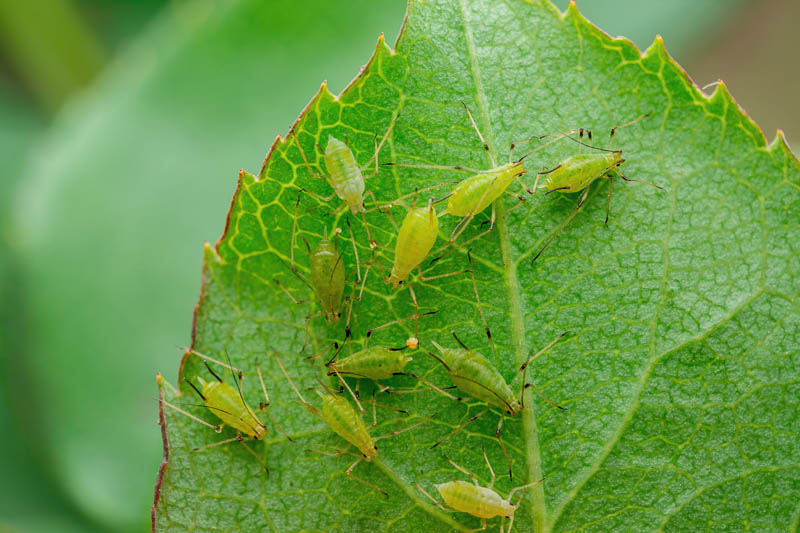
Aphids are small, soft-bodied insects that often cluster on tender shoots, new leaves, and leaf undersides.
Clues include curled or distorted new growth, visible colonies, sticky honeydew, black sooty mold, and ants repeatedly traveling over the plant.
Small populations may cause little meaningful damage and often support lady beetles, lacewings, hoverflies, and parasitoid wasps. A strong stream of water can dislodge many aphids. If colonies keep expanding, insecticidal soap can help when it directly contacts the insects.
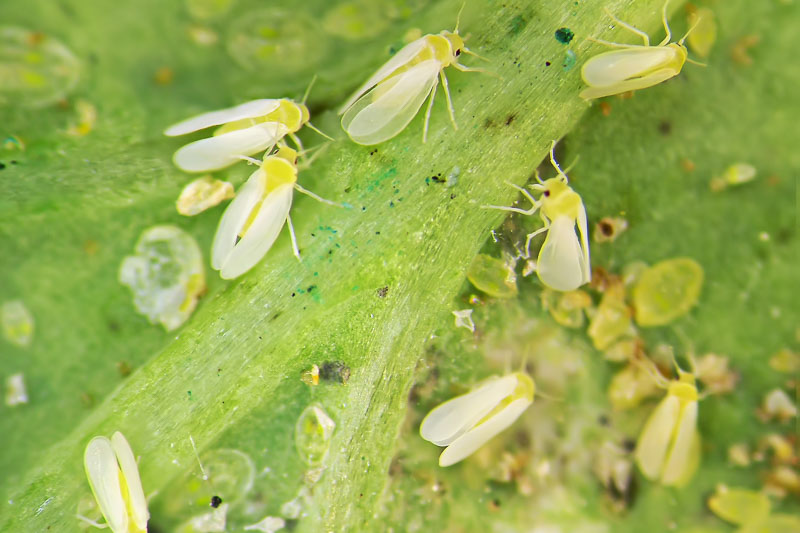
Whiteflies are tiny winged sap feeders concentrated primarily on leaf undersides. Disturb an infested plant and adults may flutter upward in a small white cloud.
Heavy infestations can produce yellowing, honeydew, sooty mold, and weakening of the plant.
Horticultural oil or insecticidal soap can suppress whiteflies when coverage reaches the underside of leaves. Avoid unnecessary broad-spectrum insecticides, which may eliminate natural enemies without providing lasting control.
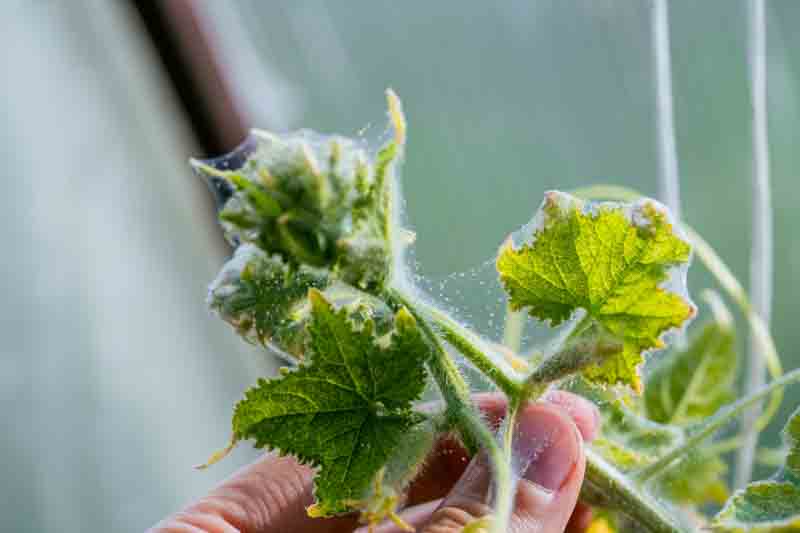
Spider mites are tiny arachnids that often flourish during hot, dry weather.
Early symptoms include pale stippling across leaves, followed by yellowing, bronzing, drying, and eventually fine webbing between leaves and stems.
Tap affected foliage over white paper. Tiny moving specks may reveal the mites.
Keep tomatoes adequately watered and avoid creating severe drought stress. Water sprays, insecticidal soaps, and horticultural oils can help when directed thoroughly at affected leaf surfaces.
Tomato russet mites are microscopic and can be harder to diagnose. Symptoms often begin low on the plant and progress upward.
Look for bronzed or russeted stems and petioles, yellowing or brittle foliage, and progressive loss of lower leaves. Unlike spider mites, russet mites do not produce obvious webbing.
A plant may appear drought-stressed even when the soil contains adequate moisture. If the pattern fits but no pest is visible, magnification or professional diagnosis may be useful.
Mite warning: Broad-spectrum insecticides can sometimes worsen mite outbreaks by killing predators while providing poor long-term mite control.
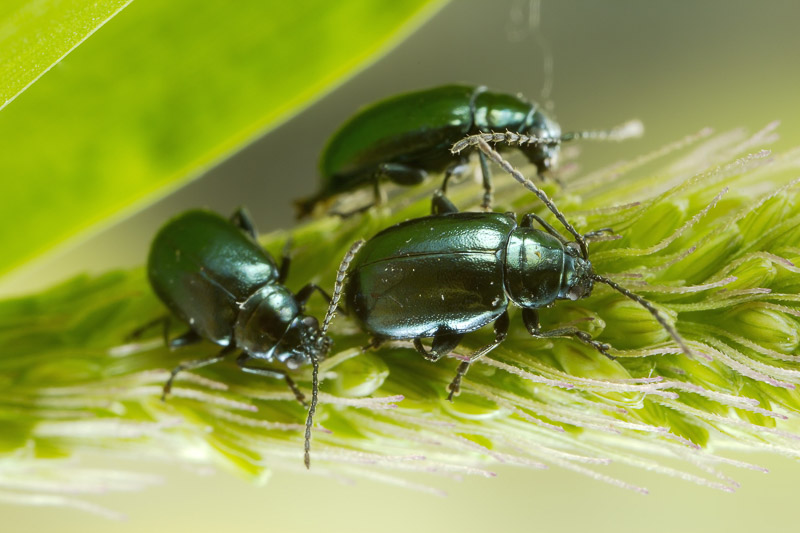
Flea beetles are tiny beetles that jump when disturbed. Their feeding leaves numerous small round “shot holes” in tomato foliage.
Established plants can often tolerate moderate feeding. Seedlings and young transplants are more vulnerable because they have much less leaf area.
Use vigorous transplants, manage nearby weeds, and consider insect-exclusion fabric while plants are young where flea beetles are a recurring problem.
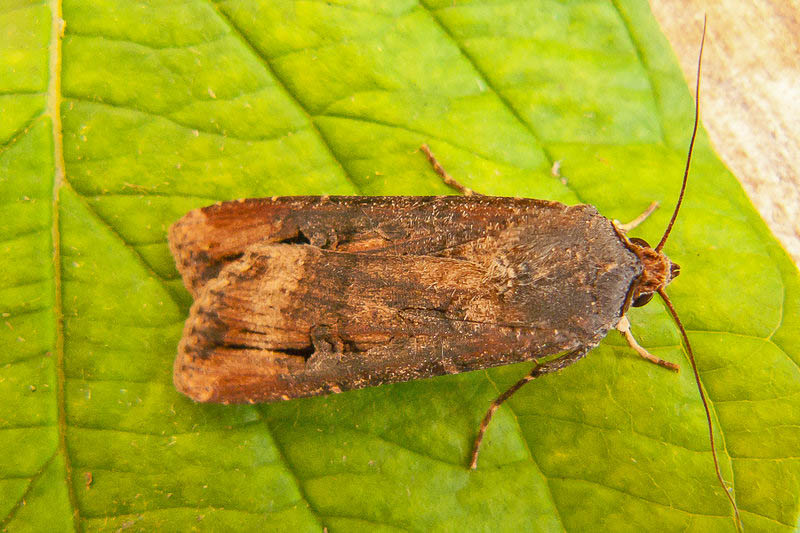
Cutworms hide in soil or debris during the day and feed mainly at night.
The classic clue is a young tomato that was upright yesterday and is lying on the soil this morning, with its stem severed at or just above ground level.
Search the upper soil around the damaged transplant for a curled gray or brown caterpillar. Hand removal, weed control before planting, and protective collars around young transplants can reduce losses.
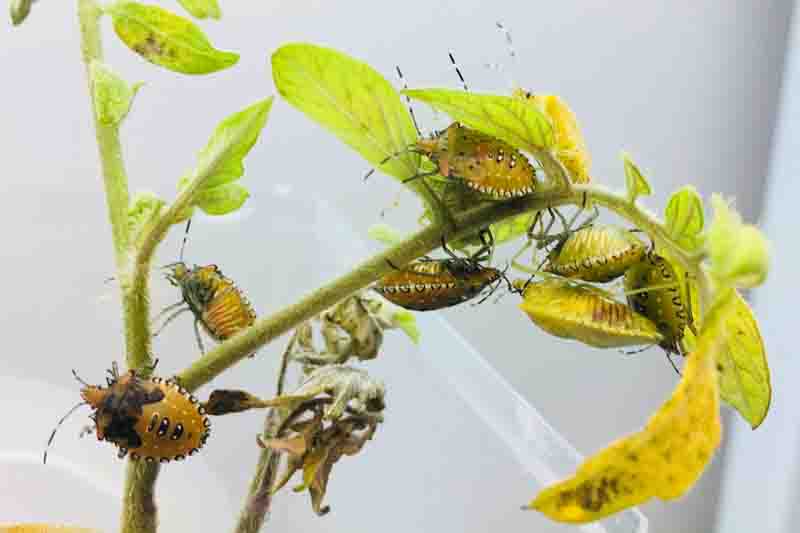
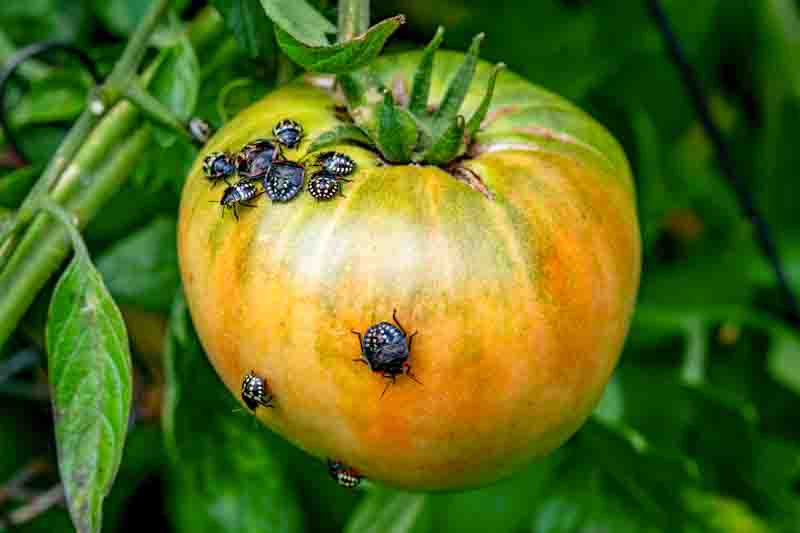
Stink bugs and leaf-footed bugs pierce developing tomatoes and suck plant fluids.
The result may be pale or cloudy spots beneath the skin, small feeding punctures, corky tissue, or distorted young fruit.
Stink bugs are broad and shield-shaped. Leaf-footed bugs are more elongated, and many species have widened sections on their hind legs.
Inspect fruit clusters and leaf undersides for adults, nymphs, and eggs. Small populations can often be removed by hand, particularly early in the morning when the insects are less active.
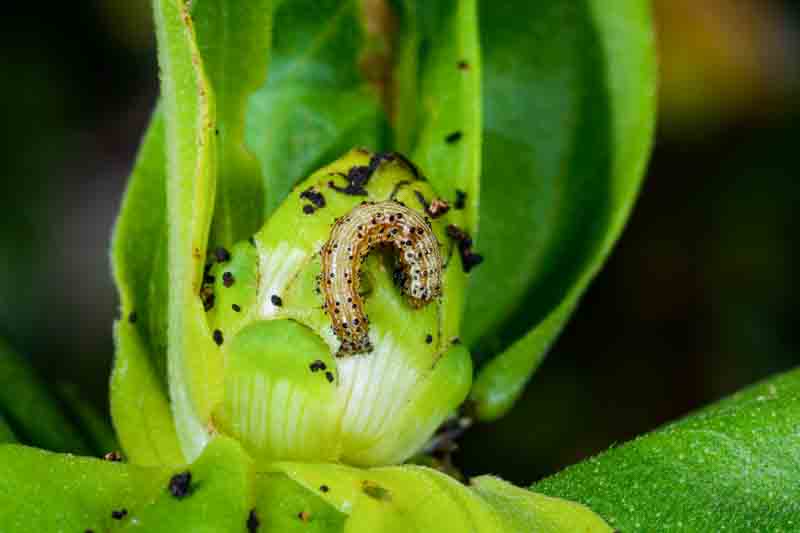
Tomato fruitworm is the same species commonly called corn earworm, Helicoverpa zea.
Larvae may bore into tomatoes, often near the shoulder or stem end. Look for an entrance hole, frass around the opening, internal tunneling, and damaged fruit beginning to decay.
Remove infested fruit promptly. Monitor flowers and small fruit for eggs and young caterpillars before larvae enter the tomato, where they become much harder to reach.
Bt is most useful on young exposed larvae. Predatory bugs and parasitoids can also attack eggs and young caterpillars.
A useful distinction: Hornworms usually announce themselves through dramatic foliage loss. Tomato fruitworms are more likely to reveal themselves when you find a hole bored directly into the fruit.
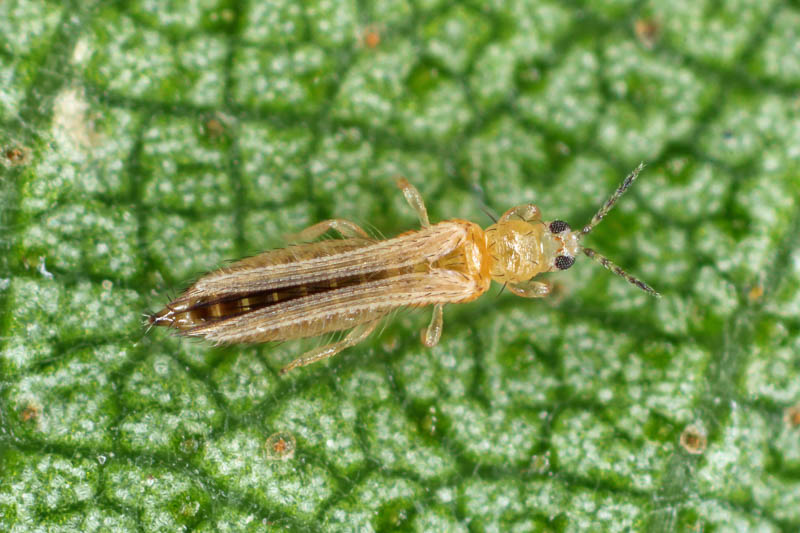
Thrips are tiny, slender insects that scrape and feed on plant tissue.
Direct feeding may cause silvery or bronze streaks, distorted new leaves, flower injury, and fruit scarring. Some thrips also transmit tomato spotted wilt virus.
If a tomato develops severe stunting, bronzing, ring-like markings, or distorted growth, the problem may therefore extend beyond direct insect feeding.
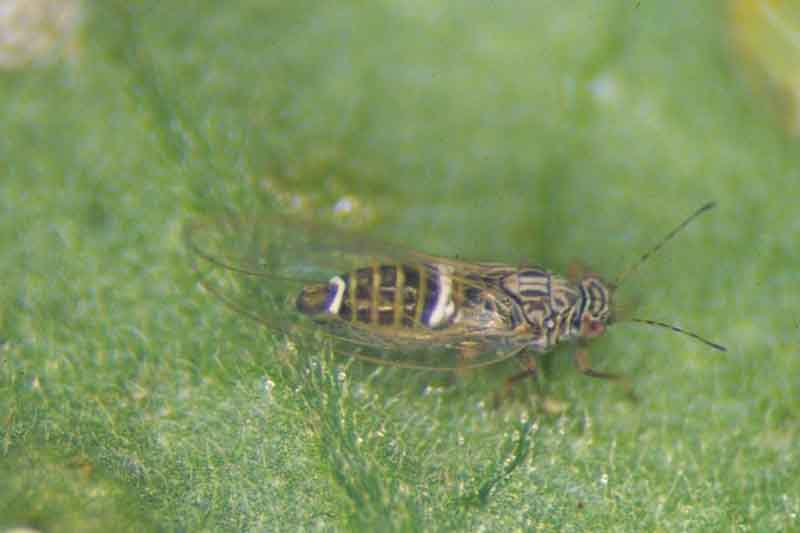
Tomato psyllid, also called potato psyllid (Bactericera cockerelli), is a small sap-feeding insect that can cause a syndrome commonly called psyllid yellows.
Look for:
Yellowing or chlorosis.
Curled or cupped new leaves.
Stunted plants and shortened growth.
Smaller or poor-quality fruit.
Tiny flattened nymphs on leaf undersides.
Psyllid nymphs can resemble whitefly immature stages, but older psyllid nymphs have visible wing pads and may move when disturbed. Their sugary excretions may also appear as tiny whitish granules on leaves beneath feeding colonies.
Psyllid injury can easily be mistaken for virus, nutrient deficiency, herbicide damage, or environmental stress, making inspection of leaf undersides especially important.
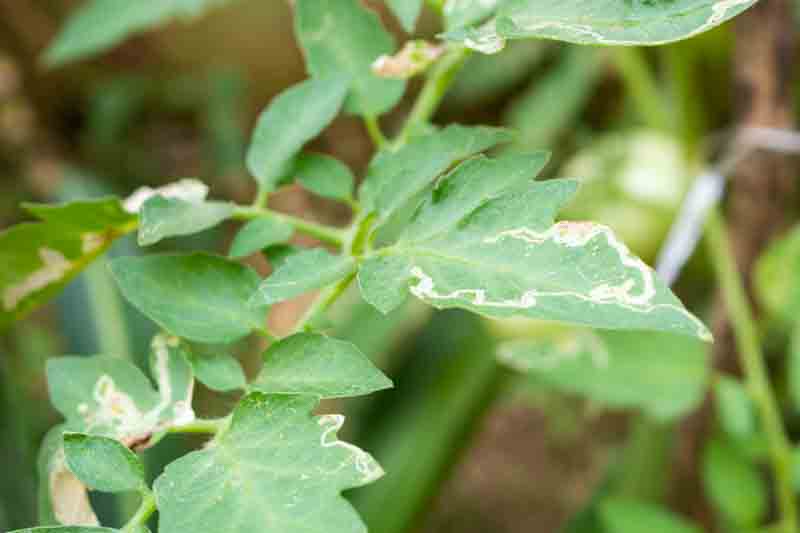
Leafminers are larvae that feed between the upper and lower surfaces of leaves.
Their damage is distinctive: narrow white or pale winding trails may widen into larger blotchy mines.
A few mined leaves rarely threaten a vigorous tomato. Heavy infestations can reduce photosynthesis, but one of the most important management principles is to preserve the parasitoid wasps that naturally attack leafminer larvae.
Broad-spectrum insecticides can eliminate those natural enemies and sometimes allow leafminer populations to increase rather than decline.
Remove badly mined leaves when practical, but avoid stripping so much foliage that tomatoes become exposed to sunscald.
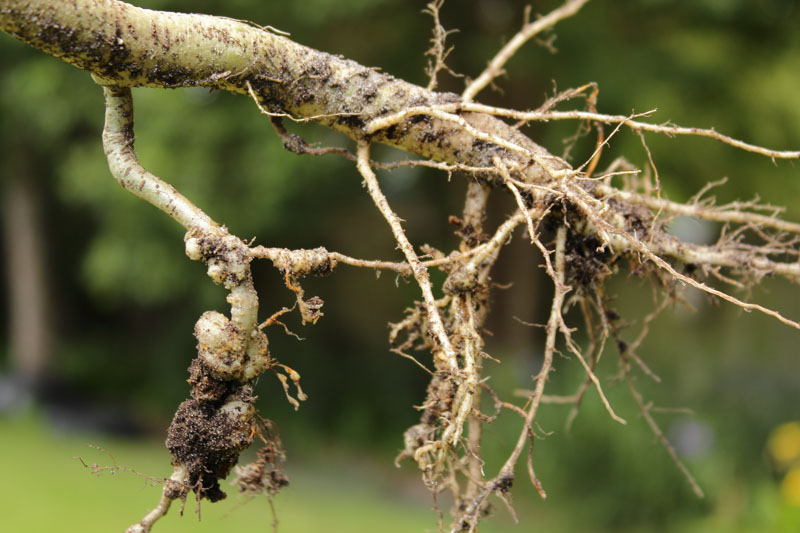
Root-knot nematodes (Meloidogyne spp.) are microscopic roundworms that attack tomato roots.
Above ground, the symptoms are frustratingly nonspecific:
Plants remain stunted or weak.
Leaves may yellow.
Plants wilt during hot parts of the day despite adequate soil moisture.
Growth and yield may remain poor despite fertilization.
The confirming clue is below ground. Carefully lift a declining plant and wash or brush soil from the roots. Root-knot nematodes cause true swollen galls or “knots” in the root tissue.
These should not be confused with the beneficial nitrogen-fixing nodules on legumes. Root-knot galls are integral swellings of the root and cannot simply be rubbed off.
Management is primarily preventive. Control susceptible weeds, rotate with appropriate nonhost crops where practical, use tomato cultivars with appropriate root-knot nematode resistance when available, remembering that resistance reduces risk rather than guaranteeing immunity. Consider soil solarization in climates where it is effective.
Gardenia root check: When a tomato repeatedly wilts or remains stunted despite adequate water and fertility, do not keep adding fertilizer. Inspect the roots. Above-ground stress with root galls points in a very different direction.
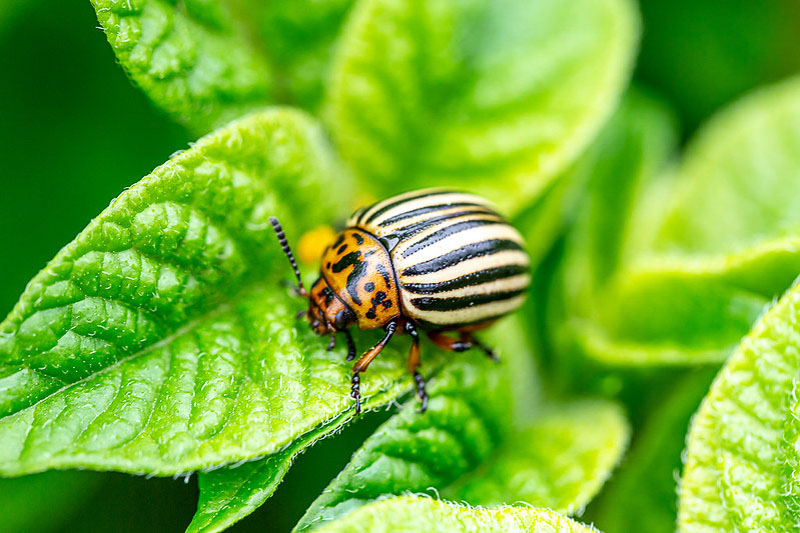
Colorado potato beetles prefer potatoes but can feed on tomatoes and other nightshades.
Adults are yellow-orange with ten black stripes. The plump larvae are orange-red with dark spots. Both stages chew foliage.
Hand-pick adults and larvae where practical and crush egg masses on leaf undersides. Rotation matters, and repeated reliance on one insecticide is especially unwise because Colorado potato beetles readily develop resistance.
Slugs and snails are most troublesome in damp gardens, around young plants, or where fruit rests on the ground.
Irregular nighttime feeding and silvery slime trails are strong clues. Reduce hiding places, keep fruit off the soil, and inspect after dark or early in the morning.
Other caterpillars can also chew tomato foliage or fruit. Armyworms may feed on both leaves and tomatoes. Loopers produce irregular leaf holes and move with a characteristic arching motion. Tomato pinworm larvae may mine leaves, fold foliage together, and later tunnel into fruit near the stem end.
The same principle applies: caterpillar treatments such as Bt work best while larvae are young and exposed, not after they have entered fruit.
| Damage | Likely Pest | Confirming Clue |
|---|---|---|
| Large sections of foliage missing | Hornworm / caterpillar | Large frass and green caterpillar |
| Tiny shot holes | Flea beetles | Tiny beetles jump when disturbed |
| Sticky curled shoots | Aphids | Honeydew, colonies, ants |
| White insects flutter upward | Whiteflies | Adults and immatures beneath leaves |
| Stippling plus webbing | Spider mites | Fine webbing |
| Bronzing low on plant, no webbing | Russet mites | Damage progresses upward |
| Seedling severed at soil line | Cutworm | Larva hiding in nearby soil |
| Winding pale trails | Leafminer | Larva feeding inside leaf |
| Cloudy or corky spots on fruit | Stink / leaf-footed bugs | Feeding punctures |
| Hole tunneled into fruit | Tomato fruitworm | Frass and internal feeding |
| Curling + yellowing + stunting | Psyllid / other causes | Psyllid nymphs under leaves |
| Wilting + poor growth | Root-knot nematodes | Galls on roots |
Tomato pest control works best as a sequence, not as a product.
Identify. Confirm the pest using damage, location, life stage, and physical evidence.
Measure the damage. A few insects or chewed leaves may not justify treatment.
Preserve beneficials. Lady beetles, lacewings, predatory bugs, predatory mites, hoverfly larvae, and parasitoid wasps suppress many tomato pests.
Use physical and cultural controls first. Hand-pick caterpillars, wash off aphids, remove damaged fruit, protect transplants, or manage alternate weed hosts.
Use the least disruptive effective pesticide when necessary. Match the treatment to the pest and life stage.
Recheck. Do not assume one treatment solved the problem.
Gardenia IPM decision: Identify → Measure damage → Preserve beneficials → Use the least disruptive effective control → Recheck. Treatment is a decision, not the automatic final step in pest identification.
Best suited to exposed soft-bodied pests such as aphids and whiteflies when spray directly contacts them. It has little useful residual activity.
Can suppress mites, aphids, whiteflies, and some other exposed pests. Thorough coverage matters, particularly beneath leaves.
Bacillus thuringiensis var. kurstaki targets susceptible caterpillars. Larvae must eat treated plant tissue, so Bt works far better on small exposed caterpillars than on larvae already hidden inside fruit.
Spinosad products can control several chewing pests and some leafminers, but labels and approved uses differ. Spinosad can also harm pollinators while wet, so timing and label directions matter.
“Organic” does not mean harmless to every beneficial insect. Use only products labeled for tomatoes and the target pest, and follow all application, harvest-interval, temperature, and pollinator precautions on the label.
You cannot create a tomato garden with no insects, and that should not be the goal. You can make damaging outbreaks less likely.
Inspect regularly. Look beneath leaves, at growing tips, around flowers, and on developing fruit.
Start with clean transplants. Check plants for aphids, whiteflies, mites, mines, eggs, and distorted growth before planting.
Manage weeds. Many pests and viruses survive on alternate hosts.
Maintain consistent moisture. Severe drought stress can favor mite problems and weaken plants.
Avoid excessive nitrogen. Very lush tender growth may favor some sap-feeding pests.
Remove infested fruit and crop residue. Do not leave unnecessary pest reservoirs in the garden.
Rotate crop families. Tomato, pepper, potato, and eggplant are all Solanaceae, so rotating among them is not true family rotation.
Support natural enemies. Flowering dill, cilantro, sweet alyssum, and other insectary plants can provide nectar and pollen for beneficial insects.
Avoid indiscriminate spraying. Destroying predators and parasitoids can turn a minor pest into a major one.
For evidence-based planting combinations, see Gardenia’s Best Companion Plants for Tomatoes – and What Not to Plant Nearby.
Not every damaged tomato has a pest problem.
Before treating, consider whether the symptoms could instead come from:
Early blight, Septoria leaf spot, bacterial disease, or another infection.
Physiological leaf roll.
Herbicide injury.
Sunscald.
Irregular watering or root stress.
Nutrient imbalance.
Heat or cold injury.
Pest damage often leaves physical evidence – feeding holes, insects, eggs, frass, honeydew, webbing, mines, punctures, slime, or root galls.
If the symptoms do not fit pest feeding, use Gardenia’s Tomato Problems: What Is Wrong With My Plant?. If spots, lesions, infection, or vascular wilt are more likely, see Tomato Diseases: Identification, Treatment & Prevention.
One symptom is rarely enough. A curled tomato leaf could result from aphids, mites, psyllids, virus, herbicide exposure, heat, moisture stress, or physiological leaf roll. Diagnosis improves when you combine the symptom with its location and physical evidence.
Locate the damage: roots, soil line, leaves, growing tips, flowers, or fruit.
Identify the feeding pattern: chewing, sucking, stippling, mining, tunneling, puncturing, or galling.
Search for confirming evidence such as insects, eggs, frass, honeydew, webbing, slime, or root galls.
Check when the pest is most likely to be present, including after dark for cutworms and slugs.
Decide whether the damage is serious enough to require intervention.
Preserve predators and parasitoids whenever possible.
Match any treatment precisely to the pest and its vulnerable life stage.
Inspect the plant again afterward rather than assuming the problem is solved.
The goal is not a garden with zero insects. It is a tomato garden in which pests remain below damaging levels while predators, parasitoids, and pollinators continue doing their work.
For complete tomato planting, watering, feeding, support, harvesting, and seasonal care, visit Gardenia’s How to Grow Tomatoes: Complete Planting & Care Guide and the Tomato (Solanum lycopersicum) profile.
Common tomato pests include hornworms, aphids, whiteflies, spider mites, russet mites, flea beetles, cutworms, stink bugs, leaf-footed bugs, tomato fruitworms, thrips, psyllids, leafminers, root-knot nematodes, caterpillars, and occasionally Colorado potato beetles, slugs, and snails.
Large missing sections may indicate hornworms or other caterpillars, while numerous tiny round holes suggest flea beetles. Irregular nighttime damage with slime may indicate slugs or snails. Look for insects, droppings, eggs, or slime before choosing a treatment.
Aphids, whiteflies, mites, thrips, and tomato psyllids can contribute to curled or distorted growth, but viruses, heat, moisture stress, herbicide injury, and physiological leaf roll can look similar. Check leaf undersides and look for insects, honeydew, webbing, stippling, or other evidence.
Numerous tiny round or shot-like holes are characteristic of flea beetle feeding. Flea beetles are very small and jump rapidly when disturbed. Damage is most important on seedlings and young transplants.
Winding pale trails are usually caused by leafminer larvae feeding between the upper and lower leaf surfaces. Light infestations rarely justify aggressive treatment because parasitoid wasps often suppress leafminers naturally.
Sticky foliage is usually honeydew from sap-feeding insects such as aphids or whiteflies. Check leaf undersides and tender shoots. Ant activity and black sooty mold can provide additional clues.
Tomato fruitworm is a common cause of holes and internal tunneling in tomatoes. Look for an entrance hole, frass, internal feeding, or a caterpillar inside or near the damaged fruit.
Hand-picking is often sufficient in home gardens. Search around fresh defoliation and large droppings. Bt can help control young caterpillars. Leave parasitized hornworms carrying white parasitoid cocoons when practical so beneficial wasps can complete their development.
Spider mites typically cause pale stippling, bronzing, and fine webbing. Russet mites are microscopic and more often cause bronzing of lower stems and foliage without conspicuous webbing, with symptoms progressing upward.
Affected tomatoes may remain stunted, yellow, or wilt during hot weather even when soil moisture is adequate. Carefully inspect the roots. Characteristic swollen galls or knots in the root tissue strongly indicate root-knot nematodes.
Tomato or potato psyllid feeding can produce yellowing, curled or cupped growth, stunting, shortened growth, and small fruit. Inspect leaf undersides for tiny flattened psyllid nymphs because these symptoms can resemble nutrient problems, viruses, or environmental stress.
No. Routine spraying can kill natural enemies and may worsen pests such as mites and leafminers. Identify the pest, assess actual damage, and use the least disruptive effective control only when intervention is necessary.
Bt kurstaki works against susceptible caterpillars that eat treated plant tissue, including young hornworms and some other caterpillar pests. It does not control aphids, whiteflies, stink bugs, beetles, nematodes, or mites and works best before larvae enter fruit.
Lady beetles, lacewings, hoverfly larvae, predatory bugs, predatory mites, and many parasitoid wasps can suppress tomato pests. Flowering dill, cilantro, sweet alyssum, and other insectary plants can provide nectar and pollen for some beneficial insects.
Inspect plants regularly, begin with pest-free transplants, manage weeds, maintain consistent watering, rotate crop families, remove infested fruit and crop residues, support beneficial insects, choose resistant cultivars where appropriate, and avoid unnecessary broad-spectrum insecticides.
Updated: September 2026 • Reviewed by Gardenia Editors
| Hardiness |
2 - 11 |
|---|---|
| Climate Zones | 1, 1A, 1B, 2, 2A, 2B, 3, 3A, 3B, 4, 5, 6, 7, 8, 9, 10, 11, 12, 13, 14, 15, 16, 17, 18, 19, 20, 21, 22, 23, 24, A1, A2, A3, H1, H2 |
| Plant Type | Fruits |
| Plant Family | Solanaceae |
| Genus | Solanum, Tomatoes |
| Common names | Love Apple, Tomato |
| Exposure | Full Sun |
| Season of Interest | Spring (Late), Summer (Early, Mid, Late), Fall |
| Height | 3' - 10' (90cm - 3m) |
| Spread | 1' - 4' (30cm - 120cm) |
| Spacing | 24" - 36" (60cm - 90cm) |
| Maintenance | Average, High |
| Water Needs | Average |
| Soil Type | Clay, Loam, Sand |
| Soil pH | Acid, Neutral |
| Soil Drainage | Moist but Well-Drained |
| Tolerance | Rabbit, Clay Soil |
| Attracts | Bees |
| Landscaping Ideas | Patio And Containers |
| Garden Styles | City and Courtyard, Informal and Cottage, Pollinator Garden |
| Hardiness |
2 - 11 |
|---|---|
| Climate Zones | 1, 1A, 1B, 2, 2A, 2B, 3, 3A, 3B, 4, 5, 6, 7, 8, 9, 10, 11, 12, 13, 14, 15, 16, 17, 18, 19, 20, 21, 22, 23, 24, A1, A2, A3, H1, H2 |
| Plant Type | Fruits |
| Plant Family | Solanaceae |
| Genus | Solanum, Tomatoes |
| Common names | Love Apple, Tomato |
| Exposure | Full Sun |
| Season of Interest | Spring (Late), Summer (Early, Mid, Late), Fall |
| Height | 3' - 10' (90cm - 3m) |
| Spread | 1' - 4' (30cm - 120cm) |
| Spacing | 24" - 36" (60cm - 90cm) |
| Maintenance | Average, High |
| Water Needs | Average |
| Soil Type | Clay, Loam, Sand |
| Soil pH | Acid, Neutral |
| Soil Drainage | Moist but Well-Drained |
| Tolerance | Rabbit, Clay Soil |
| Attracts | Bees |
| Landscaping Ideas | Patio And Containers |
| Garden Styles | City and Courtyard, Informal and Cottage, Pollinator Garden |
Create a membership account to save your garden designs and to view them on any device.
Becoming a contributing member of Gardenia is easy and can be done in just a few minutes. If you provide us with your name, email address and the payment of a modest $25 annual membership fee, you will become a full member, enabling you to design and save up to 25 of your garden design ideas.
Join now and start creating your dream garden!
Create a membership account to save your garden designs and to view them on any device.
Becoming a contributing member of Gardenia is easy and can be done in just a few minutes. If you provide us with your name, email address and the payment of a modest $25 annual membership fee, you will become a full member, enabling you to design and save up to 25 of your garden design ideas.
Join now and start creating your dream garden!