White Correa, Correa, Cape Barren Tea, Cape Barren Tea Tree, Australian Fuchsia
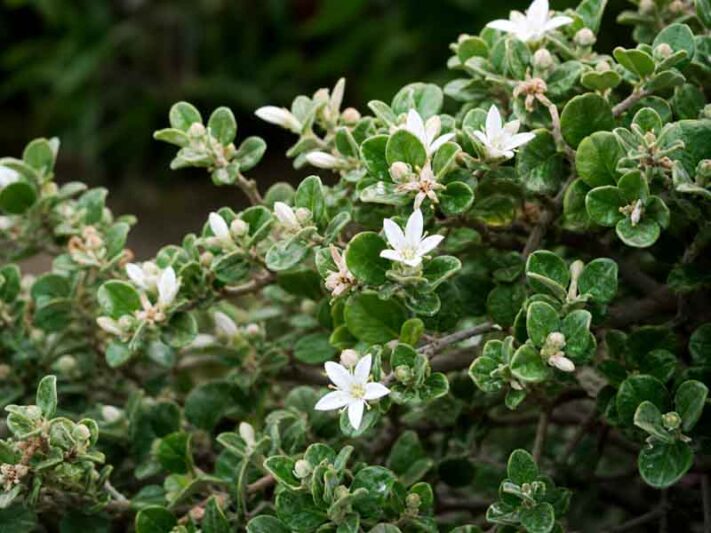


Correa alba, commonly known as white correa, white fuchsia, Cape Barren tea, or Botany Bay tea tree, is a compact evergreen Australian native shrub prized for its soft grey-green foliage, silvery leaf undersides, salt tolerance, winter flowers, and easygoing garden performance. Native to southeastern Australia, especially coastal regions, it is one of the most useful small shrubs for seaside gardens, wildlife plantings, informal hedges, native borders, low-maintenance landscapes, and dry gardens with good drainage.
This is a quiet plant at first glance, but a very clever one. The rounded leaves give year-round structure, the pale starry flowers arrive when many gardens are short on bloom, and the shrub can be clipped, massed, tucked into a mixed border, or left to form a naturally rounded mound. In the right site, Correa alba becomes a dependable evergreen backbone plant – neat enough for designed spaces, tough enough for coastal exposure, and generous enough to feed pollinators through the cooler months.
Correa alba is a hardy evergreen Australian shrub grown for white star-shaped flowers, grey-green aromatic foliage, excellent coastal tolerance, low-maintenance structure, and winter wildlife value. It performs best in full sun to light shade, well-drained sandy or loamy soil, and mild climates where it can be used as a hedge, border shrub, container plant, groundcovering form, or coastal garden staple.
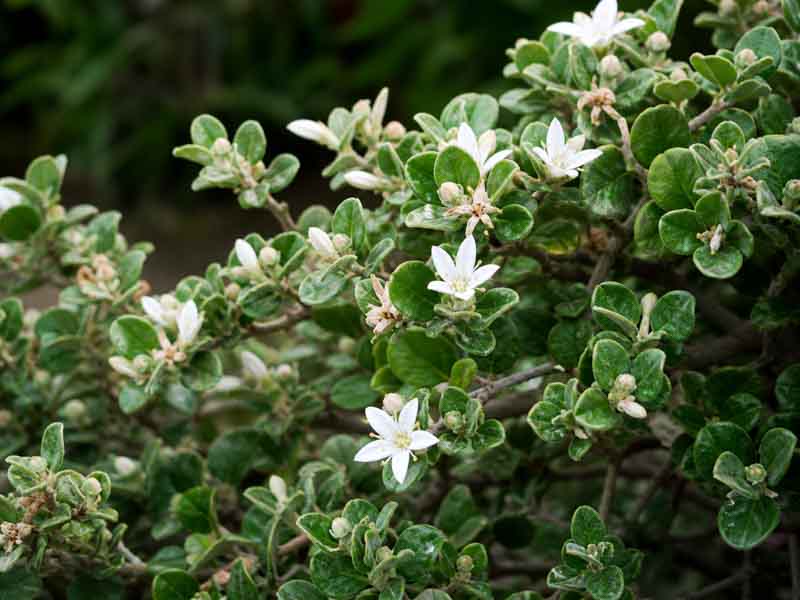
Use: Coastal gardens, native plant gardens, low hedges, wildlife gardens, dry borders, courtyard planting, containers, banks, slopes, and low-maintenance evergreen structure.
Highlight: Small white flowers open like stars, often in the cool season, giving bees, birds, and beneficial insects a useful nectar source when fewer shrubs are blooming.
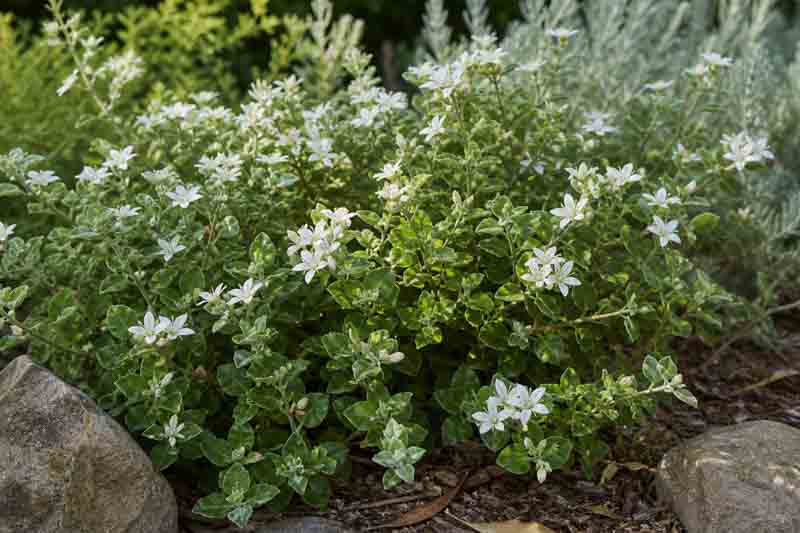
Design note: Plant in groups for a soft silver-green drift, or clip lightly after flowering for a tidy coastal hedge.
| Botanical Name | Correa alba |
|---|---|
| Family | Rutaceae |
| Common Names | White Correa, White Fuchsia, Cape Barren Tea, Botany Bay Tea Tree |
| Native Range | Southeastern Australia, including coastal New South Wales, Victoria, Tasmania, and South Australia depending on variety |
| Plant Type | Evergreen shrub or subshrub |
| Hardiness | Best in USDA Zones 9-11; established plants may tolerate light frost in sheltered, well-drained sites |
| Height | Typically 3-5 ft. tall and wide; occasionally broader or to about 6 ft. in favorable garden conditions. |
| Spread | Usually 3-6 ft. wide |
| Sun Exposure | Full sun to light shade; full sun gives best flowering and densest growth |
| Soil | Well-drained sandy, loamy, gravelly, or lightly clay-based soil; avoid waterlogged sites |
| Bloom Time | Often late fall to winter and spring; PlantNET records flowering chiefly April-June in NSW |
| Flower Color | White, cream-white, rarely pale pink; pink forms and cultivars are also grown |
| Foliage | Evergreen, oval to rounded, grey-green above, pale and hairy beneath, aromatic when rubbed |
| Drought Tolerant | Moderately drought tolerant once established; best with occasional deep watering in dry summers |
| Coastal Tolerance | Excellent tolerance of salt-laden wind, sandy soil, and exposed coastal conditions |
| Attracts | Bees, beneficial insects, butterflies, nectar-feeding birds, and small wildlife |
| Pet and Child Safety | Ornamental shrub; not recommended as an edible landscape plant |
Correa alba is a small to medium evergreen shrub in the citrus family, Rutaceae. It is native to southeastern Australia and is especially associated with coastal heath, sandy ground, rocky sites, and exposed seaside conditions. The plant is naturally variable: some forms are upright and rounded, others are lower and spreading, and several garden selections offer denser growth, pink-flushed flowers, or especially compact habit.
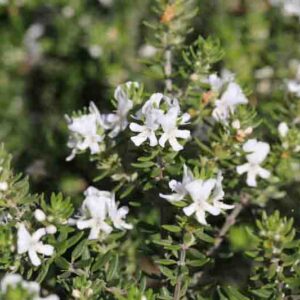
The species name alba means white, a reference to its pale flowers. Unlike many correas with tubular, fuchsia-like blooms, Correa alba typically carries open, star-shaped flowers with spreading petals. They are modest in size but charming in effect, especially against the soft grey-green foliage.
Good to know: White correa is one of the best correas for coastal gardens because it tolerates salt wind, sandy soil, pruning, and exposed positions better than many more delicate flowering shrubs.
Correa alba is native to southeastern Australia. PlantNET records it in sandy and rocky situations near the sea in New South Wales, chiefly south from Port Stephens, and Kew recognizes the species as native to southeastern Australia. It is also represented in Victoria, Tasmania, and South Australia depending on variety. In gardens outside Australia, it should be treated as an Australian native ornamental rather than a locally native plant.
White correa is valued for cool-season flowering. Bloom time varies by region, but flowers commonly appear from late fall through winter and into spring. In New South Wales, PlantNET records flowering sporadically but chiefly from April to June. The flowers are small, white to cream, and often held singly or in small clusters on short side shoots.
The foliage is one of the strongest reasons to grow Correa alba. Leaves are oval to rounded, grey-green, leathery, and pale or silvery beneath. They create a calm, matte texture that pairs beautifully with grasses, gravel, succulents, rosemary, lavender, westringia, and other drought-tolerant plants. Because the shrub is evergreen, it keeps borders looking finished even when flowers are absent.
Most garden plants grow about 3-5 feet tall and wide, although local conditions and forms matter. Coastal exposure may keep plants lower and more wind-shaped. Richer garden soil and shelter may produce a fuller shrub, occasionally approaching about 6 feet. Prostrate or compact selections can be used as low groundcovers, while upright forms make excellent informal hedges.
Correa alba is best suited to USDA Zones 9-11. It can handle light frost once established, especially in well-drained soil, but prolonged freezing, cold wet clay, and icy winds may cause damage. In marginal climates, plant it against a warm wall, in a sheltered courtyard, on a slope, or in a raised bed where winter drainage is excellent.
White correa is a valuable wildlife plant because it flowers in the cooler part of the year, when nectar can be less abundant. The blooms attract bees, small pollinators, and beneficial insects. In Australian gardens, correas are also appreciated by nectar-feeding birds. Plant several together for a stronger visual and ecological effect.
Correa alba is not usually listed as a prime browse plant, and its aromatic foliage may make it less appealing than softer garden shrubs. Still, no plant is completely deer-proof or rabbit-proof. Protect young plants in high-pressure areas until they are well established.
Once established, white correa is moderately drought tolerant, especially in coastal climates with mild temperatures and lower heat stress. Inland heat, reflected paving, and long dry summers call for occasional deep watering. The best approach is simple: water deeply, allow the soil to drain, then wait before watering again.
Correa alba is grown as an ornamental shrub, not as an edible landscape plant. Historical references to Cape Barren tea should not be taken as modern culinary guidance. Keep children and pets from chewing ornamental plants, and wear gloves when pruning if you have sensitive skin.
White correa is not generally regarded as invasive. Outside its native range, plant responsibly near natural areas and follow local guidance.
Water regularly during the first growing season so the plant establishes a broad, resilient root system. After that, reduce frequency and water deeply during extended dry periods. Container-grown plants need more attention because pots dry faster, but they should never sit in water-filled saucers.
White correa rarely needs heavy feeding. In average garden soil, a light spring application of slow-release native-plant fertilizer or composted organic matter is usually enough. Too much fertilizer can push soft growth at the expense of flowers and compact form.
Apply a thin layer of coarse mulch, gravel, leaf mold, or composted bark around the root zone. Keep mulch away from the crown and stems. In coastal and dry gardens, gravel mulch works especially well because it suppresses weeds without trapping too much moisture against the base of the plant.
Care tip:
The secret to growing Correa alba well is simple: give it sun, drainage, airflow, and light pruning. Do not pamper it with wet soil or heavy fertilizer.
Prune lightly after the main flowering flush. This keeps the shrub dense, encourages fresh branching, and prevents older plants from becoming woody and open. Avoid hard renovation pruning into bare old wood unless you know the plant has active buds below the cut.
For a hedge, tip-prune young plants early and often so they branch from the base. For a natural shrub, remove only wayward, dead, or crossing stems. For a container plant, shear lightly after flowering and rotate the pot occasionally so the plant grows evenly.
Correa alba grows well in containers if the mix drains freely. Choose a pot with generous drainage holes, use a native-plant or free-draining shrub mix, and avoid standing water. Potted plants are excellent for patios, balconies, courtyards, and seaside terraces where a compact evergreen shrub is needed.
White correa is commonly propagated from semi-hardwood cuttings because cuttings preserve the exact form, flower color, and habit of the parent plant. Seed may be possible, but seedlings can vary. For gardeners, the easiest method is to buy named selections from a reputable nursery or take cuttings from healthy, non-flowering shoots in the growing season.
This shrub struggles in cold, wet soil, heavy shade, waterlogged clay, prolonged hard freezes, and very humid gardens with poor airflow. Yellow leaves, sudden dieback, or collapsing stems often point to root stress rather than lack of fertilizer. Before feeding, check drainage, irrigation frequency, and whether mulch is piled too tightly against the stems.
| Task | Best Time |
|---|---|
| Planting | Spring, or fall in mild coastal climates |
| Flowering | Often late fall, winter, and spring, with regional variation |
| Pruning | After flowering, with light touch-up pruning during active growth |
| Feeding | Spring, lightly, only if growth is weak or soil is very poor |
| Winter Protection | Late fall to winter in marginal climates |
Yellow leaves usually indicate wet roots, poor drainage, compacted soil, or stress after planting. Let the soil dry slightly between watering, improve drainage, and avoid heavy fertilizer.
Poor flowering is most often caused by too much shade, excessive nitrogen, or overwatering. Move container plants into brighter light, prune after flowering rather than before buds open, and keep feeding modest.
Root rot is the main disease risk in poorly drained soil. Plant high, avoid soggy sites, and use coarse mulch or gravel rather than moisture-trapping material around the crown.
Healthy white correa is usually low maintenance, but stressed plants may attract scale insects or other sap-feeding pests. Improve light, airflow, and watering practices before reaching for controls.
Fast diagnostic: Yellow foliage usually means root stress. Sparse growth often means too much shade. Short flowering can mean pruning at the wrong time. Sudden collapse in wet soil may mean root rot.
Use Correa alba where you want soft evergreen structure without stiffness. It looks beautiful with silver foliage, coastal grasses, gravel paths, boulders, dry banks, and relaxed native plantings. In formal gardens, it can be clipped into a low hedge. In naturalistic gardens, it can be massed in loose drifts where the white flowers sparkle in winter light.
Good companions for Correa alba prefer full sun to light shade, well-drained soil, mild hardiness zones, and low to moderate moisture once established. Excellent companions for Correa alba in sunny, well-drained plantings include Westringia fruticosa,
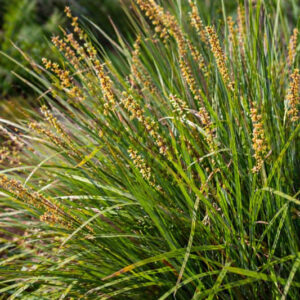
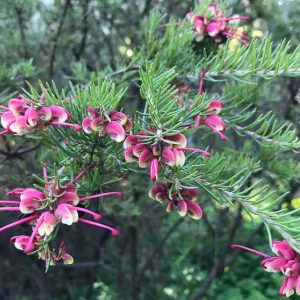
Lomandra longifolia, Grevillea rosmarinifolia, Rosemary, Creeping Rosemary, Sea Thrift, Spanish Lavender, and English Lavender.
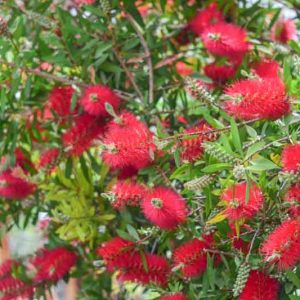
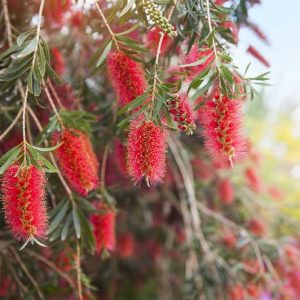
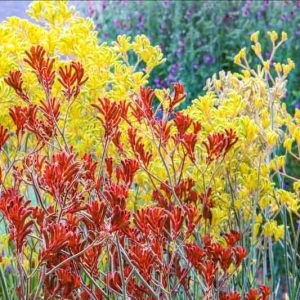
In mild coastal gardens, it can also be paired with Callistemon citrinus, Callistemon viminalis, and Anigozanthos flavidus, provided the site is frost-free or suitably protected and the soil drains well.
No. Correa alba is not native to the United States. It is native to southeastern Australia, especially coastal regions of New South Wales, Victoria, Tasmania, and South Australia depending on variety.
Correa alba usually grows about 3 to 6 feet tall and wide in gardens, although compact and prostrate forms may stay lower and upright forms may become fuller with shelter and good care.
Yes. Correa alba is excellent for coastal gardens because it tolerates salt-laden wind, sandy soil, and exposed seaside conditions once established.
Yes. Correa alba flowers provide nectar for bees, beneficial insects, and nectar-feeding birds, especially during the cooler months when fewer shrubs are in bloom.
Correa alba tolerates light shade, but it flowers best and grows densest in full sun. Deep shade can lead to sparse growth and fewer flowers.
Prune Correa alba lightly after flowering. Regular tip-pruning keeps the shrub compact and dense, while hard pruning into old bare wood should be avoided.
Correa alba is moderately drought tolerant once established, especially in mild coastal climates. It performs best with deep occasional watering during long dry periods.
Updated: May 2026 • Reviewed by Gardenia Editors
| Hardiness |
9 - 11 |
|---|---|
| Climate Zones | 14, 15, 16, 17, 18, 19, 20, 21, 22, 23, 24 |
| Plant Type | Shrubs |
| Plant Family | Rutaceae |
| Exposure | Full Sun, Partial Sun |
| Season of Interest | Spring (Early, Mid, Late), Summer (Early, Mid, Late), Fall, Winter |
| Height | 3' - 6' (90cm - 180cm) |
| Spread | 3' - 6' (90cm - 180cm) |
| Spacing | 36" - 72" (90cm - 180cm) |
| Maintenance | Low |
| Water Needs | Low, Average |
| Soil Type | Loam, Sand |
| Soil pH | Acid, Neutral |
| Soil Drainage | Moist but Well-Drained, Well-Drained |
| Characteristics | Showy, Evergreen |
| Native Plants | Australia |
| Tolerance | Drought, Salt, Dry Soil, Rocky Soil |
| Attracts | Bees, Birds |
| Garden Uses | Banks And Slopes, Beds And Borders, Hedges And Screens |
| Garden Styles | Coastal Garden, Informal and Cottage, Mediterranean Garden, Pollinator Garden |


| Hardiness |
9 - 11 |
|---|---|
| Climate Zones | 14, 15, 16, 17, 18, 19, 20, 21, 22, 23, 24 |
| Plant Type | Shrubs |
| Plant Family | Rutaceae |
| Exposure | Full Sun, Partial Sun |
| Season of Interest | Spring (Early, Mid, Late), Summer (Early, Mid, Late), Fall, Winter |
| Height | 3' - 6' (90cm - 180cm) |
| Spread | 3' - 6' (90cm - 180cm) |
| Spacing | 36" - 72" (90cm - 180cm) |
| Maintenance | Low |
| Water Needs | Low, Average |
| Soil Type | Loam, Sand |
| Soil pH | Acid, Neutral |
| Soil Drainage | Moist but Well-Drained, Well-Drained |
| Characteristics | Showy, Evergreen |
| Native Plants | Australia |
| Tolerance | Drought, Salt, Dry Soil, Rocky Soil |
| Attracts | Bees, Birds |
| Garden Uses | Banks And Slopes, Beds And Borders, Hedges And Screens |
| Garden Styles | Coastal Garden, Informal and Cottage, Mediterranean Garden, Pollinator Garden |
How many Correa alba (White Correa) do I need for my garden?
| Plant | Quantity | |
|---|---|---|
| Correa alba (White Correa) | N/A | Buy Plants |
Create a membership account to save your garden designs and to view them on any device.
Becoming a contributing member of Gardenia is easy and can be done in just a few minutes. If you provide us with your name, email address and the payment of a modest $25 annual membership fee, you will become a full member, enabling you to design and save up to 25 of your garden design ideas.
Join now and start creating your dream garden!
Create a membership account to save your garden designs and to view them on any device.
Becoming a contributing member of Gardenia is easy and can be done in just a few minutes. If you provide us with your name, email address and the payment of a modest $25 annual membership fee, you will become a full member, enabling you to design and save up to 25 of your garden design ideas.
Join now and start creating your dream garden!