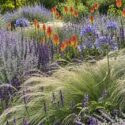
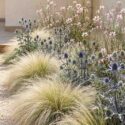
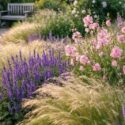
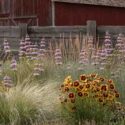
Spiny-headed Mat-rush, Spiny Headed Mat Rush, Common Mat-rush, Mat Rush, Long-leaf Matrush, Longleaf Mat-rush, Basket Grass, Honey Reed, Common Lomandra, Long Mat-rush, Spiny Mat-rush
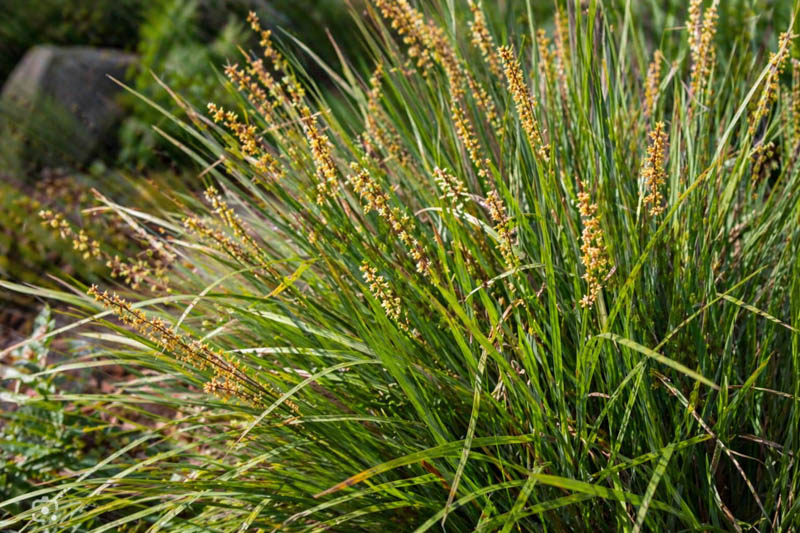


Lomandra longifolia, commonly called Spiny-headed Mat Rush, Longleaf Mat Rush, Basket Grass, or simply Lomandra, is a rugged, evergreen, grass-like perennial grown for its arching strap-like foliage, resilience, drought tolerance, and clean architectural form. It is one of those rare landscape plants that can look refined in a modern garden, natural in a native planting, and practical in a tough streetscape – all while asking for very little once established.
Despite its grassy appearance, Lomandra longifolia is not a true grass. It belongs to the asparagus family, Asparagaceae, and grows as a clumping, rhizomatous, evergreen perennial with long, narrow leaves emerging from a dense crown. In the landscape, it behaves like a dependable ornamental grass, but botanically it is closer to plants such as dianella and other strap-leaved monocots.
Lomandra longifolia is a tough, evergreen, clump-forming perennial for full sun to part shade, well-drained to seasonally moist soil, and low to moderate water once established. It is valued for drought tolerance, wind tolerance, erosion control, deer resistance, dense green texture, and its ability to perform in coastal gardens, slopes, mass plantings, containers, rain gardens, and low-maintenance landscapes.
Use: Excellent for mass planting, dry banks, slopes, erosion control, coastal gardens, curbside strips, rain gardens, native gardens, contemporary borders, low-maintenance landscapes, containers, and poolside planting.
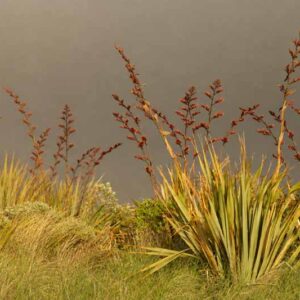
Highlight: Evergreen, strappy foliage forms dense fountains of green, with yellow to cream flower spikes that can add subtle fragrance and seasonal texture.
Design note: Use it where you want movement, structure, and toughness without the high maintenance of many ornamental grasses.
| Botanical Name | Lomandra longifolia |
|---|---|
| Family | Asparagus family (Asparagaceae) |
| Common Names | Spiny-headed Mat Rush, Longleaf Mat Rush, Basket Grass, Honey Reed, Mat Rush, Lomandra |
| Native Range | Eastern and southeastern Australia, including coastal, forest, rocky, swamp-edge, creek-margin, and Tasmanian habitats |
| Native U.S. States | None. Lomandra longifolia is not native to the United States. |
| Plant Type | Evergreen, grass-like, rhizomatous, clump-forming perennial |
| Hardiness | Commonly grown in USDA Zones 8-11; cold tolerance varies by cultivar and site |
| Height | Species often 3-5 ft. tall; compact cultivars usually 2-3 ft. tall |
| Spread | Usually 3-6 ft. wide depending on cultivar, age, climate, and moisture |
| Sun Exposure | Full sun to part shade; light shade is useful in hot inland climates |
| Soil | Adaptable; performs in sandy, loamy, clay, rocky, and seasonally moist soils if drainage is not permanently stagnant |
| Bloom Time | Spring to summer in many climates; timing varies by region and cultivar |
| Flower Color | Cream, yellow, or yellow-green flowers on branched, often spiny inflorescences |
| Foliage | Evergreen, linear, arching, strap-like leaves, often with small toothed or split tips |
| Drought Tolerant | Yes, once established |
| Deer Resistant | Generally good, though browsing can vary locally |
| Attracts | Small pollinators; dense clumps may provide cover for beneficial garden wildlife |
| Pet and Child Safety | Not typically grown as an edible plant. Leaf tips and flower spikes can be sharp, so place away from narrow walkways. |
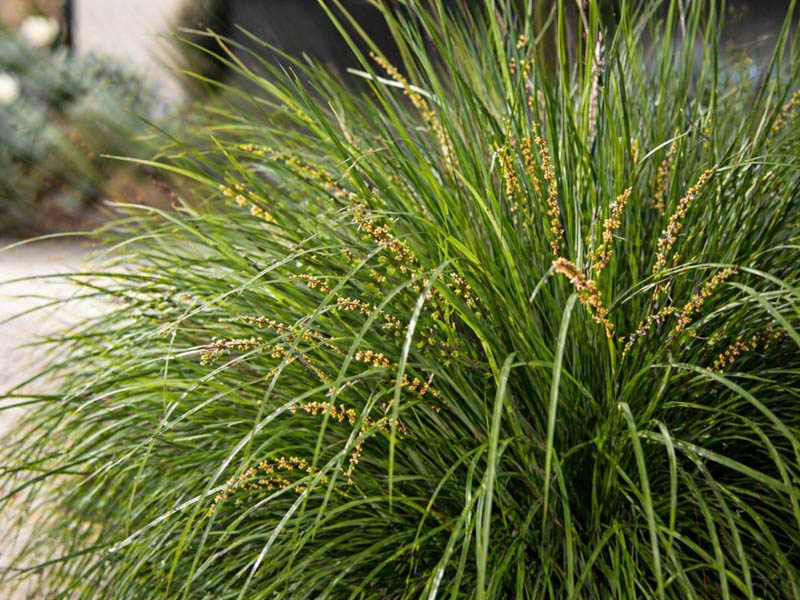
Lomandra longifolia is a long-lived Australian native perennial with dense, fountain-like clumps of evergreen foliage. The leaves are narrow, flexible, and strap-shaped, creating the relaxed movement gardeners often want from ornamental grasses. The difference is that Lomandra is typically tougher, more drought-adapted once established, and better suited to rugged sites than many fine-textured grasses.
In its native habitats, Lomandra longifolia grows across a wide range of settings, from open forests and rocky slopes to swamp margins and creek edges. That range explains why it has become so popular in designed landscapes: it can handle dry periods, periodic moisture, wind, coastal exposure, urban conditions, and low-fertility soils when planted correctly.
Good to know: Lomandra is usually sold as a grass-like landscape perennial, but it is not a true grass. That matters because its maintenance is different – do not assume it should be cut back hard every year like many ornamental grasses.
Lomandra longifolia forms a dense tussock of arching linear leaves, often 2-5 ft. tall depending on the form. The species has flat to slightly concave leaves with toothed or split tips, and mature clumps can become broad, bold, and sculptural. Flower spikes rise from the foliage, carrying clusters of small cream, yellow, or yellow-green flowers. The inflorescences can be sharp, which explains the common name Spiny-headed Mat Rush.
Lomandra longifolia is native to eastern and southeastern Australia, including Tasmania. It is common in many habitats, including coastal regions, forests, heathlands, rocky sites, creek margins, swamp edges, alluvial flats, and sandy soils. It is not native to the United States.
Bloom time varies by region, but flowers commonly appear from spring into summer. In parts of Australia, flowering may occur mainly from September to February. In North American gardens, bloom timing depends on climate, cultivar, and winter temperatures. The flowers are not the main ornamental feature from a distance, but they add texture, fragrance, and ecological value up close.
The foliage is the reason gardeners fall in love with Lomandra. It stays green through much of the year in mild climates, creates a soft fountain effect, and gives borders a polished but relaxed look. Use it to contrast with broadleaf shrubs, succulents, boulders, clipped hedges, gravel, paving, and flowering perennials. Variegated cultivars add extra brightness in containers and small spaces.
The straight species can become a substantial clump, often reaching about 3-5 ft. tall and several feet wide in favorable conditions. Many garden cultivars are more compact. Popular forms such as Lomandra longifolia ‘Breeze’ are commonly grown as 2-3 ft. mounds, while variegated selections may stay tidier and more ornamental in containers or front-of-border plantings.
Lomandra longifolia is generally best in USDA Zones 8-11, with the most reliable performance in mild-winter climates. Cold tolerance varies by cultivar, drainage, exposure, and plant maturity. In colder Zone 8 locations, plant it in a protected site with excellent drainage and avoid winter-wet soil. In hot climates, afternoon shade can reduce stress and keep foliage looking fresh.
Lomandra flowers can attract small pollinating insects, while dense clumps provide shelter and cover in layered plantings. In Australian landscapes, Lomandra longifolia also has cultural and practical significance, with leaves historically used for weaving and basket-making. For broader wildlife planting ideas, see Wildlife-Friendly Plants: Attract Bees, Butterflies & Birds.
Lomandra is generally considered deer resistant because of its tough, fibrous foliage, but no plant is completely deer-proof. Young plants may still need protection where browsing pressure is high. For more options, explore deer-resistant plants and rabbit-resistant plants.
Once established, Lomandra longifolia is highly valued as a drought-tolerant landscape plant. It is not a desert plant, but it performs beautifully in waterwise gardens where deep, occasional irrigation replaces frequent shallow watering. For more choices, see drought-tolerant plants.
Lomandra is not typically grown as an edible ornamental in home gardens. The leaf tips and flowering spikes may be sharp, so wear gloves when grooming mature clumps and avoid planting spiny-flowered forms where children, pets, or bare legs will brush against them daily.
Lomandra longifolia is clump-forming and widely used in landscapes, but gardeners should still check local guidance before planting near wildlands, especially in mild climates outside its native range. Remove unwanted seedlings if they appear, avoid dumping garden waste into natural areas, and choose sterile or low-seeding cultivars where self-sowing is a concern.
Lomandra does not need rich soil or heavy fertilizer. In average garden soil, a light compost top-dressing or low-rate slow-release fertilizer in spring is usually enough. Overfeeding can create lush, floppy growth, especially in shade.
Mulch with gravel, bark, composted mulch, or leaf mold to reduce weeds and conserve moisture. Keep mulch slightly away from the crown so new shoots can breathe and water does not sit against the base.
Design tip:
Plant Lomandra in bold drifts instead of lonely singles. Repeating the same fountain-shaped clump creates movement, unity, and a professional landscape rhythm.
Remove tired, damaged, or brown foliage by pulling or cutting old leaves at the base. Light trimming is usually better than hard annual shearing. If a plant becomes badly damaged by frost, wait until new growth begins, then remove the dead foliage. Severe cutbacks can work on healthy plants, but recovery may be slow and uneven.
Established clumps can be divided in spring or early fall. Lift the clump, separate vigorous sections with roots attached, and replant at the same depth. Water thoroughly after division. Division is the best way to maintain named cultivars because seed-grown plants may vary.
Lomandra is excellent in containers, especially compact cultivars. Choose a broad, stable pot, use free-draining potting mix, and water when the upper mix begins to dry. Container plants need more regular irrigation than plants in the ground, but they still dislike sitting in saucers of stagnant water.
Care tip:
The first season matters most. Give Lomandra consistent water while it roots in, then reduce irrigation and let the plant become the tough, low-maintenance performer it is famous for being.
Lomandra struggles in deep shade, poorly drained winter soil, harsh cold, and sites where the crown stays wet for long periods. It may also look tired if planted in a container that dries out completely during heat waves. If foliage browns suddenly, check for drought stress, crown rot, freeze damage, or root disturbance. If growth is thin and floppy, increase light and reduce fertilizer.
| Task | Best Time |
|---|---|
| Planting | Spring or fall in mild climates; spring in colder areas. |
| Flowering | Spring to summer, depending on region and cultivar. |
| Grooming | Late winter to spring, after cold damage is visible. |
| Division | Spring or early fall. |
| Water reduction | After the first full growing season, once roots are established. |
Lomandra longifolia can be propagated by division or seed. Division is best for gardeners because it is reliable and preserves the exact traits of named cultivars. Seed propagation is useful for restoration and revegetation work, but seedlings may vary in size, foliage texture, flowering, and overall habit.
Brown tips may result from drought stress, reflected heat, salt spray, frost, or old foliage aging naturally. Deep watering during establishment and occasional grooming usually solves the problem.
Floppy growth often means too much shade, too much nitrogen, or crowded conditions. Move container plants to brighter light and avoid heavy feeding.
Crown rot is most likely in poorly drained soil, especially during cool wet weather. Plant high, improve drainage, and avoid burying the crown under mulch.
In colder climates, foliage may bronze, collapse, or burn after hard freezes. Wait until the danger of severe cold has passed, then trim damaged foliage and watch for new shoots.
Fast diagnostic: Brown tips usually mean drought, heat, salt, frost, or aging foliage. Floppy growth usually means too much shade or fertilizer. Crown collapse usually points to cold injury or wet soil.
Lomandra is generally pest-resistant and low-maintenance. Stressed plants may occasionally attract scale insects, mealybugs, or spider mites, especially in containers or hot, dry locations. The most serious disease issue is usually rot caused by poor drainage, overwatering, or mulch piled against the crown.
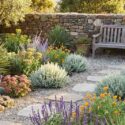
Use Lomandra when you want the softness of ornamental grass with the toughness of a landscape workhorse. It is especially effective in modern, Mediterranean, coastal, native, and waterwise gardens.
Choose companion plants that match Lomandra longifolia in hardiness, full sun to part shade exposure, adaptable well-drained soil, and low to moderate moisture once established.
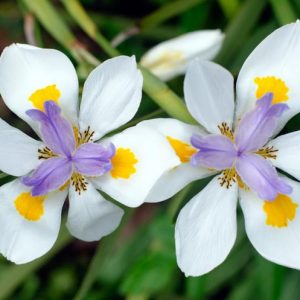
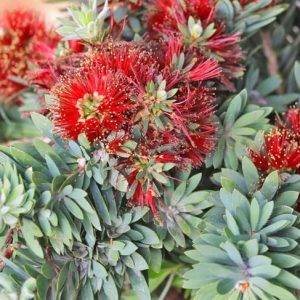
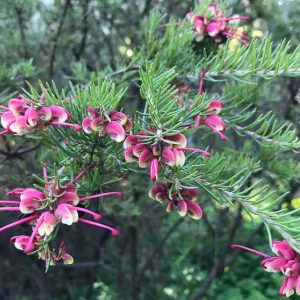
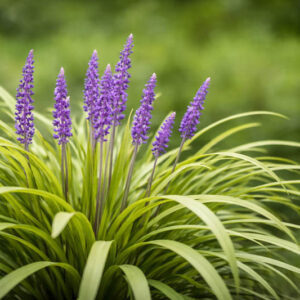
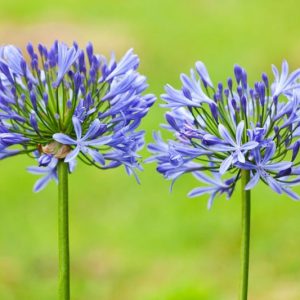
Companion plants: Dietes iridioides (African Iris), Dianella tasmanica (Tasman Flax Lily), Westringia fruticosa (Coastal Rosemary), Grevillea rosmarinifolia (Rosemary Grevillea), Callistemon viminalis ‘Little John’ (Dwarf Bottlebrush), Phormium tenax (New Zealand Flax), Agapanthus africanus (African Lily), Liriope muscari (Lilyturf), Anigozanthos (Kangaroo Paw), Senecio mandraliscae (Blue Chalksticks), Salvia rosmarinus (Rosemary), and Festuca glauca (Blue Fescue).
No. Lomandra longifolia is not native to any U.S. state. It is native to eastern and southeastern Australia, including Tasmania.
No. Lomandra longifolia looks like an ornamental grass, but it is a grass-like evergreen perennial in the asparagus family, Asparagaceae.
The species can reach about 3 to 5 feet tall and several feet wide, while many compact cultivars grow closer to 2 to 3 feet tall and wide.
Yes. Lomandra longifolia grows in full sun to part shade. It can tolerate bright shade, although deep shade may produce looser, less compact growth.
Yes. Lomandra longifolia is drought tolerant once established, especially when watered deeply during the first season to develop a strong root system.
Lomandra longifolia is generally deer resistant because of its tough, fibrous foliage, but deer browsing varies by region and hunger pressure.
Yes. Compact Lomandra longifolia cultivars grow well in containers if the pot has drainage holes and the soil is allowed to dry slightly between waterings.
Usually only light grooming is needed. Remove old or damaged leaves at the base. Hard cutbacks should be reserved for frost damage or rejuvenation, because recovery can be slow.
Updated: April 2026 • Reviewed by Gardenia Editors
| Hardiness |
8 - 11 |
|---|---|
| Plant Type | Ornamental Grasses |
| Plant Family | Asparagaceae |
| Exposure | Full Sun, Partial Sun |
| Season of Interest | Spring (Early, Mid, Late), Summer (Early, Mid, Late), Fall, Winter |
| Height | 3' - 5' (90cm - 150cm) |
| Spread | 3' - 6' (90cm - 180cm) |
| Spacing | 36" - 72" (90cm - 180cm) |
| Maintenance | Low |
| Water Needs | Average |
| Soil Type | Clay, Loam, Sand |
| Soil pH | Acid, Neutral |
| Soil Drainage | Well-Drained |
| Characteristics | Showy, Evergreen |
| Native Plants | Australia |
| Tolerance | Drought, Clay Soil, Deer, Dry Soil, Full Shade, Rocky Soil, Salt |
| Garden Uses | Beds And Borders, Hedges And Screens, Patio And Containers |
| Garden Styles | Coastal Garden, Informal and Cottage, Woodland Garden |


| Hardiness |
8 - 11 |
|---|---|
| Plant Type | Ornamental Grasses |
| Plant Family | Asparagaceae |
| Exposure | Full Sun, Partial Sun |
| Season of Interest | Spring (Early, Mid, Late), Summer (Early, Mid, Late), Fall, Winter |
| Height | 3' - 5' (90cm - 150cm) |
| Spread | 3' - 6' (90cm - 180cm) |
| Spacing | 36" - 72" (90cm - 180cm) |
| Maintenance | Low |
| Water Needs | Average |
| Soil Type | Clay, Loam, Sand |
| Soil pH | Acid, Neutral |
| Soil Drainage | Well-Drained |
| Characteristics | Showy, Evergreen |
| Native Plants | Australia |
| Tolerance | Drought, Clay Soil, Deer, Dry Soil, Full Shade, Rocky Soil, Salt |
| Garden Uses | Beds And Borders, Hedges And Screens, Patio And Containers |
| Garden Styles | Coastal Garden, Informal and Cottage, Woodland Garden |
How many Lomandra longifolia (Spiny-headed Mat Rush) do I need for my garden?
| Plant | Quantity | |
|---|---|---|
| Lomandra longifolia (Spiny-headed Mat Rush) | N/A | Buy Plants |
Create a membership account to save your garden designs and to view them on any device.
Becoming a contributing member of Gardenia is easy and can be done in just a few minutes. If you provide us with your name, email address and the payment of a modest $25 annual membership fee, you will become a full member, enabling you to design and save up to 25 of your garden design ideas.
Join now and start creating your dream garden!
Create a membership account to save your garden designs and to view them on any device.
Becoming a contributing member of Gardenia is easy and can be done in just a few minutes. If you provide us with your name, email address and the payment of a modest $25 annual membership fee, you will become a full member, enabling you to design and save up to 25 of your garden design ideas.
Join now and start creating your dream garden!