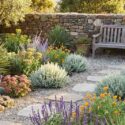
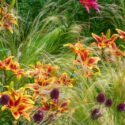
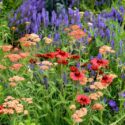
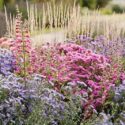
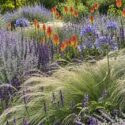
Create a coastal garden that thrives in salt, wind, sun, and sandy soil. Discover tough, beautiful seaside plants, from windbreak shrubs and silver foliage to colorful flowers, grasses, and groundcovers. Use Gardenia Plant Finder and Gardenia Design Tool to choose, plan, and design a resilient garden by the sea.
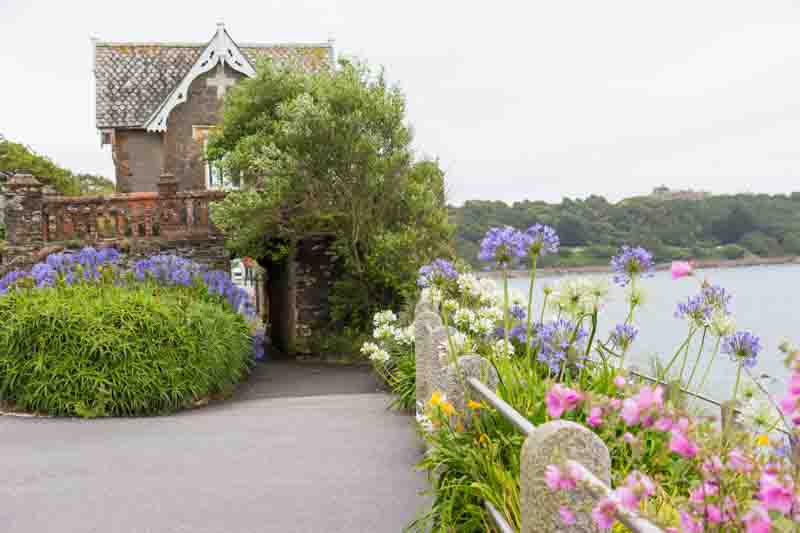


Windy coastal gardens can be spectacular: full of movement, light, texture, wildlife, and sweeping views. They can also be unforgiving.
Salt-laden air, strong winds, sandy soil, reflected light, drought, storms, and exposed sites all influence what will thrive by the sea. But one mistake causes more coastal garden failures than almost anything else: using one universal plant list for every coastline.
A coastal garden in Cornwall is not the same as a coastal garden in California. A beachside garden in Florida is not the same as a seaside garden in Western Australia. Even within one country, plant choices can shift dramatically between cool, foggy coasts, hot humid shorelines, tropical beaches, and Mediterranean-climate headlands.
Important coastal gardening truth
There is no single best plant list for windy coastal gardens. The best choices depend on your region, climate, salt exposure, wind intensity, soil, rainfall, drainage, and distance from direct sea spray.
This guide explains the core principles that apply to nearly all windy coastal gardens, then breaks down plant choices by region. You will find recommended plants for UK and Irish coastal gardens, US West Coast gardens, US East Coast and Gulf Coast gardens, Australian coastal gardens, New Zealand coastal gardens, and Mediterranean coastal climates.
Use this article as a practical starting point. Then refine your plant list with the Gardenia Plant Finder, where you can filter plants by hardiness, light, soil, water needs, size, bloom season, and garden use. Once you have a shortlist, use the Gardenia Design Tool to arrange windbreaks, shrubs, groundcovers, grasses, and flowering accents into a cohesive coastal planting plan.
Quick answer: The best plants for windy coastal gardens are regional.
Although every coastline is different, most windy coastal gardens share a similar set of pressures.
The best coastal plants often share useful traits. Look for plants with small leaves, waxy leaves, leathery foliage, silver or gray foliage, hairy leaves, aromatic oils, flexible stems, deep roots, low growth, or naturally wind-shaped habits. These features help plants conserve moisture, reduce salt damage, and bend rather than break in constant air movement.

Before choosing plants, decide how exposed your garden really is. “Coastal” can mean anything from a dune-front garden hit by direct sea spray to a sheltered town garden a mile inland.
| Exposure Level | Typical Conditions | Best Planting Strategy |
|---|---|---|
| Front-line coastal exposure | Direct salt spray, strong wind, sandy or shallow soil, reflected light, possible storm damage. | Use the toughest salt- and wind-tolerant shrubs, grasses, dune plants, and groundcovers. Keep planting low, layered, and resilient. |
| Moderate coastal exposure | Salt-laden wind, occasional spray, dry soil, strong light, but some shelter from buildings, slopes, walls, or existing vegetation. | Create a wind-filtering shrub layer, then add grasses, perennials, and flowering plants in protected pockets. |
| Sheltered coastal garden | Maritime climate, wind at times, but little direct salt spray. | Use a broader palette, but still favor wind-tolerant, drought-aware, regionally appropriate plants. |
Coastal gardening advice becomes misleading when it ignores geography. A plant that thrives in a cool, moist UK coastal garden may fail in a hot, humid Florida garden. A California native adapted to dry summers may not enjoy the heavy summer rainfall of the Gulf Coast. An Australian coastal native may be superb in Sydney or Perth but unsuitable for a cold northern European site.
Regional appropriateness matters for three reasons. First, the plant must tolerate the local climate, including winter cold, summer heat, rainfall, drought, humidity, and storm exposure. Second, it must suit the soil, drainage, and exposure of the site. Third, it should be responsible in the local ecosystem. A plant that is useful in one region may be invasive, protected, or environmentally inappropriate in another.
Best practice
Use global coastal plant lists as inspiration, not as final planting plans. Make your final choices from plants known to perform well in your specific region, climate, soil, and level of salt exposure.
Use this table as a quick planning guide before reading the regional sections below. Choose shrubs and trees first for shelter, then add lower plants and grasses once you know your exposure level.
| Region | Best for Shelter and Structure | Best for Lower Planting | Best for Movement and Soil Cover |
|---|---|---|---|
| UK and Ireland | Hawthorn, sea buckthorn, escallonia, griselinia, olearia | Sea thrift, sea holly, lavender, rosemary, red valerian | Hardy grasses, sea thrift, low groundcovers |
| US West Coast | Ceanothus, manzanita, coyote brush, shore pine, juniper | Seaside daisy, buckwheat, dudleya, California poppy, native salvias | Native bunchgrasses, prostrate coyote brush, low buckwheats |
| US East Coast and Gulf Coast | Yaupon holly, wax myrtle, saw palmetto, sabal palm, eastern red cedar | Beach sunflower, blanket flower, railroad vine, lantana where appropriate | Sea oats, muhly grass, native coastal grasses |
| Australia | Coast banksia, westringia, correa, callistemon, melaleuca | Dianella, creeping boobialla, karkalla, cushion bush | Lomandra, dianella, native coastal grasses and sedges |
| New Zealand | Phormium, griselinia, karo, tea tree, hopbush, cordyline | Shore koromiko, wire vine, beach morning glory, olearia | New Zealand wind grass, muehlenbeckia, native grasses |
| Mediterranean coastal climates | Olive, lentisk, rosemary, cistus, teucrium | Lavender, santolina, phlomis, helichrysum, agave, euphorbia | Regionally appropriate grasses, where not invasive, low herbs, drought-tolerant groundcovers |
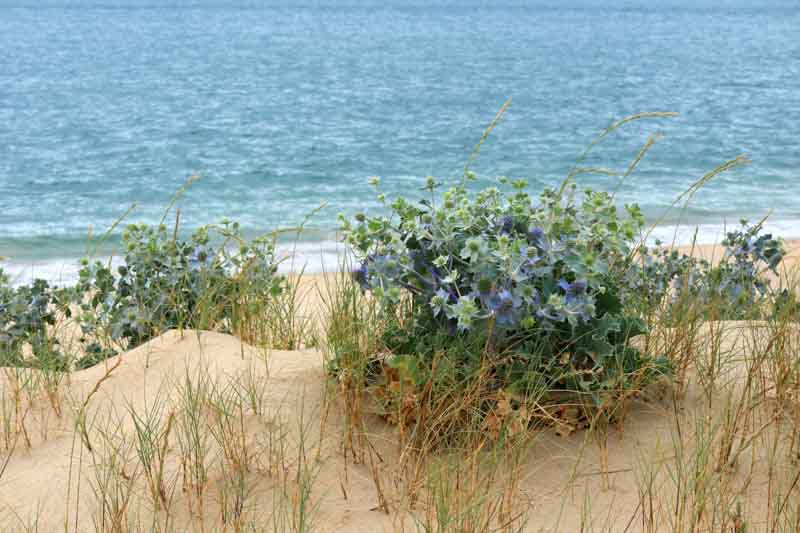
UK and Irish coastal gardens often face cool temperatures, strong winds, salt-laden air, heavy rainfall, and soils that may be sharply drained, sandy, heavy, or moisture-retentive. The best plants are hardy, wind-resistant, salt-tolerant, and able to recover from exposure. In milder coastal areas, the plant palette can be surprisingly broad once hedges, shrubs, walls, or fences have created shelter.
Sea thrift (Armeria maritima) is one of the most iconic plants for UK and Irish coastal gardens. Its compact grassy foliage and rounded pink or white flowers suit rock gardens, gravel gardens, path edges, and exposed seaside borders. Sea holly (Eryngium maritimum) is another excellent choice for sunny, free-draining coastal sites, bringing metallic blue stems, spiny architectural foliage, and strong seaside character.
For hedging, screening, and structure, start with tough shrubs and small trees that filter wind before it reaches more ornamental planting. Hawthorn (Crataegus monogyna) is a resilient native choice for wildlife-friendly coastal hedges, with spring flowers, berries, and excellent value for birds. Sea buckthorn (Hippophae rhamnoides) is especially useful in exposed, sandy, salt-laden sites where a very tough windbreak shrub is needed. Use it where space allows, as it can sucker and form dense thickets.
Escallonia can make a glossy evergreen flowering hedge in milder coastal gardens, while New Zealand broadleaf (Griselinia littoralis), daisy bush (Olearia × scilloniensis), and shrubby hare’s ear (Bupleurum fruticosum) are valuable in milder coastal sites for evergreen shelter, salt tolerance, and wind-filtering structure.
For sunny borders and lower planting, combine compact coastal perennials with hardy grasses and aromatic plants where drainage is good. Lavender, rosemary, santolina, Mexican feather grass (where not invasive), red valerian, and hardy hebe/veronica can create a resilient, low-maintenance coastal planting with fragrance, movement, silver foliage, pollinator value, and long seasonal interest.
In the most exposed sites, place softer flowering plants behind a hedge, wall, fence, or shrub layer so they are protected from the strongest salt-laden winds.
UK coastal design tip
Build shelter first. Use tough front-line plants such as hawthorn, sea buckthorn, daisy bush, escallonia, New Zealand broadleaf, and shrubby hare’s ear to create calmer pockets. Then plant sea thrift, sea holly, hardy grasses, lavender, rosemary, and other ornamental plants behind them.
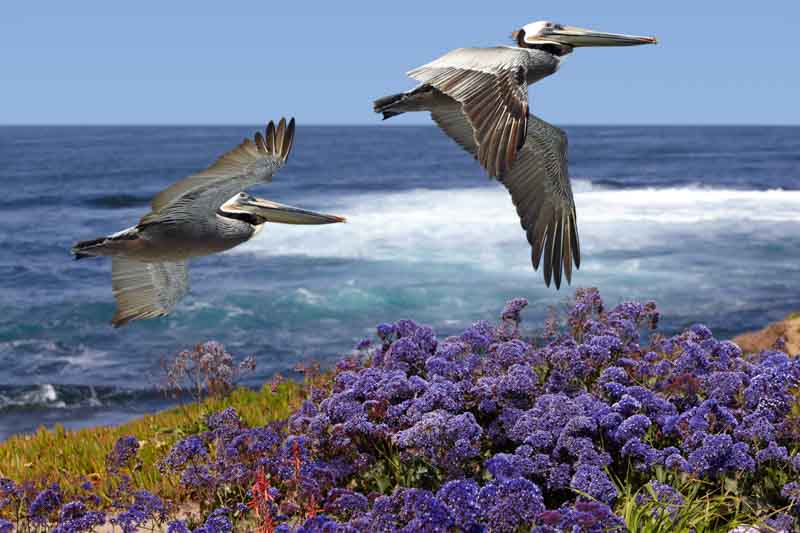
The US West Coast is not one climate. Southern California, Northern California, Oregon, and Washington all differ. Still, many Pacific coastal gardens share some combination of salt wind, fog, sandy or rocky soil, drought, and summer-dry conditions.
In California, native and climate-adapted plants are often the strongest choices. California lilac (Ceanothus) offers evergreen structure and spectacular blue flowers, though it needs excellent drainage and careful site selection. Arctostaphylos, or manzanita, brings sculptural branching, drought tolerance, and year-round character. Coyote brush (Baccharis pilularis), especially prostrate forms, can be useful for tough coastal groundcover, slope stabilization, and informal planting.
Seaside daisy (Erigeron glaucus) is a valuable flowering perennial for coastal bluffs and sunny exposed gardens. Buckwheat (Eriogonum) supports pollinators and handles lean soils. Dudleya species are excellent for coastal rock gardens, walls, and containers, especially where drainage is sharp and irrigation is restrained.
Other useful West Coast choices may include California poppy, native salvias, shore pine, juniper, native bunchgrasses, and regionally appropriate coastal shrubs. In cooler Pacific Northwest coastal gardens, evergreen shrubs, conifers, salal, shore pine, native grasses, and local groundcovers may be better choices than plants from dry Southern California.
West Coast caution
Many California natives dislike summer irrigation, heavy clay, or poor drainage. Choose species for your exact coastal zone and avoid assuming that every “drought-tolerant” plant will suit every coastal garden.
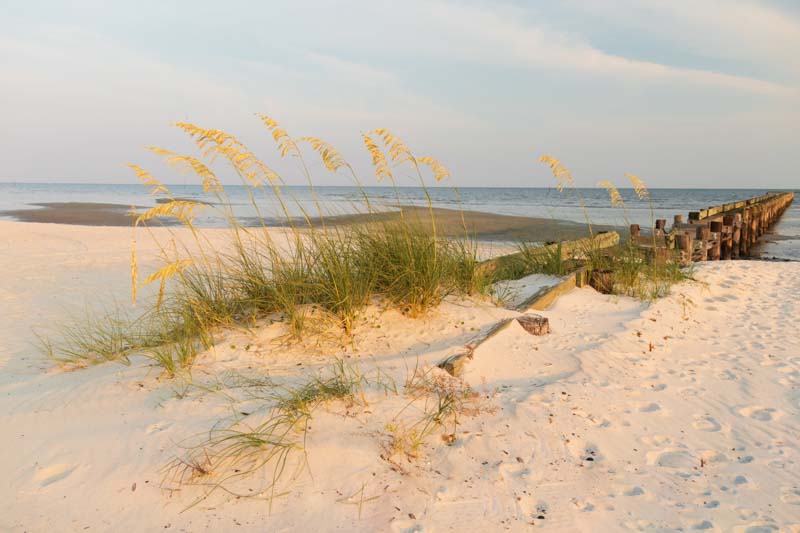
US East Coast and Gulf Coast gardens often face a very different set of pressures from Pacific coastal gardens. Heat, humidity, tropical storms, hurricanes, salt spray, sandy soil, and occasional saltwater flooding can all affect plant survival.
In the Southeast and Gulf Coast, yaupon holly (Ilex vomitoria) is a highly useful evergreen shrub or small tree. Wax myrtle (Morella cerifera, syn. Myrica cerifera) is valuable for screens, wildlife gardens, and informal coastal hedges. Saw palmetto (Serenoa repens) is a tough, architectural native for warm coastal regions.
Sea oats (Uniola paniculata) are iconic for dune environments and coastal stabilization, though they may be protected in some areas. Source them responsibly and follow local rules. Beach sunflower (Helianthus debilis) is a cheerful groundcover for sandy, sunny coastal sites. Muhly grass (Muhlenbergia capillaris) adds soft pink seasonal plumes and movement.
For larger structure, sabal palm, eastern red cedar (Juniperus virginiana), and regionally appropriate live oaks or palms may be useful depending on location. In warm zones, plants such as blanket flower (Gaillardia), lantana, and railroad vine (Ipomoea pes-caprae) can provide color and groundcover, but local invasiveness and site suitability should always be checked.
Gulf and Atlantic Coast caution
Do not assume drought-tolerant Mediterranean plants will like hot, humid coastal climates. Some thrive, but many struggle with humidity, wet summers, and storm conditions. Also check local rules before planting dune plants, spreading vines, lantana, or any species near sensitive coastal habitats.
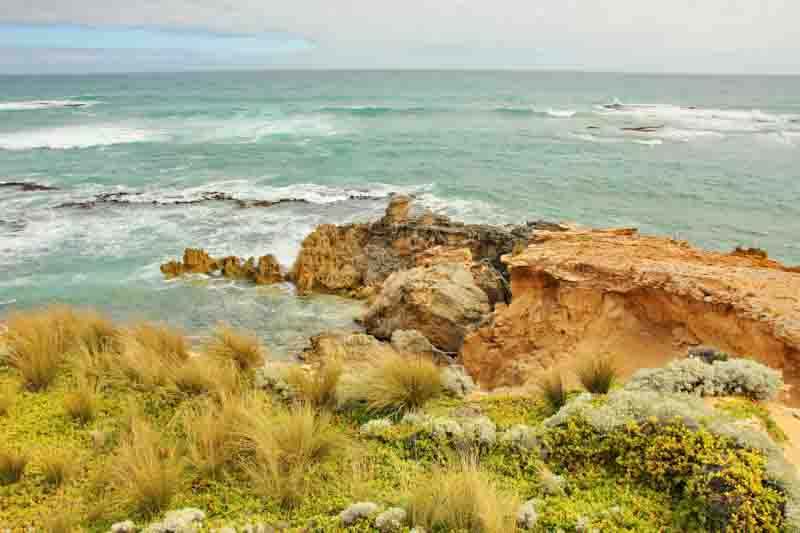
Australia has an extraordinary range of coastal climates, from humid subtropical shores to Mediterranean-climate coasts, cool southern regions, and hot dry coastal areas. The best Australian coastal gardens usually rely heavily on regional natives that are already adapted to salt, wind, sandy soil, drought, and intense light.
Coast rosemary (Westringia fruticosa) is one of the most useful shrubs for exposed Australian coastal gardens. It has narrow gray-green leaves, a tidy habit, and excellent tolerance of pruning, wind, and salt. Coast banksia (Banksia integrifolia) is a superb tree or large shrub for suitable coastal sites, offering wildlife value, structure, and strong seaside character.
Correa brings nectar-rich flowers and tough evergreen foliage to many coastal gardens. Bottlebrush (Callistemon) and Melaleuca can provide flowers, screening, and habitat value. Spiny-headed mat rush (Lomandra) and Tasman flax lily (Dianella tasmanica) are excellent grass-like plants for massing, path edges, and modern coastal designs.
For groundcover, creeping boobialla (Myoporum parvifolium), karkalla (Carpobrotus rossii), and cushion bush (Leucophyta brownii) can be useful in the right regions and conditions.
Use local native-plant guidance whenever possible, especially near bushland, dunes, or ecologically sensitive coastal areas. A plant suitable for coastal Victoria may not be ideal for tropical Queensland or dry coastal Western Australia.
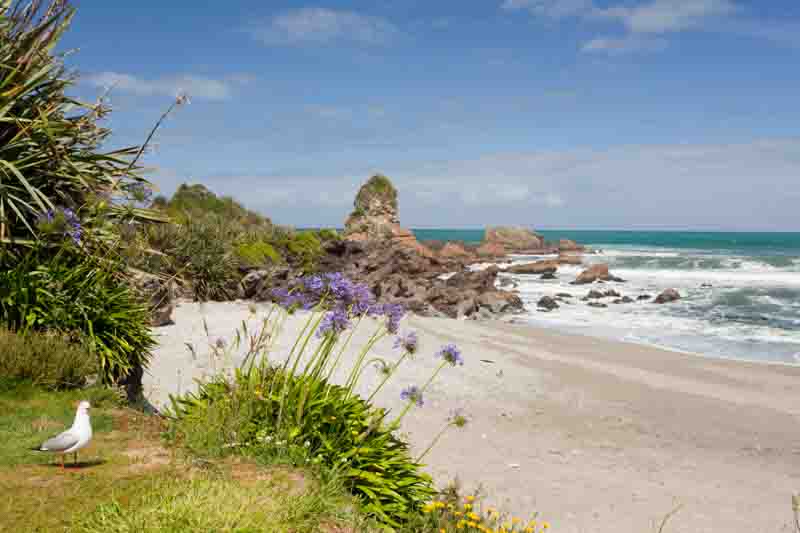
New Zealand coastal gardens often succeed when they are built around strong evergreen structure, flexible foliage, and plants that can cope with salt-laden wind. Many New Zealand natives are naturally adapted to exposed shorelines, but conditions still vary widely between the North Island and South Island, sheltered bays and open headlands, sandy soils and heavier garden soils, mild frost-free coasts and cooler southern sites.
New Zealand flax (Phormium tenax) is one of the classic architectural plants for windy coastal gardens. Its strong, strappy leaves move with the wind instead of fighting it, giving the garden year-round structure and a bold native character. For shelter and screening, New Zealand broadleaf (Griselinia littoralis) is widely used as an evergreen coastal hedge, especially where a wind-filtering framework is needed.
Hopbush (Dodonaea viscosa) is a strong candidate for windy coastal gardens, useful as a small tree, screen, or wind-filtering shrub. Tea tree (Leptospermum scoparium) is valuable for tough, exposed, poor soils and brings habitat value, flowers, and a naturalistic New Zealand character. Karo (Pittosporum crassifolium) is also a good choice for exposed coastal plantings.
Shore koromiko (Veronica elliptica, formerly Hebe elliptica) offers evergreen foliage and flowers in seaside conditions. Cabbage tree (Cordyline australis) adds bold vertical form and a distinctly New Zealand silhouette, while akiraho (Olearia paniculata) can be used for evergreen shelter, hedging, and wind-filtering structure. Daisy bush (Olearia × scilloniensis) is another useful olearia option for flowers, evergreen texture, and coastal shelter in suitable gardens.
For movement, texture, and lower planting, choose grasses and groundcovers carefully. New Zealand wind grass (Anemanthele lessoniana, syn. Stipa arundinacea) is a graceful choice for windy gardens, with fine foliage that catches the light and softens harder evergreen shrubs. Wire vine (Muehlenbeckia complexa) can be useful as a tough scrambling plant or informal groundcover on banks, walls, and naturalistic coastal edges. Beach morning glory (Calystegia soldanella) is best reserved for sandy, dune-style sites where its spreading habit suits the setting.
New Zealand coastal planting tip
Use shrubs and small trees to create shelter first, then add grasses, groundcovers, and flowering accents in protected pockets. Choose plants for your island, exposure, frost risk, rainfall, and soil.
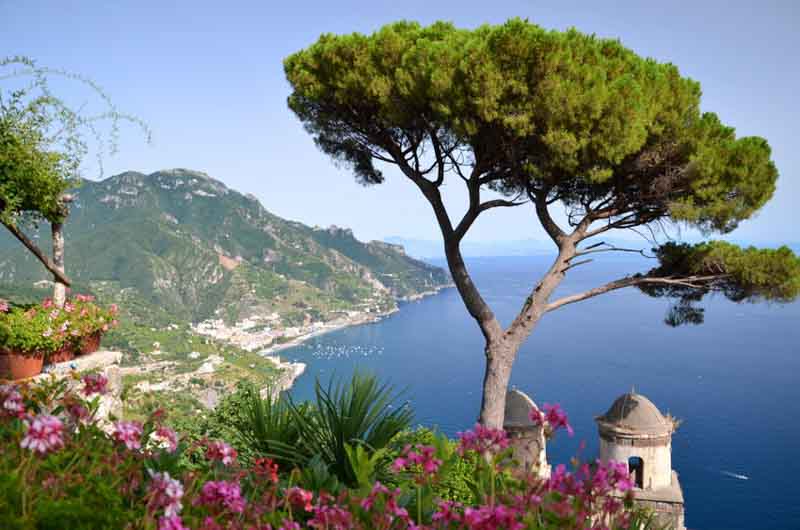
Mediterranean coastal gardens need plants that tolerate wind, drought, sun, lean soil, and summer dryness. Many of the best choices have silver, gray, aromatic, waxy, or leathery foliage, which helps them conserve moisture and withstand reflected light.
Lavandula, rosemary, Santolina, Cistus, Teucrium, Phlomis, Helichrysum, and Stipa create the classic Mediterranean coastal look: aromatic, drought-tolerant, sun-loving, and textural.
Olive, Pistacia lentiscus, Agave, and selected Euphorbia species add structure and drama.
This palette can work beautifully in parts of coastal California, southern Europe, coastal South Australia, and other summer-dry regions. It is less reliable in humid subtropical coastal climates unless plants are chosen with care.
Mediterranean plant caution
Some Mediterranean-style plants, including certain grasses and spreading groundcovers, can become invasive outside their native or well-managed range. Check local invasive-plant guidance before planting near dunes, wildlands, or natural coastlines.
A successful coastal garden usually begins with shelter. Windbreaks do not need to block wind completely. In fact, solid barriers can create turbulence. The best windbreaks filter wind, slow it down, and protect the garden behind them.
Good windbreak plants vary by region, but common candidates include Griselinia, Escallonia, Olearia, Pittosporum, Westringia, hawthorn, sea buckthorn, juniper, pine, wax myrtle, yaupon holly, banksia, melaleuca, and coprosma.
Windbreak formula
Use taller shrubs or small trees at the back, medium shrubs in front, then grasses and groundcovers at the base. Layered planting protects the garden better than one flat row of plants.
Groundcovers are essential in coastal gardens because bare soil dries quickly, blows away, erodes, and invites weeds. The best coastal groundcovers knit the soil together while tolerating wind, sun, and poor fertility.
Good choices may include sea thrift, Erigeron, Gazania where appropriate, Carpobrotus in suitable native or non-invasive contexts, Myoporum, Arctostaphylos uva-ursi, Baccharis pilularis prostrate forms, beach sunflower, railroad vine, Muehlenbeckia, and regionally appropriate sedges or grasses.
Be careful with vigorous groundcovers. Some plants used historically for coastal erosion control can become invasive outside their native range. Always check local guidance before planting spreading species near dunes, wildlands, or sensitive habitats.
Many tough coastal plants are vigorous by nature. That can be useful in a harsh garden, but risky near dunes, bushland, cliffs, wetlands, or native plant communities. A plant that is helpful in one region can be invasive, protected, restricted, or ecologically unsuitable in another.
| Plant or Plant Group | Why to Check First |
|---|---|
| Carpobrotus and other spreading ice plants | Useful in some native ranges, but invasive or problematic in some coastal regions. |
| Lantana | Can be invasive in warm climates. Use locally recommended, non-invasive, or sterile selections where appropriate. |
| Mexican feather grass / Stipa tenuissima | Beautiful and wind-tolerant, but may self-seed aggressively in some climates. |
| Sea oats | Important dune plant that may be protected in some areas. Source responsibly and follow local rules. |
| Sea buckthorn | Excellent for tough exposed sites, but can sucker and form dense thickets where space is limited. |
| Gazania and vigorous groundcovers | Useful in some gardens, but check local invasive potential before planting near natural areas. |
A beautiful coastal garden is not just a collection of tough plants. It is a layered system. The toughest plants take the front-line exposure. More ornamental plants sit behind them. Groundcovers protect the soil. Grasses add movement. Shrubs create rhythm. Trees or hedges slow the wind.
Common mistake
Planting delicate flowers directly into full coastal exposure usually fails. Build shelter first, then add color in the protected pockets.

The strongest coastal gardens are planned before they are planted. A plant may be salt-tolerant but too large for the space. Another may tolerate wind but dislike your winter cold. A third may be beautiful but need more water than your sandy soil can hold.
Use the Gardenia Plant Finder to narrow choices by hardiness, exposure, soil type, water needs, height, spread, flower color, bloom time, and garden style. This helps you move from a generic coastal plant list to a plant palette that fits your actual garden.
Then use the Gardenia Design Tool to arrange plants in layers. Place windbreak shrubs first. Add evergreen structure. Repeat grasses and groundcovers. Add flowering plants where they will be sheltered enough to perform. This step is especially useful for windy gardens because spacing, height, and exposure are just as important as plant names.
Best next step
Build a regional shortlist in the Gardenia Plant Finder, then test your layout in the Gardenia Design Tool. Coastal gardens reward planning, layering, and plant choices matched to place.
A successful windy coastal garden is shaped by its setting, not forced against it. The most resilient plantings work with the local climate, soil, salt exposure, and wind patterns, using plants that are naturally suited to the conditions rather than simply tough enough to survive them.
When the planting feels rooted in place, the garden gains more than durability. It develops character: wind-shaped foliage, textured grasses, wildlife-friendly shelter, seasonal flowers, and a strong connection to the surrounding coast.
With thoughtful plant choices and a layered design, even an exposed seaside garden can become generous, beautiful, and enduring.
What are the best plants for windy coastal gardens?
The best plants for windy coastal gardens depend on the region. UK gardens may use sea thrift, sea holly, escallonia, griselinia, olearia, hawthorn, and sea buckthorn. California gardens may use ceanothus, manzanita, coyote brush, seaside daisy, coast buckwheat, dudleya, and native grasses. US East Coast and Gulf Coast gardens may use yaupon holly, wax myrtle, saw palmetto, sea oats, beach sunflower, sabal palm, and muhly grass. Australian gardens often use banksia, westringia, correa, lomandra, dianella, myoporum, and pigface.
Why do coastal plant choices vary by region?
Coastal plant choices vary because coastlines have different climates, soils, rainfall patterns, winter temperatures, summer heat, humidity, salt exposure, and ecosystems. A plant that thrives on a cool UK coast may fail in humid Florida, while a California native adapted to dry summers may not suit tropical or subtropical coastal conditions. Always choose plants for your local climate and exposure.
What makes a plant good for coastal wind?
Good plants for coastal wind often have flexible stems, narrow leaves, waxy leaves, leathery foliage, silver or hairy leaves, deep roots, compact growth, or a low spreading habit. These features help plants reduce moisture loss, resist salt damage, and bend rather than break in strong winds.
What is the best hedge for a windy coastal garden?
The best hedge for a windy coastal garden depends on region. In the UK, griselinia, escallonia, olearia, hawthorn, sea buckthorn, and elaeagnus are often useful. In Australia, westringia, banksia, melaleuca, callistemon, and myoporum may be appropriate. In Gulf Coast gardens, wax myrtle, yaupon holly, and eastern red cedar can be useful. A mixed, layered windbreak is often better than a single-species hedge.
How do you protect plants from coastal wind?
Protect plants from coastal wind by creating layered shelter with hedges, shrubs, small trees, fences, screens, or walls. Place the toughest salt- and wind-tolerant plants in the most exposed areas, then grow more ornamental plants behind them. Mulch the soil, water deeply during establishment, avoid excessive fertilizer, and use groundcovers to reduce erosion and evaporation.
What plants grow well in sandy coastal soil?
Plants for sandy coastal soil should tolerate fast drainage, low fertility, sun, wind, and sometimes salt. Good choices may include sea thrift, sea holly, lavender, santolina, erigeron, gazania, beach sunflower, sea oats, westringia, lomandra, dianella, myoporum, pigface, juniper, manzanita, coyote brush, and regionally appropriate native grasses or groundcovers.
Can Mediterranean plants grow in coastal gardens?
Mediterranean plants can grow very well in coastal gardens with dry summers, full sun, and well-drained soil. Lavender, rosemary, santolina, cistus, teucrium, phlomis, olive, stipa, and agave are good examples. However, some Mediterranean plants struggle in hot, humid coastal climates or wet summer regions, so regional suitability is important.
Are coastal plants always salt-tolerant?
No. Some plants grow well in sheltered coastal climates but cannot tolerate direct salt spray. Front-line coastal gardens need plants with higher salt and wind tolerance, while sheltered gardens several streets inland can often support a wider range of plants.
What should I plant first in a windy coastal garden?
Start with shelter. Plant wind-filtering shrubs, hedges, or small trees first, then add lower shrubs, grasses, groundcovers, and flowering accents once protected pockets have formed. In exposed coastal gardens, structure should come before delicate ornamental planting.
Updated: May 2026 • Reviewed by Gardenia Editors
Create a membership account to save your garden designs and to view them on any device.
Becoming a contributing member of Gardenia is easy and can be done in just a few minutes. If you provide us with your name, email address and the payment of a modest $25 annual membership fee, you will become a full member, enabling you to design and save up to 25 of your garden design ideas.
Join now and start creating your dream garden!
Create a membership account to save your garden designs and to view them on any device.
Becoming a contributing member of Gardenia is easy and can be done in just a few minutes. If you provide us with your name, email address and the payment of a modest $25 annual membership fee, you will become a full member, enabling you to design and save up to 25 of your garden design ideas.
Join now and start creating your dream garden!