Cushion bush, Coast cushion bush, Silver bush, Calocephalus brownii
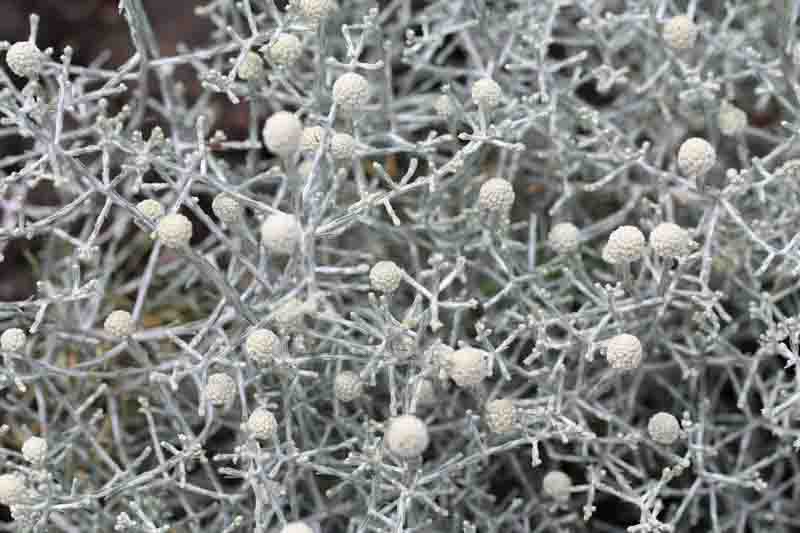


Leucophyta brownii, commonly known as cushion bush, silver bush, Australian garland flower, or by its widely used synonym Calocephalus brownii, is a compact evergreen shrub treasured for its ghostly silver-white stems, tight rounded form, coastal toughness, and sculptural year-round texture. It belongs to the daisy family, Asteraceae, but it looks nothing like a typical garden daisy. Instead, it forms a wiry, woolly, moonlit mound that seems made for gravel gardens, seaside borders, contemporary landscapes, rock gardens, containers, and low-water planting schemes.
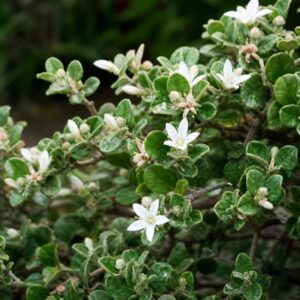
This is a plant with instant presence. The tiny scale-like leaves sit close to intricately branching stems covered in fine white hairs, giving the whole shrub a luminous, coral-like appearance. In summer, small button-like flower heads appear, usually creamy white, pale yellow, or soft gold, adding subtle charm without stealing attention from the extraordinary foliage. If your garden needs silver contrast, salt tolerance, drought resilience, and architectural texture, Leucophyta brownii earns its place fast.
Leucophyta brownii is a compact Australian coastal shrub grown for silvery-white woolly stems, tiny scale-like leaves, drought tolerance, salt tolerance, wind resistance, and rounded cushion-like form. It performs best in full sun, sharply drained sandy or gritty soil, and mild climates where winter wet is avoided.
Use: Coastal gardens, gravel gardens, rock gardens, containers, moon gardens, low hedges, dry borders, Mediterranean-style plantings, modern landscapes, and seaside properties.
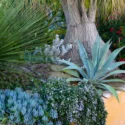
Highlight: Bright silver-white stems create dramatic year-round contrast, especially beside blue, purple, pink, charcoal, and deep green plants.
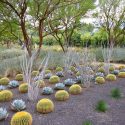
Design note: Best used as a repeated silver mound, edging accent, container specimen, coastal filler, or textural foil for bolder succulents, grasses, and flowering perennials.
| Botanical Name | Leucophyta brownii |
|---|---|
| Synonym | Calocephalus brownii |
| Family | Asteraceae |
| Common Names | Cushion Bush, Silver Bush, Australian Garland Flower |
| Native Range | Southern and south-eastern coastal Australia, especially exposed cliffs, dunes, sandy soils, and coastal scrub |
| Plant Type | Compact evergreen shrub or subshrub |
| Hardiness | Best in USDA Zones 9-11; tolerates light frost in well-drained, sheltered sites |
| Height | Usually 6 in. to 3 ft. tall; often 1-2 ft. in gardens and containers |
| Spread | Usually 1.5-3 ft. wide, sometimes broader in mild coastal climates |
| Sun Exposure | Full sun is best; light shade tolerated but may reduce density |
| Soil | Sharply drained sandy, gritty, rocky, loamy, or poor soil; avoid heavy wet clay |
| Bloom Time | Late spring to summer; summer in many Australian climates |
| Flower Color | Creamy white, pale yellow, soft gold, sometimes aging dull cream |
| Foliage | Evergreen, tiny, scale-like, silver-gray to silver-white |
| Drought Tolerant | Yes, once established |
| Deer Resistant | Often avoided, but local browsing pressure varies |
| Attracts | Pollinators and small beneficial insects |
| Pet and Child Safety | Ornamental plant; not grown as an edible herb. Discourage chewing. |
Leucophyta brownii is a small, dense, rounded shrub native to demanding coastal environments. In the wild, it grows where many softer garden plants fail: sandy dunes, exposed cliff faces, windy shorelines, salt-sprayed sites, and often alkaline or nutrient-poor coastal soils.
The plant’s silvery look comes from woolly, tangled stems and tiny leaves pressed close to the branches. From a distance, it can look like a silver tumbleweed, sea coral, frosted wire, or a living cloud. This unusual texture makes it especially valuable in design, where it can lighten dark foliage, cool hot-colored flowers, define path edges, and make containers glow after sunset.
Good to know: The old name Calocephalus brownii is still widely used in nurseries, plant labels, and online searches. Both names refer to the same silver cushion bush.
Leucophyta brownii is native to southern and south-eastern coastal Australia, where it is associated with exposed coastal cliffs, dunes, sandy soils, rocky places, and salt-influenced habitats. This makes it a natural fit for seaside gardens, dry slopes, gravel gardens, and sites with reflected heat.
Flowers appear mainly from late spring into summer. They are small, rounded, button-like heads in cream, pale yellow, soft gold, or white-yellow tones. The blooms are charming up close, but the plant’s silver architecture remains the main attraction.
The foliage is evergreen, tiny, scale-like, and silver-gray to nearly white. Because the leaves hug the stems, the whole plant reads as one luminous mass. It is outstanding in winter containers, dry gardens, moon gardens, coastal borders, and modern plantings where foliage color matters as much as flowers.
Most garden plants grow about 1-3 feet tall and 1.5-3 feet wide, though compact selections may stay smaller and older plants in ideal conditions may approach 3 feet. Growth is moderate, and the natural shape is rounded, bun-like, and dense when grown in sun.
Cushion bush is best suited to mild climates, typically USDA Zones 9-11. It can tolerate light frost once established, especially in sharply drained soil, but it dislikes prolonged freezes and wet winter conditions. In colder regions, grow it as a summer container plant, annual foliage accent, or cool greenhouse specimen.
The small flower heads attract bees and small pollinators. For a stronger wildlife planting, combine cushion bush with nectar-rich perennials, flowering herbs, native grasses, and long-blooming coastal plants.
Cushion bush is often passed over because of its wiry, woolly texture, but no plant is fully deer-proof or rabbit-proof. Protect young plants until established, especially in dry seasons when browsing pressure increases.
Once established, Leucophyta brownii is drought tolerant and performs well in low-water gardens. The trick is to water deeply during establishment, then reduce irrigation. Constant moisture is more dangerous than occasional dryness.
Cushion bush is grown as an ornamental plant, not an edible herb. It is not usually highlighted as a major toxic landscape plant, but the safest approach is to keep pets and children from chewing foliage. Wear gloves if woolly stems irritate your skin.
Leucophyta brownii is widely cultivated as an ornamental. In gardens outside Australia, it is generally used as a managed shrub or seasonal foliage plant. Avoid dumping garden waste near natural areas, especially in mild coastal climates.
Water regularly after planting until roots establish. Once established, water deeply but infrequently. In containers, allow the mix to dry slightly between waterings, and never leave the pot sitting in a saucer of water.
Feed sparingly, if at all. Cushion bush is adapted to lean soils and can become soft or short-lived in overly rich conditions. If needed, use a light spring application of a low-rate, slow-release fertilizer.
Use gravel, grit, small stone, or a thin layer of coarse organic mulch. Keep mulch away from the crown. Gravel mulch is especially useful because it suppresses weeds while keeping the crown dry.
Care tip:
The fastest way to lose cushion bush is to love it too much. Give it sun, drainage, air movement, and restrained watering.
Pinch young plants to encourage bushiness. Lightly trim after flowering or during active growth to maintain a rounded shape. Avoid hard pruning into old, bare, woody stems because cushion bush may not recover well from severe cuts.
For a low silver hedge, space plants about 18-30 inches apart, depending on the size of the selection and how quickly you want coverage. Begin light shaping early. Frequent gentle trimming is far better than one drastic renovation cut.
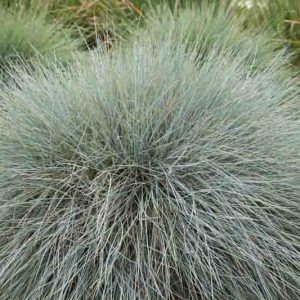
Cushion bush is excellent in containers if drainage is sharp. Use a gritty, free-draining mix, choose a pot with drainage holes, and place it in full sun. It combines beautifully with blue fescue, sea thrift, thyme, lavender, and trailing silver foliage plants.
Leucophyta brownii can be propagated from semi-ripe or semi-hardened cuttings during the growing season. Cuttings are the best way to preserve compact form, color, and habit. Seed may be possible, but seedlings can vary.
This shrub struggles in wet clay, humid stagnant corners, deep shade, overwatered containers, rich heavy soil, and prolonged hard freezes. If growth browns, collapses, or turns patchy, check drainage and airflow before adding fertilizer.
| Task | Best Time |
|---|---|
| Planting | Spring, or fall in mild coastal climates |
| Flowering | Late spring to summer |
| Pruning | After flowering or during active growth |
| Feeding | Spring, lightly if needed |
| Winter Protection | Before frost in marginal climates |
Grey mold can occur in damp, humid, or poorly ventilated conditions. Improve airflow, avoid overhead watering, remove dead material, and keep plants on the dry side.
Root rot is the main risk in wet soil. Cushion bush needs drainage more than fertility. If soil stays wet after rain, plant on a mound, slope, raised bed, or in a gritty container mix.
Leggy growth usually means too much shade or not enough early pinching. Move container plants into brighter light and trim lightly during active growth.
Browning can follow frost, drought shock, poor drainage, or old age. Cushion bush can be short-lived in unsuitable conditions, so start replacements from cuttings if you garden in a challenging climate.
Fast diagnostic: Silver and compact means happy. Greenish and loose means too much shade or richness. Brown and collapsing often means wet roots, poor airflow, or cold damage.
Use cushion bush where you want instant silver drama without high water demand. It looks exceptional against black planters, terracotta pots, weathered timber, pale gravel, dark basalt, blue ceramic containers, and coastal stone. In borders, repeat it in odd numbers to create rhythm. In containers, make it the central silver dome, then surround it with trailing thyme, blue fescue, sea thrift, or lavender.
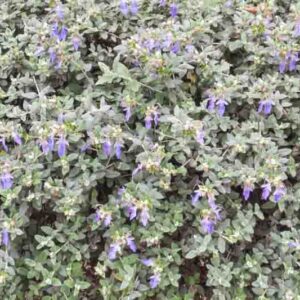
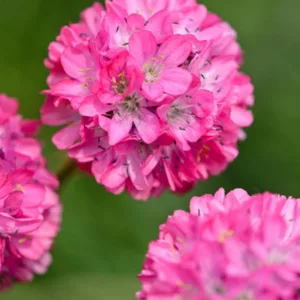
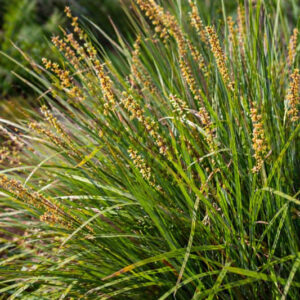
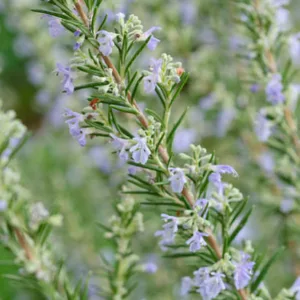
Good companions for Leucophyta brownii are plants that share its love of full sun, sharply drained soil, low to moderate moisture, mild coastal hardiness, and lean growing conditions. Excellent Gardenia.net companions include Sea Thrift (Armeria maritima), Creeping Rosemary (Salvia rosmarinus Prostratus Group), Rosemary (Salvia rosmarinus), Coast Rosemary (Westringia fruticosa), Tree Germander (Teucrium fruticans), White Correa (Correa alba), Spiny-headed Mat Rush (Lomandra longifolia), Mediterranean Spurge (Euphorbia characias subsp. wulfenii), and Blue Fescue ‘Beyond Blue’ (Festuca glauca). These companions echo cushion bush’s preference for sunny, dry, well-drained coastal or Mediterranean-style conditions while adding flowers, movement, blue-green contrast, or stronger structural form.
Yes. Calocephalus brownii is a widely used synonym for Leucophyta brownii. Many nurseries still sell cushion bush under the older name.
Leucophyta brownii usually grows 1 to 3 feet tall and about 1.5 to 3 feet wide, though compact selections may stay smaller and old plants in mild climates may become broader.
Yes. Leucophyta brownii is drought tolerant once established. It grows best with deep, infrequent watering and sharply drained soil.
Leucophyta brownii tolerates light shade, but full sun gives the best silver color, densest growth, and strongest flowering. Deep shade causes loose, weak growth.
Yes. Leucophyta brownii is excellent for coastal gardens because it tolerates wind, salt spray, sandy soil, drought, and exposed conditions.
Prune Leucophyta brownii lightly after flowering or during active growth. Pinch young plants to encourage density, but avoid hard pruning into old woody stems.
Leucophyta brownii tolerates light frost once established, especially in dry, well-drained soil, but it is best in mild climates and may suffer in prolonged freezes or wet winter soil.
Updated: May 2026 • Reviewed by Gardenia Editors
| Hardiness |
9 - 11 |
|---|---|
| Heat Zones |
10 - 11 |
| Plant Type | Shrubs |
| Plant Family | Asteraceae |
| Exposure | Full Sun |
| Season of Interest | Spring (Early, Mid, Late), Summer (Early, Mid, Late), Fall, Winter |
| Height | 6" - 3' (15cm - 90cm) |
| Spread | 1' - 3' (30cm - 90cm) |
| Spacing | 12" - 36" (30cm - 90cm) |
| Maintenance | Low |
| Water Needs | Low |
| Soil Type | Chalk, Loam, Sand |
| Soil pH | Alkaline, Neutral |
| Soil Drainage | Well-Drained |
| Characteristics | Showy, Evergreen |
| Native Plants | Australia |
| Tolerance | Drought, Salt, Rocky Soil, Dry Soil |
| Attracts | Bees |
| Garden Uses | Banks And Slopes, Beds And Borders, Ground Covers, Hedges And Screens, Patio And Containers |
| Garden Styles | Coastal Garden, Gravel and Rock Garden, Informal and Cottage, Mediterranean Garden, Pollinator Garden |


| Hardiness |
9 - 11 |
|---|---|
| Heat Zones |
10 - 11 |
| Plant Type | Shrubs |
| Plant Family | Asteraceae |
| Exposure | Full Sun |
| Season of Interest | Spring (Early, Mid, Late), Summer (Early, Mid, Late), Fall, Winter |
| Height | 6" - 3' (15cm - 90cm) |
| Spread | 1' - 3' (30cm - 90cm) |
| Spacing | 12" - 36" (30cm - 90cm) |
| Maintenance | Low |
| Water Needs | Low |
| Soil Type | Chalk, Loam, Sand |
| Soil pH | Alkaline, Neutral |
| Soil Drainage | Well-Drained |
| Characteristics | Showy, Evergreen |
| Native Plants | Australia |
| Tolerance | Drought, Salt, Rocky Soil, Dry Soil |
| Attracts | Bees |
| Garden Uses | Banks And Slopes, Beds And Borders, Ground Covers, Hedges And Screens, Patio And Containers |
| Garden Styles | Coastal Garden, Gravel and Rock Garden, Informal and Cottage, Mediterranean Garden, Pollinator Garden |
How many Leucophyta brownii (Cushion Bush) do I need for my garden?
| Plant | Quantity | |
|---|---|---|
| Leucophyta brownii (Cushion Bush) | N/A | Buy Plants |
Create a membership account to save your garden designs and to view them on any device.
Becoming a contributing member of Gardenia is easy and can be done in just a few minutes. If you provide us with your name, email address and the payment of a modest $25 annual membership fee, you will become a full member, enabling you to design and save up to 25 of your garden design ideas.
Join now and start creating your dream garden!
Create a membership account to save your garden designs and to view them on any device.
Becoming a contributing member of Gardenia is easy and can be done in just a few minutes. If you provide us with your name, email address and the payment of a modest $25 annual membership fee, you will become a full member, enabling you to design and save up to 25 of your garden design ideas.
Join now and start creating your dream garden!