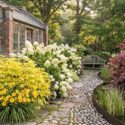
Transform your shady Zone 4 garden with 25 beautiful cold-hardy shrubs, from fragrant azaleas and flowering hydrangeas to woodland natives and evergreen yews. Discover which plants thrive in partial shade, deeper shade, or difficult dry soil. Compare sizes, seasonal interest, and growing needs for a flourishing northern garden.


A shady Zone 4 garden can be surprisingly beautiful. Even where winter temperatures fall to -30°F (-34°C), you can enjoy fragrant azaleas, flowering hydrangeas, woodland viburnums, handsome evergreens, and shrubs that bring welcome color to autumn and winter.
The challenge is finding plants that tolerate both severe cold and limited sunlight. A sheltered border receiving gentle morning sunshine offers very different conditions from the dry ground beneath mature maples or the dense shade of a conifer woodland. A shrub might survive in all three locations but flower generously in only one.
These 25 cold-hardy shade shrubs for USDA Zone 4 include choices for flowering borders, evergreen structure, native wildlife gardens, dry shade, and difficult woodland sites. You’ll also find Gardenia’s Shade Reliability Check, a 25-shrub comparison table, and planting combinations to help you choose plants that actually suit your garden.
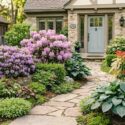
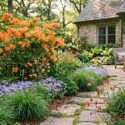
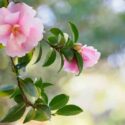
Spring flowers are especially welcome after a long northern winter. ‘PJM Elite’ rhododendron opens with purple blossoms above glossy evergreen foliage that turns bronzy in winter. ‘Rosy Lights’, a deciduous azalea from the Northern Lights series, produces fragrant rose-pink flowers and was bred for exceptional cold hardiness.
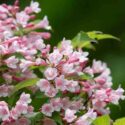
Koreanspice viburnum fills a sheltered border with delicious fragrance, while mapleleaf viburnum brings clusters of white flowers to naturalistic woodland plantings. Its handsome maple-shaped leaves turn shades of pink, red, and purple in autumn.
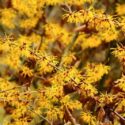
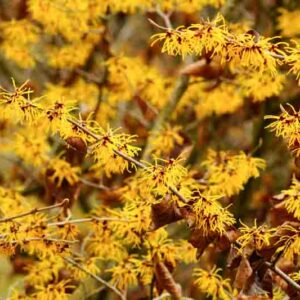
For a larger garden, American witch hazel provides an unexpected finale: narrow, golden-yellow flowers appear in autumn, sometimes as the leaves are falling.
| Hardiness |
4 |
|---|---|
| Plant Type | Shrubs |
| Genus | Aronia, Cornus, Hamamelis, Hydrangea, Physocarpus, Rhododendron, Rubus, Viburnum |
| Exposure | Partial Sun, Shade |
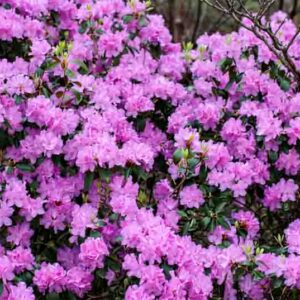

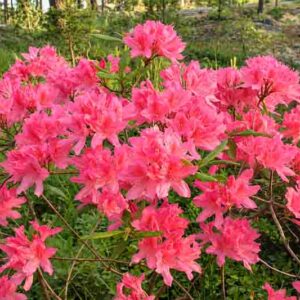


For reliable spring flowers: Northern Lights azaleas were developed for cold northern climates, but even hardy azaleas need sufficient light, acidic soil, and protection from drying winter winds. In deep shade, mapleleaf viburnum is often a more practical woodland choice, although its flowering may be lighter.
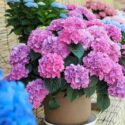
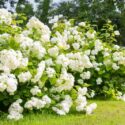
Summer color is possible in Zone 4 shade, particularly where shrubs receive filtered daylight or gentle morning sunshine. ‘Annabelle’ smooth hydrangea produces generous white flowerheads, while ‘Little Lime’ panicle hydrangea carries creamy-green blooms into autumn. Both flower on new wood, an advantage after severe winters.
‘Ruby Spice’ summersweet adds fragrant pink flower spikes in midsummer and is particularly valuable in moist, acidic borders. White meadowsweet also flowers in summer, but it belongs on brighter woodland edges rather than beneath a dense canopy.
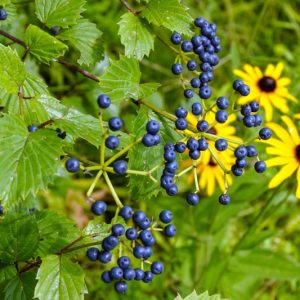
Arrowwood viburnum contributes white late-spring to early-summer flowers, berries, and colorful fall foliage. It performs best where partial shade provides enough daylight for healthy growth and fruiting.
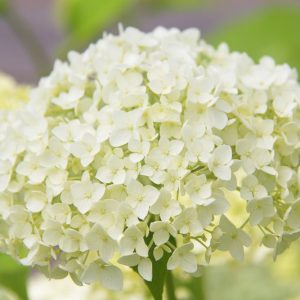



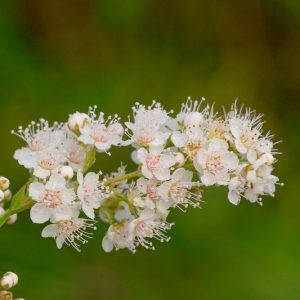
Gardenia’s flowering tip: Smooth and panicle hydrangeas bloom on new growth, so winter damage to older stems is less likely to eliminate the flowering season. However, ‘Little Lime’ and white meadowsweet need relatively bright conditions for their best display. Shade tolerance does not guarantee abundant flowers.
Evergreen shrubs bring welcome structure to northern shade gardens after deciduous plants lose their leaves. ‘Densiformis’ yew forms a dense, spreading mound suitable for low hedges and foundation plantings. It tolerates considerable shade but requires well-drained soil.
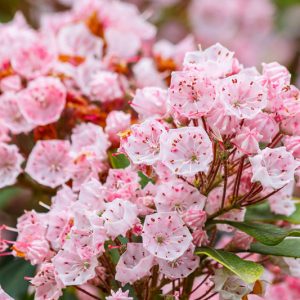
Great laurel, or Rhododendron maximum, provides substantial broadleaf evergreen foliage in sheltered, acidic woodland settings. Mountain laurel adds beautiful late-spring flowers, although it is best in protected sites with suitable soil and brighter filtered light.
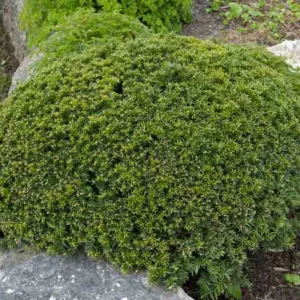
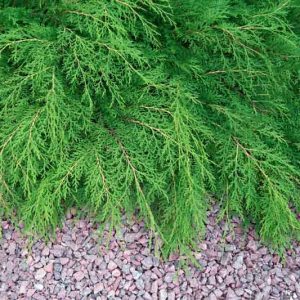
Russian arborvitae creates a wide, low carpet of feathery evergreen foliage in light shade. Wintergreen is much smaller, forming a creeping groundcover with glossy leaves and red berries in cool, acidic woodland soil.

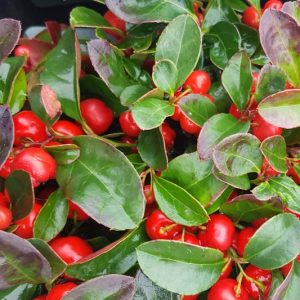
Important for Zone 4: Broadleaf evergreens may suffer winter burn when frozen soil prevents roots from replacing moisture lost through foliage. Great laurel and mountain laurel are best in sheltered locations. Yew, mountain laurel, and rhododendrons are poisonous if ingested; yew is particularly dangerous to livestock.
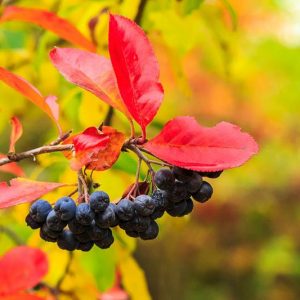
Native shrubs can turn an ordinary shady border into a richer wildlife habitat. Black chokeberry offers white spring flowers, dark fruit, and brilliant autumn leaves. Red osier dogwood provides shelter for birds and colorful winter stems, particularly in moist soil.
Northern bush honeysuckle is a tough, relatively low-growing shrub for lighter woodland shade and slopes. Nannyberry viburnum develops into a large shrub or small tree with spring flowers and attractive fruit.
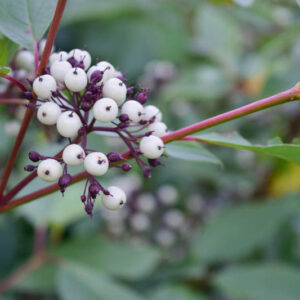
Common snowberry produces distinctive white berries that may remain visible after leaf fall. It spreads by suckers, making it more suitable for informal plantings than tightly maintained borders.
These species are native to different parts of North America. For a genuinely native garden, select those indigenous to your region rather than assuming every North American shrub belongs in every Zone 4 landscape.


Dry shade beneath mature trees is one of the toughest planting situations. Dense roots compete for moisture, summer rain may barely penetrate the canopy, and many familiar flowering shrubs struggle.
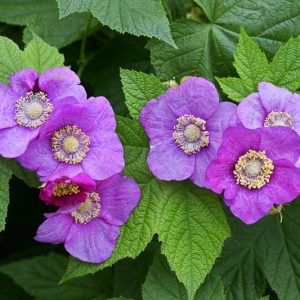
Alpine currant makes a dependable deciduous hedge and tolerates a range of soils and light levels. Flowering raspberry contributes large maple-like leaves and rose-purple flowers to roomy woodland edges, where it can spread naturally.
Variegated Tatarian dogwood brightens partial shade with creamy-edged leaves and colorful winter stems. Spicebush brings aromatic foliage and delicate yellow early-spring flowers to eastern woodland gardens, though it needs more moisture than a genuinely dry site may provide.
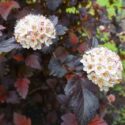
Common ninebark tolerates considerable cold and a range of soil conditions, but it grows denser and flowers better in brighter light. Use it along woodland edges rather than in dense, permanent shade.


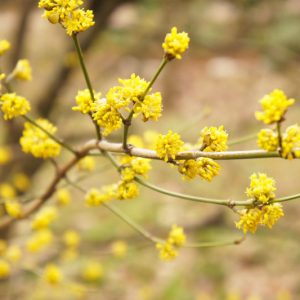
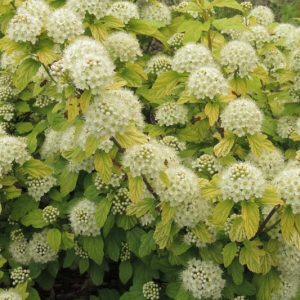
For genuinely dry shade: Start with established alpine currant or northern bush honeysuckle where sufficient daylight reaches the planting. Spicebush and variegated dogwood prefer more reliable moisture. Even drought-tolerant shrubs need watering while establishing beneath mature trees.
Not every shrub on this list tolerates deep shade, and several need brighter light to flower well. Use this comparison to distinguish true woodland plants from shrubs better suited to partially shaded borders. Heights are approximate mature ranges.
| Shrub | Best Light | Approx. Height | Keep in Mind |
|---|---|---|---|
| PJM Elite Rhododendron | Bright partial shade | 4-6 ft. | Acidic soil; winter shelter |
| Rosy Lights Azalea | Bright partial shade | 4-6 ft. | Acidic soil; fragrant flowers |
| Koreanspice Viburnum | Light partial shade | 4-8 ft. | More light improves flowering |
| Mapleleaf Viburnum | Partial, dappled shade | 3-6 ft. | Woodland native; may sucker |
| American Witch Hazel | Partial shade | 15-20 ft. | Large; autumn flowers |
| Annabelle Hydrangea | Partial shade | 3-5 ft. | Needs moisture; may flop |
| Little Lime Hydrangea | Bright partial shade | 3-5 ft. | More light for abundant bloom |
| Ruby Spice Summersweet | Partial shade | 4-6 ft. | Moist, acidic soil preferred |
| White Meadowsweet | Bright partial shade | 3-6 ft. | Moisture; flowers best in sun |
| Arrowwood Viburnum | Light partial shade | 6-10 ft. | Flowers, berries, fall color |
| Densiformis Yew | Partial to full shade | 3-4 ft. | Well-drained soil; highly toxic |
| Great Laurel | Partial to full shade | 5-15 ft. | Moist acidic soil; sheltered site |
| Mountain Laurel | Bright partial shade | 5-15 ft. | Acidic soil; protect in Zone 4 |
| Russian Arborvitae | Light partial shade | 0.5-2 ft. | Wide evergreen groundcover |
| Wintergreen | Partial to full shade | 3-6 in. | Cool, acidic, moist soil |
| Black Chokeberry | Light partial shade | 3-6 ft. | Less fruit in heavy shade |
| Red Osier Dogwood | Partial shade | 6-9 ft. | Moisture; spreading habit |
| Northern Bush Honeysuckle | Bright partial shade | 2-3 ft. | Tolerates relatively dry soil |
| Nannyberry | Light partial shade | 10-20 ft. | Large shrub or small tree |
| Common Snowberry | Partial shade | 3-6 ft. | Suckers; berries not edible |
| Alpine Currant | Partial to full shade | 3-6 ft. | Deciduous hedge; adaptable |
| Flowering Raspberry | Partial shade | 3-6 ft. | Spreading woodland shrub |
| Variegated Tatarian Dogwood | Partial shade | 6-8 ft. | Better color with some light |
| Spicebush | Partial shade | 6-12 ft. | Moist soil; separate sexes |
| Common Ninebark | Light partial shade | 5-8 ft. | Thinner growth in deep shade |
Gardenia’s shade-selection principle: Winter survival, attractive foliage, and reliable flowering are three different outcomes. A shrub may succeed at one without achieving the others.
USDA Zone 4 has average annual extreme minimum winter temperatures of -30°F to -20°F (-34.4°C to -28.9°C). Zone 4a ranges from -30°F to -25°F, while Zone 4b ranges from -25°F to -20°F. These figures describe cold hardiness, not available sunlight or soil moisture.
About three to six hours of direct sun, preferably gentle morning light, suits many flowering shrubs. Northern Lights azaleas, Koreanspice viburnum, and panicle hydrangeas generally perform best here rather than beneath dense trees.
Shifting light beneath an open canopy suits mapleleaf viburnum, great laurel, summersweet, and several other woodland shrubs where soil conditions are appropriate.
Sites receiving very little direct sunshine favor foliage and structure rather than abundant flowers. Yew, alpine currant, wintergreen, and great laurel tolerate considerable shade, although each has different soil and moisture needs. Extremely dark sites may support only sparse growth.
Watch the summer canopy: A garden can be sunny in April and deeply shaded in July. Observe the light when surrounding trees are fully leafed out before deciding where flowering shrubs belong.
Gardenia’s Shade Reliability Check distinguishes three outcomes often confused in northern gardening: a shrub surviving winter, maintaining attractive growth in shade, and flowering reliably despite both conditions. Four practical checks help gardeners make that distinction before planting.
Check the hardiness of the exact cultivar, especially in Zone 4a. A shrub may survive a severe winter while losing its flower buds. Cold-climate azaleas such as ‘Rosy Lights’ offer more reliable spring flowering than less hardy selections.
Yew, alpine currant, and great laurel tolerate substantial shade. Hydrangeas, viburnums, and azaleas generally need brighter conditions for the best floral display. Don’t interpret “shade tolerant” as a promise of generous flowering.
Summersweet, wintergreen, and great laurel prefer reliable moisture, while alpine currant and northern bush honeysuckle tolerate relatively dry conditions once established. Under mature trees, root competition may matter more than the shade itself.
Wintergreen stays close to the ground, while nannyberry and witch hazel can become large shrubs or small trees. Yew adds evergreen structure; red osier dogwood provides colorful winter stems. Choose based on the space and seasonal effect you want.
| Your Garden | Better Choices | Reconsider |
|---|---|---|
| Deep shade, evergreen foliage | Densiformis yew, great laurel, wintergreen | Dry soil for the latter two |
| Bright shade, spring flowers | Rosy Lights azalea, PJM Elite, Koreanspice viburnum | Very dark, dry sites |
| Moist, acidic woodland | Summersweet, great laurel, wintergreen | Alkaline soil and drought |
| Dry shade beneath trees | Alpine currant; northern bush honeysuckle in lighter shade | Moisture-loving hydrangeas |
| Eastern woodland with filtered light | Mapleleaf viburnum, witch hazel, spicebush | Assuming all three tolerate severe drought |
| Small shaded courtyard | Wintergreen, low yew, suitable compact shrubs | Large, suckering plants |
| Wildlife-friendly woodland | Mapleleaf viburnum, snowberry, red osier dogwood | Ignoring regional native ranges |
| Summer flowers in bright shade | Annabelle, Ruby Spice, Little Lime | Inadequate moisture or daylight |
Use the row that best describes your garden, then compare mature height, spread, soil pH, drainage, and light requirements. This turns a general shrub list into a useful shortlist.
Find Shade Shrubs Matched to Your Garden
Use Gardenia’s Plant Finder to narrow your shortlist by hardiness, shade, soil type, pH, drainage, moisture, mature size, and wildlife value.
The best woodland gardens combine different leaf shapes, flowering seasons, and layers of growth without forcing together shrubs with incompatible water requirements.
Combine: ‘Rosy Lights’ azalea, ‘PJM Elite’ rhododendron, ‘Annabelle’ hydrangea, and ostrich fern.
Fragrant azalea flowers and purple rhododendron blossoms welcome spring. Large white hydrangea flowers brighten summer, while ferns soften the planting with elegant foliage.
Best conditions: Bright filtered shade, moist but well-drained acidic to mildly acidic soil, and shelter from drying winter winds. Maintain adequate moisture for hydrangeas without waterlogging the rhododendrons.
Combine: Mapleleaf viburnum, northern bush honeysuckle, flowering raspberry, and native woodland sedges.
White viburnum flowers, soft yellow honeysuckle blooms, and rose-purple raspberry flowers bring color from spring into summer. Mapleleaf viburnum contributes berries and glowing reddish-purple autumn foliage.
Best conditions: Partial or filtered shade with reasonably well-drained soil. Suitable for naturalistic eastern North American gardens. Allow flowering raspberry room to spread, and check the native range of every plant.
Combine: Great laurel, Densiformis yew, wintergreen, and Christmas fern.
Broad rhododendron leaves create a strong evergreen backdrop, contrasted with fine yew needles and a low carpet of wintergreen. Christmas ferns add graceful foliage through much of the year.
Best conditions: Sheltered partial shade and consistently moist but well-drained acidic soil. Give wintergreen the coolest, most humus-rich positions, and avoid very dry tree-root zones.
Design tip: Combine contrasting foliage rather than relying entirely on flowers. Large rhododendron leaves, fine yew needles, and delicate fern fronds create texture even when nothing is blooming.
Explore More Zone 4 Garden Ideas
Discover cold-climate planting inspiration, including flowering borders, woodland combinations, and gardens suited to northern landscapes.
Spring is generally reliable because roots have an entire growing season to establish. Early autumn may work for hardy deciduous shrubs, but avoid planting vulnerable broadleaf evergreens late in the season.
Use smaller nursery plants beneath mature trees and avoid damaging major roots. Never bury tree trunks with additional soil. Apply 2-3 inches of mulch, keeping it away from shrub stems and crowns.
Shade does not always mean moist soil. Check conditions beneath established trees during summer drought. Newly planted shrubs need regular water, while moisture-loving rhododendrons, summersweet, and wintergreen require more consistent irrigation than established alpine currant.
Prune azaleas, rhododendrons, and spring-blooming viburnums shortly after flowering, if needed. Smooth and panicle hydrangeas bloom on new growth and can be pruned in late winter or early spring. Thin older dogwood stems periodically to encourage colorful young shoots.
Evergreens may lose water through their leaves while frozen soil limits root uptake. Water appropriately in autumn, shelter vulnerable shrubs from harsh winds, and protect susceptible plants from browsing deer. Yew, mountain laurel, and rhododendrons are poisonous if ingested.
Densiformis yew, alpine currant, great laurel, and wintergreen tolerate considerable shade in suitable conditions. Great laurel and wintergreen need acidic, moisture-retentive soil. Very dark shade usually limits flowering.
Rosy Lights azalea, PJM Elite rhododendron, Koreanspice viburnum, mapleleaf viburnum, Annabelle hydrangea, and Ruby Spice summersweet are good candidates. Most flower best in bright partial or dappled shade.
Densiformis yew, great laurel, mountain laurel, Russian arborvitae, and wintergreen offer evergreen foliage. Soil requirements and winter exposure matter; mountain laurel is best reserved for sheltered, suitable Zone 4 locations.
Alpine currant and northern bush honeysuckle are useful choices for relatively dry shade once established, especially where sufficient daylight reaches them. Mapleleaf viburnum also tolerates occasional dryness in suitable eastern woodland settings.
Yes. Annabelle smooth hydrangea and Little Lime panicle hydrangea tolerate partial shade. Little Lime generally flowers more freely with additional sunlight, and both need adequate soil moisture.
Mapleleaf viburnum, northern bush honeysuckle, black chokeberry, red osier dogwood, nannyberry, snowberry, and flowering raspberry are useful where regionally native. Check natural ranges and soil needs before planting.
Insufficient sunlight, winter-damaged flower buds, incorrect pruning, drought, and unsuitable soil can all reduce flowering. A shrub may survive in shade without receiving enough light for abundant blossoms.
Densiformis yew provides low evergreen screening, while great laurel offers substantial evergreen structure in suitable sheltered, acidic woodland conditions. Alpine currant and nannyberry make deciduous screens but lose their leaves in winter.
Spring is generally reliable because plants have months to establish roots before winter. Early autumn can also suit hardy deciduous shrubs. Avoid very late planting of vulnerable broadleaf evergreens.
Many can be low maintenance once established if matched to suitable light, soil, and moisture. Consider mature spread, deer browsing, drainage, winter exposure, and tree-root competition before planting.
Cold winters and shady borders don’t have to limit your garden. Fragrant spring blossoms, colorful autumn foliage, handsome evergreens, and winter stems can transform an overlooked woodland corner into one of the most inviting parts of your landscape.
The secret is selecting shrubs for both their winter hardiness and actual shade performance. Give them room to grow, account for tree-root competition, and combine plants with compatible moisture requirements.
Turn Your Favorite Shade Shrubs Into a Garden Plan
Use Gardenia’s Garden Design Tool to save shrubs, check compatibility with your garden conditions, compare mature sizes and seasonal interest, estimate planting quantities, and create a shopping list.
Start free with up to five plants and refine your choices before visiting the nursery.
Updated and reviewed by Gardenia: October 2026
| Hardiness |
4 |
|---|---|
| Plant Type | Shrubs |
| Genus | Aronia, Cornus, Hamamelis, Hydrangea, Physocarpus, Rhododendron, Rubus, Viburnum |
| Exposure | Partial Sun, Shade |
Create a membership account to save your garden designs and to view them on any device.
Becoming a contributing member of Gardenia is easy and can be done in just a few minutes. If you provide us with your name, email address and the payment of a modest $25 annual membership fee, you will become a full member, enabling you to design and save up to 25 of your garden design ideas.
Join now and start creating your dream garden!