Your grapevine is talking - through yellow leaves, mildew, poor ripening, weak fruit set, and damaged clusters. This expert guide explains the most common grapevine problems, what causes them, and how to fix them with smarter pruning, better airflow, stronger sanitation, and more reliable growing practices for healthier vines.
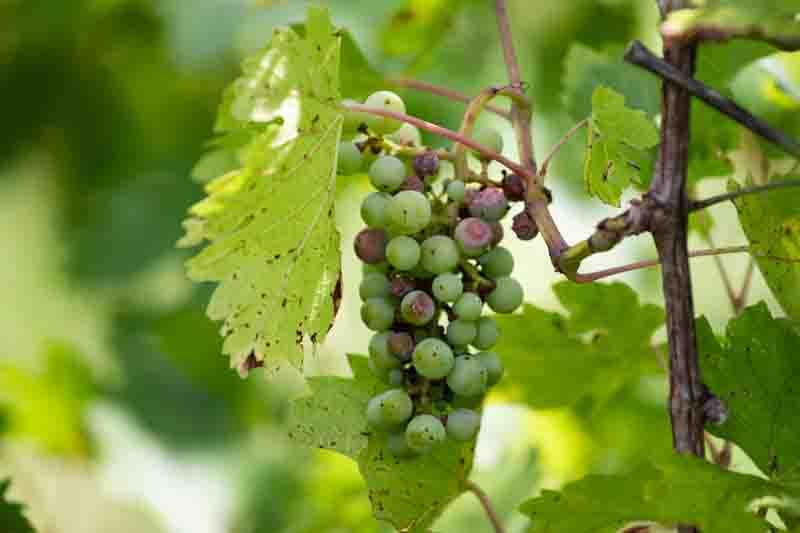


Grapevines can be incredibly rewarding plants, but they are also honest plants. When something is wrong, they usually show it. The warning signs may appear as yellow leaves, weak growth, poor fruit set, splitting berries, shriveled clusters, mildew, black rot, or vines that grow lots of leaves but never seem to produce a satisfying crop. That can make grape growing feel complicated, especially for home gardeners who expected a vigorous vine to be an easy vine.
The truth is more useful than that. Most grapevine problems are not random, and they are not usually caused by a single mystery issue. In home gardens, grape problems almost always trace back to a handful of core factors – too little sun, poor airflow, wrong variety choice, weak pruning, soggy soil, nutrient imbalance, winter injury, or disease pressure that built up before anyone noticed. Once you understand that pattern, grape care becomes much easier to manage.
This is why the best grape problem guide is not just a list of diseases. It is a practical diagnosis guide. Instead of reacting late, you want to match the symptom to the likely cause, then fix the condition that allowed the problem to start. A grapevine with yellow leaves does not always need fertilizer. A grapevine with blackened fruit does not just need a spray. And a grapevine with lots of leafy growth but no grapes is often telling you more about pruning and training than about pests.
Jump to: Fast Diagnosis Table | Why Grapevines Have Leaves but No Fruit | Why Grapes Are Not Ripening | Why Grapevine Leaves Turn Yellow | Poor Fruit Set and Small Clusters | Major Grapevine Diseases | Major Grapevine Pests | Why Grapes Split, Shrivel, or Rot | Winter Damage and Dieback | How to Prevent Grapevine Problems | FAQ
| Symptom | Most Likely Causes | Best First Fix |
|---|---|---|
| Leaves but no grapes | Incorrect pruning, too much shade, too much nitrogen, immature vine | Prune correctly during dormancy and improve sun exposure |
| Grapes stay sour or undercolored | Too little sun, dense canopy, overcropping, late variety for the climate | Open the canopy and reduce shading around clusters |
| Yellow leaves | Poor drainage, root stress, nutrient deficiency, pH-related uptake problem, disease | Check drainage and look closely at the yellowing pattern |
| Blackened berries and leaf spots | Black rot | Remove infected material and protect new growth early |
| White or gray powder on leaves or fruit | Powdery mildew | Improve airflow and act early before clusters are heavily affected |
| Clusters rot near harvest | Botrytis, sour rot, splitting, crowding, insect damage | Remove damaged fruit and keep clusters drier and more open |
| Weak spring growth or dead canes | Winter injury, trunk damage, crown gall | Prune back to healthy wood and reassess variety hardiness |
This is one of the most common grapevine complaints, and it is usually a management issue rather than a disease issue. Grapes fruit on shoots that arise from one-year-old wood. If the vine is never pruned correctly, it keeps producing more tangled wood and more leaves, but less useful fruiting structure. That is why an overgrown grapevine often looks vigorous while performing poorly.
Too much shade can create the same effect. Grapes need real full sun, not just bright light for part of the day. A vine trained into a dense fence line, under tree shade, or left to overleaf itself may still survive, but flowering and fruiting often decline. Excess nitrogen also pushes leafy growth at the expense of fruit quality and balance.
Age matters too. Many gardeners worry too early. A young grapevine is supposed to spend its first seasons establishing roots, trunk strength, and framework. In many home gardens, the first meaningful crop comes around the third year, though light fruiting can happen sooner or later depending on vine vigor, cultivar, and care.
The fix is to prune confidently during dormancy, maintain a clear training system, avoid overfeeding, and give the vine strong light. With muscadines, always check whether the cultivar is self-fertile or female, because pollination can affect fruit set.
Grapes that stay tart, pale, or disappointing late in the season are usually dealing with a ripening problem, not a waiting problem. The most common reasons are low sunlight, dense foliage shading the clusters, overcropping, and growing a cultivar that needs a longer or warmer season than the site can provide.
Fruit ripening depends on sunlight, leaf efficiency, and balance. A grapevine that carries too many clusters may dilute its own resources. A canopy that is too dense traps shade and humidity around the fruit. A late-maturing grape planted in a short-season climate may never reach good flavor no matter how long you leave it hanging.
To fix poor ripening, start by opening the canopy. Improve pruning, training, and shoot spacing so clusters get more light and air. Avoid heavy nitrogen feeding that encourages excessive softness and shade. If the vine is overloaded, reduce the crop load on weak or young plants. And if the variety itself is poorly matched to the region, consider replacing it rather than fighting the same problem every year.
How to Prune Grapevines for Bigger Harvests: Cane Pruning vs Spur Pruning
Yellow leaves can mean several different things, which is why this symptom should never trigger a reflex treatment. The pattern of yellowing matters. A vine that looks generally pale and weak may be short on nitrogen or dealing with root stress. Yellowing between the veins while the veins stay greener can suggest nutrient uptake trouble, often involving iron or magnesium, especially where soil pH limits availability. Patchy yellowing with spotting can point toward disease. Yellow leaves plus wet soil often point toward drainage trouble first.
Grapes dislike chronic wetness. Poor drainage weakens roots, limits nutrient uptake, reduces vigor, and makes vines more vulnerable to secondary stress. Waterlogging, compacted soil, low spots, mulch piled against the trunk, and overirrigation can all cause trouble.
Before adding fertilizer, inspect the site. Is the soil staying wet? Are only older leaves yellowing, or newer ones too? Is the yellowing even, interveinal, or blotchy? Has growth slowed? Those clues matter. Nutrient deficiency, soil pH, root stress, and disease can all look similar from a distance.
If older leaves yellow first, nitrogen deficiency may be part of the issue. If young leaves yellow between green veins, iron-related chlorosis or another uptake problem becomes more likely. Magnesium deficiency can also produce interveinal yellowing, often beginning on older foliage. But even these patterns should be interpreted carefully, because cold soil, poor drainage, root damage, or unsuitable pH can mimic a feeding problem by preventing normal uptake.
That is why random fertilizing is risky. A vine in poorly drained soil may not improve with more fertilizer at all. In fact, it may get worse.
Sometimes a grapevine flowers but sets a disappointing crop. Clusters stay thin, berries stay sparse, or fruit drops early. This can happen because of poor weather during bloom, weak vine vigor, nutrient imbalance, stress, unsuitable pruning, or pollination issues in certain muscadines. Cool, wet, windy, or unusually hot weather during flowering can interfere with normal fruit set even on otherwise healthy vines.
If poor fruit set happens once, the weather may be the main cause. If it happens repeatedly, look deeper. Weak vines, heavy shade, poor pruning, and excess nitrogen can all contribute. So can trunk injury or root stress. Muscadines again deserve special attention because some female cultivars need a self-fertile pollen source nearby.
The best response is to build overall vine health rather than chase the symptom in isolation. Improve sun exposure, stabilize pruning, avoid overcropping weak vines, and make sure the variety is suitable for the site.
In many regions, disease pressure is the dividing line between an easy grapevine and a frustrating one. Warmth, humidity, crowding, and slow-drying foliage all increase the odds of trouble. The main diseases home growers need to recognize are black rot, powdery mildew, downy mildew, botrytis bunch rot, phomopsis cane and leaf spot, anthracnose, crown gall, and in some warmer regions, Pierce’s disease.
Black rot is one of the most damaging grape diseases in humid climates. It can affect leaves, shoots, tendrils, and fruit. Berries may shrivel into hard black mummies that remain on the vine and help carry disease pressure forward. Sanitation is essential. Remove mummified fruit and infected debris, improve airflow, and protect susceptible new growth early. See: Black rot disease guide.
Powdery mildew often appears as a gray-white coating on leaves, shoots, or berries. It can distort growth and damage fruit quality. Because it can spread aggressively without obvious surface wetness, gardeners are often surprised by how fast it develops. Better airflow, open canopies, and timely intervention are key. See: Powdery mildew.
Downy mildew is especially favored by warm, wet conditions. It can cause yellowish leaf lesions, leaf drop, weakened vines, and poor ripening. In dense growth, it can move fast. Managing humidity around the foliage matters as much as any treatment choice. See: Downy mildew.
These are often harvest-time heartbreak problems. They become more likely when clusters are crowded, wounded, split, insect-damaged, or repeatedly wet. Once fruit integrity breaks down, decay accelerates. The best fix is prevention through canopy control, fruit cleanliness, and timely harvest. See: Botrytis bunch rot.
Phomopsis often shows up early on shoots, canes, and leaves. Anthracnose causes dark lesions and can scar fruit and wood. Crown gall often develops after injury, especially cold injury or trunk wounds, and can weaken vines over time. Pierce’s disease is a serious regional problem in susceptible warm-climate areas and is not simply a general grape issue everywhere. Related pages: Phomopsis cane and leaf spot, Anthracnose, Crown gall, and Pierce’s disease.
Pests can injure foliage, reduce vigor, scar fruit, and create openings for rot. Some are chronic regional issues. Others are opportunists that become serious when vines are already stressed.
Japanese beetles can strip leaves quickly. Leafhoppers feed on sap and leave stippled foliage. Spider mites are more common in hot, dry conditions or protected sites with stagnant air. Scale insects weaken canes over time. Regular inspection is the best first defense because light infestations are much easier to manage than heavy ones. See: Japanese beetles, Leafhoppers, Spider mites, and Scale insects.
Grape berry moth damages clusters directly. Flea beetles feed on swelling buds in spring and can reduce the crop early. Phylloxera is more complex and can affect roots or foliage depending on the form and the vine’s susceptibility. In areas where phylloxera pressure matters, rootstock choice can be part of the long-term solution, especially for more susceptible grape types. See: Grape berry moth, Flea beetles, and Phylloxera.
Birds often become the most obvious grape problem just as fruit begins to sweeten. Deer browse tender shoots readily, especially on young vines. Wasps and yellow jackets are drawn to damaged or overripe fruit. The most reliable solution is physical exclusion and timing. Net fruit before it is fully ripe, protect young vines from deer, and remove damaged clusters promptly. See: Deer and Wasps.
Berry splitting usually follows uneven moisture, especially when fruit goes from dry conditions to sudden water uptake after rain or irrigation. Some cultivars are naturally more prone to this than others. Splitting matters because cracked berries are far more likely to rot or attract insects. Why Grapes Split Before Harvest – Causes and Prevention.
Shriveled grapes can result from drought stress, disease, poor pollination, damaged stems, severe overcropping, or fruit that has already been compromised by insects or rot. Clusters that stay crowded and shaded are especially vulnerable near harvest.
The fix is consistency and openness. Water evenly, avoid repeated extremes, maintain an airy canopy, and remove damaged fruit rather than leaving it in place as a source of further decay.
Cold injury is one of the hidden causes behind weak grape performance. A vine may leaf out poorly, lose buds, die back on the tips, crack on the trunk, or push uneven spring growth because winter damaged the wood. European grapes are often less cold-tolerant than many American grapes and hybrids, while muscadines generally prefer milder winters.
Backyard damage is not always from temperature alone. Grapevines are often injured by weed trimmers, mowers, ties that girdle the trunk, or rough handling during training. Once the trunk is badly damaged, the whole vine can weaken. Crown gall may follow injury as well, especially after cold stress.
The best fix starts before winter and before damage. Choose hardy cultivars for the region, protect young trunks, avoid late nitrogen that encourages tender growth, and keep equipment away from the base of the vine. If damage has already occurred, prune back to sound wood and rebuild patiently.
The healthiest grapevines are usually the ones that were set up correctly, not the ones that received the most emergency treatments. Prevention is what makes grapes feel manageable.
Start with the right grape type for your climate. That one decision prevents more disappointment than almost anything else. Give the vine full sun, excellent drainage, sturdy support, and room to breathe. Prune every dormant season. Keep the canopy open. Remove diseased fruit, fallen debris, and mummified clusters. Avoid excessive nitrogen. Water deeply but not constantly. Inspect often in spring and early summer, when many problems are easiest to stop.
Also be realistic about what “spray-free” means in your region. In dry climates, some grapes can succeed with minimal intervention. In humid climates, susceptible bunch grapes often face serious pressure from black rot, powdery mildew, downy mildew, and bunch rots. In those regions, resistant hybrids or muscadines may be the most practical low-input choice.
The most common reasons are incorrect pruning, too much shade, excess nitrogen, vine immaturity, or pollination issues in some muscadines. Grapes fruit on shoots that grow from one-year-old wood, so pruning and training are critical.
Grapes usually fail to sweeten because of too little sun, too much canopy shading, overcropping, or a variety that ripens too late for the local season.
Yellow leaves can be caused by poor drainage, root stress, nutrient deficiency, soil pH problems that limit nutrient uptake, or disease. The yellowing pattern and soil condition both matter.
In many humid home gardens, black rot is one of the most destructive grape diseases. Powdery mildew and downy mildew are also very common and can seriously reduce fruit quality and vine health.
Use bird netting before the grapes are fully ripe, ideally when berries begin coloring and sweetening. Waiting until the crop is fully ripe is often too late.
Yes, many grapevines can recover if the trunk or root system is still healthy. Prune back to sound wood, remove damaged canes, and rebuild the framework from healthy growth.
No. Yellow leaves can result from poor drainage, root injury, disease, or soil pH problems as well as nutrient deficiency. Fertilizing before diagnosing the cause can waste time and worsen imbalance.
Sometimes, especially in drier climates with suitable varieties. In humid climates, spray-free bunch grapes are often unrealistic unless disease pressure is low and the cultivar is highly resistant. Muscadines and resistant hybrids are often the best low-input options.
Grapevines are not difficult because they are fragile. They are difficult because they respond so clearly to structure, site quality, and management. That is actually good news. It means better results usually come from better decisions, not from endless rescue treatments.
Give grapes full sun, excellent drainage, a strong support system, enough room, and disciplined annual pruning. Match the variety to the climate. Watch the canopy. Remove diseased material early. Stay realistic about humidity and regional disease pressure. When those pieces are in place, grape problems become far easier to diagnose and far less likely to repeat.
In the end, the healthiest grapevine is rarely the one that got the most interventions. It is the one that was planted in the right place, trained properly, and understood early.
Updated: March 2026 • Reviewed by Gardenia Editors
| Hardiness |
3 - 10 |
|---|---|
| Plant Type | Climbers, Fruits |
| Plant Family | Vitaceae |
| Genus | Vitis |
| Exposure | Full Sun |
| Maintenance | High |
| Water Needs | Average |
| Soil Type | Chalk, Loam, Sand |
| Soil pH | Alkaline, Neutral |
| Soil Drainage | Well-Drained, Moist but Well-Drained |
| Attracts | Bees, Birds |
| Hardiness |
3 - 10 |
|---|---|
| Plant Type | Climbers, Fruits |
| Plant Family | Vitaceae |
| Genus | Vitis |
| Exposure | Full Sun |
| Maintenance | High |
| Water Needs | Average |
| Soil Type | Chalk, Loam, Sand |
| Soil pH | Alkaline, Neutral |
| Soil Drainage | Well-Drained, Moist but Well-Drained |
| Attracts | Bees, Birds |
Create a membership account to save your garden designs and to view them on any device.
Becoming a contributing member of Gardenia is easy and can be done in just a few minutes. If you provide us with your name, email address and the payment of a modest $25 annual membership fee, you will become a full member, enabling you to design and save up to 25 of your garden design ideas.
Join now and start creating your dream garden!
Create a membership account to save your garden designs and to view them on any device.
Becoming a contributing member of Gardenia is easy and can be done in just a few minutes. If you provide us with your name, email address and the payment of a modest $25 annual membership fee, you will become a full member, enabling you to design and save up to 25 of your garden design ideas.
Join now and start creating your dream garden!