Learn how Connecticut’s USDA zones, frost dates, and microclimates shape what you can grow. From rocky hilltop beds to mild coastal borders, this guide helps you time plantings, choose hardy fruits, veggies, and natives, and design a beautiful, resilient, productive Nutmeg State garden that truly thrives in every season.
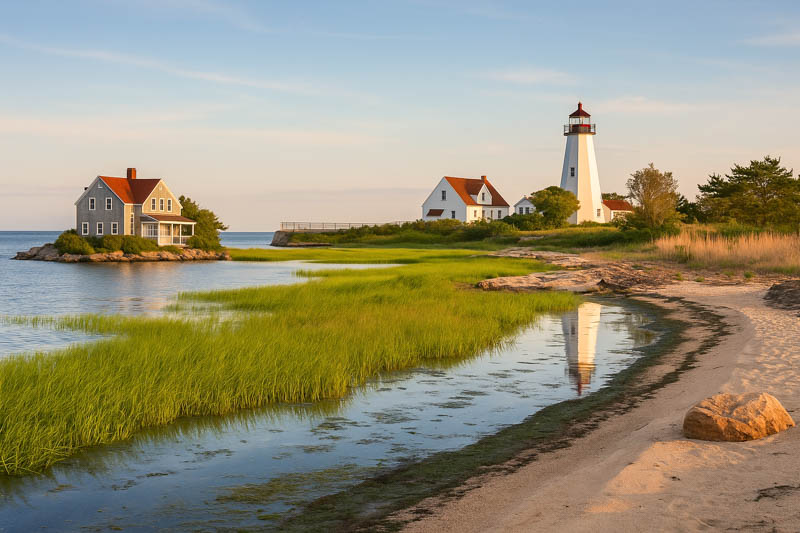


Gardening in Connecticut might mean a rocky hillside bed in the northwestern hills, a tidy vegetable patch in a Hartford suburb, or a lush, hydrangea-filled border just a short walk from Long Island Sound. Connecticut planting zones stretch from chilly, hilltop communities that still feel like classic New England to surprisingly mild coastal neighborhoods along the I-95 corridor.
This guide will help you understand your Connecticut growing zone, read the USDA map, plan around frost dates, and choose the best plants for your corner of the Nutmeg State.
Connecticut sits solidly in the cool-to-temperate Northeast, but recent USDA updates show the state has warmed. Most of Connecticut now spans USDA hardiness zones 6a to 7b. The coldest areas are 6a in the Northwest Hills; the warmest, 7b, hug the Long Island Sound shoreline and some dense urban pockets.
The latest USDA Plant Hardiness Zone Map for Connecticut is based on 30-year averages of the coldest winter temperatures (1991–2020). It shows how the climate shifts from the higher, colder northwest hills down to the more moderate river valleys and relatively mild Long Island Sound coast.
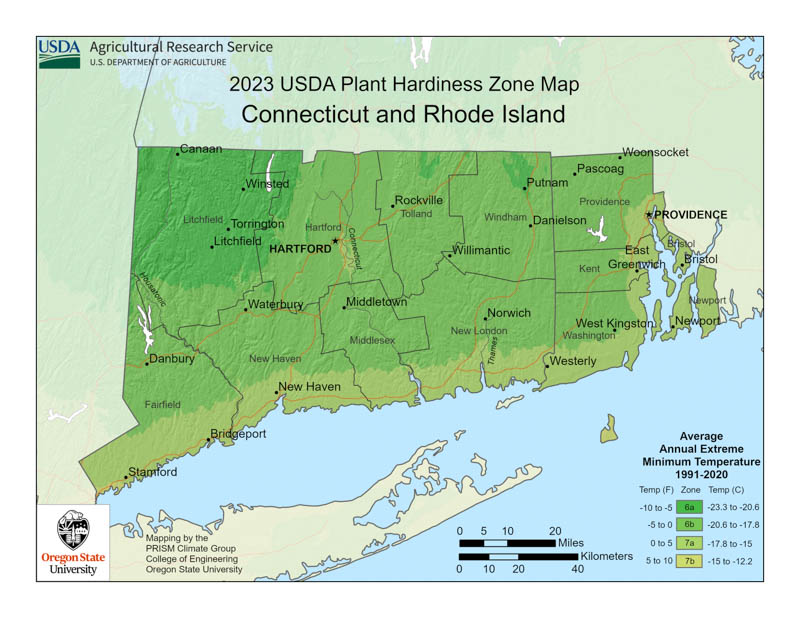
A simplified Connecticut planting zone map based on the USDA 2023 Hardiness Zone Map, using 1991–2020 climate data.
Use the zone map together with your ZIP code to pinpoint your exact Connecticut garden zone. Look up your Connecticut planting zone by ZIP code using the USDA tool, then come back here or visit our Plant Finder for plants tailored to your zone and site conditions.
Even though the state looks small on the map, Connecticut growing zones and microclimates are surprisingly diverse. Elevation, proximity to Long Island Sound, river valleys, and urban “heat islands” can shift conditions by a half-zone or more from one neighborhood to the next.
This region includes higher, often windier terrain around towns like Norfolk, Canaan, Cornwall, and the hillier sections of Litchfield and Torrington. Winters are colder and snowier here than elsewhere in the state, and spring takes its time arriving.
Hartford, Middletown, Manchester, and surrounding communities sit in a broad valley with moderately cold winters and warm, humid summers. The growing season is longer here than in the hills but shorter than along the Sound.
From Tolland and Willington over to Woodstock, Putnam, and the “Quiet Corner,” elevations are modest but nights can be cool, and winter lows dip lower than along the Sound.
Shoreline communities from Greenwich and Stamford through Bridgeport, New Haven, and New London enjoy milder winters thanks to Long Island Sound. Frost arrives later here and leaves earlier than in most of the interior.
Heavily built-up neighborhoods in cities such as Stamford, Bridgeport, and New Haven, along with especially protected coastal spots, can feel almost Mid-Atlantic. Pavement, brick, and water hold heat, nudging these microclimates a bit warmer than the surrounding region.
In a state where you can drive from frosty hilltops to relatively mild shoreline in under two hours, frost dates are your most practical planning tool. Your average last and first frosts determine when to sow peas, when to set out tomatoes, and when to be ready with covers in fall.
Across Connecticut, last spring frosts typically range from late April along the warmer coast to mid–late May (and occasionally early June) in the coldest hills. First fall frosts generally arrive from late September in the northwest hills to late October or early November along the shoreline.
| Region / City | Average Last Spring Frost | Average First Fall Frost | Approx. Frost-Free Days |
|---|---|---|---|
| Hartford (Connecticut River Valley) | Late April (around April 21–30) | Mid–Late October (around Oct 15–25) | ~170–185 days |
| New Haven (Central Coast) | Mid–Late April (around Apr 11–20) | Late October (roughly Oct 21–31; frost risk begins earlier) | ~180–195 days |
| Bridgeport (Western Sound Coast) | Mid–Late April (roughly Apr 11–30) | Early–Mid November (around Nov 1–10) | ~185–205 days |
| Torrington (Northwest Hills) | Early–Mid May (around May 1–10) | Early October (around Oct 1–10) | ~145–165 days |
| Norwich / Eastern Interior | Late April–Early May (around Apr 21–May 5) | Mid October (around Oct 11–20) | ~165–180 days |
Dates summarized from regional climate and frost-date tools; always check a local forecast and ZIP-code–based lookup for the most precise information for your garden.
Use these frost dates as flexible guidelines—your own yard may run warmer or cooler depending on slope, elevation, wind exposure, nearby pavement or water, and how close you are to Long Island Sound. They’re averages, not guarantees, so keep an eye on the forecast during spring and fall cold snaps.
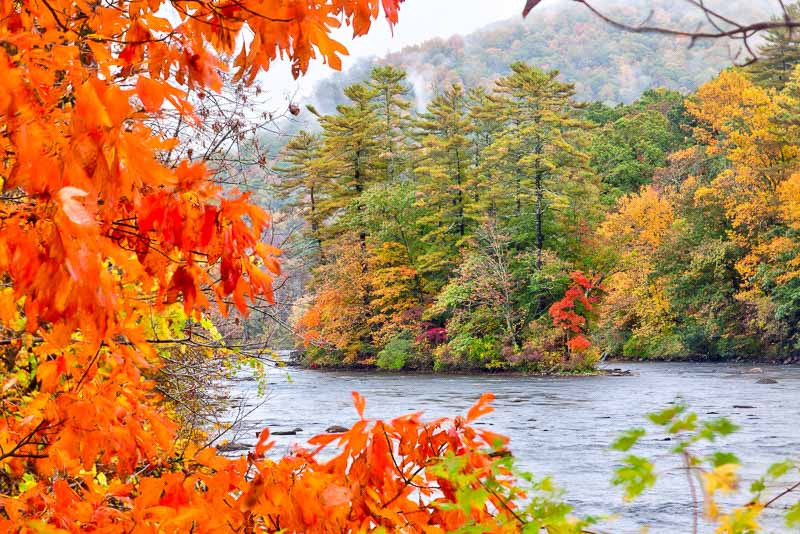
Once you know your Connecticut planting zone, you can work with your climate instead of fighting it. Focus on plants that tolerate cold winters, warm but not tropical summers, and sometimes-humid late-season conditions. Choose perennials rated for your specific hardiness zone (6–7), and time annual plantings around your frost dates.
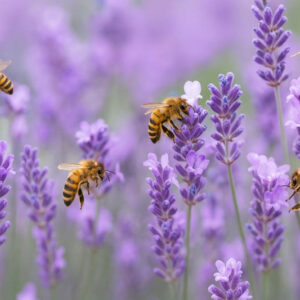
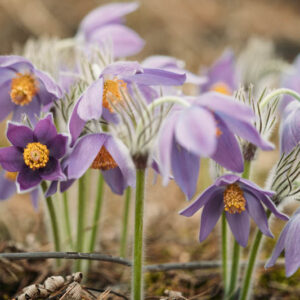
Connecticut native plants are adapted to local soils, rainfall, and winter lows—and they’re essential for pollinators, birds, and beneficial insects. Mix native wildflowers, grasses, shrubs, and trees for a resilient, wildlife-friendly landscape that feels right at home.
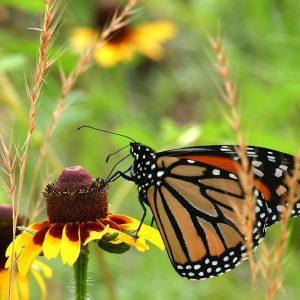
Browse curated lists like great pollinator plants for Connecticut, monarch nectar plant collections, and regional Northeast native plant guides to build a garden that buzzes and sings from spring through fall.
Tap a month to see what to plant in Connecticut by zone. Use this as a starting point, then adjust for your exact frost dates and whether you garden in a breezy hilltop yard, a sheltered city courtyard, or a coastal raised bed.
Connecticut gardeners juggle freeze–thaw cycles, rocky soils, deer, humid summers, and shifting hardiness zones. These tips will help your plants thrive from zone 6a to 7b:
Now that you understand your Connecticut planting zone, frost dates, and regional climate, you’re ready to choose plants that match your conditions and build a thriving Nutmeg State garden. Blend edible crops, flowering perennials, and native plants for a landscape that feeds both your household and local wildlife. Curious how Connecticut compares to other regions? Visit our national USDA planting zone guide to explore growing zones across the United States.
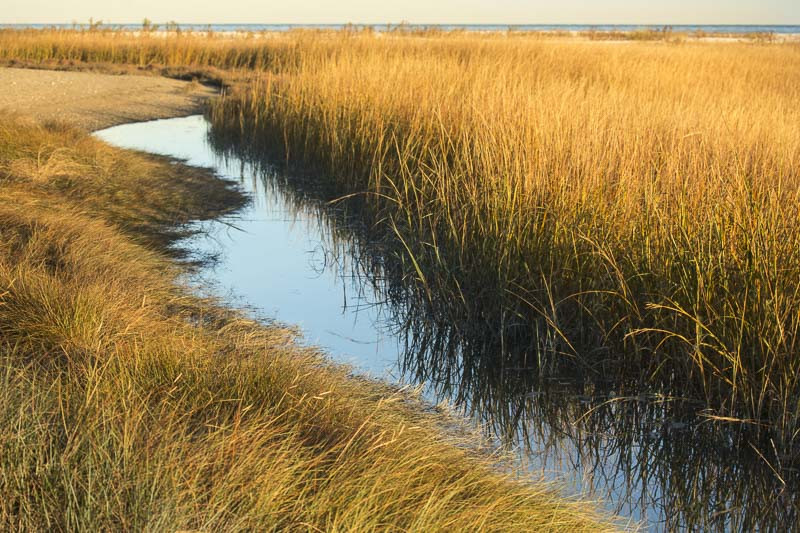
Connecticut spans roughly USDA hardiness zones 6a to 7b. Most inland areas are 6a–6b, the Northwest Hills include colder 6a pockets, and the Long Island Sound shoreline plus dense urban areas often fall in 6b–7a or even 7b microclimates.
Hartford is generally in USDA zone 6a–6b. Winters are cold but moderate for New England, with average minimum temperatures around -10 to 0°F. The city typically sees its last spring frost in late April and its first fall frost in mid–late October.
New Haven lies along Long Island Sound and is usually classified as USDA zone 6b–7a. Coastal waters and urban heat keep winter lows milder than inland towns. Gardeners there often enjoy a slightly longer frost-free season than the interior of the state.
Bridgeport and much of the nearby western shoreline are considered USDA zone 7a. Dense development and proximity to Long Island Sound help moderate winter cold, giving gardeners one of the longest growing seasons in Connecticut and more flexibility with borderline-hardy plants.
The Northwest Hills, including higher-elevation towns in Litchfield County, generally fall in USDA zone 6a. These areas have colder winters, later last spring frosts, and earlier fall frosts than the valleys and coast, so they have a shorter growing season overall.
Use the official USDA Plant Hardiness Zone Map or its ZIP-code lookup tool. Enter your town or ZIP code to see your zone, which is based on the average coldest winter temperature recorded over a 30-year period. This zone helps you choose winter-hardy perennials.
In much of interior Connecticut, last frost usually falls between late April and early May, while first frost arrives from early to mid-October. In the Northwest Hills, frosts can linger later into May and return by late September. Along the shoreline, frost often holds off until late October or early November.
Depending on location, Connecticut typically gets about 145 to 205 frost-free days each year. Colder Northwest Hills are on the low end of that range, while coastal and urban corridor communities are on the higher end, allowing a longer season for warm-weather crops and flowers.
Connecticut’s zones 5–7 support cool-season crops like lettuce, spinach, peas, broccoli, and cabbage, plus warm-season staples such as tomatoes, peppers, cucumbers, beans, squash, and sweet corn. Many perennials, including hydrangeas, daylilies, coneflowers, hostas, and numerous native wildflowers, also perform very well.
Yes. Apples, pears, plums, tart cherries, and many hardy berries grow reliably when matched to the right zone and site. In zones 6–7, peaches and even figs in protected spots can be successful. Blueberries, raspberries, blackberries, and cold-hardy grapes thrive across much of the state.
Local microclimates can make a property function effectively warmer or cooler than the mapped USDA zone. Hillsides, valley bottoms, lakes, rivers, paved areas, and proximity to Long Island Sound all influence temperature, wind, and frost. A sheltered city courtyard may behave like a warmer zone than a nearby open field.
Use your planting zone to choose perennials, shrubs, and trees that can survive your coldest winter temperatures. Use frost dates to time sowing, transplanting, protection, and harvesting of annual flowers and vegetables. Zones guide long-term plant selection; frost dates guide week-to-week seasonal decisions.
Recent USDA updates show a general warming trend, with some areas shifting half a zone warmer compared to older maps. Gardeners may notice slightly milder winters and longer growing seasons, but cold snaps still occur. It is wise to choose plants with some cold tolerance and remain prepared for occasional severe winters.
Updated: December 2025
| Hardiness |
6 - 7 |
|---|---|
| Native Plants | United States, Northeast, Connecticut |
| Hardiness |
6 - 7 |
|---|---|
| Native Plants | United States, Northeast, Connecticut |
Create a membership account to save your garden designs and to view them on any device.
Becoming a contributing member of Gardenia is easy and can be done in just a few minutes. If you provide us with your name, email address and the payment of a modest $25 annual membership fee, you will become a full member, enabling you to design and save up to 25 of your garden design ideas.
Join now and start creating your dream garden!
Create a membership account to save your garden designs and to view them on any device.
Becoming a contributing member of Gardenia is easy and can be done in just a few minutes. If you provide us with your name, email address and the payment of a modest $25 annual membership fee, you will become a full member, enabling you to design and save up to 25 of your garden design ideas.
Join now and start creating your dream garden!