Yellow leaves, brown tips, streaks, spots, damaged buds, and weak flowering do not all mean the same thing. Learn how to diagnose common daylily problems by symptom pattern, plant location, weather, and overall performance, then distinguish normal foliage decline from leaf streak, rust, rot, pests, water stress, and flowering problems.
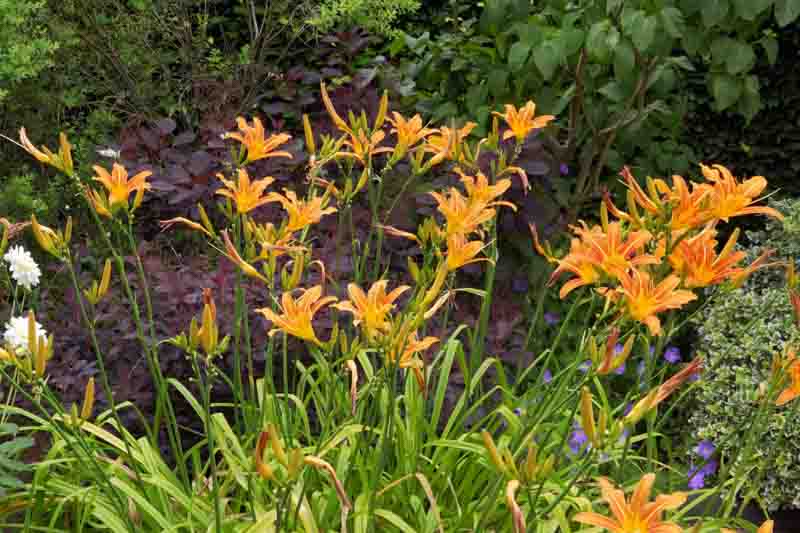


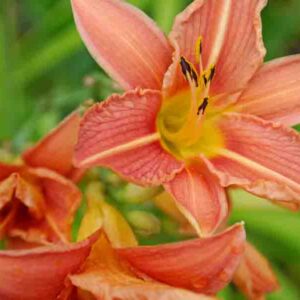
Daylilies are famously resilient, but even a tough daylily (Hemerocallis) can develop yellow leaves, brown tips, streaks, spots, damaged buds, collapsing foliage, or disappointing flowers.
The challenge is that several completely different problems can produce similar symptoms. Yellow foliage may reflect normal aging, drought stress, excessive moisture, leaf disease, or trouble at the crown. Brown leaves may result from heat, aging foliage, leaf streak, rust, or root stress. A leafy plant with few flowers may not be diseased at all.
That is why a useful diagnosis should not begin with a disease name. It should begin with what changed, how the damage developed, where it appeared, and whether the whole plant is declining.
Color → Pattern → Location → Performance
| Check | What to Look For | Why It Matters |
|---|---|---|
| Color | Yellow, tan, brown, orange, pale, or mottled foliage? | Color is the first clue, but rarely identifies the cause by itself. |
| Pattern | Uniform yellowing, dry tips, elongated streaks, raised pustules, stippling, holes, or distortion? | The pattern often separates normal aging and environmental stress from pests and disease. |
| Location | Old leaves, new growth, leaf bases, crown, buds, scapes, or the entire fan? | Where symptoms begin is often more useful than their final color. |
| Performance | Is the plant still growing and flowering normally, or are whole fans, buds, roots, and scapes failing? | A cosmetic foliage problem requires a very different response from a declining crown or root system. |
Gardenia’s guiding principle: Diagnose how the symptom developed before treating the final symptom. A yellow leaf alone cannot tell you whether the plant needs water, less water, cleanup, pest control, disease management, or no treatment at all.
When something looks wrong, it is tempting to ask, “Does my daylily have fungus?” A more useful first question is, “What exactly changed?”
A disease diagnosis becomes much easier when you distinguish gradual yellowing from sudden collapse, dry browning from soft tissue, or a flat brown lesion from a raised orange pustule.
| What You See | First Suspects | What to Check Next |
|---|---|---|
| Older leaves gradually yellow | Normal aging, seasonal decline, moisture stress | Are younger leaves healthy and is the crown firm? |
| Dry brown tips or margins | Heat, drought, aging foliage, root stress | Check soil moisture and look for lesions or crown problems |
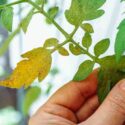
| Brown spots with yellow halos becoming streaks | Daylily leaf streak | Look for elongated brown lesions bordered by yellow tissue |
| Raised orange-yellow spots | Daylily rust | Wipe the lesion with white tissue and look for orange powder |
| Yellowing with soft crown or collapsing fans | Suspect crown or root trouble | Inspect crown firmness, drainage, soil moisture, and leaf bases |
| Fine pale or yellow stippling | Spider mites | Inspect both sides of the leaves closely for tiny mites or webbing |
| Healthy foliage but few flowers | Shade, planting depth, moisture, crowding, cultivar behavior | Check growing conditions before treating for disease |
One symptom can have several causes. Yellow foliage may be perfectly normal or a warning sign. The pattern surrounding the yellowing determines what you should investigate next.
Yellow leaves are among the most common daylily complaints, but yellowing is a symptom rather than a diagnosis.
Individual daylily leaves do not remain green indefinitely. Older outer foliage naturally ages and may turn yellow before becoming brown and dry. Dormant cultivars also lose their foliage as they approach winter rest.
Some cultivars may additionally show temporary summer dormancy or seasonal foliage decline, which can occasionally be mistaken for disease. Foliage behavior varies considerably among dormant, semi-evergreen, and evergreen daylilies.
More likely normal: yellowing begins with older leaves, younger growth remains healthy, and the crown stays firm.
Daylilies tolerate periods of dry weather, but drought tolerance does not mean they perform best when repeatedly dry. Consistent moisture supports healthy foliage, scape development, bud formation, and flowering.
During prolonged heat or drought, older foliage may yellow prematurely and leaf tips may turn brown and crisp.
Constantly saturated soil creates a different problem. Roots need oxygen as well as moisture, and poorly drained conditions can stress roots and crowns and favor rot organisms.
If yellowing occurs while the soil remains wet, check the plant rather than automatically adding more water. Wilting in wet soil, collapsing fans, soft crown tissue, loose leaves, or discoloration at the base of the plant moves root or crown trouble much higher on the list.
Yellow-leaf shortcut: A few aging outer leaves on a vigorous plant are very different from yellowing accompanied by soft tissue, collapse, or spreading lesions.
When daylily foliage turns brown, look at where the browning starts and what the boundary between healthy and damaged tissue looks like.
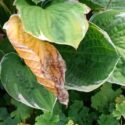
Dry, crisp tips may develop as leaves age or after prolonged heat and moisture stress. If the rest of the leaf remains reasonably healthy and the soil has been dry, environmental stress is a more likely explanation than crown rot.
Daylily foliage often becomes less attractive as the season progresses. Older leaves may yellow and brown after the main flowering display even when the crown remains perfectly healthy.
Remove fully dead foliage when useful for appearance or sanitation, but do not interpret every aging leaf as evidence that the whole plant is failing.
For seasonal cleanup guidance, see Gardenia’s When to Cut Back Daylilies: Deadheading, Scapes and Fall Cleanup.
If the browning begins as discrete lesions, yellow-bordered spots, streaks, or raised pustules, investigate disease rather than assuming the leaves are simply drying out.
Look at the transition zone. The edge between healthy and damaged tissue often provides more diagnostic information than the final brown portion of the leaf.
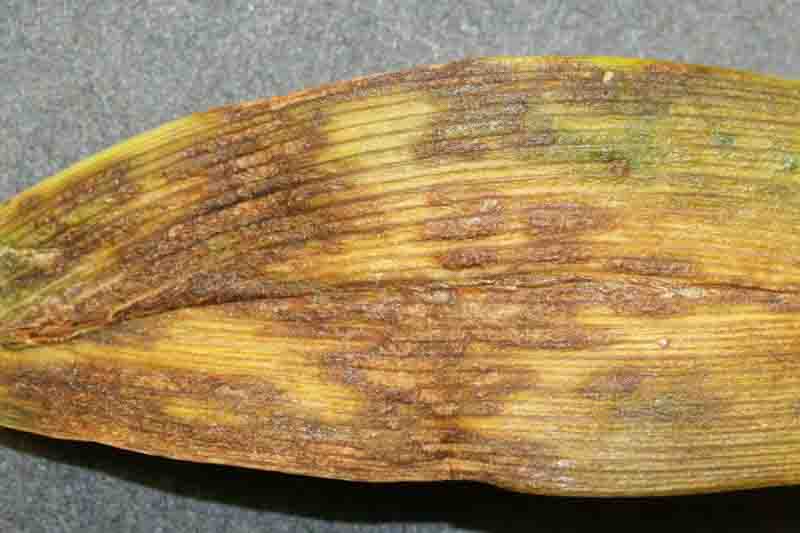
Daylily leaf streak is one of the most common foliar diseases of Hemerocallis.
The disease typically begins with small tan to brown lesions surrounded by yellow tissue. As the damage progresses, the lesions may elongate into conspicuous brown streaks with broad yellow borders. Severely affected leaves can become largely brown and dry, and heavy infection may reduce plant vigor and flowering.
Remove badly affected and dead foliage and dispose of it rather than allowing infected debris to accumulate around the crown. Good sanitation is especially useful because the disease can persist on old foliage.
Improve airflow where plants are very crowded, water the soil rather than repeatedly wetting the leaves, and avoid spreading infected plant debris among healthy clumps.
Already damaged foliage will not become green again. Management is aimed at reducing further infection and protecting healthy growth.
Leaf streak clue: Think brown spot + yellow halo → elongated brown-and-yellow streak. That progression is more informative than simple yellowing or a dry brown tip.
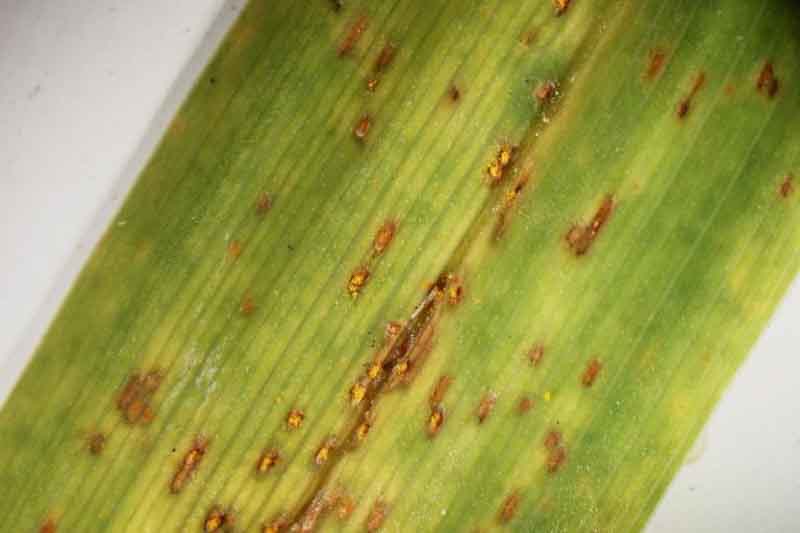
Daylily rust is caused by Puccinia hemerocallidis. It can produce yellowing, streaking, premature foliage decline, and one particularly useful clue: raised orange-yellow pustules containing powdery spores.
Gently wipe a suspicious raised orange lesion with white tissue. If orange powder transfers to the tissue, rust becomes a much stronger possibility.
| Feature | Leaf Streak | Daylily Rust |
|---|---|---|
| Early clue | Tan-brown lesions with yellow halos | Raised orange-yellow pustules |
| Later appearance | Brown streaks bordered by yellow | Yellowing, streaking, and leaf decline may develop |
| Powder test | No characteristic orange spore powder | Orange spores may rub onto white tissue |
| First management priority | Sanitation, airflow, reduced leaf wetness | Separate infected material, sanitation, airflow, reduced leaf wetness |
Rust severity varies with cultivar and climate. Some daylilies are more susceptible than others, and local winter conditions affect how easily the disease persists from one season to the next.
Rust clue: Raised orange-yellow pustules that leave orange powder on white tissue are much more diagnostic than yellowing alone.
Yellow foliage becomes more concerning when the symptoms extend beyond individual leaves and entire fans begin to weaken or collapse.
If several leaves yellow together, the plant wilts despite wet soil, foliage pulls loose from the crown, or the crown feels soft or mushy, suspect a crown or root problem.
Several different organisms and environmental stresses can produce crown and root rots, so foliage symptoms alone cannot reliably identify the exact cause.
One specific problem that can cause yellowing and collapse is southern blight. In warm, wet conditions, affected plants may develop discoloration at the base along with white cottony fungal growth and small tan to reddish-brown structures near the crown.
Check drainage immediately and avoid keeping a stressed crown constantly wet. Improve soil aeration where necessary and avoid automatically treating every rot-like symptom in the same way.
Persistent or severe crown and root problems may require diagnosis by a university Extension plant-disease clinic or other qualified diagnostic laboratory because several conditions can look similar above ground.
Do not diagnose root trouble from leaf color alone. Yellow leaves plus a firm crown may be relatively minor. Yellow leaves plus soft tissue, loose fans, or collapse deserve immediate investigation.
Not every mark on daylily foliage is caused by disease. Several small pests can feed on leaves, scapes, buds, and flowers.
If leaves develop fine pale or yellow stippling, spider mites should move high on the suspect list. These tiny pests remove plant cell contents, creating a finely speckled appearance that can eventually give foliage a faded or bronzed look.
Inspect both sides of the leaves closely. Fine webbing may become visible when infestations are heavier, although its absence does not rule mites out.
Aphids feed on tender growth and may cluster on developing scapes, buds, or young foliage. Look for groups of small, soft-bodied insects rather than treating distorted growth as a nutrient problem without inspection.
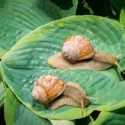
Ragged holes and missing leaf tissue point toward chewing damage rather than a leaf-spot disease. Slugs and snails frequently feed at night and hide in cool, moist places during the day.
Read the damage: Fine stippling suggests sap-feeding pests such as spider mites. Clean holes or ragged missing tissue suggest chewing. Defined lesions and pustules move the diagnosis back toward disease.
If the foliage is green and vigorous, the crown is firm, and the main complaint is poor flowering, disease should move lower on the list.
Daylilies flower best with about six or more hours of direct sunlight. Plants growing in less light may still produce substantial foliage but fewer flower scapes.
Reassess established beds because trees and shrubs grow. A site that was sunny when the daylily was planted may be significantly more shaded several years later.
Nearby woody plants can compete strongly for water and nutrients. A daylily planted close to established tree or shrub roots may remain alive yet flower below its potential.
Daylily crowns should not be buried deeply. A useful general target is to keep the crown around 1 in. (2.5 cm) below the finished soil surface.
Check established plants as well. Repeated layers of compost or mulch can gradually raise the surrounding soil level.
Daylilies can survive drought but still flower poorly. Consistent moisture is particularly useful while plants are developing scapes and buds and during flowering.
Recently planted or divided daylilies may concentrate on root establishment before returning to their normal flowering performance. Spring-divided plants may produce few or no flowers that summer.
Very dense mature clumps may benefit from division, but crowding should not become an automatic explanation for every nonflowering plant. Check sunlight, planting depth, water, and general plant health first.
For a complete flowering diagnosis, see Gardenia’s Why Are My Daylilies Not Blooming? 8 Causes and How to Fix Them.
Healthy foliage + few flowers: Check light first. When the plant is otherwise vigorous and the crown is healthy, site and cultural conditions are usually more useful places to investigate than leaf disease.
When foliage looks reasonably healthy but flower buds are distorted, scarred, swollen, damaged, or disappearing, concentrate your inspection on the buds and scapes.
Thrips are tiny insects that can feed on developing buds and flowers. Damage may appear as distorted buds, streaked or scarred petals, malformed flowers, or blooms that fail to open normally.
Because thrips are so small, inspect damaged buds and flowers closely rather than assuming the problem is caused by weather or nutrition.
Aphids may gather on tender scapes and buds and can distort young growth when populations are high.
Where daylily gall midge occurs, larvae feed inside developing buds and can cause them to become unusually swollen, distorted, and unable to open normally.
Remove affected buds promptly and dispose of them rather than leaving them around the plants. Because this pest is geographically limited, local Extension or daylily-society guidance is particularly useful if gall midge is suspected.
If buds disappear entirely rather than becoming distorted, consider deer and other browsing animals. The absence of a bud can provide a very different clue from a bud that remains attached but fails to develop normally.
Follow the damaged plant part. If the leaves are healthy and the trouble is concentrated in buds or flowers, investigate flower-feeding pests and animal browsing before treating the roots or foliage.
Some alarming-looking changes are part of normal daylily growth and require little or no treatment.
Most individual daylily flowers open for a single day. The clump continues flowering because additional buds open over subsequent days.
Dormant daylilies naturally die back as they approach winter. Semi-evergreen and evergreen cultivars behave differently, and even evergreen foliage may be damaged or killed by severe cold.
Some yellowing and browning of older leaves is normal as the growing season progresses. Remove dead foliage when useful for appearance or sanitation rather than trying to keep every leaf perfectly green.
Certain cultivars may show temporary summer dormancy or marked seasonal foliage decline. This can sometimes look alarming, particularly to gardeners unfamiliar with the cultivar’s normal behavior.
Rebloom varies with cultivar, climate, and growing-season length. A cultivar capable of rebloom in a long warm season may produce only its primary flowering period in a shorter or cooler climate.
See Gardenia’s How to Keep Daylilies Blooming Longer for the distinction between primary flowering, rebloom, and season-long succession.
Before treating a daylily, ask whether anything is actually wrong. One-day flowers, winter dormancy, older leaves declining, and climate-dependent rebloom can all be normal.
| Symptom | Most Useful Clue | Likely Direction | Do This First |
|---|---|---|---|
| Older leaves gradually yellow | New growth and crown remain healthy | Normal aging or seasonal decline | Monitor; remove fully dead foliage as needed |
| Yellowing with dry, crisp foliage | Dry soil or prolonged hot weather | Moisture stress | Check soil moisture and water deeply if needed |
| Yellowing + soft crown or collapsing fans | Loose leaves, wet soil, mushy tissue | Suspect crown/root rot | Inspect drainage and crown immediately; seek diagnosis if severe |
| Brown spots becoming streaks | Yellow halo or broad yellow border | Leaf streak | Remove infected debris and reduce prolonged leaf wetness |
| Raised orange-yellow spots | Orange powder transfers to white tissue | Daylily rust | Separate infected material and improve sanitation |
| Fine pale or yellow stippling | Tiny feeding marks, possible mites or webbing | Spider mites | Inspect both leaf surfaces closely |
| Ragged holes | Leaf tissue is physically missing | Slugs, snails, or other chewing pests | Inspect around plants after dark |
| Healthy foliage, few flowers | Plant remains vigorous | Light, planting depth, crowding, moisture, or cultivar issue | Measure hours of direct sun first |
| Scarred or distorted buds | Damage concentrated in developing flowers | Thrips or aphids | Inspect buds and scapes closely |
| Unusually swollen buds | Abnormal enlargement and distortion | Gall midge where present | Remove affected buds and confirm local pest presence |
| Mistake | Why It Misleads | Better Approach |
|---|---|---|
| “Yellow means it needs fertilizer.” | Yellowing can result from aging, moisture stress, disease, or crown problems. | Check the symptom pattern and soil conditions before feeding. |
| “Brown leaves mean drought.” | Leaf streak, rust, aging, heat, and root problems can all produce brown tissue. | Look at where and how the browning began. |
| “Spots mean fungus.” | Pest feeding and environmental injury can also mark leaves. | Ask whether the marks are raised, powdery, streaked, stippled, or chewed. |
| “Few flowers mean the plant is sick.” | Shade and cultural conditions commonly limit flowering. | Check sunlight, depth, moisture, crowding, and cultivar expectations. |
| “More water will revive a yellow daylily.” | Additional water can worsen problems when soil is already saturated. | Check soil moisture and crown condition before watering. |
| “One damaged leaf means the whole plant is diseased.” | Older leaves naturally decline and minor local damage is common. | Assess the entire clump and whether new growth remains healthy. |
Gardenia’s shortcut: Do not diagnose a daylily from the final symptom. Diagnose how the symptom developed. Color + pattern + location + plant performance usually narrows the possibilities much faster.
Daylilies are generally dependable perennials, and good growing conditions prevent many avoidable problems while making plants better able to tolerate those that do occur.
For complete cultural guidance, see Gardenia’s How to Grow and Care for Daylilies.
Yellow leaves can result from normal aging, seasonal decline, drought stress, excessive moisture, leaf disease, or crown and root problems. Check whether only older leaves are affected or whether yellowing is accompanied by lesions, wilting, soft tissue, or collapsing fans.
Some yellowing and decline of older foliage can occur as the growing season progresses and does not necessarily indicate disease. Dormant cultivars also lose their foliage naturally as they approach winter dormancy.
Dry brown tips may accompany aging foliage, heat, or moisture stress. If browning begins around distinct lesions, yellow-bordered streaks, or raised orange pustules, investigate leaf streak or rust instead.
Daylily leaf streak commonly begins as tan or brown lesions surrounded by yellow tissue. The lesions then lengthen into brown streaks, often with broad yellow borders. Severe infections can cause premature leaf death.
Rust produces raised orange-yellow pustules containing powdery spores. Wiping a rust lesion with white tissue may leave orange powder. Leaf streak typically develops from tan-brown lesions with yellow halos into elongated brown-and-yellow streaks without the characteristic orange powder.
Yellowing combined with wilting, loose leaves, soft or mushy crown tissue, or collapse of entire fans can indicate a crown or root problem. Check drainage and soil moisture immediately. Persistent or severe cases may require professional diagnosis.
Fine pale or yellow stippling is characteristic of sap-feeding damage and makes spider mites an important suspect. Inspect both sides of affected foliage closely for mites, feeding marks, or fine webbing.
Irregular holes usually indicate chewing rather than a leaf-spot disease. Slugs and snails are common causes, although other insects and animals can also remove daylily foliage.
Healthy foliage with few flowers often points to insufficient sunlight, deep planting, competition, crowding, moisture stress, recent planting or division, or cultivar and climate differences. Check how many hours of direct sun the plant receives first.
Thrips and aphids can damage developing buds and flowers. Where daylily gall midge occurs, affected buds may become unusually swollen and distorted. Inspect the buds closely and identify the likely pest before choosing a treatment.
Removing badly affected and dead foliage can improve sanitation and reduce infected debris, particularly with leaf streak and rust. Avoid automatically removing healthy foliage when only a few leaves are damaged.
Not until you know why the plant is yellow. Aging foliage, dry soil, saturated soil, disease, and crown problems can all cause yellowing. Diagnose the symptom pattern and consider a soil test before adding fertilizer.
Daylilies are generally resilient, but leaf streak, rust, southern blight, and several crown and root rots can occur. Pest feeding, moisture stress, and normal foliage decline can mimic disease, which is why symptom pattern is important.
A yellow or brown daylily leaf is a symptom, not a diagnosis.
First decide whether the change is gradual or sudden, dry or soft, uniform or patterned. Look for yellow halos, brown streaks, raised orange pustules, fine stippling, missing tissue, crown softness, distorted buds, and changes in flowering.
Then look at the entire plant. A vigorous daylily losing a few old leaves requires a very different response from one whose fans are collapsing at a soft crown. A leafy plant producing few flowers is more likely to need a site assessment than a fungicide.
Gardenia’s Daylily Symptom Check:
Color → Pattern → Location → Performance
That four-step check helps separate normal foliage changes from environmental stress, leaf disease, pest feeding, crown trouble, and flowering problems before you water, fertilize, spray, divide, or remove anything.
Updated: August 2026 • Reviewed by Gardenia Editors
| Hardiness |
3 - 9 |
|---|---|
| Heat Zones |
2 - 11 |
| Climate Zones | 2, 3, 4, 5, 6, 7, 8, 9, 10, 11, 12, 13, 14, 15, 16, 17, 18, 19, 20, 21, 22, 23, 24, H1, H2 |
| Plant Type | Perennials |
| Genus | Hemerocallis |
| Exposure | Full Sun, Partial Sun |
| Season of Interest | Summer (Early, Mid, Late), Fall |
| Maintenance | Low |
| Water Needs | Average |
| Soil Type | Chalk, Clay, Loam, Sand |
| Soil pH | Acid, Alkaline, Neutral |
| Soil Drainage | Moist but Well-Drained, Well-Drained |
| Characteristics | Showy |
| Tolerances | Drought, Rabbit, Dry Soil, Salt |
| Attracts | Butterflies, Hummingbirds |
| Landscaping Ideas | Banks And Slopes, Beds And Borders, Patio And Containers |
| Garden Styles | City and Courtyard, Coastal Garden, Informal and Cottage, Traditional Garden |
| Hardiness |
3 - 9 |
|---|---|
| Heat Zones |
2 - 11 |
| Climate Zones | 2, 3, 4, 5, 6, 7, 8, 9, 10, 11, 12, 13, 14, 15, 16, 17, 18, 19, 20, 21, 22, 23, 24, H1, H2 |
| Plant Type | Perennials |
| Genus | Hemerocallis |
| Exposure | Full Sun, Partial Sun |
| Season of Interest | Summer (Early, Mid, Late), Fall |
| Maintenance | Low |
| Water Needs | Average |
| Soil Type | Chalk, Clay, Loam, Sand |
| Soil pH | Acid, Alkaline, Neutral |
| Soil Drainage | Moist but Well-Drained, Well-Drained |
| Characteristics | Showy |
| Tolerances | Drought, Rabbit, Dry Soil, Salt |
| Attracts | Butterflies, Hummingbirds |
| Landscaping Ideas | Banks And Slopes, Beds And Borders, Patio And Containers |
| Garden Styles | City and Courtyard, Coastal Garden, Informal and Cottage, Traditional Garden |
Create a membership account to save your garden designs and to view them on any device.
Becoming a contributing member of Gardenia is easy and can be done in just a few minutes. If you provide us with your name, email address and the payment of a modest $25 annual membership fee, you will become a full member, enabling you to design and save up to 25 of your garden design ideas.
Join now and start creating your dream garden!
Create a membership account to save your garden designs and to view them on any device.
Becoming a contributing member of Gardenia is easy and can be done in just a few minutes. If you provide us with your name, email address and the payment of a modest $25 annual membership fee, you will become a full member, enabling you to design and save up to 25 of your garden design ideas.
Join now and start creating your dream garden!