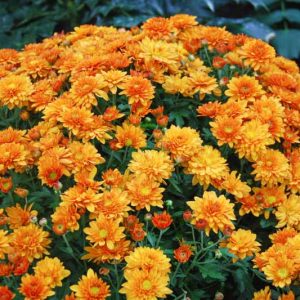
Want your mums to return next spring? Winter survival depends on more than cold alone. Learn how to protect mums in the ground or pots, when to mulch, whether to cut them back, how to prevent freeze-thaw damage, and which Gardenia winter route gives your plant the strongest chance.



To overwinter mums successfully, focus on four things: hardiness, establishment, drainage, and root insulation. Hardy garden mums growing in well-drained soil are usually the best candidates to survive winter outdoors. Potted mums need extra protection because their roots are more exposed, while unidentified supermarket or florist mums are harder to predict.
The most common mistake is to think winter survival depends only on how cold the air becomes. With chrysanthemums, repeated freezing and thawing, wet soil, poorly established roots, and exposed containers can be just as important.
Quick answer: Hardy mums in the ground are usually best left in place, with their roots protected by well-drained soil and winter mulch applied after the ground cools. Potted mums need extra root insulation or cold protected storage. Very late-planted or unidentified mums should be treated as less predictable.
If you are unsure whether your mum is hardy enough to overwinter, explore Gardenia’s Chrysanthemum collection or compare Chrysanthemums by hardiness, mature size, bloom season, and growing conditions.
You do not need a perfect botanical identification, but you do need to know how much confidence you can place in the plant’s winter hardiness.
Gardenia’s winter formula: Think in terms of hardiness + establishment + drainage + root insulation. A mum does not overwinter well because of one factor alone.
Gardenia’s Mum Winter Route organizes winter care around the plant’s hardiness, how well established it is, how well the site drains, and how much insulation surrounds the roots.
| Your Mum | Best Winter Route | Gardenia Recommendation |
|---|---|---|
| Established hardy mum in the ground | Protect in place | Keep the site well drained and add winter mulch after the soil cools |
| Hardy mum planted recently | Extra in-ground protection | Establishment is the weak point, so root insulation matters more |
| Hardy mum in a small pot | Cold protected storage or sink the pot | Do not assume normal garden hardiness applies to exposed container roots |
| Hardy mum in a large container | Protect outdoors or store cold | Greater soil volume helps, but severe root freezing is still possible |
| Unnamed supermarket mum | Experiment if desired | Hardiness is unknown, so winter survival is uncertain |
| Florist mum with unknown hardiness | Protected experiment or seasonal use | Do not assume it will become a reliable outdoor perennial |
Gardenia’s winter rule: Protect the roots, not the flowers. The best strategy is the one that combines appropriate hardiness + establishment + drainage + root insulation.
For an established hardy mum, overwintering in the ground is usually the simplest route. Garden soil provides natural insulation, but chrysanthemums still benefit from protection because their fibrous roots are relatively shallow.
Mulch is not there to keep mums warm all winter. Its main job is to reduce rapid temperature swings and repeated freezing and thawing around shallow roots.
A chrysanthemum can suffer winter damage even when the minimum temperature stays within the cultivar’s normal hardiness range.
The problem is often frost heaving. Water in the upper soil freezes, expands, and lifts the soil. When temperatures rise, the soil settles again. Repeated cycles can gradually push shallow-rooted plants upward, exposing crowns and roots to colder air and drying conditions.
Recently planted mums are especially vulnerable because their roots have not yet spread widely into the surrounding soil.
This can explain why:
Consistent snow cover can help insulate the soil, while exposed ground that repeatedly warms and refreezes may experience more damaging temperature fluctuations.
This is why USDA hardiness zones are only part of the winter-survival picture. They describe expected minimum temperatures, not drainage, establishment, snow cover, or frost heaving.
In cold-winter climates, leaving hardy mums standing until spring is a well-supported approach. Iowa State recommends leaving old growth in place because research found better winter survival in unpruned plants, and some Illinois Extension guidance agrees. Other Extension recommendations allow fall cutback after dormancy, so local practice varies.
If maximum winter protection is your priority – especially for marginally hardy or recently planted mums – leaving healthy stems standing until spring is the more conservative choice. If foliage or stems were seriously affected by disease or pests, remove and discard infected material instead of leaving it around the crown over winter.
Old stems can also help trap snow and mulch around the crown. After new growth appears in spring, cut the dead stems back and remove excess winter protection.
Cold-climate takeaway: Deadheading faded flowers is fine. Cutting the entire plant to the ground before winter is optional, not essential, and leaving old growth in place may provide an advantage where winter survival is marginal.
A mum hardy in your USDA zone is not automatically equally hardy in an exposed container. Garden hardiness ratings generally assume that roots benefit from the insulating effect of surrounding soil.
In a pot, cold can reach the root ball from the top and sides. The smaller the container, the faster its temperature can change.
There are three practical overwintering routes.
An unheated garage, shed, or cold basement can protect dormant mums from severe root freezing while allowing them to remain dormant.
A protected space roughly in the 20-45°F (-7 to 7°C) range can work for many dormant hardy perennials. The plant should remain cold, but the root ball should not experience the full extremes of an exposed outdoor pot.
This is a general protected-storage range for dormant hardy perennials rather than a chrysanthemum-specific temperature requirement; the essential goal is to maintain dormancy while preventing severe root freezing.
Sinking the entire container into garden soil gives the roots much more insulation than leaving the pot exposed above ground.
Bury the pot so the surface of the container soil is approximately level with the surrounding ground, then mulch the area after the soil cools.
This is especially useful when you want to keep the mum in its pot and move it elsewhere the following spring.
If you cannot store or sink the container, move it to a sheltered location away from strong winter winds and intense winter sun. Grouping containers together can reduce exposure.
Larger pots are safer than small nursery containers because the greater volume of soil changes temperature more slowly. Insulating material placed around grouped pots can provide additional protection.
Do not confuse cold storage with indoor culture. A warm living room is not an ideal winter destination for a dormant hardy mum. The goal is protected dormancy, not months of warm, low-light growth.
Winter watering depends on where the plant is being overwintered.
In-ground mums generally need little attention once the soil freezes. Before that point, water during prolonged dry weather so the root zone does not enter winter extremely dry.
Dormant potted mums in a protected garage, shed, or similar location need much less water than actively growing plants. Check the soil occasionally and add only enough water to prevent the root ball from drying completely.
Outdoor containers need closer monitoring because shelter can change moisture dramatically. A pot under an overhang may receive almost no rain or snow, while another exposed to winter storms may become too wet.
The goal is simple: slightly moist and well drained, never saturated.
Late-season mums are harder to overwinter because you may be dealing with two uncertainties at once: unknown hardiness and limited establishment time.
If a named hardy mum is already in the ground, protect it as well as you can and recognize that newly established roots are more vulnerable than those of a plant that has been growing all season.
If the mum is still in a pot, do not assume leaving it fully exposed outdoors is safer. A small container can freeze much more severely than surrounding garden soil. Cold protected storage, sinking the pot, or additional outdoor insulation may all be better options.
If the plant is an unidentified supermarket or florist mum, overwintering is an experiment rather than a guarantee.
For more guidance on whether a potted mum should go into the ground, see Gardenia’s Chrysanthemum growing guides.
Do not rush dormant mums into growth during the first warm spell.
For in-ground plants, begin removing excess mulch as the soil thaws and severe freezing becomes less likely. Fresh shoots should eventually appear from the crown near soil level.
Once active growth is visible:
For mums stored in a cold garage or shed, gradually reintroduce brighter light and outdoor conditions as growth resumes and severe frost risk passes. Avoid moving a dormant plant directly from cold storage into intense sun for an entire day.
Once garden mums are actively growing, normal spring and summer care resumes. For complete care guidance, see Gardenia’s Chrysanthemum Growing and Care Guide.
Winter protection reduces risk, but it cannot correct every underlying problem.
| Possible Problem | What Went Wrong |
|---|---|
| Insufficient hardiness | The cultivar was not cold-hardy enough for the site |
| Poor establishment | Roots had too little time to spread before winter |
| Wet winter soil | Poor drainage stressed or damaged the crown and roots |
| Frost heaving | Freeze-thaw cycles pushed shallow roots toward the surface |
| Inadequate root insulation | Container roots were exposed to more severe temperature swings than in-ground roots |
| Winter desiccation | A protected container was allowed to become completely dry |
The pattern is the same throughout this guide: successful overwintering depends on the interaction of hardiness + establishment + drainage + root insulation. Winter protection works best when those four factors are already working in the plant’s favor.
The easiest mum to overwinter is one that was well matched to your garden before winter began.
For more dependable perennial performance, choose named cultivars with documented hardiness, plant them early enough to establish, and give them sunny, well-drained sites.
Lost mums before? Don’t make winter protection do all the work.
Use Gardenia’s Chrysanthemum comparison tool to compare cultivars by hardiness, mature size, bloom season, color, and growing conditions, then explore the Chrysanthemum plant profiles before choosing your next mum.
The recommendations in this guide draw on current university Extension guidance for chrysanthemum winter survival, frost heaving, mulching, pruning, and overwintering hardy perennials in containers.
The best way to overwinter mums is to protect the roots from winter stress. Established hardy mums are usually safest in well-drained garden soil, while potted mums need extra root insulation or cold protected storage.
Use Gardenia’s Mum Winter Route – hardiness + establishment + drainage + root insulation – to choose the winter strategy that fits your plant.
Hardy mums growing in the ground can usually overwinter outdoors when well established and grown in well-drained soil. In cold climates, protect the shallow roots with loose mulch after the soil cools. Potted mums need additional root insulation or cold protected storage.
Leaving hardy mums standing until spring is a well-supported choice in cold climates. Iowa State reports better winter survival when old growth is left in place, although some regional guidance allows fall cutback after dormancy.
Winter mulch can help hardy mums in cold climates. Apply several inches of loose material such as clean straw or pine needles after the soil has cooled. The main goal is to reduce repeated freezing and thawing around the shallow roots.
Protect container-grown mums from severe root freezing. Options include storing dormant pots in a cold unheated garage or shed, sinking pots into the ground and mulching them, or grouping and insulating containers in a sheltered outdoor location.
Hardy potted mums can often be overwintered in a cold, protected garage that allows dormancy while protecting the root ball from extreme freezing. Keep the soil slightly moist and do not fertilize while the plant is dormant.
Dormant mums need much less water than actively growing plants. In-ground mums usually need little water once the soil freezes. Potted mums in protected storage should be checked periodically and watered lightly if the root ball is becoming completely dry.
Sometimes. A supermarket mum may be hardy, but its cultivar and hardiness are often unknown. Survival is more likely when the plant has suitable hardiness, good establishment, well-drained soil, and adequate root insulation.
Timing varies with climate. Look for fresh shoots emerging from the crown as the soil warms. Remove excess mulch gradually and cut away old dead stems once new growth is clearly underway.
Updated: September 2026 • Reviewed by Gardenia Editors
| Hardiness |
5 - 9 |
|---|---|
| Heat Zones |
5 - 9 |
| Climate Zones | 2, 2A, 2B, 3, 3A, 3B, 4, 5, 6, 7, 8, 9, 10, 11, 12, 13, 14, 15, 16, 17, 18, 19, 20, 21, 22, 23, 24, H1 |
| Plant Type | Annuals, Perennials, Shrubs |
| Plant Family | Asteraceae |
| Genus | Chrysanthemum |
| Exposure | Full Sun |
| Season of Interest | Summer (Late), Fall |
| Maintenance | Average |
| Water Needs | Average |
| Soil Type | Clay, Loam, Sand |
| Soil pH | Acid, Alkaline, Neutral |
| Soil Drainage | Moist but Well-Drained |
| Characteristics | Cut Flowers, Showy |
| Attracts | Butterflies |
| Landscaping Ideas | Beds And Borders, Patio And Containers |
| Garden Styles | City and Courtyard, Cutting Garden, Informal and Cottage, Traditional Garden |
| Hardiness |
5 - 9 |
|---|---|
| Heat Zones |
5 - 9 |
| Climate Zones | 2, 2A, 2B, 3, 3A, 3B, 4, 5, 6, 7, 8, 9, 10, 11, 12, 13, 14, 15, 16, 17, 18, 19, 20, 21, 22, 23, 24, H1 |
| Plant Type | Annuals, Perennials, Shrubs |
| Plant Family | Asteraceae |
| Genus | Chrysanthemum |
| Exposure | Full Sun |
| Season of Interest | Summer (Late), Fall |
| Maintenance | Average |
| Water Needs | Average |
| Soil Type | Clay, Loam, Sand |
| Soil pH | Acid, Alkaline, Neutral |
| Soil Drainage | Moist but Well-Drained |
| Characteristics | Cut Flowers, Showy |
| Attracts | Butterflies |
| Landscaping Ideas | Beds And Borders, Patio And Containers |
| Garden Styles | City and Courtyard, Cutting Garden, Informal and Cottage, Traditional Garden |
Create a membership account to save your garden designs and to view them on any device.
Becoming a contributing member of Gardenia is easy and can be done in just a few minutes. If you provide us with your name, email address and the payment of a modest $25 annual membership fee, you will become a full member, enabling you to design and save up to 25 of your garden design ideas.
Join now and start creating your dream garden!
Create a membership account to save your garden designs and to view them on any device.
Becoming a contributing member of Gardenia is easy and can be done in just a few minutes. If you provide us with your name, email address and the payment of a modest $25 annual membership fee, you will become a full member, enabling you to design and save up to 25 of your garden design ideas.
Join now and start creating your dream garden!