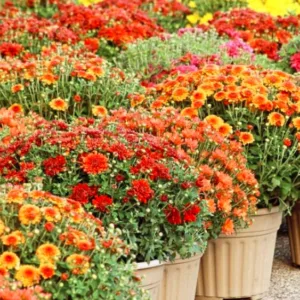
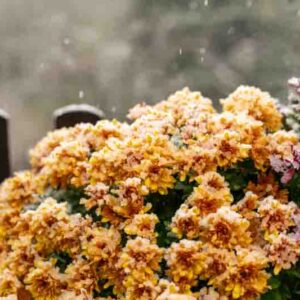
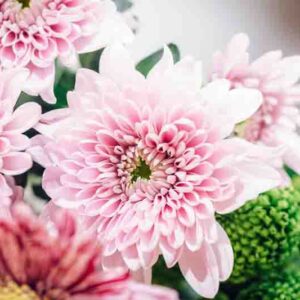
Will your mums come back next year? Some chrysanthemums are dependable hardy perennials, while others are best enjoyed for one brilliant season. Discover how to tell them apart, why fall-planted mums often disappear, which varieties make better perennial plants, and Gardenia's practical test for predicting whether your mum will return.
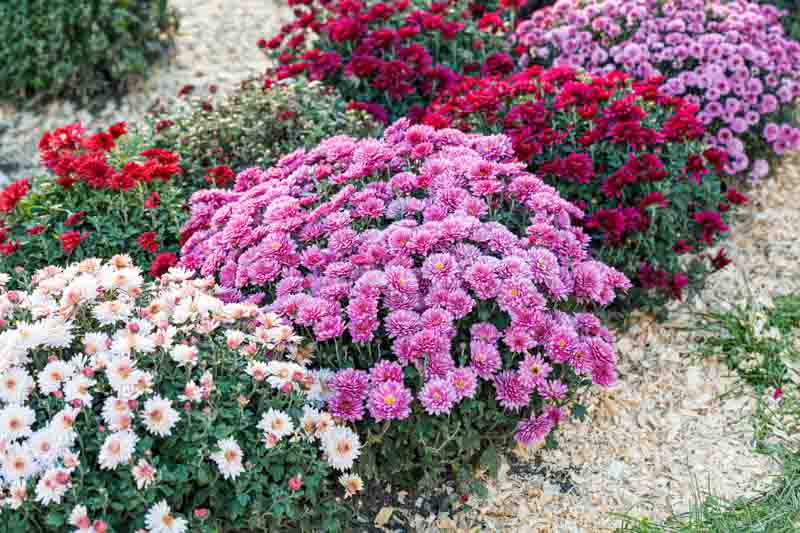


Yes, many mums are perennials – but not every mum reliably comes back every year. Hardy garden chrysanthemums can return and flower for years when the cultivar is suited to your climate, planted early enough to establish, and grown in well-drained soil. Florist and seasonal potted mums are much less predictable outdoors, particularly when planted late in fall in a cold climate.
The important distinction is simple: “perennial” describes a plant’s life cycle; “hardy” describes whether it can survive winter where you live. A chrysanthemum can therefore be biologically perennial without being reliably winter-hardy in your garden.
Quick answer: A named hardy garden mum planted within its USDA hardiness range has the best chance of returning year after year. Spring-planted mums are generally more dependable than mums planted in full bloom late in fall. An unidentified supermarket or florist mum may survive, especially in a mild climate, but its long-term hardiness is much harder to predict.
If you are choosing chrysanthemums for more than one season, explore Gardenia’s Chrysanthemum collection or compare Chrysanthemums side by side by hardiness, size, bloom season, growing conditions, and garden use.
Many of the chrysanthemums grown in gardens are herbaceous perennials. Their stems and leaves die back after frost, while the crown and root system remain alive below ground and can produce fresh shoots the following spring.
But plants sold simply as “mums” are not all grown for the same purpose. Chrysanthemums include cultivars selected for perennial borders, seasonal fall containers, florist displays, cut flowers, and exhibitions. Some have been selected specifically for cold hardiness and outdoor garden performance; others have been bred primarily for flower form, compact growth, or precise flowering under greenhouse conditions.
Hardiness can differ considerably from one cultivar to another. Some hardy chrysanthemums perform into USDA Zone 4, while many familiar garden cultivars are rated for Zones 5 and warmer. Always check the named cultivar rather than applying one hardiness range to all mums.
The distinction that matters: A mum can be a perennial without being reliably perennial in your garden. Instead of asking only “Is this a perennial?”, ask “Is this cultivar hardy where I live?”
The labels garden mum, hardy mum, and florist mum are useful horticultural descriptions rather than perfectly separate botanical categories. Many cultivated chrysanthemums share complicated hybrid ancestry. For gardeners, the useful distinction is how a plant was selected, sold, and intended to be grown.
Florist mums are sometimes described as annuals, but that can be misleading. Many are perennial plants biologically; they simply may not have been bred or sold for dependable landscape overwintering. They are also often purchased already blooming late in the season, leaving little time for roots to establish before winter.
Flower form is not a reliable hardiness clue either. Spider, pompon, decorative, single, quill, and incurved describe the flowers, not automatically the plant’s winter tolerance. See Gardenia’s 13 Types of Chrysanthemum to explore the major flower forms.
No single label can predict whether a mum will survive winter. Gardenia recommends judging four conditions together: cultivar hardiness, establishment time, winter drainage, and root exposure.
| Your Mum | Situation | Chance of Returning |
|---|---|---|
| Named hardy cultivar | Spring planted, well-drained soil, safely within its zone | Best |
| Named hardy cultivar | Early fall planting with time to establish | Good to moderate |
| Named hardy cultivar | Planted shortly before hard freezes | Less predictable |
| Unidentified seasonal mum | Mild winter, planted in the ground | Possible, but uncertain |
| Unidentified seasonal mum | Late planting in a cold climate | Low confidence |
| Any mum in a small outdoor pot | Roots exposed to prolonged freezing | Higher winter-loss risk |
Gardenia’s rule of thumb: The strongest perennial candidate is a known hardy cultivar + established roots + well-drained winter soil + roots protected in the ground. Each favorable condition improves the odds; each missing one adds uncertainty.
If reliable perennial performance is your priority, choose named hardy garden cultivars rather than an unidentified fall pot. A cultivar name allows you to check USDA hardiness, mature size, bloom season, and garden performance before planting.
Gardenia’s collection shows how much variation exists even among hardy mums:
| Hardy Chrysanthemum | USDA Zones | Garden Value |
|---|---|---|
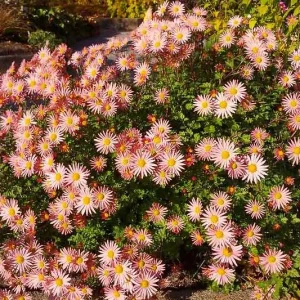
| ‘Clara Curtis’ | 4-9 | Warm pink daisy flowers, relatively early bloom, broad spreading habit |
| ‘Emperor of China’ | 4-9 | Silvery-pink double flowers and handsome late-season foliage |
| ‘Hillside Sheffield Pink’ | 4-9 | Soft apricot-pink flowers and a relaxed perennial-border habit |
| ‘Will’s Wonderful’ | 5-9 | Broad, vigorous perennial with masses of distinctive late flowers |
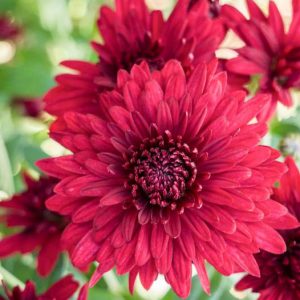
| ‘Ruby Mound’ | 5-9 | Compact mound with rich ruby-red semi-double flowers |
| ‘Apricot’ | 5-9 | Soft apricot to peach-pink flowers extending color late in the season |
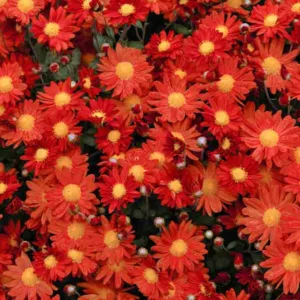
| ‘Overture’ | 5-9 | Compact habit with warm russet-red to terracotta tones |
| ‘Bolero’ | 5-9 | Compact hardy mum suited to borders and containers |
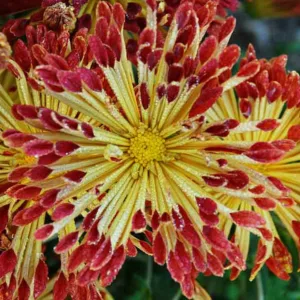
| ‘Matchsticks’ | 5-9 | Compact perennial with distinctive quilled, spoon-tipped flowers |
These cultivars show why “hardy mum” does not describe one uniform plant. Some stay compact, others spread into substantial clumps; some begin flowering earlier, while others extend the display deeper into fall. Flower forms range from simple daisies to doubles and unusual quilled blooms.
| Hardiness |
5 - 9 |
|---|---|
| Heat Zones |
5 - 9 |
| Climate Zones | 2, 2A, 2B, 3, 3A, 3B, 4, 5, 6, 7, 8, 9, 10, 11, 12, 13, 14, 15, 16, 17, 18, 19, 20, 21, 22, 23, 24, H1 |
| Plant Type | Annuals, Perennials, Shrubs |
| Plant Family | Asteraceae |
| Genus | Chrysanthemum |
| Exposure | Full Sun |
| Season of Interest | Summer (Late), Fall |
| Maintenance | Average |
| Water Needs | Average |
| Soil Type | Clay, Loam, Sand |
| Soil pH | Acid, Alkaline, Neutral |
| Soil Drainage | Moist but Well-Drained |
| Characteristics | Cut Flowers, Showy |
| Attracts | Butterflies |
| Landscaping Ideas | Beds And Borders, Patio And Containers |
| Garden Styles | City and Courtyard, Cutting Garden, Informal and Cottage, Traditional Garden |
For more choices, use Gardenia’s Chrysanthemum comparison tool to examine varieties side by side by hardiness, mature size, bloom season, color, and growing conditions.
A gardener buys a magnificent flowering mum in September or October, plants it carefully, and expects it to return. The following spring, the space is empty.
That does not necessarily mean the plant was an annual. It may simply have been planted too late.
Mums have relatively shallow, fibrous root systems. A plant installed in spring has months to establish before winter. A mum planted late in fall is trying to root while flowering heavily and while soil temperatures are dropping.
This creates an unfortunate mismatch: chrysanthemums are most widely sold when they look irresistible in bloom, but that may be considerably later than the ideal planting time for perennial establishment in cold climates.
For the best chance of a repeat performance: Plant hardy mums in spring. Early fall can work when several weeks of growing weather remain, but the closer planting gets to hard freezes, the less dependable overwintering becomes.
If you buy a mum late in autumn simply because it makes the front steps look wonderful, enjoy it. There is nothing wrong with seasonal color. Just do not give a late-planted decorative pot the same perennial expectations as a hardy cultivar established months earlier.
Once you have chosen a hardy cultivar, good growing conditions matter more than complicated winter rituals.
The riskiest combination: Late planting + poorly established roots + wet winter soil + repeated freeze-thaw cycles. Even a hardy cultivar can struggle when several stresses occur together.
For complete guidance on planting, watering, feeding, pinching, and growing chrysanthemums, see Gardenia’s Chrysanthemum Growing and Care Guide.
They can, but leaving a mum outdoors in its nursery pot is considerably riskier than growing the same hardy cultivar in the ground.
Garden soil insulates roots from extreme temperature fluctuations. A container exposes the root ball to cold from the top and sides, and a small pot can freeze much more thoroughly than the surrounding soil.
Bringing a mum into a warm living room is not automatically the answer. Chrysanthemums are outdoor plants with seasonal growth cycles rather than conventional year-round houseplants.
Do not give up too early in spring. Chrysanthemums may remain dormant after some neighboring perennials have already started growing.
Look at soil level for fresh shoots emerging from the crown. The previous year’s stems may be completely dead even while new basal growth is developing below them.
Once new shoots are clearly visible, remove old stems and winter debris. If the crown remains dormant after the garden is actively growing, inspect it. Firm tissue may still be viable; a soft, rotten, hollow, or completely dried crown is unlikely to recover.
If mums repeatedly disappear from the same spot, investigate the site before replacing them. Persistent winter moisture, inadequate sun, exposure, or repeated freeze-thaw conditions may be more important than the plant itself.
If you want four spectacular weeks of color, choose the potted mum you love. If you want a chrysanthemum to become part of your perennial garden, shop differently.
That last point is important. ‘Will’s Wonderful’ can become a broad, substantial perennial, while ‘Ruby Mound’ remains much more compact. ‘Clara Curtis’ begins its display relatively early, while other chrysanthemums carry autumn color later. Choosing by color alone misses much of what makes these plants useful.
Don’t stop at “Is it perennial?” Find the perennial mum that fits your garden.
Compare Gardenia’s Chrysanthemums side by side, then use the Plant Finder and Garden Design Tool to evaluate hardiness, sunlight, soil, mature size, bloom season, and how your choices fit with the rest of your planting.
Many mums are perennials, but the mums most likely to return are named hardy cultivars suited to your climate and established in well-drained garden soil. Seasonal and florist mums may survive, but their performance is less predictable when hardiness is unknown or they are planted late.
Use Gardenia’s Mum Return Matrix – hardiness + establishment + drainage + root protection – then compare hardy Chrysanthemums to find the right perennial mum for your garden.
Yes, many garden mums are herbaceous perennials. However, perennial does not automatically mean winter-hardy in every climate. Whether a mum returns depends on cultivar hardiness, establishment, drainage, and winter conditions.
Named hardy garden chrysanthemums and many Rubellum or heritage-type mums are among the best choices. Always check the individual cultivar’s USDA hardiness range because winter tolerance varies among chrysanthemums.
Garden mums are generally selected for outdoor landscape performance, while florist mums are commonly produced for flowering displays, pots, or cut flowers. A florist mum may be biologically perennial, but dependable outdoor winter hardiness should not be assumed.
They can, especially if they are hardy cultivars, but mums left in outdoor containers are more vulnerable to winter cold because their roots have less insulation than roots growing in the ground.
Sometimes. Their survival is difficult to predict if the cultivar and hardiness are unknown. Supermarket mums are also commonly sold late in fall, giving roots little time to establish before winter. Survival is generally easier in mild climates.
Spring is the safest planting time in cold-winter climates because mums have an entire growing season to establish roots before winter. Early fall can also work when several weeks of growing weather remain before hard freezes.
Common causes include insufficient cultivar hardiness, late planting, poor winter drainage, freeze-thaw damage to shallow roots, or roots freezing in an exposed container. A mum can be perennial but still fail to survive unsuitable winter conditions.
Updated: September 2026 • Reviewed by Gardenia Editors
| Hardiness |
5 - 9 |
|---|---|
| Heat Zones |
5 - 9 |
| Climate Zones | 2, 2A, 2B, 3, 3A, 3B, 4, 5, 6, 7, 8, 9, 10, 11, 12, 13, 14, 15, 16, 17, 18, 19, 20, 21, 22, 23, 24, H1 |
| Plant Type | Annuals, Perennials, Shrubs |
| Plant Family | Asteraceae |
| Genus | Chrysanthemum |
| Exposure | Full Sun |
| Season of Interest | Summer (Late), Fall |
| Maintenance | Average |
| Water Needs | Average |
| Soil Type | Clay, Loam, Sand |
| Soil pH | Acid, Alkaline, Neutral |
| Soil Drainage | Moist but Well-Drained |
| Characteristics | Cut Flowers, Showy |
| Attracts | Butterflies |
| Landscaping Ideas | Beds And Borders, Patio And Containers |
| Garden Styles | City and Courtyard, Cutting Garden, Informal and Cottage, Traditional Garden |
Create a membership account to save your garden designs and to view them on any device.
Becoming a contributing member of Gardenia is easy and can be done in just a few minutes. If you provide us with your name, email address and the payment of a modest $25 annual membership fee, you will become a full member, enabling you to design and save up to 25 of your garden design ideas.
Join now and start creating your dream garden!
Create a membership account to save your garden designs and to view them on any device.
Becoming a contributing member of Gardenia is easy and can be done in just a few minutes. If you provide us with your name, email address and the payment of a modest $25 annual membership fee, you will become a full member, enabling you to design and save up to 25 of your garden design ideas.
Join now and start creating your dream garden!