Are mums poisonous - and if so, why can people drink chrysanthemum tea? Learn what chrysanthemum exposure means for cats, dogs and people, which symptoms matter, how skin reactions happen, and why garden mums differ from pyrethrin pesticides. Gardenia's Plant-or-Product Exposure Check helps separate four very different safety questions.
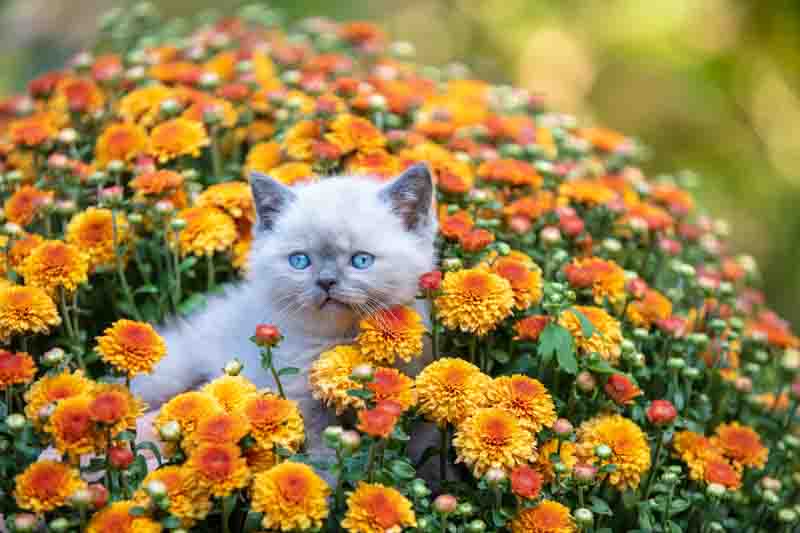


Yes. Chrysanthemums are considered toxic to cats and dogs, and ornamental garden mums can also cause problems in people. In pets, exposure may cause vomiting, diarrhea, excessive salivation, incoordination, and dermatitis. In people, chrysanthemums are generally considered low-severity poisonous plants. Ingestion of non-culinary plant material, particularly leaves or roots, may cause stomach upset or vomiting, while handling the foliage can trigger allergic contact dermatitis in sensitive individuals.
The important word is context. A dog that chewed a garden mum, a florist who develops an itchy rash after handling chrysanthemums, a person drinking commercially prepared chrysanthemum tea, and a cat exposed to a concentrated insecticide are not experiencing the same kind of exposure.
Several very different safety questions are often collapsed into one: Is the ornamental plant toxic? Are some chrysanthemum petals edible? Can touching the plant cause dermatitis? Are pyrethrin or pyrethroid pesticides dangerous? The answer depends on what was involved, who was exposed, how the exposure happened, and what symptoms are developing.
If a pet has eaten a chrysanthemum: prevent further access, identify the plant, estimate the amount if possible, and contact your veterinarian or an animal poison-control service for individualized guidance. Do not induce vomiting or give home remedies unless a veterinary professional specifically instructs you to do so.
Chrysanthemums contain several compounds capable of causing irritation or toxic effects. The ASPCA lists sesquiterpenes, lactones, pyrethrins, and other potential irritants among the toxic principles associated with Chrysanthemum species.
These compounds do not all act in exactly the same way. Sesquiterpene lactones are particularly important in chrysanthemum allergy and contact dermatitis, while ingestion of ornamental plant material can cause gastrointestinal and other clinical signs in animals.
That is why chrysanthemum exposure can look very different depending on who or what was exposed. A pet that eats plant tissue may develop digestive or neurologic signs, while a sensitive gardener may react primarily through the skin.
Gardenia’s Chrysanthemum Plant-or-Product Exposure Check: Who was exposed? What exactly was involved? How did the exposure occur? What symptoms are developing? Those four questions are more useful than the simple statement that “mums are toxic.”
Yes. Chrysanthemum species are considered toxic to cats. Possible signs include vomiting, diarrhea, excessive salivation, incoordination, and dermatitis.
A cat that chews leaves, flowers, stems, or other chrysanthemum material may develop digestive upset or drooling. Incoordination is a more concerning sign and should prompt veterinary advice.
Not every cat will develop every symptom. The response can vary with the amount involved, the individual animal, and whether another substance was present on the plant.
That last point matters. If the mum was recently treated with an insecticide, fertilizer, fungicide, or another garden product, tell your veterinarian or poison-control service exactly what was used.
Do not wait for severe symptoms before seeking advice. If your cat has eaten a chrysanthemum, prevent further access and contact your veterinarian or an animal poison-control service for guidance based on the exposure.
Yes. Mums are also considered toxic to dogs. Possible signs include vomiting, diarrhea, excessive salivation, incoordination, and dermatitis.
Dogs may be exposed by chewing plants directly, eating fallen flowers, investigating garden trimmings, or pulling apart a seasonal container.
When evaluating an exposure, do not focus only on the plant. A potted chrysanthemum may also contain fertilizer granules, systemic treatments, slug products, insecticides, or other substances that can change the risk considerably.
Save the nursery label if possible, photograph the plant, and keep any pesticide or fertilizer packaging available when speaking with a veterinary professional.
Possible clinical signs involve the digestive system, nervous system, mouth, and skin. A pet may develop one sign or several.
| Possible Sign | What You May Notice |
|---|---|
| Vomiting | One or repeated episodes after chewing or swallowing plant material |
| Diarrhea | Loose or frequent stools |
| Hypersalivation | Unusual or excessive drooling |
| Incoordination | Unsteady walking or abnormal coordination |
| Dermatitis | Skin irritation after contact with the plant |
These symptoms are not unique to chrysanthemum poisoning. Vomiting, diarrhea, drooling, or poor coordination can have many causes, which is why plant identification and a reliable exposure history matter.
If you know or suspect that your pet has eaten a mum, remove access and collect the information that will help a veterinary professional assess the exposure.
The ASPCA Animal Poison Control Center can be reached at (888) 426-4435 in the United States. A consultation fee may apply.
Do not induce vomiting or give milk, oil, medication, activated charcoal, or another home remedy unless a veterinarian or veterinary poison expert specifically instructs you to do so.
Chrysanthemums are generally considered low-severity poisonous plants for people rather than highly dangerous garden poisons. Ingestion of non-culinary chrysanthemum plant material, particularly leaves or roots, may cause stomach upset or vomiting, while contact with the foliage can cause dermatitis in sensitive individuals.
Contact dermatitis is particularly well documented. Chrysanthemums belong to the Asteraceae family and contain allergenic sesquiterpene lactones that can trigger allergic skin reactions.
A reaction may begin on the fingers or hands after pruning, pinching, deadheading, or handling flowers and may spread to the wrists, forearms, or face. Frequent occupational exposure among florists and horticultural workers is especially well documented, but home gardeners can also become sensitized.
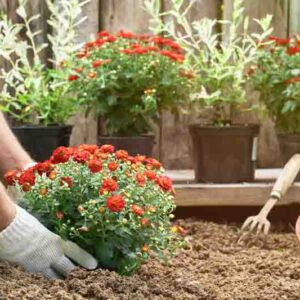
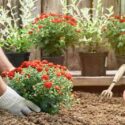
For sensitive gardeners: Wear gloves when pinching, dividing, deadheading, or cutting chrysanthemums. Wash exposed skin afterward, and avoid rubbing your eyes or face while working with the plants.
If non-culinary plant material is eaten and symptoms develop, or if a child consumes an uncertain amount, contact a medical professional or poison-control service for individualized guidance. Severe swelling, breathing difficulty, or another rapidly worsening reaction requires urgent medical attention.
This is one of the most confusing parts of chrysanthemum safety. Some chrysanthemums have a long history of culinary use, and chrysanthemum petals and prepared flowers are used in foods and teas in several cultures.
That does not mean every ornamental mum is edible.
Edibility depends on several separate factors:
Gardenia’s Edible-Mum Rule: Edible petals do not make the whole mum edible. Check plant identity, plant part, intended culinary use, preparation, and pesticide history before treating any chrysanthemum as food.
In practical terms, do not eat a florist mum or garden-center chrysanthemum simply because chrysanthemum tea or edible chrysanthemum petals exist.
Chrysanthemums are often associated with pyrethrins, but an important botanical distinction is needed.
Commercial natural pyrethrins are obtained principally from pyrethrum, Tanacetum cinerariifolium, a plant historically classified as Chrysanthemum cinerariifolium. This historical naming is one reason chrysanthemums and pyrethrins are often discussed together.
That should not be interpreted to mean that chewing an ornamental garden mum is equivalent to exposure to a concentrated pyrethrin insecticide.
Commercial pyrethrins are insecticidal compounds obtained primarily from the flower heads of pyrethrum and formulated into pesticide products. Synthetic pyrethroids are chemically related manufactured insecticides designed to mimic or improve on pyrethrin activity.
The distinction matters especially for cats because some pyrethroids, particularly permethrin, can cause serious neurologic poisoning in cats.
| Exposure | What It Is | Why It Matters |
|---|---|---|
| Ornamental garden mum | A Chrysanthemum plant | Toxic to pets if eaten and capable of causing dermatitis in sensitive people |
| Pyrethrum plant | Tanacetum cinerariifolium, formerly classified in Chrysanthemum | Principal botanical source of commercial natural pyrethrins |
| Pyrethrin insecticide | A formulated product containing concentrated natural insecticidal compounds | Exposure can be substantially different from chewing or touching an ornamental mum |
| Synthetic pyrethroid | A manufactured related pesticide such as permethrin | Some products can be particularly dangerous to cats |
Plant or product? This is one of the most important questions after a chrysanthemum-related exposure. A dog chewing a garden mum and a cat exposed to a concentrated pyrethroid pesticide should not be treated as equivalent situations.
For pet safety, the simplest approach is to treat the ornamental chrysanthemum plant as unsuitable for chewing rather than trying to identify a safe part.
For people, plant-safety references specifically identify leaves, roots, and sap or juice as parts capable of causing poisoning or irritation. The foliage is also an important source of contact allergens.
Flowers require more nuance because some chrysanthemum petals and prepared flowers are intentionally used in food and tea. That culinary history does not make every ornamental flower safe to eat.
The distinction is simple:
Plant-part rule: A record of edible petals does not mean the leaves, roots, sap, stems, or entire ornamental chrysanthemum are edible.
Fresh trimmings also deserve attention in homes with pets. Deadheaded flowers and cut stems may be easier for a curious dog or cat to investigate than foliage attached to the plant, so dispose of them where pets cannot reach them.
There is no established group of ornamental Chrysanthemum cultivars that should be considered pet-safe simply because of flower color, flower form, compact size, hardiness, or cultivar name.
A yellow cushion mum is not known to be safer than a pink decorative mum, a spider mum, or a large perennial chrysanthemum.
The same practical caution applies to florist mums and hardy garden mums. Their horticultural differences affect flowering, hardiness, and overwintering, but they do not create a reliable pet-safety distinction.
Do not choose by cultivar name: If pet safety is a priority, do not assume that a particular mum color, flower type, or named cultivar is non-toxic. Choose an alternative with a better-established pet-safe profile.
Many households grow chrysanthemums without incident. The practical risk depends heavily on behavior and access.
A mature dog that ignores plants is very different from a puppy that chews everything. Likewise, an outdoor cat that never approaches a mum border has a different exposure risk from an indoor cat sharing a room with a potted florist chrysanthemum.
If you grow mums around pets or children:
For complete cultivation information, see Gardenia’s Chrysanthemum Growing and Care Guide or browse the Chrysanthemum collection.
If your cat or dog routinely chews plants, it may be easier to avoid chrysanthemums in highly accessible areas and choose plants with a better-established non-toxic profile.
Build a Garden Around Pet Safety
Use Gardenia’s Plant Finder to explore plants by growing conditions and toxicity characteristics, then use the Garden Design Tool to compare alternatives that also fit your hardiness, sun, soil, moisture, mature size, and design goals.
This is where Gardenia can take the question beyond a yes-or-no toxicity answer. Knowing that a mum is unsuitable for a plant-chewing pet solves only the first problem. The next is finding a replacement that performs the same garden role under the same conditions.
Gardenia’s Chrysanthemum Plant-or-Product Exposure Check: Who was exposed? What exactly was involved? How did the exposure occur? What symptoms are developing? Those four questions help distinguish ornamental-plant ingestion, skin contact, culinary use, and pesticide exposure – and point toward the appropriate next step.
Yes. Chrysanthemum species are considered toxic to cats. Possible signs include vomiting, diarrhea, excessive salivation, incoordination, and dermatitis. Prevent further access and contact your veterinarian or an animal poison-control service after suspected ingestion.
Yes. Mums are toxic to dogs. Ingestion may cause vomiting, diarrhea, excessive drooling, incoordination, or dermatitis. Contact a veterinarian or animal poison-control service for guidance if your dog eats the plant.
Chrysanthemums are generally considered low-severity poisonous plants for people. Ingestion of non-culinary plant material, particularly leaves or roots, may cause stomach upset or vomiting, while skin contact can cause allergic dermatitis in sensitive individuals.
A cat may develop vomiting, diarrhea, excessive salivation, incoordination, or dermatitis after chrysanthemum exposure. Remove access to the plant and contact a veterinarian or animal poison-control service rather than waiting for symptoms to worsen.
A dog may develop vomiting, diarrhea, excessive drooling, incoordination, or dermatitis after eating chrysanthemum material. Identify the plant and any products used on it, then contact a veterinarian or animal poison-control service for advice.
Yes. Chrysanthemums contain allergens including sesquiterpene lactones and can cause allergic contact dermatitis. Florists, horticultural workers, frequent gardeners, and other sensitive people may develop an itchy or irritated rash after handling the plant.
Some chrysanthemums are specifically grown and prepared for culinary use. Edible petals or prepared flowers do not make every part of every ornamental mum edible. Plant identity, plant part, preparation, pesticide history, and individual sensitivity all matter.
Commercial natural pyrethrins are obtained principally from pyrethrum, Tanacetum cinerariifolium, a plant historically classified as Chrysanthemum cinerariifolium. A decorative garden mum should not be treated as equivalent to a concentrated pyrethrin insecticide.
Some synthetic pyrethroids, particularly permethrin, can be highly toxic to cats. A pesticide exposure is different from chewing an ornamental mum and should be discussed promptly with a veterinarian or animal poison-control service.
There is no established group of ornamental Chrysanthemum cultivars that should be considered pet-safe based on flower color, flower form, size, or cultivar name. For pets that routinely chew plants, choose an alternative with a better-established non-toxic profile.
Updated: September 2026 – Reviewed by Gardenia Editors
| Hardiness |
5 - 9 |
|---|---|
| Heat Zones |
5 - 9 |
| Climate Zones | 2, 2A, 2B, 3, 3A, 3B, 4, 5, 6, 7, 8, 9, 10, 11, 12, 13, 14, 15, 16, 17, 18, 19, 20, 21, 22, 23, 24, H1 |
| Plant Type | Annuals, Perennials, Shrubs |
| Plant Family | Asteraceae |
| Genus | Chrysanthemum |
| Exposure | Full Sun |
| Season of Interest | Summer (Late), Fall |
| Maintenance | Average |
| Water Needs | Average |
| Soil Type | Clay, Loam, Sand |
| Soil pH | Acid, Alkaline, Neutral |
| Soil Drainage | Moist but Well-Drained |
| Characteristics | Cut Flowers, Showy |
| Attracts | Butterflies |
| Landscaping Ideas | Beds And Borders, Patio And Containers |
| Garden Styles | City and Courtyard, Cutting Garden, Informal and Cottage, Traditional Garden |
| Hardiness |
5 - 9 |
|---|---|
| Heat Zones |
5 - 9 |
| Climate Zones | 2, 2A, 2B, 3, 3A, 3B, 4, 5, 6, 7, 8, 9, 10, 11, 12, 13, 14, 15, 16, 17, 18, 19, 20, 21, 22, 23, 24, H1 |
| Plant Type | Annuals, Perennials, Shrubs |
| Plant Family | Asteraceae |
| Genus | Chrysanthemum |
| Exposure | Full Sun |
| Season of Interest | Summer (Late), Fall |
| Maintenance | Average |
| Water Needs | Average |
| Soil Type | Clay, Loam, Sand |
| Soil pH | Acid, Alkaline, Neutral |
| Soil Drainage | Moist but Well-Drained |
| Characteristics | Cut Flowers, Showy |
| Attracts | Butterflies |
| Landscaping Ideas | Beds And Borders, Patio And Containers |
| Garden Styles | City and Courtyard, Cutting Garden, Informal and Cottage, Traditional Garden |
Create a membership account to save your garden designs and to view them on any device.
Becoming a contributing member of Gardenia is easy and can be done in just a few minutes. If you provide us with your name, email address and the payment of a modest $25 annual membership fee, you will become a full member, enabling you to design and save up to 25 of your garden design ideas.
Join now and start creating your dream garden!
Create a membership account to save your garden designs and to view them on any device.
Becoming a contributing member of Gardenia is easy and can be done in just a few minutes. If you provide us with your name, email address and the payment of a modest $25 annual membership fee, you will become a full member, enabling you to design and save up to 25 of your garden design ideas.
Join now and start creating your dream garden!