New Hampshire Growing Zones Guide: Frost Dates, Maps & What to Plant
Gardening in New Hampshire can mean a cottage vegetable patch on the Seacoast, a berry-filled backyard in Manchester, a lakeside border in the Lakes Region, a shady woodland garden in the Monadnock foothills, or a short-but-intense summer plot in the White Mountains and Great North Woods. New Hampshire planting zones range from subalpine cold near Mount Washington to comparatively mild pockets along the southern border and coastal plain.
This guide will help you understand your New Hampshire growing zone, read the USDA map, plan around frost dates, and choose the best plants for your corner of the Granite State.
What Planting Zone Is New Hampshire In?
New Hampshire sits in the heart of New England, where elevation, latitude, and distance from the ocean all shape the climate. On the latest 2023 USDA Plant Hardiness Zone Map, New Hampshire spans roughly from zone 3b to zone 6b.
- Mount Washington & High Peaks: Exposed summits such as Mount Washington are in zone 3b, with extreme cold, fierce winds, and a very short growing season.
- Great North Woods & Upper Coös County: Far northern valleys and high plateaus fall mostly in zones 3b–4a, with long, snowy winters and brief summers.
- White Mountains & North-Central Highlands: Towns like Lancaster, Littleton, and North Conway sit mainly in zones 4a–4b, with cool nights and a moderate but frost-prone season.
- Lakes Region & Central Hills: Around Laconia, Lake Winnipesaukee, and the central uplands you’ll find mostly zones 4b–5b, excellent for hardy fruits, vegetables, and perennials.
- Merrimack Valley & Monadnock Region: Concord, Keene, and many interior towns fall in zones 5a–5b, with solid growing seasons and cold but manageable winters.
- Southern Tier & Seacoast: Nashua, Manchester, Dover, Portsmouth, and nearby communities are generally zones 5b–6b, the mildest part of the state with the longest frost-free periods.
USDA Hardiness Zone Map for New Hampshire
The updated 2023 USDA Plant Hardiness Zone Map is based on 30-year averages (1991–2020) of each location’s coldest winter temperatures. In New Hampshire, the map shows a clear gradient: the coldest zones in the high peaks and far north, and progressively warmer zones as you move south toward the Merrimack Valley and the Seacoast.
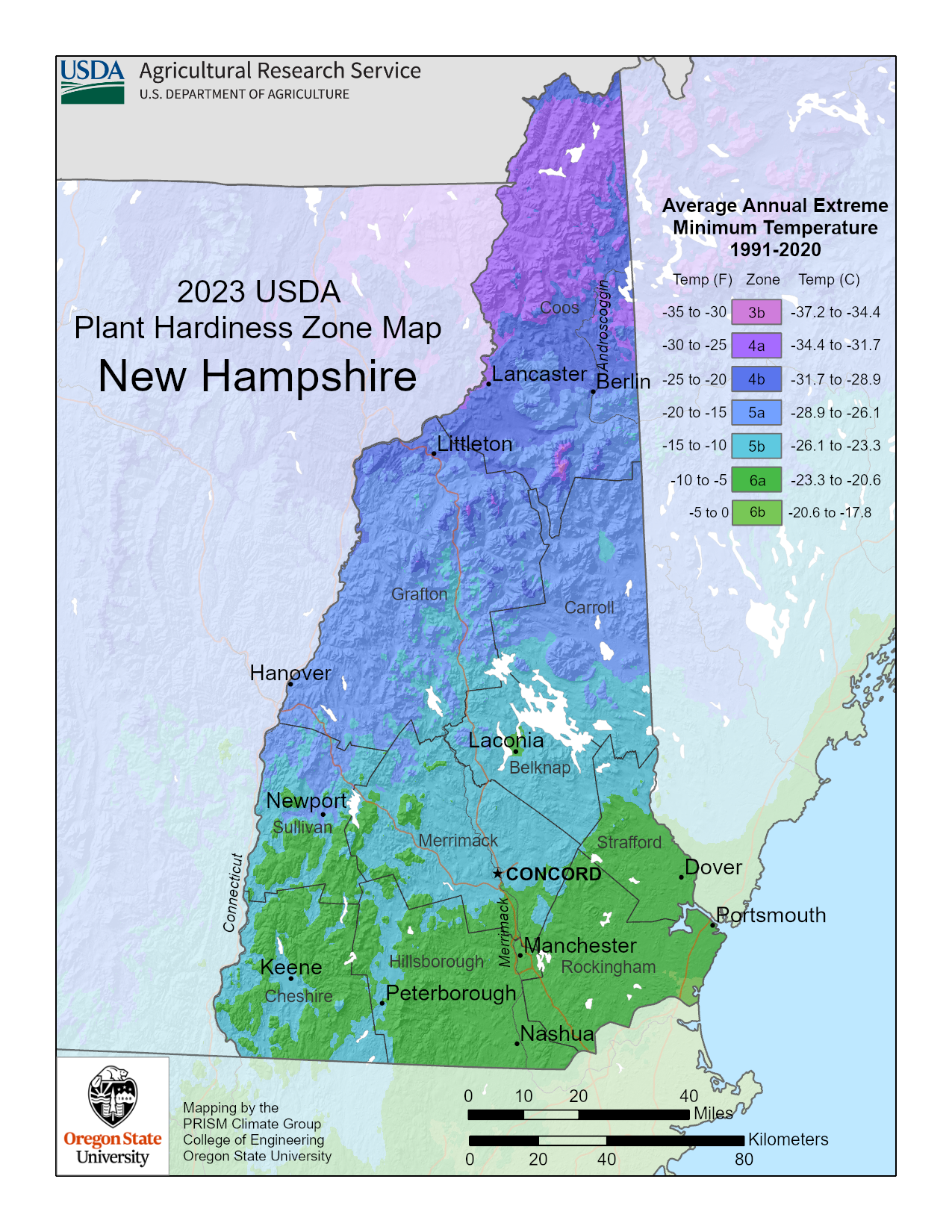
Official 2023 USDA New Hampshire planting zone map, based on 1991–2020 climate data.
Use the map together with your ZIP code to pinpoint your exact New Hampshire garden zone. Look up your New Hampshire planting zone by ZIP code using the USDA tool, then come back here or visit our Plant Finder for plants tailored to your zone, soil, and sun conditions.
New Hampshire Growing Zones by Region
New Hampshire is small on the map but big on microclimates. Elevation, slope, cold air drainage, proximity to lakes and the ocean, ledge, and even pavement and stone walls can nudge a garden a half to a full zone warmer or colder than the surrounding countryside.
Seacoast & Southern Cities (Approx. Zones 5b–6b)
This region includes the Seacoast (Portsmouth, Dover, Hampton), plus southern cities and suburbs such as Nashua, Manchester, and Salem.
- Relatively mild winters and long frost-free periods make this area excellent for a wide mix of vegetables, small fruits, and ornamental plants.
- Urban heat islands along I-93 and in city centers can shelter borderline-hardy shrubs and perennials on south-facing walls and patios.
- Soils range from sandy along the coast to heavier inland; both benefit from compost, mulching, and attentive watering during summer dry spells.
🔎 Find plants by hardiness zone
Merrimack Valley & Central Hills (Approx. Zones 4b–5b)
Concord, Hooksett, Laconia, the Lakes Region, and many central hill towns sit in a transitional band between the milder south and the colder mountains and north.
- Great for hardy fruit trees, cool- and warm-season vegetables, and classic New England perennials.
- Average last frosts often arrive in late May or even early June, with first frosts returning in early–mid September in colder pockets.
- Glacial till and ledgy soils are common—raised beds, generous compost, and mulch go a long way here.
🔎 Find plants by hardiness zone
Monadnock Region & Connecticut River Valley (Approx. Zones 4b–5b)
Keene, Peterborough, Hanover, Lebanon, and river towns down the Connecticut Valley experience cold winters, beautiful foliage seasons, and productive summers.
- Valley bottoms can trap cold air (early frosts), while south-facing slopes and river benches behave like a warmer half-zone.
- Excellent for apples, cold-tolerant grapes, berries, and mixed vegetable gardens.
- Wind protection, row covers, and thoughtful siting help stretch the season.
🔎 Find plants by hardiness zone
White Mountains (Approx. Zones 3b–4b)
From Franconia Notch and the Presidential Range to North Conway and Jackson, this region is cooler and snowier than most of the state.
- Shorter seasons favor cold-hardy vegetables (brassicas, roots, leafy greens), berries, and perennials adapted to cool nights.
- Average last frosts can linger into late May or early June; first frosts may return by mid–late September, especially in hollows and higher ridges.
- Season extension tools—row covers, low tunnels, cold frames, and greenhouses—are valuable allies.
🔎 Find plants by hardiness zone
Great North Woods (Approx. Zones 3b–4a)
Far northern New Hampshire—Pittsburg, Colebrook, and the upper Connecticut River Valley—has some of the coldest winters in the state.
- Very cold winters and a short growing window; focus on hardy perennials, conifers, native shrubs, and fast-maturing vegetables.
- Average last frosts may not arrive until late May or early June; first frosts often return in September.
- Choose wind-sheltered sites, darker mulch to warm soil, and cold-tolerant varieties to make the most of the season.
🔎 Find plants by hardiness zone
New Hampshire Frost Dates: When to Plant and When to Protect
In New Hampshire, frost behaves differently from ridge to valley and north to south. Along the Seacoast and in the southern cities, gardeners may start planting hardy crops in late April or early May. In the White Mountains and Great North Woods, killing frosts can linger into late May or even early June.
Statewide, average last frosts range from early–mid May in the warmest southern and coastal areas to early June in the coldest central and northern locations. First fall frosts may hit northern gardens in early September but often hold off until late September or early October in southern and coastal zones.
| Region / City |
Average Last Spring Frost |
Average First Fall Frost |
Approx. Frost-Free Days |
| Portsmouth / Seacoast (Zone 5b–6a) |
Early–Late May (around May 5–25) |
Late September–Early October (around Sep 25–Oct 5) |
~135–150 days |
| Manchester & Nashua (Southern Cities) |
Mid–Late May (around May 15–22) |
Late September (around Sep 20–25) |
~120–135 days |
| Concord / Merrimack Valley |
Late May–Early June (around May 25–Jun 5) |
Early–Mid September (around Sep 8–18) |
~95–115 days |
| Lakes Region (Laconia & Lakeport) |
Late May (around May 20–25) |
Late September (around Sep 25–30) |
~120–135 days |
| Keene / Monadnock Region |
Late May–Early June (around May 30–Jun 4) |
Mid September (around Sep 11–18) |
~95–110 days |
| Berlin / Great North Woods |
Late May (around May 20–30) |
Mid–Late September (around Sep 15–25) |
~105–120 days |
Zone ranges and frost dates are based on the 2023 USDA Plant Hardiness Zone Map and regional frost-date tools. Dates summarized from regional climate data and frost-date tools; always check a local forecast and ZIP-code–based lookup for the most precise information for your garden.
Use these frost dates as flexible guidelines—your specific yard may run warmer or cooler depending on wind exposure, slope, pavement, nearby water, and tree cover. They’re averages, not guarantees, so keep an eye on the forecast in spring and fall and protect tender plants whenever temperatures dip toward freezing.
Best Plants for New Hampshire Planting Zones
Once you know your New Hampshire planting zone—and whether you garden on a windy ridge, in a sheltered river valley, or near the moderating ocean—you can work with your climate. Focus on plants rated for your hardiness zone (3–6) and time annual crops around your local frost dates and soil conditions.
Vegetables for New Hampshire Growing Zones
- Cool-season crops (spring and fall statewide): lettuce, spinach, arugula, kale, collards, peas, broccoli, cabbage, carrots, beets, parsnips, turnips, and radishes.
- Warm-season crops (plant after your last frost): tomatoes, peppers, zucchini and other summer squash, pumpkins, cucumbers, beans, and sweet corn.
- Short-season & high-elevation favorites (zones 3–4): Quick-maturing salad mixes, baby carrots, radishes, bush beans, compact determinate tomatoes, and cold-frame greens help mountain and northern gardeners harvest more in less time.
Fruits & Trees for New Hampshire Hardiness Zones
- Statewide staples (zones 3–6): apples, pears, cherries, and hardy plums thrive when matched to appropriate rootstocks and sited away from frost pockets.
- Small fruits: grapes, strawberries, highbush and lowbush blueberries, currants, and hardy blackberries and raspberries are naturals for New Hampshire’s acidic soils.
- Warm-pocket experiments (mild zone 6 sites): In sheltered, south-facing courtyards along the southern border or Seacoast, adventurous gardeners may trial hardy figs or keep citrus and other tender fruit trees in containers that overwinter indoors.
Flowers & Ornamentals for New Hampshire Garden Zones
- Reliable perennials: coneflower, black-eyed Susan, yarrow, catmint, lavender (in well-drained spots), and ornamental sages suit sunny beds in zones 4–6.
- Shade-garden classics: Hostas, ferns, heucheras, astilbes, and woodland phlox brighten understories in older neighborhoods and forests.
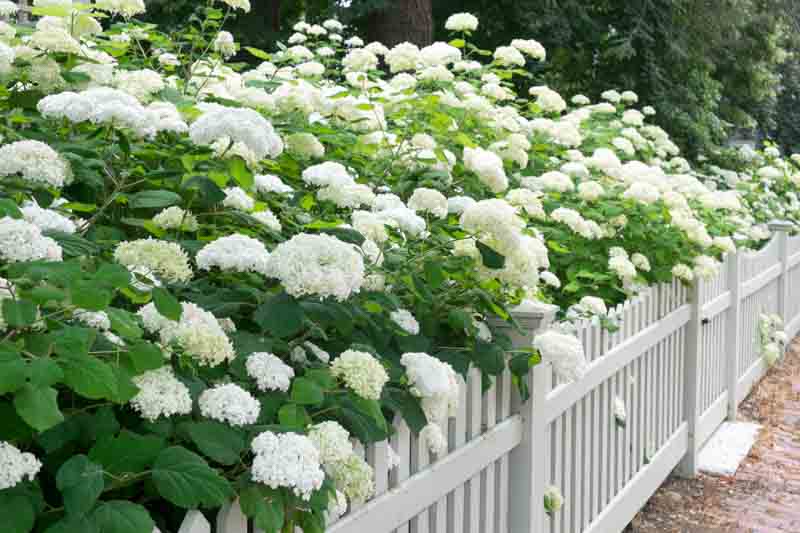
- Structural plants: flowering dogwood (in milder sites), serviceberry, hydrangeas, lilacs, and ornamental grasses provide four-season interest and wildlife shelter.
Native Plants for New Hampshire Landscapes
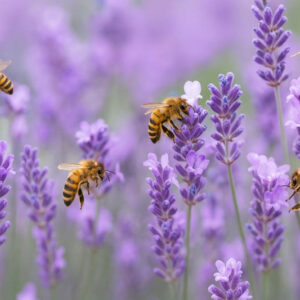
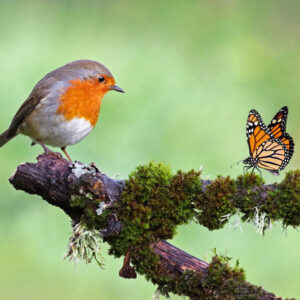
New Hampshire native plants are adapted to local soils, rainfall, and wildlife, making them resilient and ecologically powerful. Mix native wildflowers, shrubs, grasses, and trees for a landscape that looks at home in the Granite State and supports bees, butterflies, and songbirds.
- Native wildflowers: bee balm (Monarda), New England aster (Symphyotrichum novae-angliae), goldenrod (Solidago spp.), wild columbine (Aquilegia canadensis), and trilliums for woodland gardens.
- Native grasses: little bluestem (Schizachyrium scoparium), switchgrass (Panicum virgatum), and tufted hairgrass (Deschampsia cespitosa) for meadows and borders.
- Native shrubs & trees: sugar maple, white pine, paper birch, red maple, red oak, American hazelnut, and winterberry holly for structure, fall color, and wildlife food.
Browse curated lists like great pollinator plants for New Hampshire and monarch nectar plants for New Hampshire to build a New Hampshire garden that hums with life from spring ephemerals through snowy evergreens.
Interactive New Hampshire Planting Calendar (General Guide)
Tap a month to see what to plant in New Hampshire by zone. Use this as a starting point, then adjust for your exact frost dates, elevation, and whether you garden on the Seacoast, in the Merrimack Valley, or in the mountains and far north.
🌆 Zones 5b–6b: Seacoast & Southern Cities (Portsmouth, Nashua, Manchester)
🌾 Zones 4b–5b: Central Hills & Valleys (Concord, Laconia, Keene)
🌲 Zones 3b–4b: White Mountains & Great North Woods (Berlin, Pittsburg)
January – Plan, Dream & Start Slow Indoors
- All zones: Review last year’s garden, order seeds, and sketch beds. Clean and sharpen tools; check grow lights and heat mats.
- Zones 5–6: Start slow-growing perennials, onions, and leeks indoors late in the month.
- Zones 3–4: Focus on planning and infrastructure—it’s usually too early for most indoor starts unless you have excellent light and space.
February – Seed-Starting Season Begins
- Zones 5–6: Start cool-season crops indoors (broccoli, cabbage, lettuce), plus onions, leeks, and hardy herbs like parsley and chives.
- Zones 4–5: Begin starting brassicas and hardy annual flowers indoors mid–late month.
- Zones 3–4: Start onions and leeks inside; wait a bit longer for tomatoes and peppers.
March – Early Cool-Season Planning
- Zones 5–6: Start more brassicas, herbs, and flowers indoors; in milder coastal spots, direct-sow peas and spinach late in the month if soil can be worked.
- Zones 4–5: Continue indoor seed starting; pot up slow seedlings and set up cold frames for future hardening off.
- Zones 3–4: Focus on transplants and season-extension plans; deep snow may linger.
April – Main Cool-Season Planting (South) & Soil Prep (North)
- Zones 5b–6b: As soon as soil is workable, direct-sow peas, spinach, radishes, and lettuce; plant potatoes and onions; set out brassicas under row cover.
- Zones 4b–5a: Finish indoor sowing of tomatoes and peppers; begin outdoor planting of hardy greens toward month’s end in warm microclimates.
- Zones 3b–4a: Snow may still be around—prep beds, add compost, and keep warm-season crops indoors.
May – Last Frosts & Warm-Season Kickoff
- Zones 5b–6b: After your last frost, transplant tomatoes, peppers, eggplant, basil, and warm-season annuals; sow beans, corn, squash, cucumbers, and sunflowers.
- Zones 4b–5a: Once frost danger passes (often late May), plant warm-season crops and harden off seedlings gradually.
- Zones 3b–4a: In the coldest areas, plant warm-season crops toward late May or early June and keep row covers handy.
June – Grow, Stake & Mulch
- All zones: Stake tomatoes, trellis peas and cucumbers, and mulch beds to retain moisture and suppress weeds.
- Zones 5–6: Succession-sow beans, carrots, beets, and salad greens; thin fruit trees and monitor for pests.
- Zones 3–4: Finish planting warm-season crops early in the month; keep young plants well-watered and protected from wind.
July – Peak Summer & First Big Harvests
- All zones: Harvest early greens, peas, new potatoes, and summer squash; water deeply during dry stretches.
- Zones 5–6: Start seeds indoors or in a shaded nursery bed for fall crops (broccoli, cabbage, kale, and lettuce).
- Zones 3–4: Sow another round of beans and quick crops like radishes and baby greens to maximize the short season.
August – Fall Garden Planting
- Zones 5–6: Direct-sow spinach, lettuce, radishes, and turnips for fall harvest; transplant fall brassicas started in July.
- Zones 4–5: Plant fall greens and roots early in the month; use shade cloth or light mulch to help seedlings in the heat.
- Zones 3–4: Focus on fast crops like radishes and baby greens; begin prepping beds for garlic and cover crops.
September – Cooler Nights & Second Seasons
- Zones 5–6: Enjoy fall greens and late tomatoes; start planting garlic toward the end of the month.
- Zones 4–5: Harvest summer crops and fall plantings of kale, lettuce, and radishes; be ready to cover tender crops on chilly nights.
- Zones 3–4: Monitor for early frosts; prioritize harvesting and protecting warm-season crops.
October – Frosts, Fall Color & Garlic Time
- Zones 5–6: Plant garlic, spring-flowering bulbs, and hardy perennials; continue harvesting cool-season crops under row cover.
- Zones 4–5: Harvest pumpkins, winter squash, apples, and storage roots; mulch beds and plant garlic before the ground freezes.
- Zones 3–4: Clean up beds after hard frost, add compost, and protect young perennials with mulch.
November – Wrap-Up & Winter Prep
- All zones: Finish mulching, drain hoses and irrigation lines, and protect young trees from rodents and deer.
- Store tools, label beds for spring, and jot down notes about what worked and what you’ll change next year.
December – Rest, Reflect & Enjoy Evergreens
- All zones: Enjoy winter interest from evergreens, berries, and ornamental grasses.
- Review seed catalogs, evaluate this year’s successes and challenges, and dream up next season’s New Hampshire garden.
New Hampshire Gardening Tips by Zone
New Hampshire gardeners juggle rocky soils, cold winters, blackflies, deer and moose, surprise spring frosts, and rapidly changing weather. These tips help your plants thrive from zone 3b to 6b:
- Know your microclimate. A sheltered Seacoast backyard may behave like a warmer zone 6b, while a windy White Mountain ridge feels like zone 3—even if maps say otherwise.
- Time your seasons. In the south and along the coast, you can plant earlier and harvest later. In central and northern zones, rely on compact, quick-maturing varieties and season extension.
- Improve challenging soils. Much of New Hampshire has stony, acidic, or compacted soils. Add compost regularly, test pH, and consider raised beds for vegetables and herbs.
- Water wisely. Use drip irrigation or soaker hoses under mulch to conserve water and limit foliar diseases during humid spells.
- Use mulch generously. Organic mulches moderate soil temperature, suppress weeds, and reduce splash-borne diseases on tomatoes, roses, and cucurbits.
- Rotate crops. Moving plant families around the garden each year helps manage pests and soil-borne diseases, especially in small vegetable plots.
- Plan for wildlife. Fencing, tree guards, and resistant plant choices help you coexist with deer, rabbits, voles, and the occasional moose.
- Lean on natives. Let native trees, shrubs, and perennials form the backbone of your landscape, with tender or thirsty plants tucked into key protected spots.
Beyond USDA Zones: Snow, Wind & Microclimates in New Hampshire
USDA hardiness zones (3b–6b on the 2023 map) tell you how cold it gets in winter, but they don’t capture snowpack, wind, summer heat, or drainage. For a fuller picture, combine your USDA zone with local frost dates, slope and exposure (south-facing vs. north-facing), and soil type. In practice, that means a tomato on a sunny, stone-backed patio in Nashua lives in a very different world than a tomato in a breezy field near Berlin—even if both are technically zone 5.
Start Growing in Your New Hampshire Planting Zone
Now that you understand your New Hampshire planting zone, frost dates, and regional climate, you’re ready to choose plants that match your conditions and build a thriving garden—whether you’re growing salad greens on a condo balcony or apples, berries, and wildflowers on a country acre. Blend edible crops, flowering perennials, and native plants for a landscape that feeds both your household and local wildlife. Curious how New Hampshire compares to other regions? Visit our national USDA planting zone guide to explore growing zones across the United States.
Frequently Asked Questions
What planting zone is New Hampshire in?
New Hampshire spans USDA hardiness zones 3b through 6b on the 2023 map. The coldest zones (3b–4a) are in the high peaks and far north, while the warmest zones (5b–6b) run through the southern tier and Seacoast.
What growing zone is Manchester and Nashua, NH?
Manchester and Nashua are generally in zones 5b–6a. Winters are still cold, but the growing season is longer than in central and northern New Hampshire, so gardeners can reliably grow warm-season crops like tomatoes, peppers, squash, and sweet corn after the last spring frost.
How long is the growing season in New Hampshire?
Growing seasons vary widely. In the Great North Woods and higher White Mountain towns, frost-free periods can be as short as about 100 days. In the Lakes Region and interior valleys, 115–135 frost-free days are typical. Along the Seacoast and in southern cities, many gardeners enjoy roughly 130–150 frost-free days in an average year.
When is the last frost in New Hampshire, on average?
Most of New Hampshire sees last frosts between mid and late May. The Seacoast and some southern locations often see their last frost in early–mid May, central areas such as Concord and Keene can keep freezing nights into late May or early June, and the coldest northern pockets may not be reliably frost-free until early June.
When does the first fall frost usually occur in New Hampshire?
Across much of the state, first fall frosts arrive sometime in September. Northern and higher-elevation locations often see frost in early–mid September, while southern and coastal gardens typically freeze closer to late September or early October in an average year.
Can you grow tomatoes and peppers in New Hampshire’s colder zones (3–4)?
Yes, but you need a strategy. Start seeds indoors early, choose short-season or “early” varieties, use black plastic or dark mulch to warm the soil, and plant in the warmest microclimate you have (south-facing wall, protected bed, or tunnel). In the coldest areas, low tunnels or small greenhouses greatly improve success.
What are good fruit trees for New Hampshire?
Cold-hardy apples, pears, plums, and tart cherries perform well when matched to the local zone and planted on appropriate rootstocks. Many cultivars are hardy to zones 3–5, making them suitable for most of the state. In the warmest southern and coastal pockets, some gardeners also grow peaches and experiment with hardy figs in sheltered spots or containers.
Which native plants are best for a New Hampshire pollinator garden?
Excellent native choices include bee balm, New England aster, goldenrod, swamp milkweed, black-eyed Susan, wild columbine, and little bluestem. These species are adapted to New Hampshire’s climate, support butterflies and native bees, and blend beautifully into both formal and naturalistic garden designs.
Updated: December 2025 • Reviewed by Gardenia Editors
While every effort has been made to describe these plants accurately, please keep in mind that height, bloom time, and color may differ in various climates. The description of these plants has been written based on numerous outside resources.