Create Your Garden

Wisconsin Planting Zones – Growing Zones Guide

Plan a lush Wisconsin garden with confidence. Explore 2023 USDA growing zones, frost dates, and regional tips for Milwaukee, Madison, Green Bay, the Driftless, and the Northwoods. Find vegetables, fruits, native plants, and month-by-month planting ideas that actually match your microclimate for healthy soil, happy pollinators, and four-season color outside.
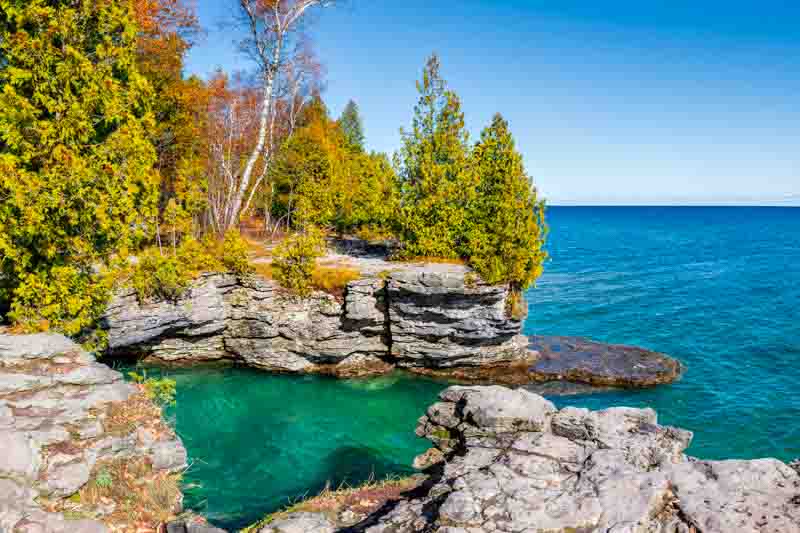
Sea Caves on Devil's Island Lake Superior Wisconsin

Wisconsin Growing Zones Guide: Frost Dates, Maps & What to Plant

Gardening in Wisconsin might mean a compact Milwaukee city lot, a sunny Madison backyard, a Green Bay or Appleton suburb, a La Crosse or Eau Claire garden along the Mississippi, an orchard in Door County, or a short-season Northwoods plot near Wausau, Rhinelander, Hayward, or Superior. Wisconsin planting zones range from cold Northwoods forests to comparatively mild Lake Michigan shorelines and Driftless bluff country – each with its own gardening character and climate quirks.

This guide will help you understand your Wisconsin growing zone using the updated 2023 USDA Plant Hardiness Zone Map, plan around frost dates, and choose the best plants for your corner of the Badger State.

What Planting Zone Is Wisconsin In?

On the 2023 USDA Plant Hardiness Zone Map, Wisconsin runs from approximately zone 3b to zone 6a, based on 30-year averages of the coldest winter temperatures (1991–2020). The coldest zones appear in the far north and interior Northwoods, while the mildest zones trace the Lake Michigan shoreline in the southeast, Door County, and some southern river valleys. Most home gardens fall between zones 4a and 5b, with scattered 3b pockets in the far north and 6a pockets near Milwaukee and other urban heat islands.

  • Milwaukee, Racine, Kenosha & Southeast Shore: Much of this corridor is zones 5b–6a, warmed by Lake Michigan and dense development.
  • Madison, Janesville, Beloit & Southern Tier: South-central Wisconsin is mainly zones 5a–5b. The state’s only zone 6a areas are a narrow Lake Michigan shoreline strip from Racine to Sheboygan and Washington Island off Door County..
  • Central Wisconsin & Wisconsin River Valley: Wisconsin Dells, Portage, Stevens Point, and Wisconsin Rapids sit mostly in zones 4b–5a, with cold winters and reliable, moderate-length growing seasons.
  • Western Wisconsin & Driftless Region: La Crosse, Eau Claire, and Prairie du Chien fall in zones 4b–5a, with sheltered coulees and river valleys often a half-zone warmer than open uplands.
  • Northwoods & Lake Superior Shore: Wausau, Rhinelander, Hayward, Ashland, and Superior span zones 3b–4b, with long, cold winters, late spring frosts, and short but productive summers.
  • Door County Peninsula: The moderating influence of Green Bay and Lake Michigan creates pockets of zones 5a–6a well suited to cherries, grapes, and specialty crops.

*Zones summarized from the 2023 USDA hardiness map and Wisconsin climate analyses using 1991–2020 climate data.

USDA Hardiness Zone Maps for Wisconsin

The updated 2023 USDA Plant Hardiness Zone Map uses modern 30-year climate normals (1991–2020) and improved terrain data, refining zone boundaries around Wisconsin’s lakeshores, river valleys, forested uplands, and urban regions. Lake Michigan and Lake Superior especially shape winter lows: moderating some shorelines while allowing bitter cold just a short distance inland. Compared with the older 2012 map, the 2023 map shows many Wisconsin locations warming by roughly a half-zone, especially in the south and along major water bodies.
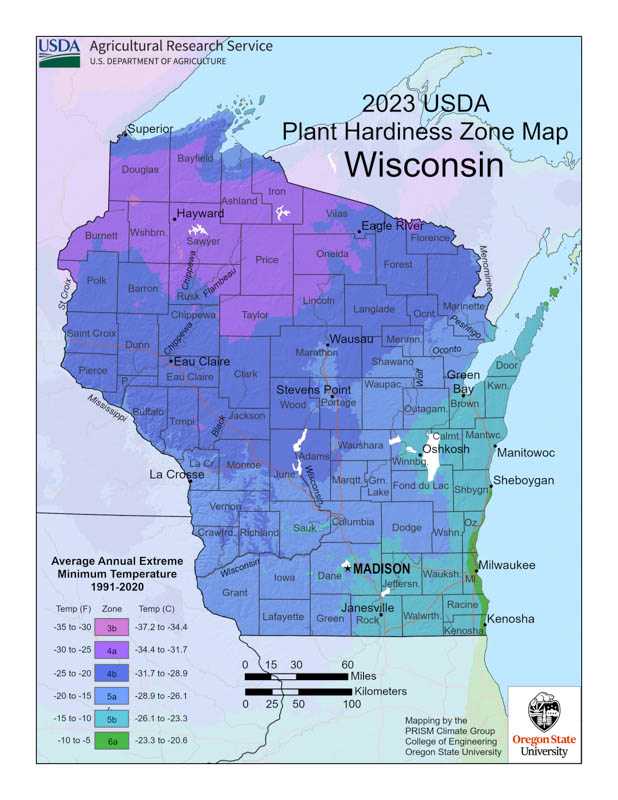
Wisconsin Planting Zones, Wisconsin Growing Zones, Wisconsin Garden Zones, Wisconsin Hardiness Zone Map

Imagine a Wisconsin planting zone map here with colder purples and blues in the far north and interior Northwoods, and warmer greens and yellows along Lake Michigan, Door County, the southern tier, and parts of the Mississippi River Valley.

Use the map alongside your ZIP code to pinpoint your Wisconsin garden zone. Look up your Wisconsin planting zone by ZIP code using the USDA tool, then return here or visit our Plant Finder for plants suited to your exact zone, soil, and exposure.

*According to the USDA and regional climate data groups using 1991–2020 climate normals.

Wisconsin Growing Zones by Region

Wisconsin’s climate is shaped by latitude, the Great Lakes, the Mississippi River, lake-effect snow, and complex terrain in the Driftless Area and Northwoods. The Great Lakes and big rivers moderate winters, delay spring warmth, and enhance snowfall, while inland uplands experience more extreme cold and frost variability. Gardens only miles apart – or simply lakefront vs. inland – may differ by a half-zone or more.

Milwaukee, Racine, Kenosha & Southeast Shore (Approx. Zones 5b–6a)

This region includes Milwaukee, Racine, Kenosha, Waukesha, and nearby communities hugging Lake Michigan.

  • Relatively mild winters for Wisconsin; warm, humid summers.
  • Excellent for long-season vegetables, roses, ornamental shrubs, and many tender perennials treated as perennials rather than annuals.
  • Heavy, urban or lake-plain soils benefit from organic matter, raised beds, and mulch to improve drainage.
🔎 Find plants by hardiness zone

Madison, Janesville & Southern Tier (Approx. Zones 5a–5b, Local 6a)

This region includes Madison, Sun Prairie, Janesville, Beloit, and surrounding rural communities.

  • Cold, snowy winters and warm, humid summers with good growing-season length.
  • Ideal for vegetables, small grains, orchards, prairie plantings, and shade-loving ornamentals under mature trees.
  • Clay or compacted glacial soils benefit from raised beds, compost, and thick organic mulch.
🔎 Find plants by hardiness zone

Central Wisconsin & Wisconsin River Valley (Approx. Zones 4b–5a)

This region includes Wisconsin Dells, Portage, Stevens Point, Wisconsin Rapids, and nearby communities.

  • Cold winters and warm summers with moderately long seasons.
  • Well suited to vegetables, small grains, hardy fruit trees, and woodland-edge ornamental plantings.
  • Mixed sand, loam, and clay soils benefit from organic matter to improve moisture retention or drainage as needed.
🔎 Find plants by hardiness zone

Western Wisconsin & Driftless Region (Approx. Zones 4b–5a, Local 5b)

Includes La Crosse, Eau Claire, Prairie du Chien, and the coulee country along the Mississippi and its tributaries.

  • Cold, snowy winters with warm, often humid summers and frequent microclimates in valleys and bluffs.
  • Great for hardy fruit trees, cool- and warm-season vegetables, berries, and native prairie flowers.
  • South-facing slopes warm early; low-lying valleys can trap cold air and late frosts.
🔎 Find plants by hardiness zone

Northwoods & Lake Superior (Approx. Zones 3b–4b)

Rhinelander, Hayward, Ashland, Superior, and much of far northern Wisconsin.

  • Long, cold winters and short, cool summers; inland frost pockets can be very cold.
  • Vegetable gardens rely on raised beds, tunnels, black plastic, and early-maturing varieties.
  • Lake Superior shorelines behave slightly warmer than interior forests; open uplands are windy and exposed.
🔎 Find plants by hardiness zone

Wisconsin Frost Dates: When to Plant and When to Protect

Frost in Wisconsin depends heavily on latitude, lake influence, elevation, and local cold-air drainage. A Milwaukee or Kenosha garden enjoys one of the state’s longest seasons, while Northwoods and Lake Superior locations may see frost from early fall into late spring.

Across Wisconsin, last spring frosts typically occur from late April to late May, and first fall frosts generally fall between late September and mid–October. Southern lakeshore areas and sheltered river valleys enjoy the longest seasons; northern and interior upland gardens have the shortest. Most Wisconsin gardeners see roughly 110–150 frost-free days, varying widely with location.

Region / City Average Last Spring Frost Average First Fall Frost Approx. Frost-Free Days
Milwaukee (Southeast Lakeshore) Late April–Early May Mid–Late October ~140–155 days
Madison (South-Central) Early–Mid May Early–Mid October ~130–145 days
Green Bay (Northeast Lakeshore) Early–Mid May Late September–Early October ~125–140 days
La Crosse (Western Mississippi Valley) Early May Late September–Early October ~120–135 days
Wausau / North-Central Mid–Late May Late September ~110–125 days

Dates represent averages from Wisconsin climate data and frost-date tools; always check local forecasts and ZIP-code frost lookups for exact dates in your microclimate.
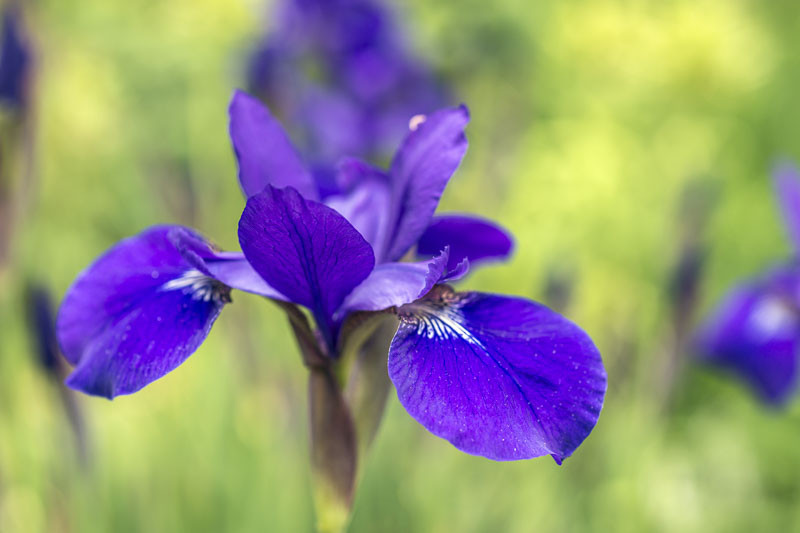
Iris versicolor, Blue Flag, Boston Iris, Liver Lily, North American Blue Flag, Purple Iris, Snake Lily, Wild Iris, Iris for Ponds, Perennial for wet soil, Perennial for poorly drained soils, Purple Flowers

Interactive Wisconsin Planting Calendar (General Guide)

Tap a month to see what to plant in Wisconsin by zone. Adjust for your frost dates, elevation, and whether you garden near a Great Lake, in the Driftless, or in the far north.

🌳 Zones 5b–6a: Milwaukee, Madison & southern tier
🌽 Zones 4a–5a: Central & Driftless
🌲 Zones 3b–4b: Northwoods & Lake Superior

January – Planning, Pruning & Seed Orders
  • Zones 5b–6a: Prune fruit trees and small fruits on mild days; start onions and leeks indoors late month.
  • Zones 4a–5a: Focus on planning, tool care, and soil testing.
  • Zones 3b–4b: Deep winter—plan, order seeds, and set up grow lights.
February – Early Starts & Orchard Care
  • Zones 5b–6a: Start cool-season crops indoors; begin early tomatoes for protected growing.
  • Zones 4a–5a: Begin onions, leeks, hardy greens; prune brambles and grapes.
  • Zones 3b–4b: Start perennials and alliums; check overwintering protection on young trees and shrubs.
March – Cool-Season Kickoff in Milder Areas
  • Zones 5b–6a (southern & lakeshore): Direct-sow peas, spinach, and radishes as soil thaws; plant potatoes; set out brassicas under cover.
  • Zones 4a–5a: Continue indoor seed starting; prep beds as snow melts.
  • Zones 3b–4b: Start warm-season crops indoors; sow hardy greens in protected tunnels late month.
April – Main Cool-Season Planting
  • Zones 5b–6a: Sow beets, chard, hardy annuals; transplant brassicas and lettuce under row covers.
  • Zones 4a–5a: Direct-sow peas, radishes, carrots; plant potatoes and hardy herbs.
  • Zones 3b–4b: Begin bed prep as snow recedes; sow cold-hardy greens under tunnels or in cold frames.
May – Warm-Season Planting in Southern Wisconsin
  • Zones 5b–6a: After last frost, transplant tomatoes, peppers, squash; sow beans and corn.
  • Zones 4a–5a: Finish cool-season plantings; set out tender plants late month once frost risk drops.
  • Zones 3b–4b: Plant peas, potatoes, brassicas, and hardy flowers; wait on tender crops until very late May or early June.
June – Season in Full Swing
  • Zones 5b–6a: Stake tomatoes, mulch heavily, thin tree fruit, and succession-sow beans and salad greens.
  • Zones 4a–5a: Plant remaining warm-season crops after last frost; mulch beds to hold moisture.
  • Zones 3b–4b: Transplant warm-season crops into protected areas; emphasize short-season varieties.
July – Heat, Irrigation & Early Harvests
  • All zones: Water deeply; monitor for disease, pests, and heat stress.
  • Southern & central: Harvest early greens, peas, and new potatoes; start fall crops indoors.
  • Northwoods: Plant quick crops like bush beans, radishes, and greens if time allows before fall frost.
August – Fall Garden Kickoff
  • Zones 5b–6a: Sow carrots, beets, turnips, spinach; transplant fall brassicas for autumn harvest.
  • Zones 4a–5a: Plant fall greens early in the month; provide shade and steady moisture.
  • Zones 3b–4b: Focus on harvest and storage; sow quick crops or cover crops after beds clear.
September – Frost on the Horizon
  • South & lakeshore: Harvest tomatoes, peppers, squash, and melons; be ready with covers for early chill.
  • North & interior: Expect first frosts; pull warm-season crops and prioritize harvest.
  • All zones: Sow cover crops after clearing beds to protect and feed the soil.
October – Garlic, Bulbs & Cleanup
  • Zones 5b–6a: Plant garlic and spring-flowering bulbs; mulch beds and sensitive perennials.
  • Zones 4a–5a: Pull frost-killed crops; apply compost and mulch before ground freezes.
  • Zones 3b–4b: Winterize beds, protect young trees, and secure trellises and tunnels for snow load.
November – Winter Prep & Late Greens
  • Zones 5b–6a: Harvest hardy greens from tunnels and cold frames; sow radishes or mache under protection.
  • Zones 4a–5a: Finish cleanup, mulching, and tool storage.
  • Zones 3b–4b: Wrap trunks, cage shrubs against deer, and secure structures for deep cold and snow.
December – Rest, Reflect & Evergreen Structure
  • All zones: Review notes, sketch new plans, and enjoy evergreens, berries, and winter interest plants.
  • Colder zones: Focus on indoor gardening, forcing bulbs, and browsing seed catalogs.

Wisconsin Gardening Tips by Zone

Wisconsin gardeners face winter cold, summer humidity, lake-effect weather, varied soils, and shifting frost patterns. These tips help you succeed from zones 3b to 6a:

  • Know your microclimate. Lakefront and river-valley gardens run warmer; inland low spots and open fields freeze early.
  • Time planting carefully. Southern Wisconsin enjoys roughly May–October seasons; Northwoods and Lake Superior windows are much shorter.
  • Improve your soil. Heavy clays, sands, and compacted urban soils all benefit from compost, mulch, and raised beds.
  • Water wisely. Rainfall varies by year; most vegetable beds need supplemental irrigation June–August.
  • Watch humidity-related diseases. Use spacing, mulch, crop rotation, and resistant varieties to reduce blight and mildew.
  • Use season extension. Row covers, low tunnels, and cold frames help everywhere, especially in zones 3–4.
  • Choose short-season varieties. Essential for tomatoes, melons, and corn in northern and interior zones.
  • Plan for wildlife. Deer, rabbits, and Japanese beetles are common; consider fencing and plant choices.
  • Lean on natives and prairie plants. They handle Wisconsin’s weather extremes and attract pollinators.

Start Growing in Your Wisconsin Planting Zone

Now that you understand your Wisconsin planting zone, frost dates, and regional climate, you’re ready to choose plants that match your site and build a productive, beautiful garden. Blend edible crops, native plants, flowering perennials, and trees for a landscape that thrives through all four of Wisconsin’s seasons. Curious how Wisconsin compares to other states? Visit our national USDA planting zone guide to explore growing zones across the U.S.
Wisconsin Native Plants

Frequently Asked Questions

What planting zone is Wisconsin in on the 2023 USDA map?

On the 2023 USDA Plant Hardiness Zone Map, Wisconsin spans roughly zones 3b to 6a. The coldest 3b–4a areas are in the far north and interior Northwoods, while the warmest 5b–6a pockets are along Lake Michigan, in Door County, and around urban centers such as Milwaukee and parts of Madison. Most home gardens fall in zones 4a–5b.

What planting zone is Milwaukee, Wisconsin?

Milwaukee falls in about zone 5b–6a on the 2023 USDA map. Neighborhoods closest to Lake Michigan and the urban core tend to be 6a, while some inland suburbs are a bit cooler in 5b. This relatively mild Wisconsin climate supports many long-season vegetables, roses, and ornamental shrubs that struggle in the Northwoods zones 3–4.

When is the average last frost in Wisconsin, and how long is the growing season?

In much of southern and lakeshore Wisconsin, the average last spring frost is from late April to early or mid-May, while the first fall frost usually arrives from late September into mid-October. Central and western areas run slightly cooler, and northern Wisconsin often keeps frost risk through late May with first frosts in late September. Most gardeners can expect around 110–150 frost-free days, with the longest seasons near Lake Michigan and the shortest in the Northwoods.

How did the 2023 USDA map change Wisconsin’s planting zones compared with 2012?

The 2023 USDA map uses newer 1991–2020 climate data and shows many parts of the U.S., including Wisconsin, becoming about a half-zone warmer than the 2012 map. In practice, that means some locations that were formerly, for example, zone 4b are now classified closer to 5a, and pockets of 6a are more evident near Milwaukee and other heat-island areas. Gardeners may now be able to grow slightly less cold-hardy plants, but winter extremes and late frosts can still occur.

What vegetables grow best in Wisconsin’s short-season and northern zones (3b–4b)?

In northern Wisconsin and other short-season areas, the most reliable crops are cool-season and fast-maturing varieties. Peas, lettuce, spinach, radishes, baby carrots, beets, kale, cabbage, broccoli, and other brassicas perform well, especially with row covers. For warm-season crops like tomatoes or squash, choose early, compact varieties and use black mulch, low tunnels, or small high tunnels to add warmth and protect against late and early frosts.

How should I use my Wisconsin hardiness zone when picking plants?

Your USDA zone tells you how cold winters typically get at your site, which is crucial for choosing trees, shrubs, and perennials that will survive the winter. Always pick plants rated hardy to at least your zone (or colder) and then factor in frost dates, soil type, drainage, sun exposure, and microclimates. For annual vegetables and flowers, frost dates and days to maturity matter more than zone, while for long-lived plants, matching their hardiness rating to your Wisconsin zone is essential for long-term success.

Data sources: 2023 USDA Plant Hardiness Zone Map (1991–2020 normals), NOAA frost-date climatology.

Updated: December 2025 • Reviewed by Gardenia Editors

Guide Information

Hardiness 3 - 6
Native Plants United States, Midwest, Wisconsin

Recommended Guides

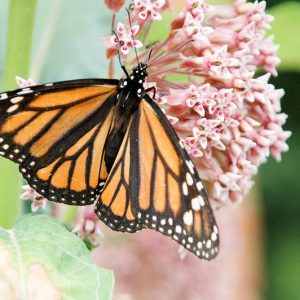
Monarch Nectar Plants for Wisconsin
Great Pollinator Plants for Wisconsin
Native Garden Ideas – Best Native Plants for a Beautiful Yard
The Ultimate Guide to Shade Plants for Lush Garden Design
The Ultimate Guide to Native Plants for a Beautiful Garden
The Ultimate Guide to Wildlife-Friendly Plants for a Beautiful Garden
The Ultimate Guide to Deer-Resistant Plants for a Beautiful Garden
USDA Planting Zones Guide: Growing Zones by State Across the United States
The Ultimate Guide to Drought-Tolerant Plants for a Beautiful Garden
Guides with
Wisconsin
While every effort has been made to describe these plants accurately, please keep in mind that height, bloom time, and color may differ in various climates. The description of these plants has been written based on numerous outside resources.

Guide Information

Hardiness 3 - 6
Native Plants United States, Midwest, Wisconsin
Guides with
Wisconsin

Related Items

Please Login to Proceed

You Have Reached The Free Limit, Please Subscribe to Proceed

Subscribe to Gardenia

To create additional collections, you must be a paid member of Gardenia
  • Add as many plants as you wish
  • Create and save up to 25 garden collections
Become a Member

Plant Added Successfully

You have Reached Your Limit

To add more plants, you must be a paid member of our site Become a Member

Update Your Credit
Card Information

Cancel

Create a New Collection

Sign Up to Our Newsletter

    You have been subscribed successfully

    Join Gardenia.net

    Create a membership account to save your garden designs and to view them on any device.

    Becoming a contributing member of Gardenia is easy and can be done in just a few minutes. If you provide us with your name, email address and the payment of a modest $25 annual membership fee, you will become a full member, enabling you to design and save up to 25 of your garden design ideas.

    Join now and start creating your dream garden!

    Join Gardenia.net

    Create a membership account to save your garden designs and to view them on any device.

    Becoming a contributing member of Gardenia is easy and can be done in just a few minutes. If you provide us with your name, email address and the payment of a modest $25 annual membership fee, you will become a full member, enabling you to design and save up to 25 of your garden design ideas.

    Join now and start creating your dream garden!
    Find your Hardiness Zone

    Find your Heat Zone

    Find your Climate Zone