Not all coneflowers are equally perennial. This guide reveals the best Echinacea varieties that actually come back, from classic purple coneflowers to compact, white, green, and warm-colored picks. Learn which cultivars are reliable, which types need caution, and how to plant coneflowers for long-term success.
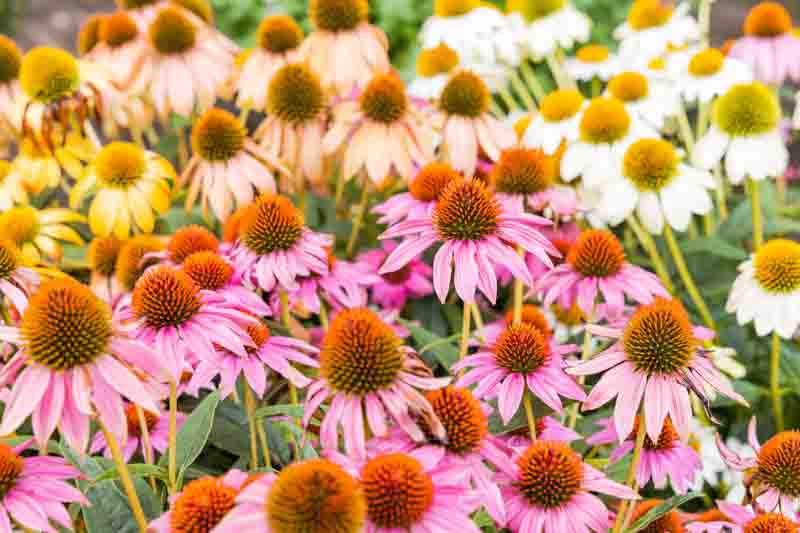


Coneflowers are supposed to be easy, right? Plant them in sun, enjoy months of bold daisylike flowers, watch butterflies arrive, leave the seed heads for birds, and see the clumps return year after year. That is the dream. But many gardeners discover the frustrating truth: not every beautiful Echinacea behaves like a dependable perennial.
Some coneflowers are long-lived, vigorous, pollinator-friendly garden workhorses. Others look spectacular in a nursery pot, bloom heavily the first year, weaken the second, and quietly vanish by the third. The difference often comes down to genetics, trial performance, drainage, winter wet, plant health, and whether the cultivar was selected mainly for novelty or for real garden strength.
This guide focuses on coneflower varieties with a stronger case for coming back: plants supported by respected North American trials, RHS Award of Garden Merit recognition, or a useful garden record in sunny, well-drained perennial borders. The goal is simple: help you choose Echinacea that are not just pretty once, but worth keeping.
Quick answer
For coneflowers that actually come back, prioritize evidence-backed varieties such as ‘Pica Bella’, KISMET Raspberry, ‘Sensation Pink’, ‘Glowing Dream’, ‘Fragrant Angel’, ‘Snow Cone’, ‘Julia’, KISMET Intense Orange, SOMBRERO Hot Coral, ‘Leilani’, ‘Green Jewel’, and ‘Butterfly Kisses’. For best return, plant them in full sun and well-drained soil.
If your main goal is long-term performance, do not choose only by flower color. Start with cultivars that have earned attention in trials or awards, then match them to your garden’s climate, drainage, and design style.
| Coneflower Variety | Color | Best Use | Evidence Basis |
|---|---|---|---|
| ‘Pica Bella’ | Pink-purple | Pollinator gardens, meadow plantings | Mt. Cuba top performer |
| KISMET Raspberry | Raspberry pink | Compact borders, containers, high-color plantings | Mt. Cuba top performer; Chicago excellent performer |
| ‘Sensation Pink’ | Hot pink | Small gardens, front borders, containers | Mt. Cuba top performer; Chicago excellent performer |
| ‘Glowing Dream’ | Coral-pink to magenta-pink | Pollinator borders, saturated color schemes | Mt. Cuba top performer; Chicago excellent performer; RHS AGM |
| ‘Fragrant Angel’ | White | White gardens, moon gardens, pollinator borders | Mt. Cuba top performer |
| ‘Mellow Yellows’ | Soft yellow blend | Naturalistic plantings, mixed borders | Chicago excellent performer |
| ‘Leilani’ | Golden yellow | Sunny borders, prairie-style plantings | RHS AGM |
| ‘Julia’ | Orange | Containers, front borders, hot color schemes | Mt. Cuba top performer |
| ‘Green Jewel’ | Green | Cool color schemes, white gardens, collectors | RHS AGM |
| ‘Butterfly Kisses’ | Pink double | Containers, compact borders, decorative accents | RHS AGM |
Not all recommendations come from the same kind of evidence. That matters. A trial-backed coneflower has performed well under evaluation over several seasons. An RHS Award of Garden Merit plant has been recognized for garden value by the Royal Horticultural Society. A classic garden cultivar may be widely useful, but it should not automatically outrank newer plants with stronger trial results.
Mt. Cuba Center’s Echinacea trial is especially useful for gardeners looking for vigor, floral display, plant health, and ecological value. Its strongest performers include ‘Pica Bella’, ‘Sensation Pink’, KISMET Raspberry, ‘Snow Cone’, ‘Glowing Dream’, ‘Purple Emperor’, ‘Fragrant Angel’, KISMET Intense Orange, SOMBRERO Hot Coral, and ‘Julia’.
Chicago Botanic Garden’s Echinacea evaluation adds another valuable lens, especially for gardeners in colder continental climates. Its excellent-rated coneflowers include ‘Cheyenne Spirit’, ‘Glowing Dream’, KISMET Raspberry, KISMET White, ‘Mellow Yellows’, ‘Sensation Pink’, SOMBRERO Blanco, SOMBRERO Flamenco Orange, and SOMBRERO Tres Amigos.
RHS Award of Garden Merit recognition is not the same as a North American multi-year trial, but it is still a valuable mark of garden merit. For this article, RHS AGM selections worth including are ‘Glowing Dream’, ‘Leilani’, ‘Green Jewel’, and ‘Butterfly Kisses’.
Reliability rule
The most trustworthy shortlist combines trial data, award recognition, and good siting. Even the best coneflower can fail if planted too deeply, kept too wet, or crowded in shade.
The most reliable coneflowers are usually not just the newest novelty plants on the bench. They are the cultivars with strong crowns, good branching, healthy foliage, sturdy stems, and proven performance beyond a single sales season. Many dependable choices belong to, or are strongly influenced by, Echinacea purpurea, the classic purple coneflower.
That said, modern hybrids should not be dismissed. Some newer cultivars have been carefully selected for vigor and have performed extremely well in trials. The best modern Echinacea combine saturated flower color with strong branching, healthy foliage, and enough crown strength to return after winter.
The biggest reason coneflowers fail is not usually cold alone. It is wet soil around the crown, especially in winter. Heavy clay, poor drainage, excessive mulch packed against the base, deep planting, and low spots where water sits can all shorten the life of Echinacea.
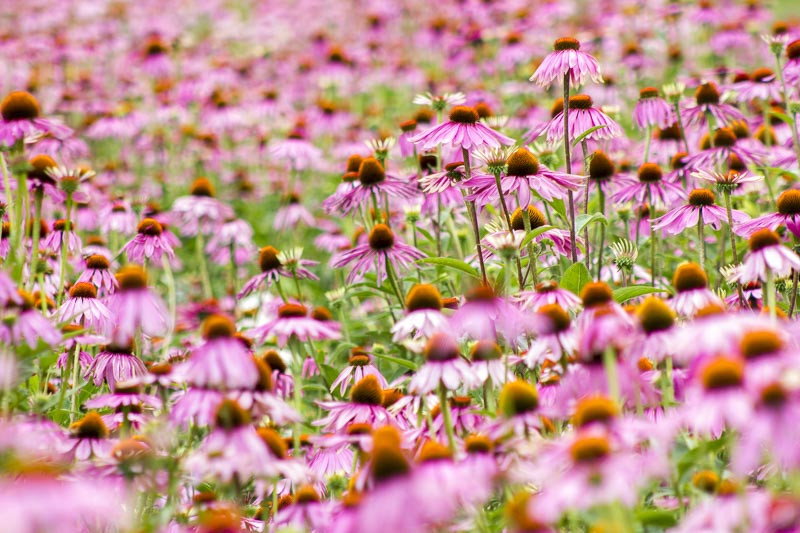
‘Pica Bella’ should be near the top of any serious list of coneflowers that come back. It has narrow, graceful pink-purple petals, a natural habit, excellent pollinator appeal, and outstanding trial performance. It is less flashy than some oversized modern hybrids, but that is part of its strength. It looks at home in pollinator borders, meadow-style gardens, and long-lived perennial plantings.
KISMET Raspberry is one of the strongest modern pink coneflowers to include. It offers rich raspberry-pink flowers, compact growth, a sturdy habit, and a long bloom season. It is especially useful when you want bold color without relying on a fragile novelty plant.
‘Sensation Pink’ brings intense pink flowers on compact plants with dark stems. It is a high-impact choice for front borders, small gardens, containers, and bold color schemes. Its inclusion is especially strong because it is supported by both Mt. Cuba and Chicago Botanic Garden evaluations.
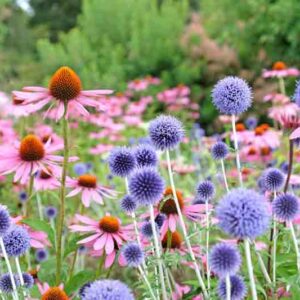
‘Glowing Dream’ is an excellent pink-coral cultivar for gardeners who want saturated color and a modern look. Its glowing flower color makes it valuable with blue salvia, purple verbena, catmint, ornamental grasses, and silver foliage. It is one of the best-supported choices because it appears in Mt. Cuba, Chicago, and RHS AGM references.
‘Cheyenne Spirit’ is a seed-grown mix rather than a single uniform clone, but it deserves a place because of its Chicago Botanic Garden performance. It offers a range of colors, including cream, yellow, orange, red, pink, purple, and scarlet. Use it in meadow-style gardens and informal pollinator plantings where variation is a feature, not a flaw.
‘Magnus’ remains a classic purple coneflower and is still worth growing. Its broad pink-purple petals are held more horizontally than many older seedling types, giving it a clean, garden-friendly flower shape. However, it is best described as a classic, pollinator-friendly cultivar rather than the strongest current evidence-backed returner.
Best bet for pollinators
For bees, butterflies, and birds, prioritize single-flowered coneflowers with accessible cones. Leave some seed heads standing in fall and winter for goldfinches and other seed-eating birds.

Compact coneflowers are tempting because they fit small gardens, path edges, containers, and the front of sunny borders. The danger is that some dwarf types are bred more for shelf appeal than for long-term garden strength. Choose compact varieties with proven vigor, strong branching, and sturdy stems.
KISMET Raspberry is one of the best compact choices because it combines rich color with a strong, upright habit. It works beautifully in containers, small perennial borders, pollinator gardens, and hot-color plantings.
‘Sensation Pink’ is another excellent compact option, with vivid magenta-pink flowers and a tidy habit. Use it where you want a bold, modern coneflower that does not overwhelm smaller spaces.
KISMET White deserves inclusion as a compact white coneflower because it performed very well in Chicago Botanic Garden’s evaluation. It is a good option where you want a neat white Echinacea for small borders, containers, and bright summer combinations.
‘PowWow Wild Berry’ is still worth including as a practical compact coneflower. It is seed-grown, bright, floriferous, and useful for gardeners who want a smaller Echinacea with cheerful magenta-pink color. It may not outrank the strongest Mt. Cuba performers, but it remains a good category-specific choice.
Sombrero series coneflowers can be good compact choices, especially the better-performing selections. SOMBRERO Blanco, SOMBRERO Flamenco Orange, and SOMBRERO Tres Amigos are supported by Chicago Botanic Garden’s evaluation. SOMBRERO Hot Coral is supported by Mt. Cuba’s trial. Other single-flowered Sombrero selections, including red, orange, coral, or yellow, can be worthwhile where drainage is good.
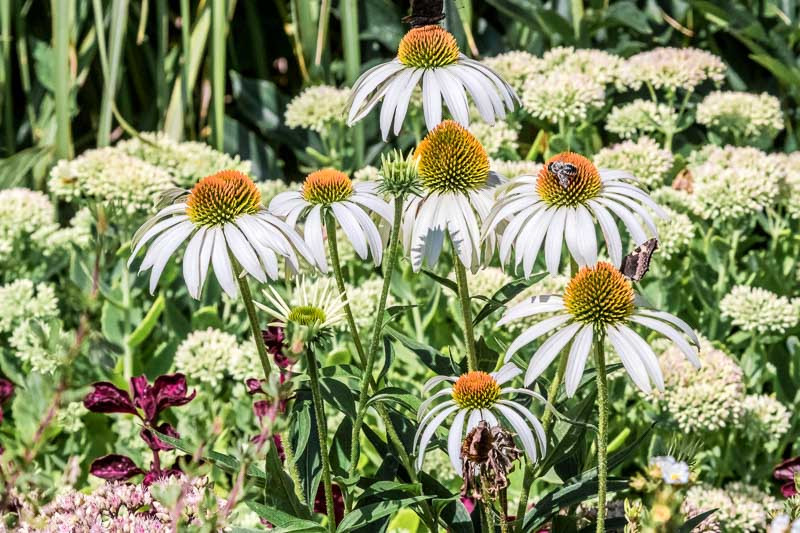
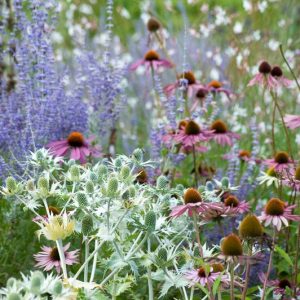
White and green coneflowers are invaluable because they cool down hot color schemes and glow in evening light. They also pair beautifully with lavender, blue salvia, purple verbena, switchgrass, blue fescue, silver foliage plants, and dark-leaved perennials.
‘Snow Cone’ is a trial-backed white cultivar that deserves a stronger place in a reliability-focused article than many older white recommendations. It is a good choice when the goal is performance rather than nostalgia.
‘Fragrant Angel’ is another strong white coneflower supported by trial performance. Its clean white petals, fragrance, and classic shape make it useful in moon gardens, white borders, pollinator plantings, and cottage-style beds.
KISMET White and SOMBRERO Blanco are also worth considering because Chicago Botanic Garden rated them among its excellent-performing Echinacea. Both are especially useful for gardeners who want white coneflowers with modern habits and strong garden presentation.
‘White Swan’ remains a familiar and widely grown white coneflower, but it should be presented as a classic rather than the strongest evidence-backed choice. Grow it where you want a simple, graceful white Echinacea, but choose trial-backed whites if long-term return is the highest priority.
‘PowWow White’ is a useful compact white option for small spaces, containers, and front-of-border planting. Like ‘PowWow Wild Berry’, it earns a place as a practical category-specific coneflower rather than the single strongest performer overall.
‘Green Jewel’ deserves inclusion because it is one of the most distinctive green coneflowers and has RHS Award of Garden Merit recognition. Its pale green petals and green cone create a cool, luminous effect that works beautifully with white flowers, dark foliage, blue grasses, and naturalistic plantings. Give it full sun, good air circulation, and well-drained soil.
Design tip
White and green coneflowers are most effective when repeated. Plant them in groups of three, five, or seven so they read as a calm, intentional design element rather than a one-off novelty.
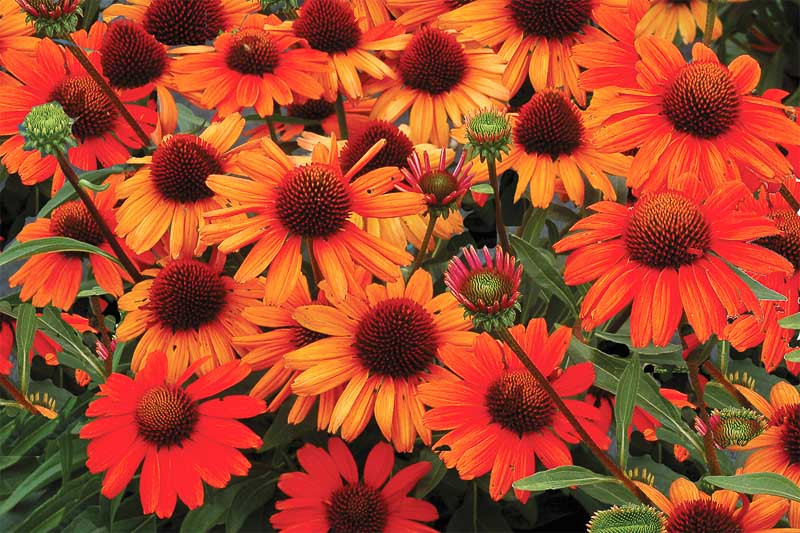
Warm-colored coneflowers are where selection matters most. Many yellow, orange, coral, and red Echinacea are gorgeous, but some are less persistent than classic purple types. The best warm-colored varieties are those with trial performance, award recognition, strong stems, and good crown vigor.
‘Leilani’ is a standout yellow coneflower and deserves inclusion because of its RHS AGM recognition. It produces golden-yellow daisies with greenish-bronze cones on tall, upright plants. Use it in sunny borders, prairie-style plantings, and warm color schemes with grasses, agastache, yarrow, and rudbeckia.
‘Mellow Yellows’ is a good seed-grown yellow blend for gardeners who want a softer, more natural yellow range rather than a single cloned look. Expect variation from pale yellow to deeper gold and creamy tones. It is especially useful in meadow-style plantings and informal pollinator borders, and it is supported by Chicago Botanic Garden’s excellent rating.
‘Julia’ is a trial-backed orange coneflower with tangerine-orange flowers and a compact habit. It is an excellent choice for small gardens, containers, and hot-color plantings where you want energy without sacrificing performance.
KISMET Intense Orange is another strong modern warm-colored choice, especially where compact habit, vivid color, and garden strength are priorities. It belongs in the reliable warm-color group because it performed well in Mt. Cuba’s trial evaluation.
SOMBRERO Hot Coral is one of the stronger Sombrero selections for gardeners who want coral color in a compact package. It is a better recommendation than treating the entire Sombrero series as equal. Chicago-backed Sombrero options include SOMBRERO Blanco, SOMBRERO Flamenco Orange, and SOMBRERO Tres Amigos.
‘Tomato Soup’ and ‘Hot Papaya’ are loved for dramatic red and orange flowers. They can be stunning, but they should be presented as bold accent plants rather than the most evidence-backed long-term performers. Plant them in raised beds, gravelly soil, or sandy loam if longevity is the goal.

Double coneflowers are often treated with suspicion in reliability-focused articles, and sometimes for good reason. Many heavily doubled types are less useful to pollinators and may not be as persistent as strong single-flowered cultivars. But it would be too simplistic to say all doubles should be avoided.
‘Butterfly Kisses’ is the important exception to include. It has RHS Award of Garden Merit recognition and a compact, sturdy habit. Its fragrant pink double flowers make it especially good for containers, small gardens, and front-of-border accents.
The key is placement. Use double coneflowers as decorative features, not as the entire backbone of a pollinator planting. If wildlife value and long-term persistence are the top priorities, build the planting around single-flowered varieties such as ‘Pica Bella’, KISMET Raspberry, ‘Sensation Pink’, ‘Glowing Dream’, ‘Leilani’, ‘Julia’, ‘Fragrant Angel’, and strong Echinacea purpurea types. Then add a few doubles where their flower form can be enjoyed up close.
Shopping tip
Avoid buying coneflowers only because they are blooming beautifully in a small pot. Check the crown, root system, stem strength, and cultivar reputation. A sturdy young plant in spring is often a better investment than a stressed late-season plant in full flower.
Many coneflower failures are not mysterious. The plant was simply put in the wrong place, planted too late, watered too often, or expected to behave like a different kind of perennial. If your Echinacea keep vanishing, check these problems first.
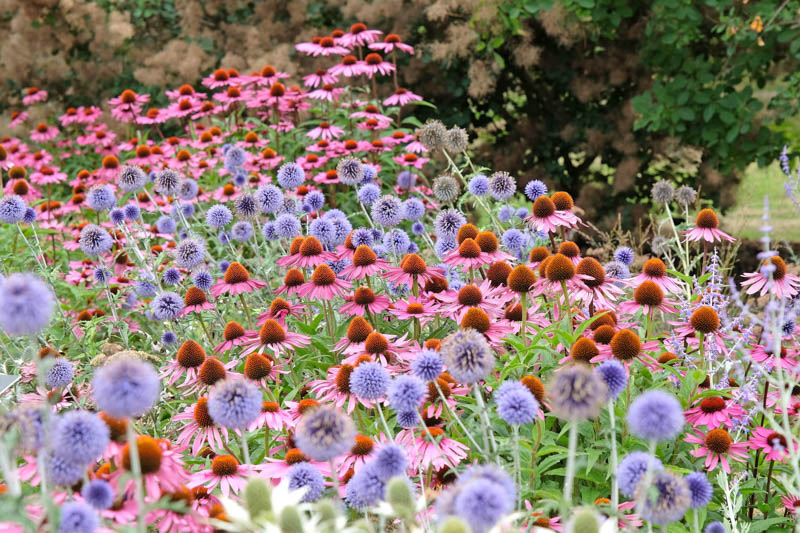
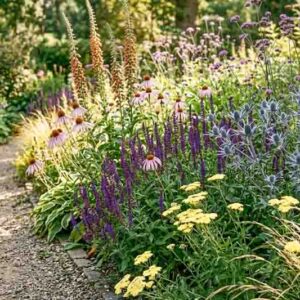
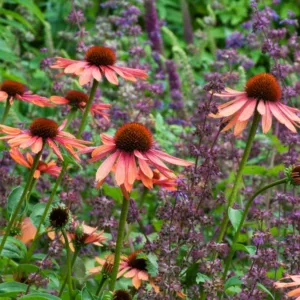
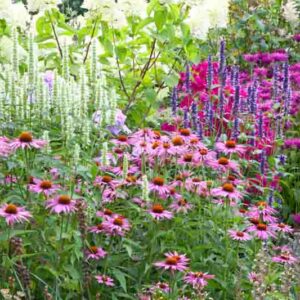
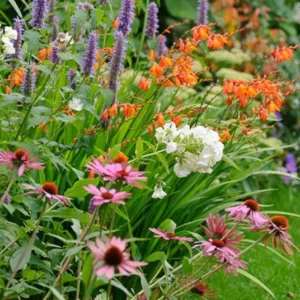
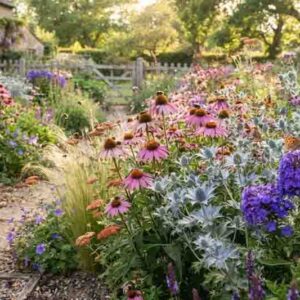
The best coneflower companions thrive in the same conditions: sun, drainage, moderate fertility, and seasonal dryness once established. Good partners include black-eyed Susan, bee balm, salvia, catmint, yarrow, agastache, lavender, coreopsis, little bluestem, switchgrass, and prairie dropseed.
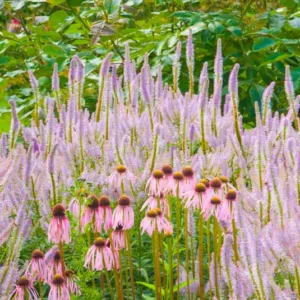
For a pollinator border, combine purple coneflowers with bee balm, anise hyssop, mountain mint, and goldenrod. For a low-water border, pair them with catmint, yarrow, lavender, and ornamental grasses. For a cottage garden, use coneflowers with phlox, Shasta daisies, roses, and salvias.
Leave some seed heads standing in fall and winter. They add structure, feed birds, and help the garden feel alive after the flowers fade. Cut back the stems in late winter or early spring before new growth begins.
Browse Garden Design Ideas with Echinacea
The best coneflower varieties that actually come back are not always the newest, brightest, or strangest. They are the plants with real evidence behind them: strong trial performance, RHS AGM recognition, sturdy growth, healthy foliage, and the ability to handle real garden conditions.
For the strongest foundation, start with trial-backed and award-winning cultivars such as ‘Pica Bella’, KISMET Raspberry, ‘Sensation Pink’, ‘Glowing Dream’, ‘Fragrant Angel’, ‘Snow Cone’, ‘Leilani’, ‘Green Jewel’, ‘Butterfly Kisses’, ‘Julia’, KISMET Intense Orange, SOMBRERO Hot Coral, ‘Mellow Yellows’, and strong Chicago-backed Sombrero selections. Use classics such as ‘Magnus’, ‘White Swan’, and PowWow types where they fit, but do not assume every familiar cultivar is automatically the most reliable choice.
Most importantly, plant coneflowers like prairie perennials, not thirsty bedding plants. Give them sun, air, drainage, and time. Do that, and your Echinacea are far more likely to return, bloom, and become the hardworking pollinator magnets they are meant to be.
Some of the best-supported coneflowers for long-term garden performance include ‘Pica Bella’, KISMET Raspberry, ‘Sensation Pink’, ‘Glowing Dream’, ‘Fragrant Angel’, ‘Snow Cone’, ‘Julia’, KISMET Intense Orange, SOMBRERO Hot Coral, ‘Mellow Yellows’, ‘Leilani’, ‘Green Jewel’, and ‘Butterfly Kisses’. They still need full sun, good drainage, and healthy crowns to return well.
Mt. Cuba Center’s top-performing Echinacea include ‘Pica Bella’, ‘Sensation Pink’, KISMET Raspberry, ‘Snow Cone’, ‘Glowing Dream’, ‘Purple Emperor’, ‘Fragrant Angel’, KISMET Intense Orange, SOMBRERO Hot Coral, and ‘Julia’. These are especially useful choices for gardeners who want trial-backed coneflowers.
Chicago Botanic Garden’s excellent-rated coneflowers include ‘Cheyenne Spirit’, ‘Glowing Dream’, KISMET Raspberry, KISMET White, ‘Mellow Yellows’, ‘Sensation Pink’, SOMBRERO Blanco, SOMBRERO Flamenco Orange, and SOMBRERO Tres Amigos.
RHS AGM coneflowers include ‘Glowing Dream’, ‘Leilani’, ‘Green Jewel’, and ‘Butterfly Kisses’. AGM recognition is not the same as a North American multi-year trial, but it is a useful mark of garden merit.
Coneflowers often fail because of wet winter soil, poor drainage, deep planting, weak nursery plants, overcrowding, heavy mulch over the crown, or late-season planting before roots establish. Some novelty cultivars may also be naturally shorter-lived in difficult conditions.
Some double coneflowers are worth growing, especially award-winning selections such as ‘Butterfly Kisses’. However, single-flowered coneflowers are usually better as the backbone of pollinator plantings because their cones are easier for insects to access.
Yes. ‘Green Jewel’ is one of the most distinctive green coneflowers and has RHS Award of Garden Merit recognition. It is best used in sunny, well-drained borders where its cool green flowers can be paired with white blooms, dark foliage, grasses, or blue and purple perennials.
‘Leilani’ is a strong yellow coneflower choice with RHS Award of Garden Merit recognition. It produces golden-yellow flowers on upright plants and is useful in sunny borders, prairie-style plantings, and warm color schemes.
Coneflowers bloom best and return most reliably in full sun. They can tolerate light shade, especially in hot climates, but too much shade can reduce flowering, weaken stems, and make plants less vigorous.
Single-flowered coneflowers are usually best for pollinators because their cones are easier to access. Good choices include ‘Pica Bella’, KISMET Raspberry, ‘Sensation Pink’, ‘Glowing Dream’, ‘Leilani’, ‘Julia’, ‘Fragrant Angel’, ‘Magnus’, and straight Echinacea purpurea.
Updated: June 2026 • Reviewed by Gardenia Editors
| Hardiness |
3 - 9 |
|---|---|
| Heat Zones |
1 - 9 |
| Climate Zones | 1, 1A, 1B, 2, 2A, 2B, 3, 3A, 3B, 4, 5, 6, 7, 8, 9, 10, 11, 12, 13, 14, 15, 16, 17, 18, 19, 20, 21, 22, 23, 24, A2, A3 |
| Plant Type | Perennials |
| Plant Family | Asteraceae |
| Genus | Echinacea |
| Exposure | Full Sun |
| Season of Interest | Spring (Late), Summer (Early, Mid, Late), Fall |
| Maintenance | Low |
| Water Needs | Low, Average |
| Soil Type | Clay, Loam, Sand |
| Soil pH | Acid, Alkaline, Neutral |
| Soil Drainage | Well-Drained |
| Characteristics | Dried Arrangements, Cut Flowers, Showy |
| Tolerances | Drought, Dry Soil, Clay Soil, Deer, Rocky Soil |
| Attracts | Bees, Birds, Butterflies, Hummingbirds |
| Landscaping Ideas | Beds And Borders, Patio And Containers |
| Garden Styles | City and Courtyard, Informal and Cottage, Prairie and Meadow |
| Hardiness |
3 - 9 |
|---|---|
| Heat Zones |
1 - 9 |
| Climate Zones | 1, 1A, 1B, 2, 2A, 2B, 3, 3A, 3B, 4, 5, 6, 7, 8, 9, 10, 11, 12, 13, 14, 15, 16, 17, 18, 19, 20, 21, 22, 23, 24, A2, A3 |
| Plant Type | Perennials |
| Plant Family | Asteraceae |
| Genus | Echinacea |
| Exposure | Full Sun |
| Season of Interest | Spring (Late), Summer (Early, Mid, Late), Fall |
| Maintenance | Low |
| Water Needs | Low, Average |
| Soil Type | Clay, Loam, Sand |
| Soil pH | Acid, Alkaline, Neutral |
| Soil Drainage | Well-Drained |
| Characteristics | Dried Arrangements, Cut Flowers, Showy |
| Tolerances | Drought, Dry Soil, Clay Soil, Deer, Rocky Soil |
| Attracts | Bees, Birds, Butterflies, Hummingbirds |
| Landscaping Ideas | Beds And Borders, Patio And Containers |
| Garden Styles | City and Courtyard, Informal and Cottage, Prairie and Meadow |
Create a membership account to save your garden designs and to view them on any device.
Becoming a contributing member of Gardenia is easy and can be done in just a few minutes. If you provide us with your name, email address and the payment of a modest $25 annual membership fee, you will become a full member, enabling you to design and save up to 25 of your garden design ideas.
Join now and start creating your dream garden!
Create a membership account to save your garden designs and to view them on any device.
Becoming a contributing member of Gardenia is easy and can be done in just a few minutes. If you provide us with your name, email address and the payment of a modest $25 annual membership fee, you will become a full member, enabling you to design and save up to 25 of your garden design ideas.
Join now and start creating your dream garden!