Blue Fescue, Blue Mountain Grass, Grey Fescue, Common Blue Fescue, Festuca ovina var. glauca, Festuca ovina 'Glauca', Festuca cinerea
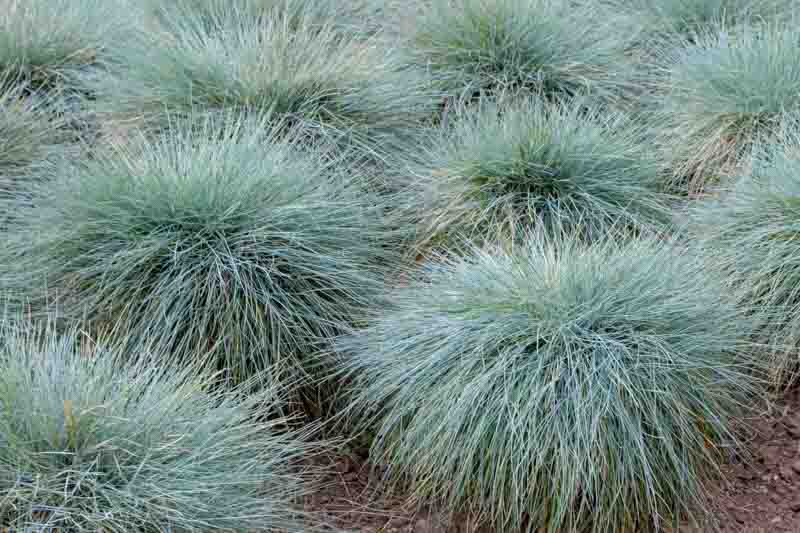
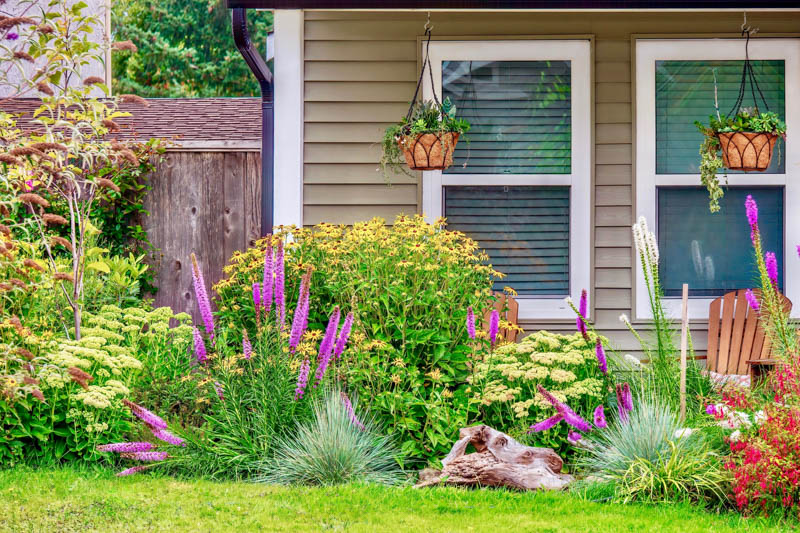
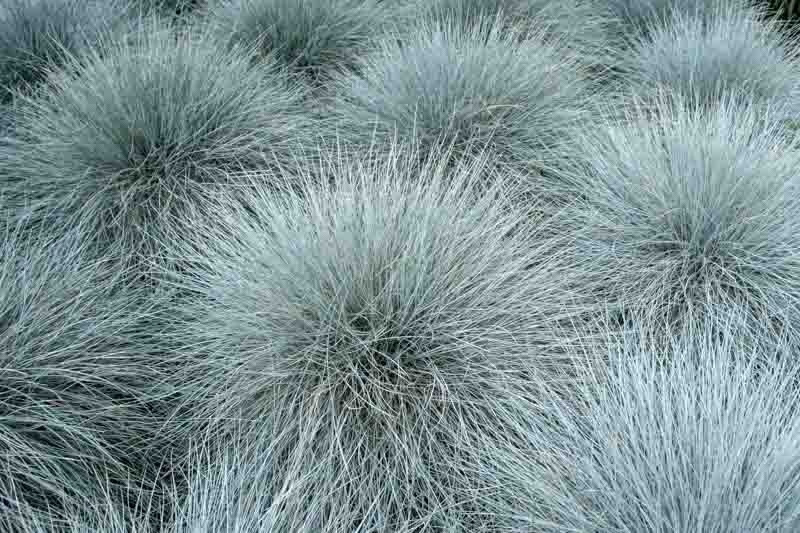
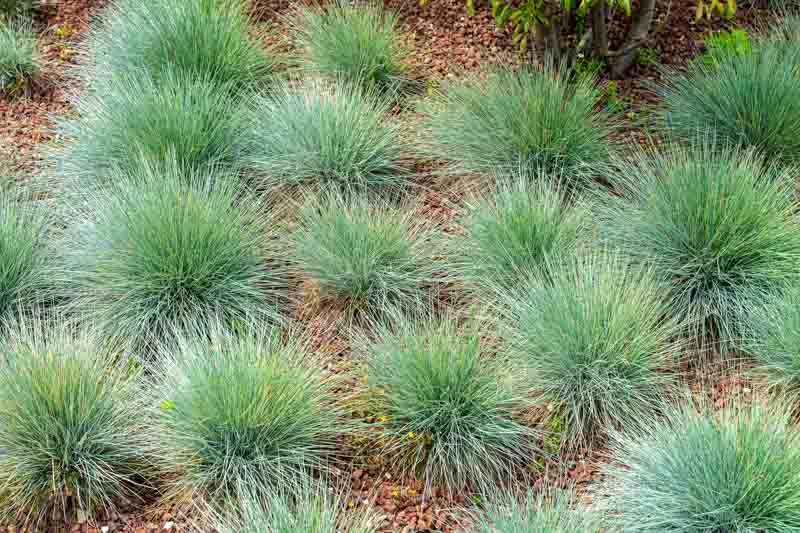


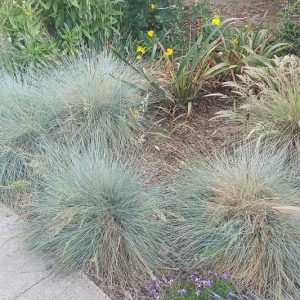
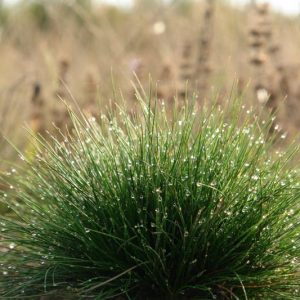
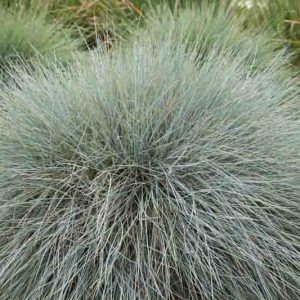
Festuca glauca, commonly known as Blue Fescue, is a compact ornamental grass prized for its cool silver-blue foliage, neat clumping habit, and strong performance in sunny, well-drained gardens. Small but visually powerful, this fine-textured grass adds color, rhythm, and structure to borders, rock gardens, gravel gardens, Mediterranean-style plantings, city gardens, slopes, and containers.
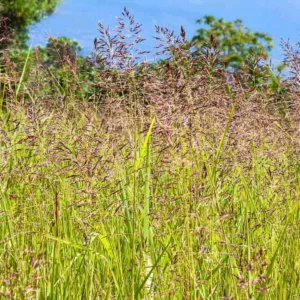
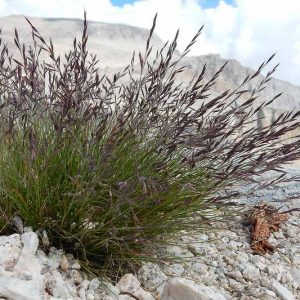
Its narrow, needle-like leaves form rounded tufts that look crisp without constant grooming. In late spring to summer, slender flower stems rise above the foliage, carrying airy blue-green blooms that mature to straw-tan seed heads. The flowers are subtle, but they add movement and a soft natural look to the plant’s otherwise tidy mound.
Blue Fescue is especially useful where gardeners want drought tolerance, year-round texture, and a strong blue-gray accent in a small footprint. Once established, it is reliably drought-tolerant, generally low maintenance, and often considered deer-resistant. The winning formula is simple: full sun, lean soil, excellent drainage, and light maintenance.
Summary: Compact, clump-forming ornamental grass with fine silver-blue to blue-gray foliage and slender summer plumes that mature to tan.
Use: Excellent for borders, edging, rock gardens, gravel gardens, Mediterranean gardens, cottage gardens, city gardens, mass plantings, slopes, and containers.
Highlight: Strong cool color and fine texture in a small, tidy mound.
Note: Best in full sun and sharply drained soil. Avoid heavy feeding, soggy crowns, and winter-wet conditions.
| Botanical Name | Festuca glauca |
|---|---|
| Family | Poaceae – grass family |
| Common Names | Blue Fescue, Gray Fescue, Blue Mountain Grass |
| Native Range | Central and Southern Europe |
| Plant Type and Habit | Compact, clump-forming ornamental grass; semi-evergreen and sometimes evergreen in mild climates |
| Hardiness | Typically USDA Zones 4-8, depending on cultivar and local conditions |
| Height | Usually 6-12 in. tall, with flower stems sometimes reaching 12-18 in. |
| Spread | Usually 8-12 in. wide |
| Spacing | 10-15 in. apart for edging, mass planting, or distinct mounds |
| Sun Exposure | Full sun for best blue color; light shade tolerated in hotter climates |
| Soil | Poor to moderately fertile, sandy, gravelly, or rocky soil with excellent drainage |
| Water Needs | Low to moderate; drought-tolerant once established |
| Bloom Time | Late spring to summer |
| Flower Color | Blue-green, aging to buff or tan |
| Foliage Color | Silver-blue, blue-gray, or steel-blue, depending on cultivar and conditions |
| Cultivar Variation | Named cultivars may vary in blue intensity, mature size, heat tolerance, and longevity. |
| Best Climate Performance | Best in cool to moderate climates; may decline faster in hot, humid regions |
| Deer Resistance | Often considered deer-resistant |
| Invasive Status | Not considered invasive in typical garden use |
Festuca glauca delivers compact blue foliage, fine texture, summer plumes, drought tolerance, and clean structure for sunny gardens where drainage is excellent.
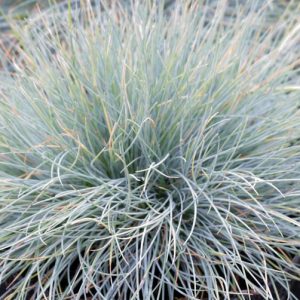
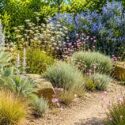
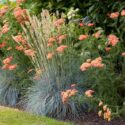
Festuca glauca is a small ornamental grass that forms rounded tufts of narrow, stiff, blue-gray to silver-blue leaves. The foliage is the main attraction. It looks cool, clean, and architectural, especially when planted beside stone, gravel, dark mulch, warm-colored flowers, or broad-leaved perennials.
Unlike taller ornamental grasses that dominate a border, Blue Fescue works at the front of the planting. It creates punctuation, rhythm, and contrast. A single plant can brighten a container. A row can sharpen a walkway. A mass planting can turn a dry slope or gravel bed into a shimmering carpet of cool color.
The species is native to parts of Central and Southern Europe, where it grows in open, sunny, well-drained habitats. That heritage explains its garden preferences: bright light, lean soil, good airflow, and protection from prolonged wet conditions.
Blue Fescue has appeared in horticulture under closely related names, including Festuca ovina var. glauca in some references. Gardeners most often encounter it as Festuca glauca, especially when shopping for ornamental blue fescues and their named cultivars.
Blue Fescue is a cool-season, clump-forming grass. It grows most actively in spring and fall, often slowing during hot summer weather. Most garden forms stay compact, usually around 6-12 inches tall and 8-12 inches wide, although flower stems may rise above the foliage.
It does not spread aggressively by runners. Instead, it gradually forms a dense mound. Older clumps may thin in the center after a few years, especially in hot, humid, or wet climates. This is normal and easily managed by division.
Festuca glauca is often a short-lived perennial in garden conditions. Many clumps remain attractive for two to four years before the center becomes crowded, woody, or thin. In ideal cool, dry climates, plants may last longer. In humid or poorly drained sites, they often need refreshing sooner.
Blue Fescue performs best in cool to moderate climates and often looks freshest in spring and fall. In hot, humid regions, it may brown, thin, or decline faster. Good airflow, gravel mulch, careful watering, and regular division help extend its usefulness in challenging climates.
In late spring or summer, Blue Fescue sends up slender flower stems. The flowers are not showy in the way roses or daisies are showy, but they add a fine, airy quality. They often emerge blue-green, then mature to buff or tan. Some gardeners leave them for movement and seed-head texture; others remove them to keep the plant focused on its foliage.
The foliage is the reason gardeners grow Festuca glauca. Its blue color varies by cultivar, climate, light, and soil. Full sun and lean conditions usually intensify the color. In mild regions, plants may remain evergreen. In colder climates, foliage can brown in winter and refresh after spring cleanup.
Festuca glauca is commonly grown in USDA Zones 4-8. It is generally hardy, but winter wetness can be more damaging than winter cold. In the warmest parts of its range, especially where summers are humid, treat it as a plant that may need periodic renewal.
Blue Fescue is primarily ornamental, but it still contributes useful structure. Dense clumps provide small-scale cover near the soil surface, and seed heads may offer minor interest to small birds. It is not primarily a nectar or pollen plant, so pair it with flowering perennials if pollinator support is a design goal.
Festuca glauca is often considered deer-resistant. Its fine, wiry foliage is usually less appealing than soft, lush plants. However, deer resistance is never a guarantee, especially when animals are hungry or local pressure is high.
Once established, Blue Fescue is a reliable low-water plant. It prefers dry to medium moisture and does not like sitting in wet soil. Water young plants regularly until they root into the surrounding soil, then shift to deeper, less frequent watering. Mature plants usually need supplemental water only during extended drought or severe heat.
Blue Fescue is generally considered low risk as an ornamental grass. Even so, pets should not be encouraged to chew ornamental plants. If you have a persistent nibbler, use containers or place plants where pets are less likely to graze.
Festuca glauca is not considered invasive in typical garden settings. It may self-seed lightly in favorable conditions, but seedlings are usually easy to identify and remove. Cultivars grown from seed may not come true, so division is preferred when you want to preserve a selected form.
Full sun gives Blue Fescue its strongest color and densest growth. In regions with very hot summers, a little afternoon shade may reduce stress, but too much shade usually causes greener foliage and a looser mound.
Drainage is the most important requirement. Blue Fescue prefers poor to moderately fertile soil that drains quickly. Sandy, gravelly, rocky, or lightly amended soils are ideal. Heavy clay can work only if improved with grit, planted high, or used in raised beds where water drains away from the crown.
Water consistently during establishment. After roots are established, reduce irrigation. Mature plants prefer drying slightly between waterings. Overwatering encourages weak growth, crown problems, and root rot.
Keep fertilizer minimal. Blue Fescue does not need rich feeding, and too much nitrogen can reduce the blue color and make the plant floppy. A light spring compost top-dressing is enough in most gardens.
Use mulch sparingly and keep it away from the crown. Gravel mulch is often an excellent match because it suppresses weeds, reflects light, and does not hold wet organic material against the plant base.
In late winter or early spring, comb through the clump with gloved hands to remove dead blades, or shear the plant back to about 3-4 inches before new growth begins. Remove flower stems after bloom if you prefer a cleaner, foliage-only mound.
Older clumps may die out in the center after two to four years, especially in humid climates. This is the signal to divide. Lift the clump in spring, discard the tired center, and replant the vigorous outer sections.
Division is the easiest and most reliable propagation method. Divide in spring when new growth begins. Seed is possible, but seedlings can vary in color, size, and form, especially when grown from named cultivars.
Blue Fescue is generally pest-resistant. Stressed plants may decline, but serious insect problems are uncommon when plants receive good light, fast drainage, and adequate airflow.
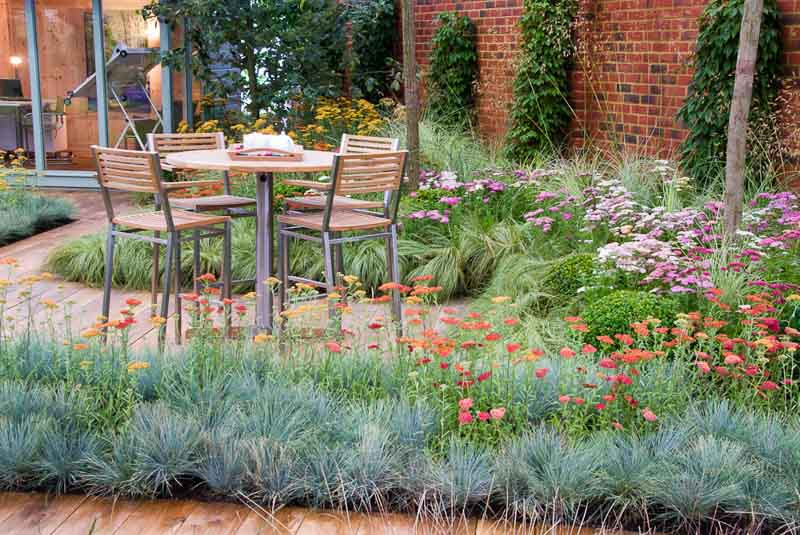
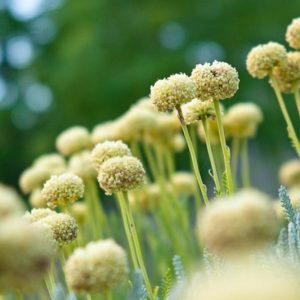
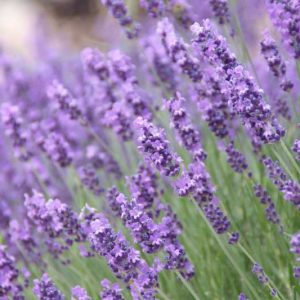
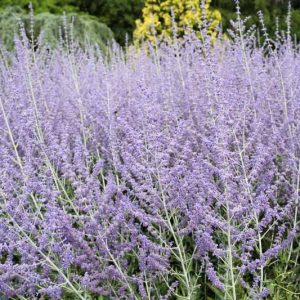
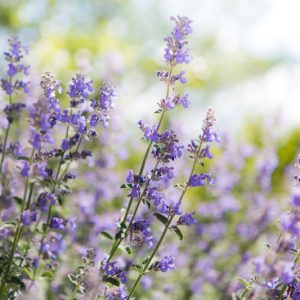
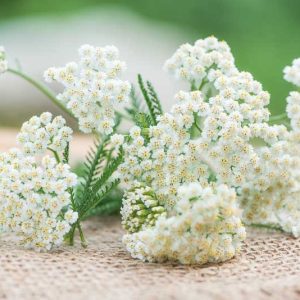
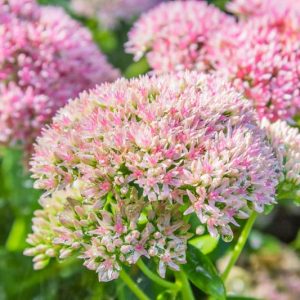
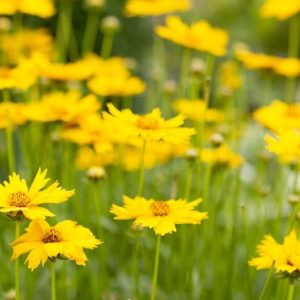
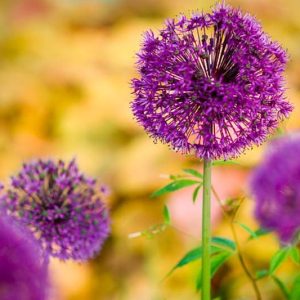
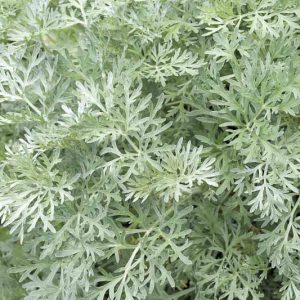
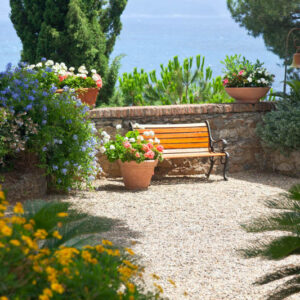
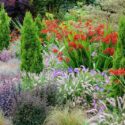
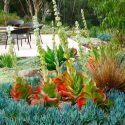
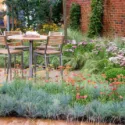
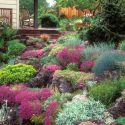
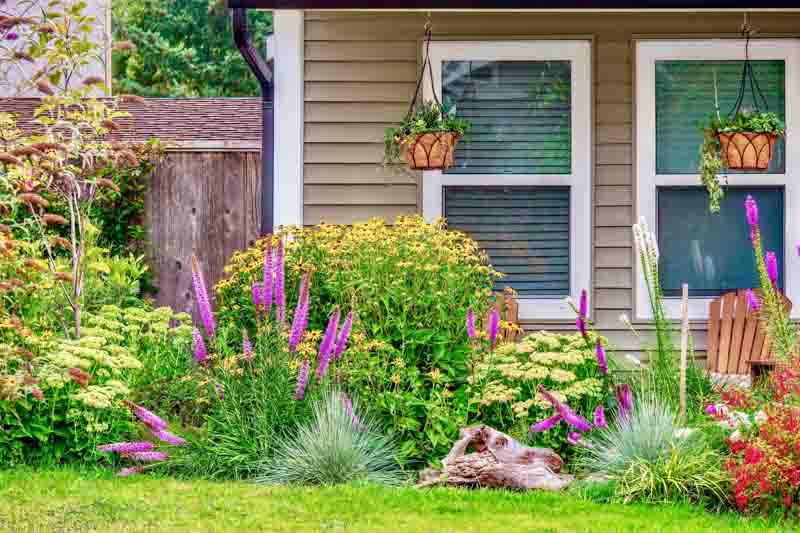
Choose companions that enjoy sun, good drainage, low to moderate moisture, and open airflow. For the best planting design, mix different shapes: upright flower spikes, rounded succulent foliage, silver leaves, aromatic sub-shrubs, and long-blooming perennials.
Blue color, mature size, heat tolerance, and longevity can vary by cultivar. Choose named selections when consistent foliage color and habit matter, and divide established clumps to keep those selected traits true.
Yes. Once established, Festuca glauca is drought tolerant and performs best in full sun with dry to medium, well-drained soil. It is a strong choice for rock gardens, gravel gardens, edging, containers, and low-water landscapes.
Full sun is best for the strongest blue foliage and tightest mound. Blue Fescue can tolerate light shade in hot climates, but too much shade often makes the foliage greener and the plant less compact.
Cut back or tidy Festuca glauca in late winter or early spring before new growth begins. You can comb out dead blades by hand or shear the clump to about 3-4 inches.
Festuca glauca is often considered deer resistant because of its fine, wiry foliage. However, no plant is completely deer-proof, especially when deer are hungry.
Festuca glauca usually grows about 6-12 inches tall and 8-12 inches wide, with flower stems sometimes rising to 12-18 inches depending on the cultivar and growing conditions.
Older Blue Fescue clumps often become crowded in the center after a few years. This is common, especially in humid or poorly drained sites. Divide the plant in spring, discard the tired center, and replant the healthy outer sections.
NC State Extension – Festuca glauca landscape use, heavy-soil cautions, and division guidance
Gardenia.net – drought tolerance, deer resistance, ornamental grass design, companion planting, and cultivar resources
Updated: May 2026 – Reviewed by Gardenia Editors
| Hardiness |
4 - 8 |
|---|---|
| Heat Zones |
1 - 8 |
| Climate Zones | 1, 2, 3, 4, 5, 6, 7, 8, 9, 10, 11, 12, 13, 14, 15, 16, 17, 18, 19, 20, 21, 22, 23, 24 |
| Plant Type | Ornamental Grasses |
| Plant Family | Poaceae |
| Genus | Festuca |
| Common names | Blue Fescue, Fescue |
| Exposure | Full Sun |
| Season of Interest | Spring (Early, Mid, Late), Summer (Early, Mid, Late), Fall, Winter |
| Height | 6" - 1' (15cm - 30cm) |
| Spread | 8" - 1' (20cm - 30cm) |
| Spacing | 10" - 15" (25cm - 40cm) |
| Maintenance | Low |
| Water Needs | Low |
| Soil Type | Chalk, Loam, Sand |
| Soil pH | Acid, Alkaline, Neutral |
| Soil Drainage | Moist but Well-Drained, Well-Drained |
| Characteristics | Showy, Semi-Evergreen, Evergreen |
| Tolerances | Drought, Deer, Dry Soil, Rocky Soil, Salt, Black Walnut, Poor Soil |
| Garden Uses | Beds And Borders, Edging, Ground Covers, Patio And Containers |
| Garden Styles | City and Courtyard, Gravel and Rock Garden, Informal and Cottage, Mediterranean Garden |
| Toxic to Humans | No known toxicity |
| Toxic to Cats | No known toxicity |
| Toxic to Dogs | No known toxicity |
| Toxic to Horses | No known toxicity |


| Hardiness |
4 - 8 |
|---|---|
| Heat Zones |
1 - 8 |
| Climate Zones | 1, 2, 3, 4, 5, 6, 7, 8, 9, 10, 11, 12, 13, 14, 15, 16, 17, 18, 19, 20, 21, 22, 23, 24 |
| Plant Type | Ornamental Grasses |
| Plant Family | Poaceae |
| Genus | Festuca |
| Common names | Blue Fescue, Fescue |
| Exposure | Full Sun |
| Season of Interest | Spring (Early, Mid, Late), Summer (Early, Mid, Late), Fall, Winter |
| Height | 6" - 1' (15cm - 30cm) |
| Spread | 8" - 1' (20cm - 30cm) |
| Spacing | 10" - 15" (25cm - 40cm) |
| Maintenance | Low |
| Water Needs | Low |
| Soil Type | Chalk, Loam, Sand |
| Soil pH | Acid, Alkaline, Neutral |
| Soil Drainage | Moist but Well-Drained, Well-Drained |
| Characteristics | Showy, Semi-Evergreen, Evergreen |
| Tolerances | Drought, Deer, Dry Soil, Rocky Soil, Salt, Black Walnut, Poor Soil |
| Garden Uses | Beds And Borders, Edging, Ground Covers, Patio And Containers |
| Garden Styles | City and Courtyard, Gravel and Rock Garden, Informal and Cottage, Mediterranean Garden |
| Toxic to Humans | No known toxicity |
| Toxic to Cats | No known toxicity |
| Toxic to Dogs | No known toxicity |
| Toxic to Horses | No known toxicity |
How many Festuca glauca (Blue Fescue) do I need for my garden?
| Plant | Quantity | |
|---|---|---|
| Festuca glauca (Blue Fescue) | N/A | Buy Plants |
Create a membership account to save your garden designs and to view them on any device.
Becoming a contributing member of Gardenia is easy and can be done in just a few minutes. If you provide us with your name, email address and the payment of a modest $25 annual membership fee, you will become a full member, enabling you to design and save up to 25 of your garden design ideas.
Join now and start creating your dream garden!
Create a membership account to save your garden designs and to view them on any device.
Becoming a contributing member of Gardenia is easy and can be done in just a few minutes. If you provide us with your name, email address and the payment of a modest $25 annual membership fee, you will become a full member, enabling you to design and save up to 25 of your garden design ideas.
Join now and start creating your dream garden!